Copenhagen: the honest city guide
An honest guide to Copenhagen — canal cruises, cycling, New Nordic food, and the tourist traps to avoid. Real prices in DKK, real transit times.
Copenhagen: City Highlights Walking Tour With Local Guide
Duration: 2-2.5 hours
Quick facts
- From CPH Airport
- Metro M2 to city centre, 15 min, 36 DKK (~5 €)
- Currency
- Danish krone (DKK). 1 € ~ 7.46 DKK, 1 USD ~ 6.85 DKK
- Getting around
- Metro M1–M4, S-Tog trains, city bikes (Donkey Republic or Bycyklen)
- Best for
- Design, canals, cycling, New Nordic food, day trips
- Busiest period
- July–August; book accommodation 6–8 weeks ahead
Quick answer: Copenhagen is a compact, highly walkable (and even better, bikeable) city where two full days is enough to see the highlights without rushing, three days lets you breathe, and four days opens up the day trips. Prices are genuinely high — budget 500–800 DKK (67–107 €) per person per day for food, transit and one paid attraction — but the city delivers quality that matches what you pay.
| Where | Eastern Denmark, on Zealand, facing Sweden across the Øresund |
| Cost | ~500–800 DKK/day per person for food, transit and one attraction |
| Time needed | 2 days minimum, 3–4 days to add a neighbourhood or day trip |
| Getting around | Metro, S-Tog and cycling; the Copenhagen Card if visiting 3+ attractions |
| Best time | May–June or September for weather, crowds and price balance |
What Copenhagen actually is
Let’s be direct: Copenhagen is expensive, the weather is unreliable even in summer, and the hygge you see on Instagram is partially a cultural export. It is also, for many visitors, the most liveable and elegant city they’ve ever encountered.
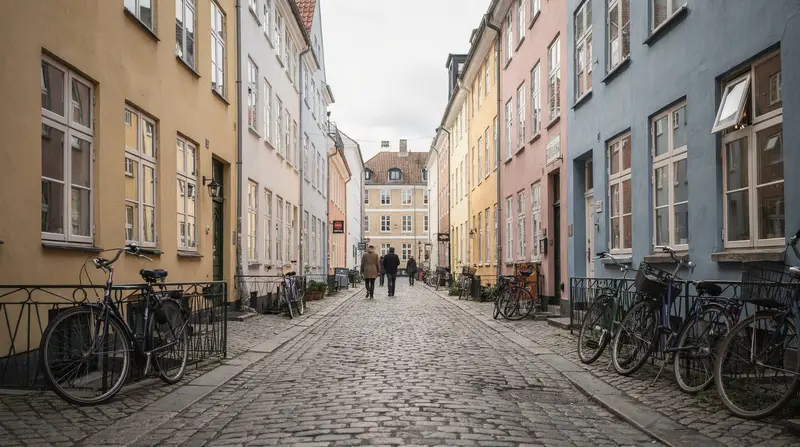
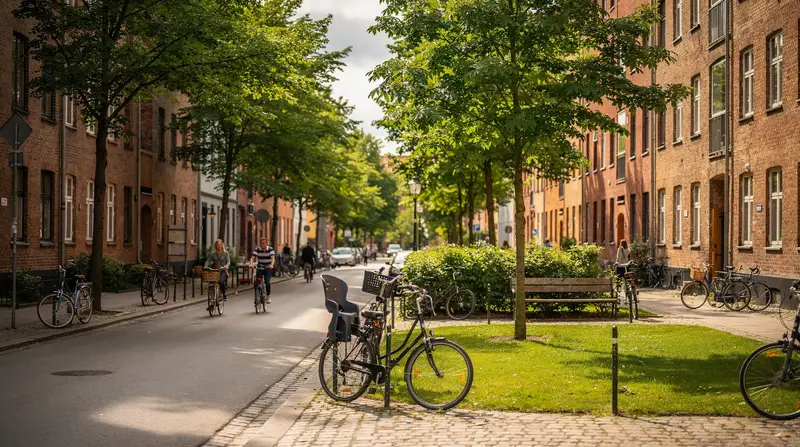
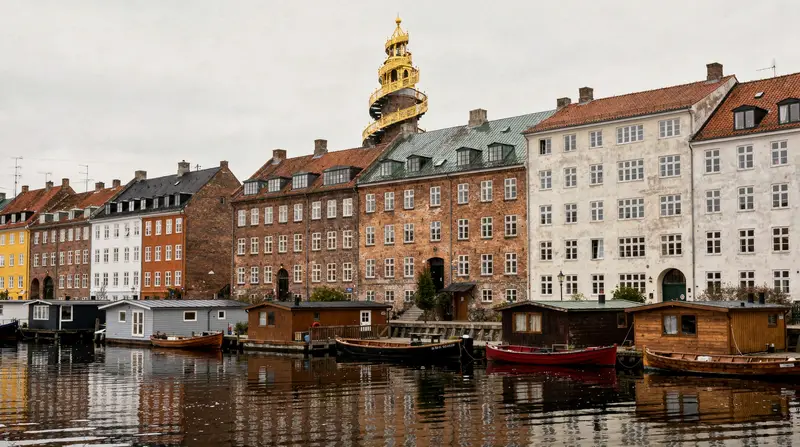
The population is around 800,000 in the municipality, and the city functions like a place that was designed by people who had to live in it — bike lanes that are wider than car lanes, a metro that runs 24 hours, a food culture that takes produce seriously without requiring Michelin-star budgets. The canal system that divides the old city from Christianshavn was engineered for trade in the 17th century and now serves primarily as scenery and kayak infrastructure.
The honest version of what Copenhagen is good for: cycling, eating, architecture, museums on rainy days, and using as a base for the rest of Denmark and southern Sweden. It is not a nightlife destination in the Berlin sense, not a beach destination, and not a city where you can travel cheaply without compromising heavily.
The tourist traps to know before you arrive
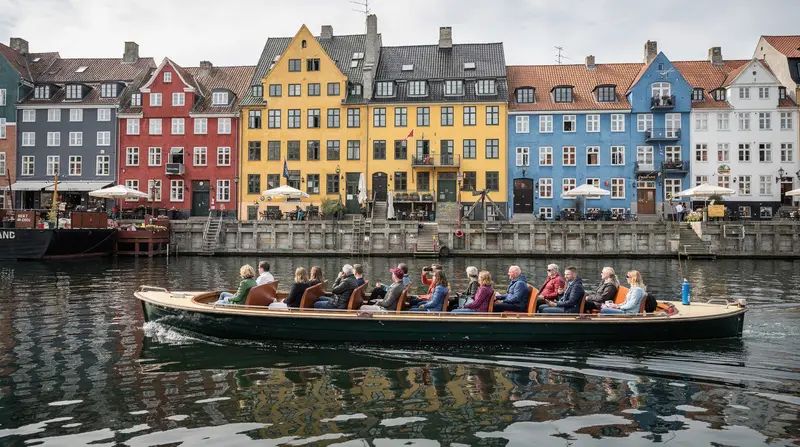
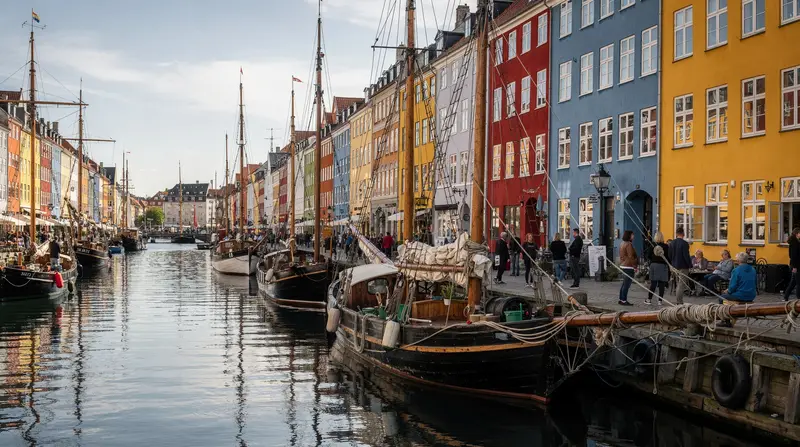
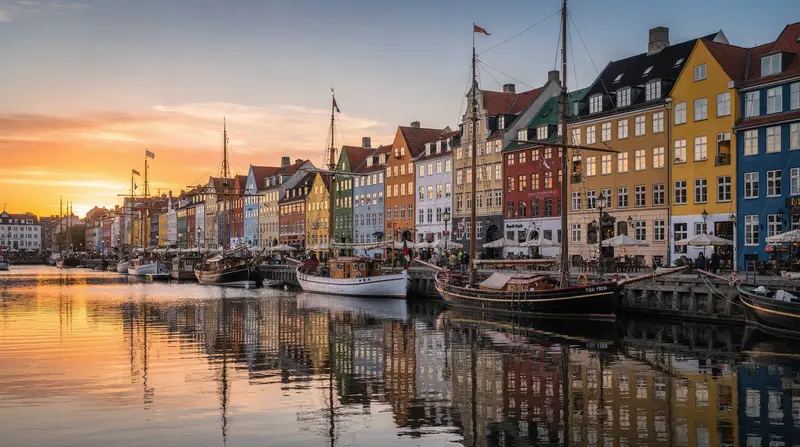
Nyhavn canal-side restaurants: the colourful townhouses of Nyhavn photograph beautifully. The restaurants sitting in front of them charge 200–280 DKK (27–38 €) for a smørrebrød plate that costs 120 DKK three streets away. The canal itself is worth thirty minutes. Eating there requires justification. Our Copenhagen tourist traps guide goes further.
The Little Mermaid: one of the most anticlimactic tourist experiences in Europe. It is a small bronze statue sitting on a rock, surrounded at peak hours by tour groups with identical photographs. Worth seeing if you walk past anyway (it’s a 25-minute walk from the city centre along the harbour promenade); not worth building a morning around.
Strøget on a Saturday afternoon: the pedestrian shopping street is technically one of Europe’s longest. In summer, it functions primarily as a crowded corridor between H&M stores. Go early or explore the parallel streets of Indre By instead.
Harbour bus 901/902 sold as a “canal tour”: the public harbour bus (24 DKK per trip on a transport card) travels similar water to the paid tours. It’s not the same experience — no guide, fewer inner canals — but if you’re on a tight budget, it’s worth knowing about.
Day one: the waterfront and old centre
Start at Kongens Nytorv (King’s New Square), the formal piazza at the top of Nyhavn. Walk the full length of the canal on the north side — the coloured houses are on the south bank — then cross at the end and walk back for the famous view. This takes 30–40 minutes and costs nothing.
From the canal, continue along the inner harbour to Slotsholmen, the island that holds Christiansborg Palace. The palace is free to enter for the Royal Reception Rooms (closed Mondays), and the towers offer the best rooftop view in the city — also free. The basement ruins of three previous castles on the same site are 75 DKK (~10 €) and genuinely interesting.
Lunch at Torvehallerne (the covered food market, north of the city centre, Israels Plads): this is a real market used by locals, not a tourist construct. A smørrebrød from Hallernes Smørrebrød runs 85–130 DKK (11–17 €); a coffee from the roasters inside is 45–55 DKK.
Afternoon: the National Museum of Denmark (Nationalmuseet) on Ny Vestergade is free entry and genuinely world-class for Scandinavian prehistory — the rune stones, Viking-age finds and Inuit collections are better than their profile suggests. Allow two hours.
A local-guided city highlights walk run in the morning covers exactly this circuit with context that the monuments can’t provide alone — the guide quality varies, but the better operators cover Danish history, architecture and the urban planning decisions that make the city function as it does.
Evening: walk or cycle to Vesterbro for dinner. The neighbourhood around Kødbyen (the Meatpacking District) has honest restaurants in the 180–280 DKK (24–38 €) main-course range — Nose2Tail, Kødbyens Fiskebar, and the cheaper pizza and ramen options on Vesterbrogade itself.
Day two: canals, cycling and neighbourhoods
Morning: take a canal cruise departing from Gammel Strand or Nyhavn. The 1-hour loop covers the inner harbour, Christianshavn’s canals, and the Opera House — this is the most efficient way to understand the city’s geography.
The standard 1-hour canal cruise from Gammel Strand runs frequently from April through October (starting at around 110 DKK / 15 €). Go on a weekday morning to avoid queuing.
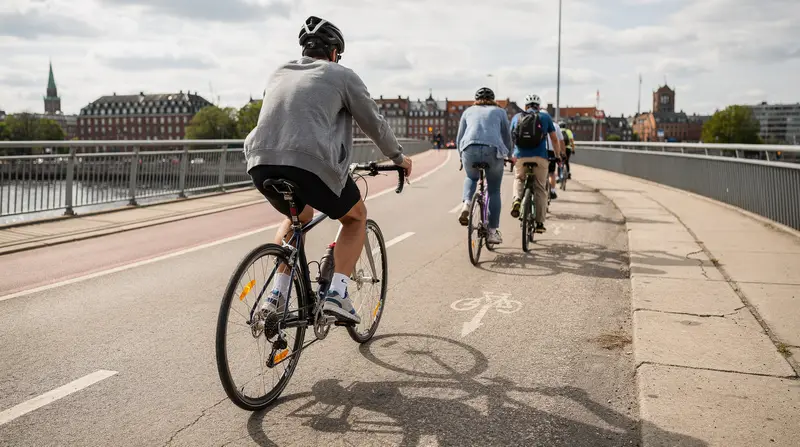
After the cruise, rent a bike. The city’s Bycyklen electric bikes are dockless and cost 40 DKK per hour from the app — or use Donkey Republic (similar pricing) to find non-electric options. A 3-hour bike tour with a guide covers more ground than you’d manage independently and prevents the navigation faff.
The 3-hour bike highlights tour takes in the areas around Amalienborg, the Freetown of Christiania, Nørrebro’s lakes and the old ramparts — roughly 15–18 km with stops.
Afternoon: explore Nørrebro independently. Walk along Nørrebrogade, turn into the side streets around Sankt Hans Torv, and find a coffee at one of the specialty roasters (The Coffee Collective, Risteriet) before heading to the Assistens Cemetery where Hans Christian Andersen and Kierkegaard are buried — it functions as a public park and is genuinely pleasant.
Day three: Tivoli and a museum
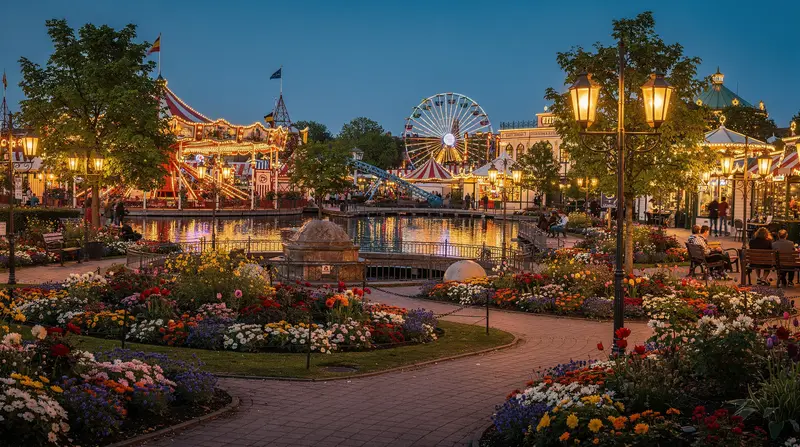
If you haven’t been to Tivoli Gardens yet, day three is the moment. The historic amusement park (opened 1843) occupies a large site directly opposite the Central Station. It’s expensive — entry alone runs 150–200 DKK (20–27 €) and rides are extra — but the garden design and evening illuminations are legitimately beautiful. Families will spend a full half-day here.
Tivoli entry tickets bought in advance save the queue; evening visits from 18:00 give you the illuminated experience at lower crowds.
The SMK (National Gallery of Denmark) on Sølvgade is free for permanent collection, covers European art from 1300 to 2000 and has a solid Danish Golden Age section. The Louisiana Museum of Modern Art (45 km north in Humlebæk) requires a half-day trip by S-Tog train but is consistently rated among the best modern art museums in Europe — 145 DKK (~19 €) entry.
Day four: day trips from Copenhagen
Copenhagen’s strength as a base is underrated. The S-Tog and regional rail network makes several worthwhile destinations reachable in under an hour:
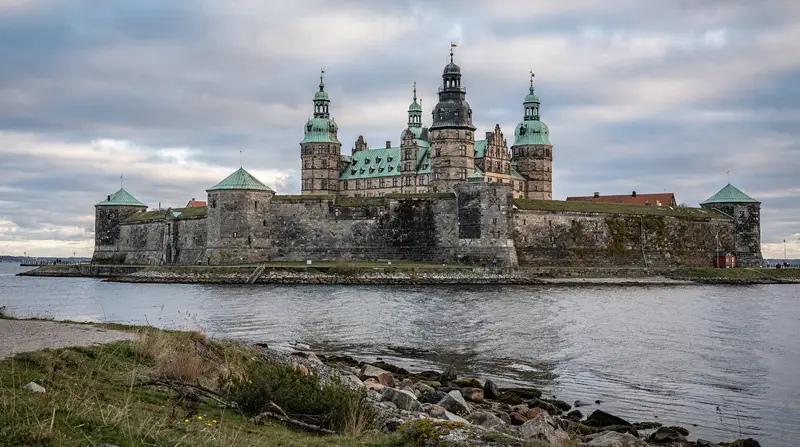
Kronborg Castle (Helsingør): 47 minutes by train from Copenhagen Central, 130 DKK (~17 €) return. The castle known as Elsinore from Hamlet sits on the headland facing Sweden. See our Helsingør destination guide.
Roskilde: 25 minutes from Copenhagen Central, 80 DKK return. The Viking Ship Museum contains five actual 11th-century ships raised from the fjord — not replicas. Entry 175 DKK (~23 €). See the Roskilde guide.
Malmö, Sweden: 35 minutes by train across the Øresund Bridge. Swedish kronor required on the other side (SEK, not DKK). See the Malmö destination guide.
A full-day trip combining multiple day-trip destinations is also possible with a hired driver or small-group tour.
Packing and practical prep for Copenhagen
Weather layering matters more than any single garment. Even in July, evenings can drop to 12–14°C, and rain arrives with little warning most months. A packable rain layer is more useful here than an umbrella, which is awkward on a bike and impractical in the wind off the harbour.
Cash is nearly obsolete. Denmark is one of the most card- and app-based economies in Europe; MobilePay (the Danish payment app) is used constantly between locals, but as a visitor your international card works everywhere except a handful of Christiania businesses and some small markets. Carrying more than a small amount of DKK cash is largely unnecessary.
Plug adapters: Denmark uses the standard European two-pin socket (Type C/K), so UK and non-European visitors need an adapter; North American 120V devices without dual voltage support need a converter, not just a plug adapter.
Booking ahead matters more than in many cities. Popular restaurants, the better craft beer bars on weekend evenings, and Tivoli in peak season all benefit from advance booking rather than walk-up. The same applies to bike rental in summer, when demand from both tourists and commuters is highest during weekday rush hours.
Getting around Copenhagen
Metro M1–M4: flat fare of 26 DKK (single zone, ~3.50 €) with a Rejsekort card, or 36 DKK single from a machine. The airport is on M2 (15 min direct to Kongens Nytorv). The metro runs 24/7 on Friday and Saturday nights.
S-Tog: the suburban rail network for destinations beyond the metro coverage. Covered by the Copenhagen Card.
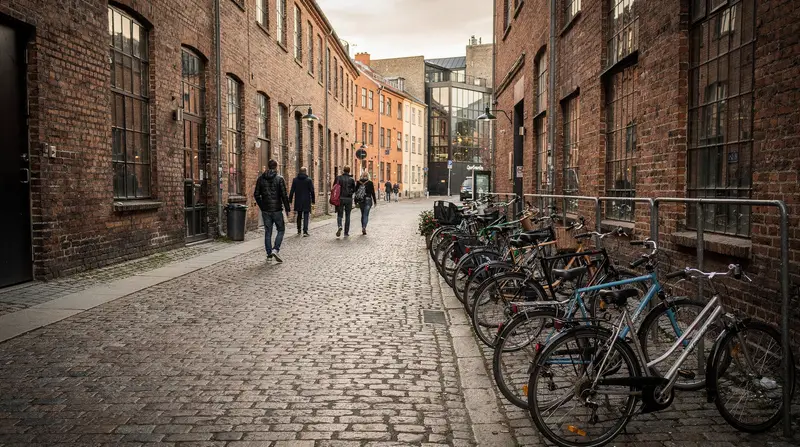
Cycling: most of the city is flat and has dedicated bike lanes separated from car traffic. Cycling is genuinely the fastest way to move between Nørrebro, Vesterbro and the centre during peak hours.
Copenhagen Card: covers metro, S-Tog, bus, and free entry or discounts at 80+ attractions. Worth it if you plan to visit 3+ paid attractions in 48 hours. See the full Copenhagen Card analysis.
The Copenhagen Card covering 80+ attractions and all public transport comes in 24h, 48h, 72h and 120h versions — do the maths for your actual itinerary before buying.
Food and drink: what Copenhagen is actually good for
Danish food has undergone a genuine revolution since Noma opened in 2003. The ripple effects — foraging culture, fermentation, hyper-seasonal produce — are now visible in restaurants at every price point, not just the reservation-three-months-ahead tier.
What to eat: smørrebrød (open sandwiches on dark rye, 85–140 DKK each), æbleskiver (round pancakes, served seasonally), flæskesteg (roast pork), and — if you’re here in late summer — fresh shrimp from Greenland sold in paper cones at the harbour fish stalls (~80 DKK a portion).
Budget options: Torvehallerne market (lunch for 100–150 DKK total), the rye-bread sandwiches at any local bakery (30–45 DKK), or the lunch special at a neighbourhood café (smørrebrød + beer for 130–180 DKK).
What passes as “New Nordic”: any restaurant in Copenhagen will mention seasonal, local sourcing. The ones that are genuinely doing it have a shorter menu, change it weekly, and don’t have a laminated folder. Our best food Copenhagen guide separates the real from the performative.
The Taste of Denmark food tour covers six tastings across the old town and market areas — a good orientation to Danish flavours before you start making independent restaurant choices.
When to visit
May and June: the best combination of long days, manageable crowds and reasonable hotel rates. Tivoli is open, canal cruises run fully, and the city gardens (particularly Frederiksberg and the Botanical Garden) are at their best.
July–August: busiest and most expensive. Hotel prices increase 30–60% over shoulder season. The weather is genuinely warm (18–24°C on good days) but also the most variable. Book 6–8 weeks ahead.
September–October: excellent. Crowds thin after the school holidays, the light is extraordinary, and the food scene has its autumn produce peak (wild mushrooms, game, root vegetables in the restaurants).
November–March: cold (rarely below -5°C, often grey), but Tivoli opens for Christmas from late November and the city is genuinely pleasant in the low season with far lower prices. See best time to visit Copenhagen for month-by-month detail.
| Period | Weather | Crowds | Hotel prices |
|---|---|---|---|
| May–June | Mild, long days | Moderate | Standard |
| July–August | Warmest, variable | Busiest | +30–60% |
| September–October | Cool, excellent light | Thinning | Standard, dropping |
| November–March | Cold, short days | Lowest (except Christmas) | Lowest |
Copenhagen as a base for Jutland and Funen
Beyond the North Zealand and Sweden day trips already covered, Copenhagen also works as a starting point for longer excursions into Jutland and Funen if you have four days or more. Aarhus, Denmark’s second city, is about 3 hours by train and justifies an overnight for its ARoS museum and Den Gamle By open-air museum. Aalborg, a further hour north, is better treated as part of a multi-day Jutland loop than a standalone trip.
Neither is a realistic same-day round trip alongside a full Copenhagen itinerary — the ranked list of day trips from Copenhagen is the honest reference for what’s actually feasible in a single day versus what needs an overnight, and the getting around guide covers how DSB InterCity trains connect the capital to the rest of the country. If you’re mapping out what the whole trip will cost once these longer excursions are added, the Copenhagen trip cost breakdown accounts for the extra train fares and overnight stays.
Language and everyday etiquette
English is spoken fluently and near-universally in Copenhagen — in restaurants, shops, and by nearly everyone under 60. Learning a handful of Danish phrases (tak for thank you, hej for hello) is appreciated but never required for a smooth trip.
Tipping is not expected in the way it is in the US — service is included in prices by law, and rounding up a bill or leaving small change for exceptional service is a courteous option rather than an obligation. Queuing and personal space are taken seriously; Danes generally maintain more physical distance in queues and on public transport than visitors from Southern Europe or the Americas may be used to, and this isn’t coldness so much as cultural norm. Directness in conversation is common — Danes tend toward plain, unembellished speech, which some visitors misread as unfriendliness when it’s simply a different conversational style than they’re used to.
Where to stay
The areas that balance location, price and local character:
Vesterbro/Kødbyen: 15 minutes walk to the centre, good restaurant options, genuinely used by locals. Mid-range hotels run 900–1,400 DKK (120–188 €) per night in summer.
Nørreport/Indre By: central, convenient for the metro, quieter than the immediate waterfront. Similar pricing.
Christianshavn: the canal district on the east side — charming, limited hotel stock, slightly awkward transport connections. Worth considering for apartment rentals.
Avoid booking purely on the basis of proximity to Nyhavn — the immediate area has inflated hotel prices and the canal walk is genuinely 25 minutes from most of the rest of the city on foot anyway. See the full where to stay in Copenhagen guide.
Frequently asked questions about Copenhagen
How many days do I need in Copenhagen?
Two full days covers the essential circuit — Nyhavn, Indre By, a canal cruise, Tivoli and one major museum. Three days is the right amount for most visitors who want to explore a neighbourhood or two (Vesterbro, Nørrebro) without rushing. Four days makes sense if you plan at least one day trip to Kronborg, Roskilde or Malmö. See the 1-day, 2-day and 3-day itineraries for structured plans.
Is the Copenhagen Card worth buying?
It depends entirely on your programme. The card covers all metro and S-Tog transport plus free entry at 80+ attractions. If you plan to visit three or more paid attractions in 24–48 hours, it’s likely worth it — but the maths needs doing against your actual itinerary, not a generic list. See the Copenhagen Card detailed analysis.
How expensive is Copenhagen for food and drink?
Budget 200–350 DKK (27–47 €) per person for a proper lunch with a drink. Dinner at a mid-range restaurant runs 400–600 DKK (54–80 €) per person including wine. A coffee is 40–55 DKK (5.50–7.50 €). Street food and market eating (Torvehallerne, Reffen in summer) brings this down significantly. Our Copenhagen on a budget guide covers strategies for keeping costs reasonable.
What is the best way to get from the airport to the city centre?
Metro M2 from Copenhagen Airport (CPH) to Kongens Nytorv is 15 minutes and costs 36 DKK (~5 €) per person. Trains also run direct to Copenhagen Central Station (24 min). A taxi costs approximately 280–380 DKK (38–51 €) and takes 20–30 minutes depending on traffic. There is no reason to pay for an airport transfer service when the metro is this efficient.
Is cycling safe for tourists in Copenhagen?
Yes, with some caveats. The dedicated bike lanes are separated from car traffic and well-maintained. The rules matter: don’t stop in a bike lane, signal turns with your arm, ride on the right. Tourists who treat the bike infrastructure casually get in trouble with local cyclists, who are efficient and unforgiving of hesitation. A guided bike tour on day one is a good way to learn the system before riding independently.
What is hygge and where do I actually find it in Copenhagen?
Hygge (pronounced roughly “HOO-gah”) is the Danish concept of warmth, cosiness and deliberate comfort in company — candles, good food, unhurried conversation. It is not a tourist product; you can’t book a “hygge experience.” You find it in a warm café in Nørrebro on a grey afternoon, or in a low-lit restaurant in Vesterbro where the group at the next table has been there for three hours. See what is hygge for a longer explanation.
When should I avoid Copenhagen?
The last two weeks of July are the peak of peak season — school holidays across Germany, the UK and Scandinavia converge, and the city is at capacity. If you’re flexible on dates, early June or September offers the same weather profile at meaningfully lower prices and thinner crowds. See the full best time to visit Copenhagen guide.
Top experiences
Bookable activities with verified prices and instant confirmation on GetYourGuide.