Copenhagen 3-Day Itinerary: The Complete First-Timer's Plan
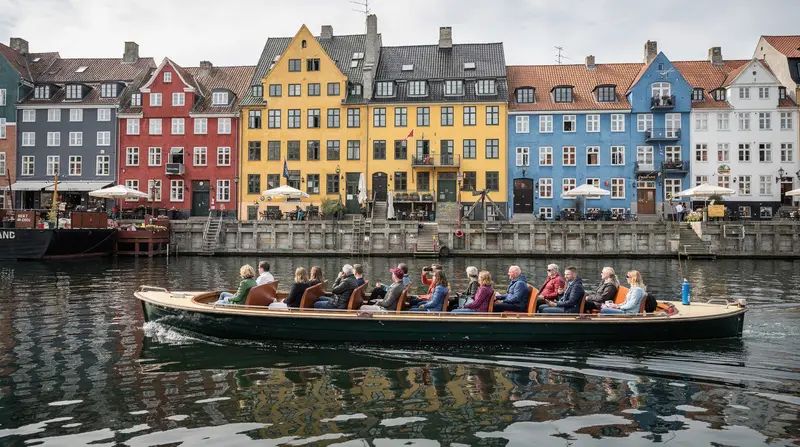
Copenhagen: Canal Cruise with Guide
Duration: 1 hour
| Where | Copenhagen city centre + Malmö, Sweden day trip |
| Cost | Around 4,650 DKK per couple, excl. accommodation |
| Time needed | Three full days |
| Getting there | Metro M1/M2 from CPH airport; train to Malmö from København H |
| Best time | May–September for the Malmö day and long daylight hours |
Overview
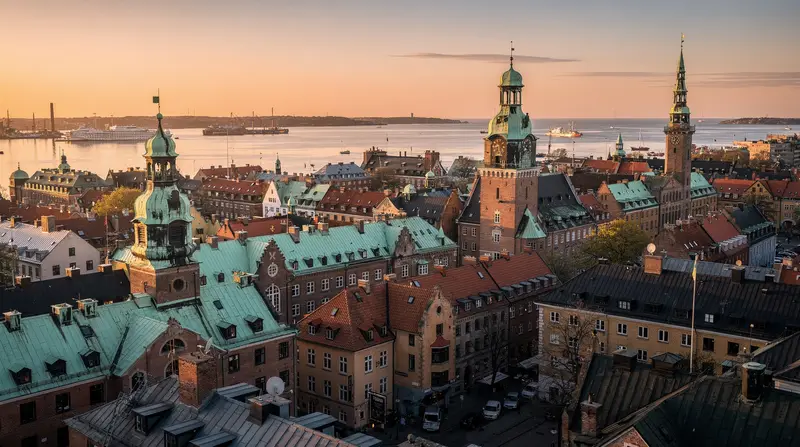
Three days is the right amount of time for a first-time visit to Copenhagen. Two days leaves you with a gap you will notice; four days requires day trips to justify. This plan covers the full city — Indre By, Nyhavn, the canals, Rosenborg, Christianshavn, Christiania, Vesterbro, Frederiksstaden — and dedicates Day 3 to Malmö, Sweden, which is 35 minutes away by train and gives you a second country for the price of a return train ticket.
The Malmö option is not obligatory. If you prefer to spend Day 3 in Copenhagen (Frederiksberg, Louisiana Museum, or a longer Nørrebro afternoon), that is equally valid and noted as an alternative at the end of Day 3.
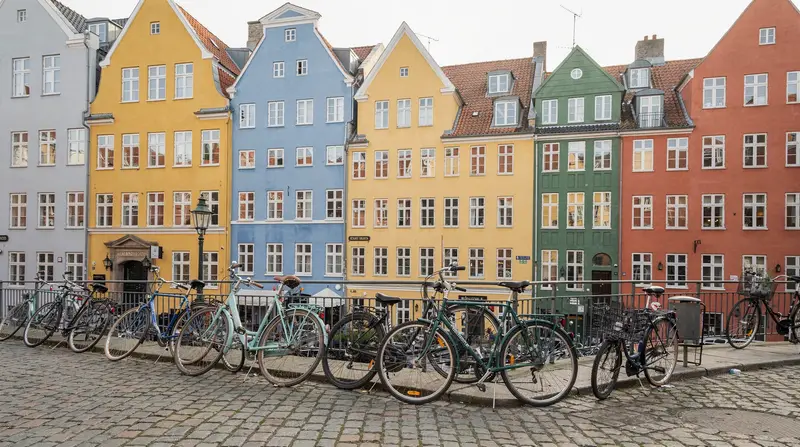
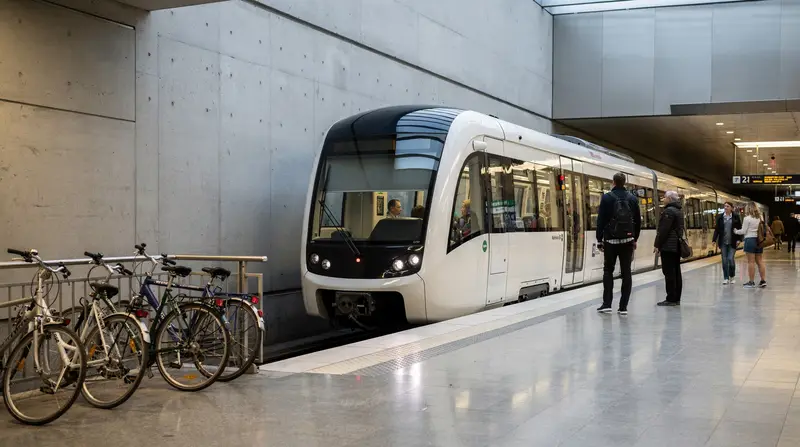
Getting around: the metro M1/M2 covers most of the city. A 72-hour City Pass costs 200 DKK — worth it if you use public transport more than once per day. Bikes are a faster and more atmospheric option for Days 1 and 2 if you are comfortable cycling in a city.
Day 1 — Nyhavn, the canals, Rosenborg, and the old town
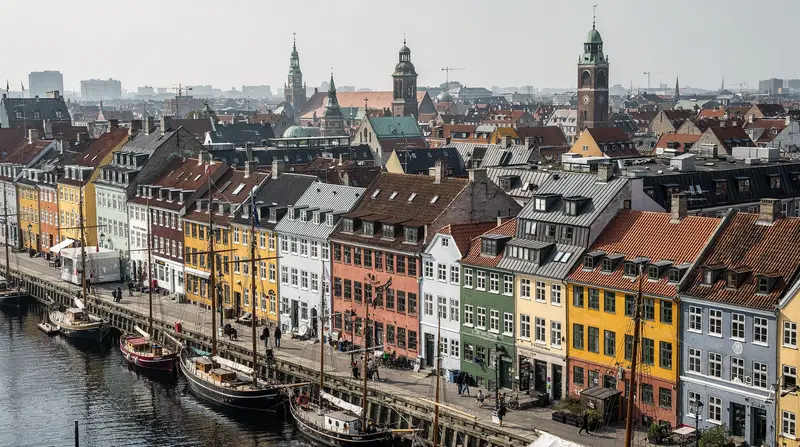
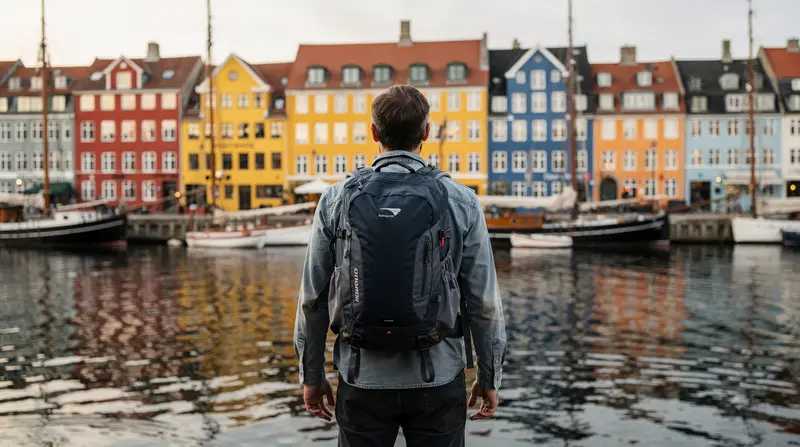
08:00 — Nyhavn
Arrive early. Before 09:00, Nyhavn is uncrowded and the light on the coloured facades is the best of the day. Have coffee and a pastry nearby — not at the canalside restaurants, which open late and price accordingly. A bakery coffee and pastry: 40–55 DKK.
Walk south along the waterfront to Kongens Nytorv (5 minutes). The square contains the Royal Theatre (Det Kongelige Teater), one of the oldest national theatres in Europe. The Metro M1/M2 has its Kongens Nytorv station here.
09:15 — Guided walking tour of the old town
A guided 2–2.5 hour walking tour sets the historical and social context that makes everything else you see more interesting. Starting from Kongens Nytorv or Nyhavn, most walking tour routes cover Gammel Strand, Christiansborg, the canal district, and the streets of Indre By.
Without a guide: walk from Kongens Nytorv through Strøget to Rådhuspladsen (1.1 km), then north to Rundetårn, then east through the university quarter to Rosenborg. You cover the same ground but miss the context.
11:30 — Canal cruise
From Gammel Strand (a 10-minute walk from the end of the walking tour’s typical route), take the one-hour guided canal cruise. Boats run every 30 minutes in summer. Cost: 110–140 DKK.
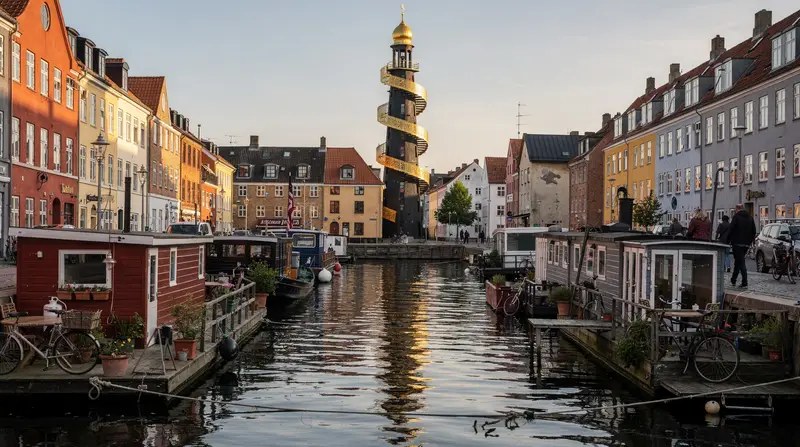
The cruise covers Christianshavn’s canals, the Opera House, Amalienborg from the water, and the harbour front including the Black Diamond library. On Day 1, this orients you geographically and sets up the walking you will do over the next two days.
13:00 — Lunch at Torvehallerne
Walk north from Gammel Strand to Torvehallerne market (18 minutes on foot, or one stop on M1/M2 from Kongens Nytorv to Nørreport). The covered market has 60+ stalls across two glass halls. Smørrebrød: 85–110 DKK. Allow 45 minutes.
14:15 — Rosenborg Castle
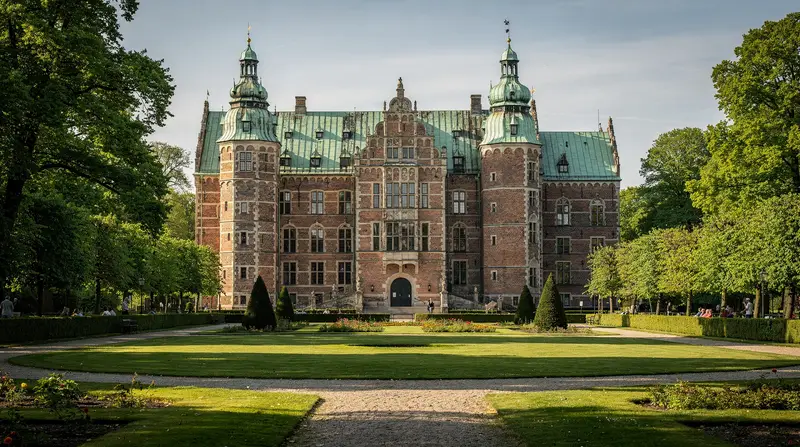
Walk east from Torvehallerne to Rosenborg Castle (5 minutes through the King’s Garden). Entry: 150 DKK adults. The Crown Jewels in the basement treasury are the must-see; the castle rooms above show 400 years of royal interiors from Christian IV to the 19th century. Budget 90 minutes.
The King’s Garden (Kongens Have) surrounding the castle is one of the city’s better free spaces. Worth 15 minutes in the afternoon.
16:00 — Rundetårn and Indre By
Walk south to Rundetårn (10 minutes from Rosenborg). Entry: 40 DKK. The spiral ramp observatory gives the best high-level view of the old town’s rooflines. Then walk the side streets of Indre By: Grønnegade, Læderstræde, Studiestræde.
Stop for coffee around 17:00. Budget 40–55 DKK.
18:30 — Dinner and evening
Dinner in Indre By or Nyhavn: 175–250 DKK for a main course at a mid-range restaurant. Book in advance for anything beyond casual. The harbour walk south from Nyhavn to the Black Diamond and back (3 km, 45 minutes) is one of the better free evening activities in the city.
Day 2 — Christianshavn, Christiania, Vesterbro, and Tivoli
08:30 — Christianshavn morning
Take metro M1 to Christianshavn station (one stop from Kongens Nytorv) or walk 25 minutes via Knippelsbro bridge. Christianshavn is the canal-district neighbourhood on Amager island, architecturally distinct from the rest of the city.
The Church of Our Saviour (Vor Frelsers Kirke) has an external spiral staircase with city views. Entry: 75 DKK. Open seasonally — closed in winter. Climb is 400 steps.
Breakfast along the Christianshavn canal (Overgaden oven Vandet): coffee and pastry for 50–80 DKK at the local cafés.
10:00 — Christiania
Freetown Christiania is a 10-minute walk from Christianshavn station into the former military area. Entry to the open areas is free. A guided tour lasts approximately 2 hours and costs 250–350 DKK per person — significantly more context than visiting alone.
Important: do not photograph Pusher Street. This is not a suggestion — the community is clear and consistent about it. Photography elsewhere in Christiania is generally fine and there is genuinely interesting architecture (community-built houses, the Carlsberg-era ramparts) to see.
12:30 — Reffen Street Food (seasonal)
Walk 15 minutes north along the harbour to Reffen on Refshaleøen. Open Thursday–Sunday, May to October. Approximately 50 food stalls, waterfront setting, fair prices (80–130 DKK for a meal). If it is a weekday or the market is out of season, return to Christianshavn or walk back to Nyhavn for lunch.
14:00 — Vesterbro by metro
Take metro M1 back to Kongens Nytorv, then change to M2 toward the airport and exit at København H (Central Station). Walk west into Vesterbro.
The Meatpacking District (Kødbyen) is 10 minutes from the station — former slaughterhouse buildings, now galleries, restaurants, and bars. Galleries have free daytime entry; the architecture of the white-tiled abbatoir buildings is the main draw. Istedgade, running parallel, has coffee shops and independent retail.
The Carlsberg Experience (145 DKK entry with beer tastings) is 15 minutes further west by foot or a short bike ride. It covers the brewery’s history from 1847 to the present and includes the old brewhouse architecture. Worthwhile if beer history interests you; skippable otherwise.
16:30 — Frederiksstaden and Amalienborg
Walk or take the metro M2 back toward Kongens Nytorv and head northeast through Frederiksstaden — the aristocratic quarter built in the 1750s. Amalienborg Palace is four palaces around an octagonal courtyard. The changing of the guard happens daily at 12:00 (if you missed it on Day 1, note it for tomorrow).
The Marble Church (Marmorkirken) behind Amalienborg has a dome you can climb for views: 50 DKK, open weekends and some weekdays. The Alexander Nevsky Russian Orthodox Church nearby is free to view externally.
18:00 — Pre-Tivoli dinner
Dinner in Vesterbro or near the city centre. Budget 150–220 DKK per person at Vesterbro restaurants; 200–300 DKK in Indre By. Booking recommended for weekends.
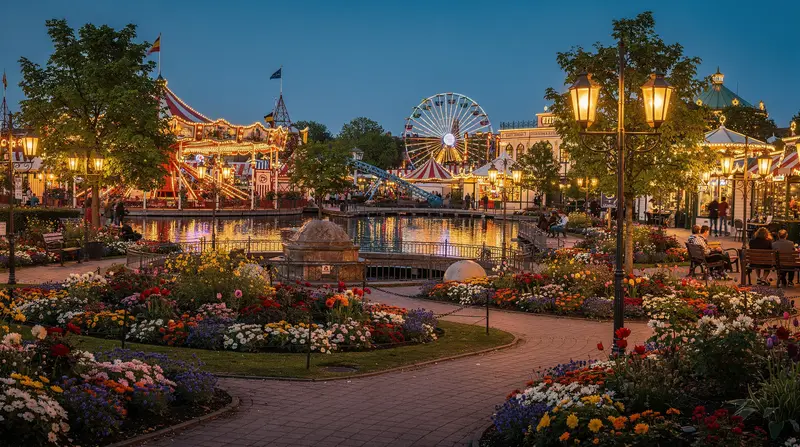
19:30 — Tivoli Gardens
Book tickets online to avoid evening queues. Entry: 170 DKK adults. Evening is the right format — the garden lights, the open-air pantomime theatre (free schedule posted at the entrance), and the general atmosphere are significantly better after dark.
Close at 23:00 most summer weekends. Walk back to accommodation via Strøget if staying in Indre By — 15–20 minutes.
Day 3 — Malmö, Sweden (or alternative Copenhagen day)
08:30 — Train to Malmö
From Copenhagen Central Station (København H), take the Öresundståg (regional train) toward Malmö. Journey time: 35–40 minutes across the Øresund Bridge. Trains depart every 20 minutes. One-way fare: approximately 100–130 DKK (or approximately 120–150 SEK from the Swedish side).
Buy tickets at the station machine or online via DSB (Danish Railways) or SJ (Swedish Railways). No passport or special permit required — Denmark and Sweden are both in the Schengen Area. Bring some Swedish kronor (SEK) as Malmö does not accept DKK in most places.
The train crosses the Øresund Bridge itself — 7.8 km of combined bridge and tunnel. The bridge section gives clear views toward Denmark and Sweden on a clear day.
09:30 — Malmö Gamla Stan (Old Town)
Malmö’s old town is compact and considerably quieter than Copenhagen’s Indre By. Stortorget (Main Square) is large and architecturally varied, with the Rådhuset (City Hall, 16th century) on one side. The square is 8 minutes on foot from Malmö Central Station.
Lilla Torg (Little Square) adjacent to Stortorget is more intimate — cobblestones, half-timbered buildings, outdoor café seating. The Form/Design Center nearby (Lilla Torg 9) has free entry and shows Swedish design and architecture.
Coffee in Malmö: a flat white costs approximately 45–65 SEK (~40–60 DKK). The café culture is similar to Copenhagen’s but with Swedish conventions — fika (coffee break with something sweet) is taken more seriously here.
11:00 — Malmö Castle (Malmöhus)
Malmöhus Castle is a short walk west from the old town. The castle was built in 1436, demolished, and rebuilt in the 1530s — it is the oldest surviving Renaissance castle in Scandinavia. The castle museum houses natural history, city history, and art collections. Entry: 110 SEK (~100 DKK) adults.
The castle grounds and moat area are free and pleasant. Open Tuesday–Sunday 10:00–17:00.
12:30 — Lunch and Möllevångstorget
Take a 15-minute walk (or short bus ride) south to Möllevångstorget (Möllan square), Malmö’s multicultural market square. This is where Malmö’s Middle Eastern and North African community is most visible — falafel, baklava, spice markets, and fresh produce at prices that contrast sharply with Copenhagen’s tourist-zone food.
Falafel wrap: 60–80 SEK. Börek: 30–50 SEK. Lunch budget: 80–120 SEK (~75–110 DKK).
13:30 — Turning Torso and the Western Harbour
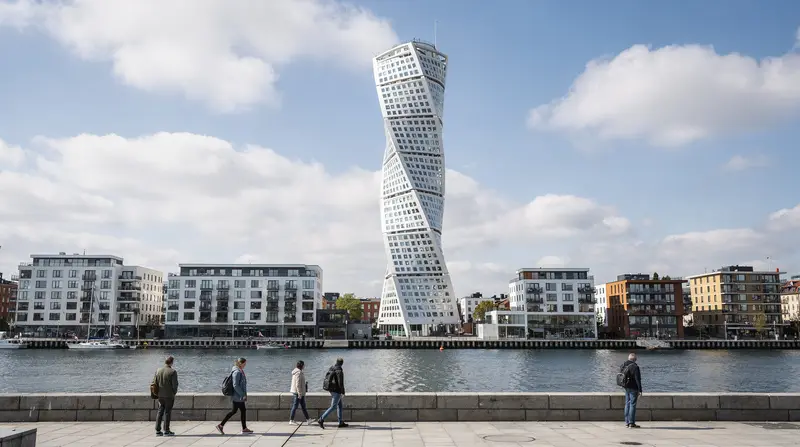
Walk or take the bus north to the Western Harbour (Västra Hamnen), Malmö’s regenerated industrial waterfront. The Turning Torso skyscraper (2005, 190 metres, Santiago Calatrava) is the visual anchor — you cannot enter the residential building but the waterfront promenade below it is worthwhile.
The district has converted warehouses with galleries and restaurants. Bo01, the nearby eco-housing development, was built for a 2001 European housing expo and remains one of the more considered pieces of urban planning in Scandinavia. Walk around it.
15:30 — Train back to Copenhagen
Return train from Malmö Central to Copenhagen Central Station. Budget 35–40 minutes. Last comfortable trains for an evening return leave Malmö Central around 22:00.
18:00 — Evening in Copenhagen
Arrive back in Copenhagen around 18:30–19:00. Options for the final evening: a longer dinner in Nørrebro or Vesterbro (where prices are better), a Meatpacking District bar, or simply revisiting Nyhavn in the evening when the restaurants and bars on the north side are livelier than during the day.
Alternative Day 3: stay in Copenhagen
If you prefer to skip Malmö and spend a third full day in Copenhagen, the following are the best options that Days 1 and 2 did not cover:
Louisiana Museum of Modern Art (Humlebæk): 45 minutes north of Copenhagen by regional train from Nørreport station (45 DKK, runs every 20 minutes). The museum sits on a cliff above the Øresund. Entry: 160 DKK. Permanent collection includes Giacometti, Picasso, and Warhol; the sculpture garden is free to view from the outside. Allow 3–4 hours minimum.
Frederiksberg: the municipality within Copenhagen containing Frederiksberg Palace (royalty still uses it), the Frederiksberg Gardens (free, 32 hectares), and Copenhagen Zoo (225 DKK). A less-visited green residential area that feels different from the tourist centre. Metro M1 to Frederiksberg station.
Full Nørrebro afternoon: coffee at a local café, Assistens Cemetery (free, where Kierkegaard and H.C. Andersen are buried), Elmegade and Ravnsborggade antique street, and the Superkilen park (free, a 750-metre public park with design elements from 50 countries — one of the more unusual things in the city).
Budget summary (3 days)
| Item | Approx. DKK |
|---|---|
| Canal cruise ×2 adults | 260 |
| Rosenborg ×2 | 300 |
| Rundetårn ×2 | 80 |
| Walking tour ×2 | 400–600 |
| Christiania tour ×2 | 600 |
| Church of Our Saviour ×2 | 150 |
| Tivoli ×2 | 340 |
| Malmö train (return) ×2 | 520 |
| Malmöhus ×2 | 200 |
| Food ×3 days (meals + coffee) | 1,200 |
| Metro 72h pass ×2 | 400 |
| Total per couple | ~4,650 DKK (~620 €) |
Excludes accommodation. The Copenhagen Card (72 hours) costs 1,158 DKK per couple and covers most entries plus transport — worth calculating against your specific itinerary.
Malmö vs staying in Copenhagen: how to actually decide
| Malmö day trip | Extra Copenhagen day | |
|---|---|---|
| Cost per person | ~250–300 DKK (train + lunch) | Varies — often cheaper if free sights |
| What you gain | A different country, Swedish design, Turning Torso | Depth in one neighbourhood you already like |
| Best for | First-timers, design fans, curious travellers | Repeat visitors, food-focused trips, families with young kids |
| Regret risk | Low — most travellers rate it a highlight | Low, but you may wish you’d gone to Sweden |
If you are torn, our dedicated Malmö day trip guide goes into more depth on logistics than fits here, and the copenhagen-or-stockholm-which-first blog post is useful if Malmö has you wondering about a longer Sweden trip later.
If you want to add a fourth day instead of choosing
Some travellers try to squeeze both Malmö and a full extra Copenhagen day into a long weekend rather than choosing between them. It works, but only if you treat Day 3 (Malmö) and Day 4 (Louisiana or Frederiksberg) as genuinely separate outings rather than trying to combine them — Humlebæk and Malmö are in opposite directions from central Copenhagen and combining them in one day means rushing both. See the 4-day itinerary for how that extra day slots in, including North Zealand’s castles as a further alternative to Malmö if you have already done Sweden.
Frequently asked questions about a 3-day Copenhagen itinerary
Is the Malmö day trip worth it from Copenhagen?
Yes, unambiguously. Malmö is 35 minutes by direct train, costs approximately 200–260 DKK return per person, and gives you a genuinely different city — Swedish architecture, Swedish prices (slightly lower than Copenhagen), and a different character in the old town and harbour. The Turning Torso and the multicultural Möllan area are not experiences you get in Copenhagen.
Should I book a guided tour to Malmö instead of going independently?
An organised tour handles the logistics and adds context to both cities. The self-guided version is easy (buy a train ticket, use the Malmö city bus or walk) and saves approximately 300–500 DKK per person. For a first-time visitor who wants context, the guided version adds value; for independent travellers comfortable navigating a new city, DIY is fine.
What currency does Malmö use?
Swedish kronor (SEK). DKK are not accepted. The current rate is approximately 1 DKK = 1.5 SEK (check before you go). ATMs at Malmö Central Station dispense SEK. Card payment is near-universal in Sweden — most places accept Visa and Mastercard without issue.
How many days do I really need to see Copenhagen properly?
Three days covers the essential city without rushing. Four days adds a proper North Zealand day trip (Kronborg, Frederiksborg). Five days allows two day trips plus more time in the city’s outer neighbourhoods. If you are a repeat visitor focusing on food, design, or cycling, even three days feels compressed.
What is the Copenhagen Card and does it work in Malmö?
The Copenhagen Card covers transport and attractions in the Copenhagen metropolitan area including the train to the airport and some North Zealand destinations. It does not cover the Malmö train (which is a separate Swedish/Danish regional rail fare) or attractions in Sweden.
Is three days too much for Copenhagen for a solo traveller?
No — three days is the right length for solo travel in Copenhagen. The city’s café culture, excellent cycling infrastructure, and generally welcoming atmosphere make it easy to enjoy solo. The Christiania guided tour in particular is worth taking as a solo traveller because you join a small group rather than wandering alone.
What is the best neighbourhood to stay in for a 3-day visit?
Indre By (the old town) or Vesterbro. Indre By puts you within 15 minutes on foot of Nyhavn, Rosenborg, Torvehallerne, and Rundetårn. Vesterbro is slightly cheaper, has better independent restaurants, and is 5 minutes from Tivoli and Central Station. Both are on the metro M1/M2. Avoid staying in the airport area (Kastrup) — the 14-minute metro connection is fast but you miss the city’s walkable character. See the best Copenhagen neighbourhoods guide for a fuller comparison including Nørrebro and Christianshavn.
Top experiences
Bookable activities with verified prices and instant confirmation on GetYourGuide.