How Many Days in Copenhagen? Honest Itinerary Advice
Copenhagen: Castles of North Zealand Day Tour
Duration: 5 hours
How many days should I spend in Copenhagen?
Three days is the comfortable minimum for most first-timers — enough to cover the main sights, take a canal tour, eat well, and get a sense of the city without feeling rushed. Four days is the recommended standard, adding a day-trip to Helsingør or Roskilde. Two days works for a weekend city-break if you plan efficiently. Five to seven days makes sense if you want multiple day-trips or a slower pace.
| Minimum comfortable | 3 days |
| Recommended | 4 days (adds one day-trip) |
| Extended | 5-7 days (multiple day-trips, slower pace) |
| Weekend possible | Yes, 2 days, but efficient rather than relaxed |
| Best paired with | Malmö (15 min by train) or Stockholm |
Day-count at a glance
| Days | Best for | What you’ll cover |
|---|---|---|
| 1 | Connecting/layover | Nyhavn, a canal cruise, Rosenborg, Tivoli evening |
| 2 | Weekend city-break | Core sights, no day-trips, efficient pace |
| 3 | Standard first-timer | Full core + one neighbourhood + museums |
| 4 | Recommended | 3-day core + one day-trip (Helsingør/Roskilde/Malmö) |
| 5-7 | Slow/food/culture focus | Multiple day-trips, neighbourhood depth, Michelin-tier dining |
The honest answer
Copenhagen is a compact city. The entire historic centre — from Tivoli in the west to Nyhavn in the east, from Rosenborg in the north to Christianshavn across the canal — is roughly 3 km across. You can walk between the major sights in 20–30 minutes.
This compactness is both Copenhagen’s strength and the reason many visitors misjudge how much time they need. The city looks small on a map, but there is more to it than the main postcards. The Vesterbro and Nørrebro neighbourhoods have their own distinct cultures. Day-trips to North Zealand or Malmö genuinely enrich a trip. And Copenhagen rewards sitting still — in a café, on a canal bank, in Torvehallerne — in a way that can only happen if you are not rushing.
The answer to “how many days” depends on what kind of traveller you are.
2 days in Copenhagen (weekend city-break)
Who it suits: Travellers connecting from another Scandinavian city, those adding Copenhagen to a larger itinerary, or visitors who have been before and want a focused return trip.
What you can cover:
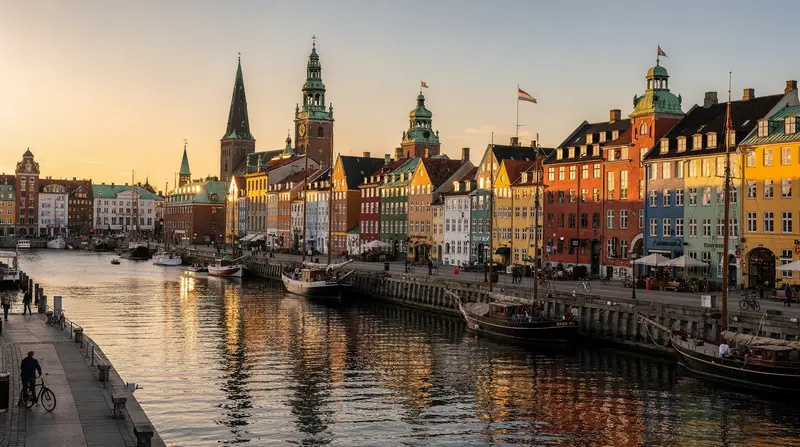
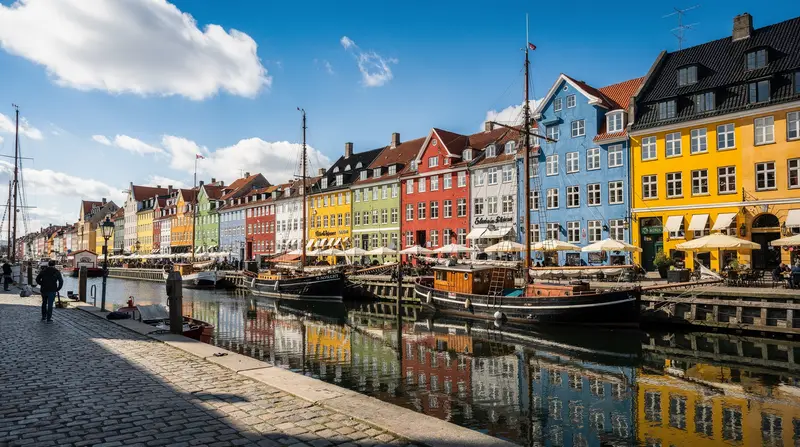
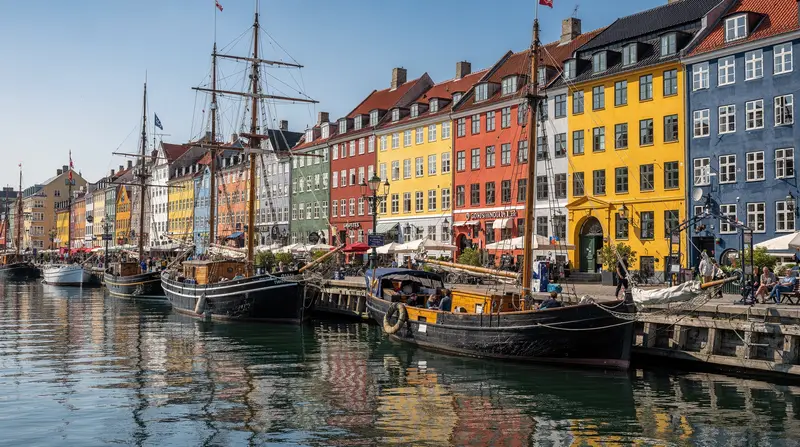
Day 1: Central Copenhagen Morning at Rosenborg Castle and the King’s Garden (royal collection and crown jewels — allow 2 hours). Walk through Strøget to the Latin Quarter. Lunch at Torvehallerne food market (smørrebrød or fresh fish, 100–200 DKK per person). Afternoon at Nyhavn — the famous canal houses. Late afternoon canal cruise (60–90 minutes). Evening at Tivoli (opens until 23:00 in summer).
Day 2: Christiansborg and South Copenhagen Morning at Christiansborg Palace — the tower has the best free city view. Walk to Christianshavn, cross the canal, explore the neighbourhood. Lunch near Christianshavn or at Reffen street food market (bus or taxi in summer). Afternoon: National Museum of Denmark (free on Sundays) or a neighbourhood walk through Vesterbro. Evening: dinner in Vesterbro Meatpacking District.
What you miss with 2 days: Depth. You will see the highlights but not feel the city. No day-trips. Limited time for the food scene and neighbourhood exploration that make Copenhagen special.
Verdict: Worthwhile but not the full experience. Better than not going.
3 days in Copenhagen (the standard first-timer trip)
Who it suits: Most first-time visitors arriving for a long weekend. Three full days is the comfortable minimum.
Day 1: Classic Copenhagen Rosenborg Castle and King’s Garden in the morning (allow 2 hours for the interior, longer for the garden). Walk through the Latin Quarter and Strøget. Lunch at Torvehallerne. Afternoon: Nyhavn and the harbour area. Evening canal cruise. Tivoli after dark if timing works.
Day 2: Palaces, culture and a neighbourhood Morning at Christiansborg Palace — both the state rooms and the tower view are worth the entry fee. Walk across to Christianshavn; see the Church of Our Saviour (118 DKK, climb the spiral exterior staircase for a panoramic view). Afternoon in Vesterbro: the Meatpacking District, Værnedamsvej (Copenhagen’s Parisian street), ølbarer (craft beer bars). Evening dinner in Vesterbro — this neighbourhood has the city’s best value-quality restaurant density.
Day 3: Museums and Nørrebro Morning at the National Museum of Denmark (one of the best archaeological collections in northern Europe, free on Sundays). Lunch in Nørrebro — try Jægersborggade for independent cafés at local prices. Afternoon: Superkilen park and Nørrebro’s street culture, or the Glyptotek (110 DKK) near Tivoli if art is a priority. Final evening: revisit anywhere you liked.
What you miss with 3 days: Day-trips. The Kronborg Castle at Helsingør, Roskilde’s Viking ships, and Malmö are all worth a day each. You will also only scratch the surface of the food scene.
Verdict: Solid and satisfying. Covers the core well. Recommended for most people with limited time.
4 days in Copenhagen (the recommended trip)
Who it suits: First-timers who want a complete experience without rushing. The addition of a single day-trip transforms the trip.
Days 1–3: As above (the 3-day plan).
Day 4 options — choose one day-trip:
Option A: Helsingør (Kronborg Castle) Train from Copenhagen Central: 45 minutes each way, 110 DKK return. The castle that inspired Hamlet — legitimately impressive medieval architecture on a promontory at the narrowest point of the Øresund. Allow 3–4 hours at the castle and town. Return in time for a final Copenhagen dinner.
Option B: Roskilde Train from Copenhagen Central: 25 minutes, ~110 DKK return. The Viking Ship Museum has five original 11th-century ships excavated from the fjord — genuinely striking. The UNESCO cathedral contains the tombs of 40 Danish kings and queens. Half-day or full day, depending on depth.
Option C: Malmö Øresund train from Copenhagen Central or Nørreport: 15–20 minutes, ~130 DKK return. Sweden in 15 minutes. Malmö’s Gamla Staden (old town) is small, charming and good value for lunch. The modern Västra Hamnen (Western Harbour) neighbourhood is interesting for architecture. A pleasant half-day add-on.
Verdict: Four days is the recommended standard for a first visit. The day-trip on day 4 adds genuine breadth. See the Kronborg/Hamlet’s castle guide or the full day trips from Copenhagen roundup for more options.
North Zealand castles day tour — Kronborg and Frederiksborg5–7 days in Copenhagen (extended trip)
Who it suits: Slow travellers, food-focused visitors, culture enthusiasts, families, or anyone combining Copenhagen with a Denmark road trip.
With five days you can take two day-trips and go deeper into the city. Suggested additions:
Day 5: Louisiana Museum of Modern Art at Humlebæk (45 minutes by S-tog + walk). One of the great Scandinavian museums — modern and contemporary art in a clifftop setting above the Øresund. Allow 4–5 hours.
Day 6: Deeper food exploration — a proper smørrebrød lunch at Aamanns 1921 or Schønnemann, afternoon at Reffen street food market, evening at a Michelin-adjacent New Nordic restaurant. This kind of food day needs time and appetite to do properly.
Day 7: Revisit favourite spots at a slower pace. Copenhagen rewards unhurried mornings in a café, cycling along the harbour, and the kind of aimless neighbourhood walking that does not fit into a 3-day efficient schedule.
Verdict: A week in Copenhagen is not excessive — the city is layered enough to support it. The main constraint is cost, not content.
Copenhagen for repeat visitors
If you have already done Rosenborg, Christiansborg, Nyhavn and Tivoli on a previous trip, a return visit to Copenhagen warrants a different approach. The city’s depth rewards repetition:
Day-trips not done before: Louisiana Museum of Modern Art, Møns Klint chalk cliffs, the Stevns Klint UNESCO site, Odense (H.C. Andersen’s birthplace), or a full exploration of Malmö and Lund in Sweden.
Neighbourhood depth: A full day in Nørrebro — Jægersborggade, Assistens Cemetery, Superkilen, the lakes at Sortedams Sø — reveals a Copenhagen that no highlights guide covers. Similarly, Refshaleøen (the former shipyard island now home to Reffen, CopenHill and the Copenhagen Street Food scene) is a different city from the tourist centre.
Food focus: A return visit is the time for the New Nordic tasting menu you skipped the first time, the smørrebrød lunch at Aamanns 1921, and the craft beer walk through Vesterbro. Copenhagen’s food scene rewards slower, more intentional engagement.
Seasonal contrast: If your first visit was in summer, a winter return (December for Christmas, January for maximum quiet) offers a genuinely different city. If you first visited in winter, summer in Copenhagen — evening light until 10 pm, harbour baths, Distortion Festival — is a revelation.
What adds time to a Copenhagen itinerary
Museum-focused visit
If your primary interest is museums and cultural institutions, Copenhagen rewards 4–5 days. The main institutions alone justify the time:
- National Museum of Denmark: 3–4 hours for a thorough visit
- Glyptotek: 2–3 hours for the antiquities, French impressionism and the Winter Garden
- SMK National Gallery: 2–3 hours for Danish golden age painting and international collection
- Designmuseum Danmark: 2 hours for applied arts and design
- Louisiana Museum (day-trip): 4–5 hours including transit
- Rosenborg Castle: 2 hours
- Christiansborg Palace: 2 hours
Trying to do all of these in 3 days means one museum per afternoon (maximum) alongside other sightseeing — rushed. Four to five days gives you the depth each institution merits.
Food-focused visit
Copenhagen’s food scene — from Michelin tables to food markets — is genuinely one of the best in Europe. A food-focused visit needs:
- One full morning at Torvehallerne (the market experience, not just a quick lunch stop)
- One dedicated New Nordic dinner (requires advance booking, should be the focus of an evening rather than squeezed in)
- One smørrebrød lunch at a proper restaurant (Aamanns 1921 or Schønnemann)
- One visit to Reffen street food market (summer only, May–September)
- At least one bakery morning walking route
This food programming spreads naturally across 3–4 days. Trying to do it in 2 days means choosing between experiences; 3–4 days lets each have proper time.
Canal and harbour focus
The canal and harbour experience — canal cruise, harbour baths, GoBoat self-drive rental, kayak tour — is weather-dependent and best executed in May–August. A canal cruise takes 60–90 minutes. A GoBoat rental (self-drive, minimum 1 hour) requires at least half an afternoon. Harbour swimming needs a warm afternoon. These fit naturally into a 3-day itinerary but should be planned for the warmest part of the day.
Architecture and design visit
Copenhagen’s architectural highlights span from 17th-century baroque (Frederiksstaden, Rosenborg) to 21st-century landmark buildings (the Opera House, Docken, CopenHill). A walking tour focused on modern architecture requires at least half a day and is best supported by a guided bike tour that reaches the Islands Brygge and Ørestad areas quickly. Two days of dedicated architecture focus is reasonable; this naturally extends a cultural trip rather than forming its own standalone visit.
What adds time to a Copenhagen itinerary
Children: Add 20–30% more time to everything. Tivoli with children needs a full day. Museum visits take longer with young ones. The metro is stroller-accessible but takes practice.
Food focus: A proper New Nordic tasting menu takes 3–4 hours. A morning pastry crawl through bakeries takes 2 hours minimum. If food is the point of the trip, factor this into your day planning.
Cycling everywhere: More enjoyable than the metro but slower. Add 15–20 minutes to every journey compared to the metro estimate.
December Christmas market: Tivoli Christmas market deserves 3–4 hours on its own. Evening visits are most atmospheric. Factor this into any winter itinerary.
Winter visit: Shorter days and cold temperatures mean you spend more time in museums and cafés and less time walking between sights outdoors. Factor this into your daily schedule — you may cover fewer outdoor sights but spend more time in any given museum. Three days in winter is more than sufficient; four days allows for a day-trip despite the cold.
How to structure each day effectively
Morning: pay-entry attractions
Paid museums and castles attract the most visitors from 11:00 onwards. If you want to see Rosenborg, Christiansborg or the National Museum without crowds, arrive when they open (10:00 for most). Early arrival is particularly valuable at Rosenborg’s treasury (crown jewels room) and Christiansborg’s tower.
Lunch: food markets over restaurants
Torvehallerne (open 10:00–19:00 Mon–Fri, shorter on weekends) provides the best balance of quality, variety and price for a midday meal. A 30-minute lunch stop here fits easily into a packed itinerary and costs 100–160 DKK per person. Full restaurant lunches take 60–90 minutes and cost 200–350 DKK.
Afternoon: free and outdoor attractions
The King’s Garden, Nyhavn walk, Kastellet, harbour area and neighbourhood exploration are best done in the afternoon when natural light is good. These do not require opening-hours planning and work well after a lunch break.
Evening: Tivoli or a neighbourhood dinner
Tivoli is most atmospheric in the evening when illuminated. Opening hours vary by season — in summer, gates stay open until 23:00. A neighbourhood dinner in Vesterbro or Nørrebro is best booked 2–3 days ahead for mid-range restaurants, and several weeks ahead for anything with a Michelin star.
Day-trip timing: when to go
Day-trips are best scheduled for day 3 or 4, once you have covered the city’s core. The optimal timing within a day-trip day:
Helsingør (Kronborg Castle): First train from Copenhagen Central at 05:40; regular departures every 20–30 minutes. Aim to arrive at Kronborg by 10:00 when it opens. Return by early afternoon, leaving time for a final Copenhagen dinner.
Roskilde: 35-minute journey from Copenhagen Central. Viking Ship Museum opens at 10:00 — arrive then. The UNESCO Cathedral opens at 09:00 (Monday–Saturday). A half-day trip (morning to 14:00) is enough for the main attractions; a full day allows the complete museum experience.
Malmö: Trains run every 20 minutes from Nørreport or Copenhagen Central. Arrive in Malmö at 10:00, explore the Gamla Staden old town and Lilla Torg square, lunch at a Malmö restaurant (noticeably cheaper than Copenhagen), visit Moderna Museet or Malmöhus Castle, return by late afternoon.
Frequently asked questions about how many days in Copenhagen
Is one day in Copenhagen worth it?
Yes, if it is the only option. One full day — arriving early, leaving late — allows: Nyhavn in the morning (best light, fewer crowds), a canal cruise (60 minutes), lunch at Torvehallerne, Rosenborg Castle (2 hours), Strøget shopping or walking, and Tivoli in the evening. You will see the postcards and get a taste, but not the depth. See our one-day Copenhagen itinerary guide for a precise hour-by-hour plan.
Should I do day-trips from Copenhagen or stay in the city?
Unless you are visiting for 4+ days, I would recommend staying in the city. Day-trips consume 4–7 hours of a day including transit. Copenhagen itself has enough good content for a 3-day trip without leaving. Day-trips are most worthwhile when you have genuinely exhausted the city’s core — usually from day 4 onwards.
Copenhagen vs Stockholm — should I split my time?
If you have 7+ days in Scandinavia, combining Copenhagen (3–4 days) and Stockholm (3–4 days) is excellent — they are distinct cities with different characters. If you have 4–5 days total, stay in one city. The journey between them is 5.5 hours by train or 1 hour by plane — worth doing only if both cities genuinely interest you.
How long does Tivoli take?
A minimum of 3–4 hours if you want to ride the main attractions and eat. A full evening — arriving around 18:00, staying until close — is the classic Tivoli experience and needs 4–5 hours. With children who want to ride everything, plan for 5–6 hours and multiple food stops.
How long does Rosenborg Castle take?
Allow 1.5–2 hours inside for the castle rooms and the basement treasury (crown jewels). Add another 30–60 minutes for the King’s Garden (Kongens Have) surrounding it. A rushed visit can be done in 90 minutes; a thorough one takes 2.5–3 hours with the garden.
Is 48 hours enough for Copenhagen?
48 hours is the practical equivalent of 2 full days — workable but not comfortable. You can cover 5–6 main sights and have decent meals, but there is no buffer for slow starts, transit delays, or the spontaneous café sit that makes the trip feel like a holiday rather than a checklist.
Frequently asked questions — How Many Days in Copenhagen? Honest Itinerary Advice
Is 2 days enough for Copenhagen?
Just. You can cover the core — Nyhavn, Tivoli, one or two museums, Strøget, a canal cruise, good food. It will feel efficient rather than relaxed. Best for travellers who have visited before or are adding Copenhagen to a longer Scandinavia itinerary.Is 3 days enough for Copenhagen?
Yes, for most first-timers. Three full days covers the main sights with breathing room: at least two museums (Rosenborg and Christiansborg or the National Museum), Tivoli, Nyhavn, Torvehallerne, a canal tour, and time in a neighbourhood like Vesterbro or Nørrebro.What is the best 4-day Copenhagen itinerary structure?
Days 1–3 in the city (core sights, canal tour, neighbourhood exploration, good restaurants), Day 4 as a day-trip to Helsingør (Kronborg Castle, 45 min by train) or Roskilde (Viking ships, 25 min by train). This is the most balanced structure for first-timers.Is a week in Copenhagen too long?
Not if you use it well. A week allows 2–3 day-trips (Helsingør, Roskilde, Malmö, Louisiana Museum), deep neighbourhood exploration, the restaurant scene at a comfortable pace, and the kind of slow morning café culture that Copenhagen is actually built for.Can you do Copenhagen and Malmö in one trip?
Easily — Malmö is 15 minutes by Øresund train. Add half a day (morning to mid-afternoon) to any 3+ day Copenhagen itinerary. Book a return ticket at the station; no border formalities required. You cross from Denmark into Sweden and back.How many days for Copenhagen with kids?
Four days minimum. Tivoli alone deserves a full day with children. Add the Blue Planet Aquarium, Rosenborg's treasure chamber (children love it), and plan extra transit time — prams and tired children slow any schedule. Day-trips with kids work well to Roskilde (Viking ships are genuinely exciting for children).