Kronborg Castle Guide: Hamlet's Elsinore — Tickets, Train & What to See
Kronborg Castle Entry Ticket
How do you get to Kronborg Castle from Copenhagen?
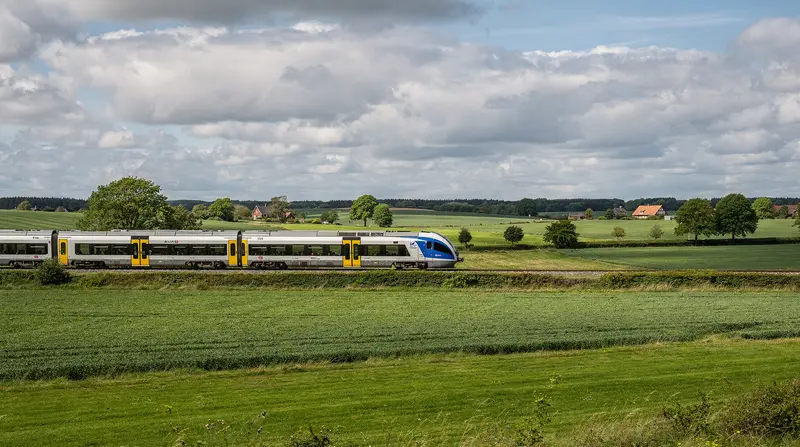
Take the Kystbanen train from Copenhagen Central (or Østerport/Hellerup) towards Helsingør. Trains run every 20 minutes; the journey takes approximately 45 minutes. Exit at Helsingør, then walk 15 minutes to the castle along the waterfront, or take a short bus. Return train fare is approximately 165 DKK. Kronborg entry costs 165 DKK for adults; free with the Copenhagen Card.
| Where | Helsingør, 45 min by train from Copenhagen Central |
| Cost | 165 DKK entry + around 165 DKK return train; free with Copenhagen Card |
| Time needed | 2-2.5 hrs at the castle, half a day including travel |
| Getting there | Kystbanen train, every 20 min, then 12-15 min walk |
| Best time | Before 10:30 in July/August to avoid ticket queues |
Why Kronborg matters beyond Shakespeare
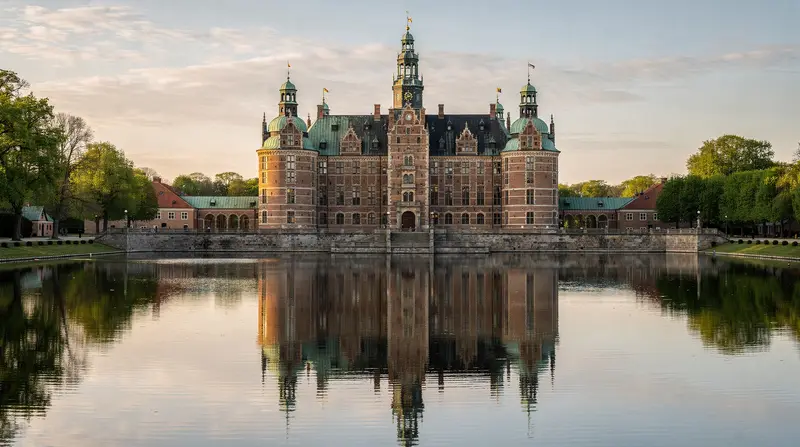
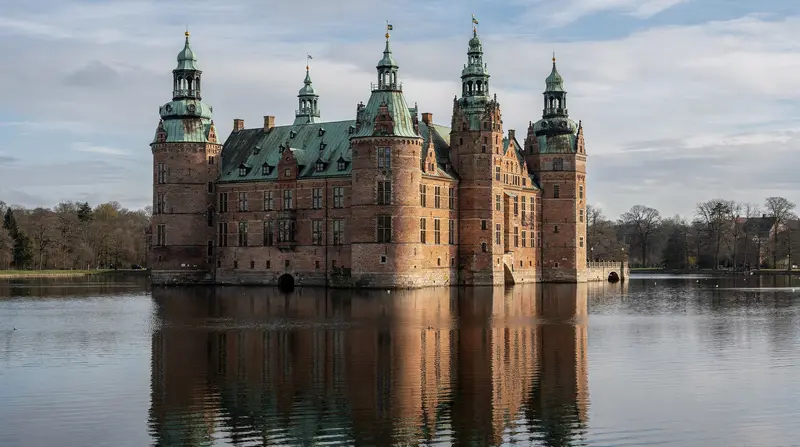
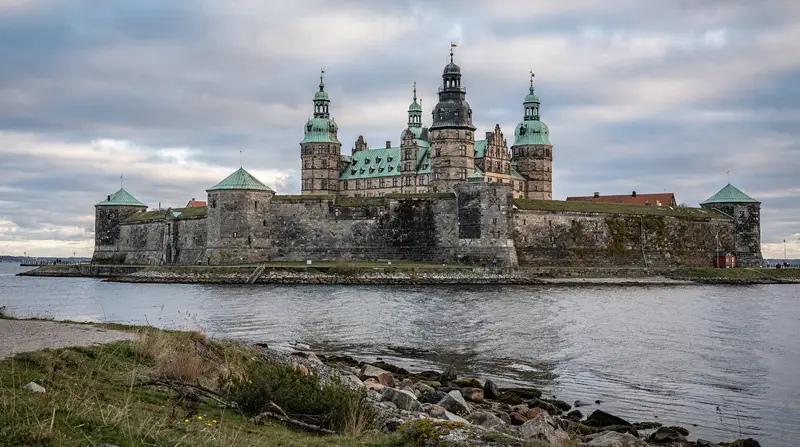
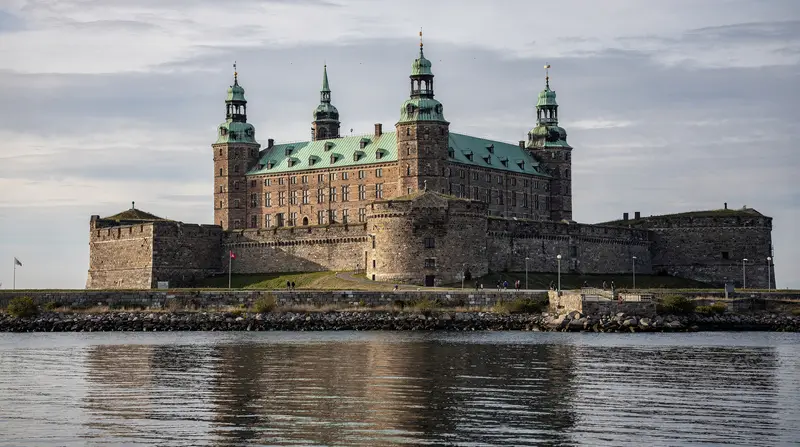
Kronborg Castle in Helsingør is Denmark’s most visited castle — and one of the most recognisable Renaissance buildings in northern Europe. The Hamlet connection is real and well-documented; Shakespeare set his play at ‘Elsinore’ (the anglicisation of Helsingør) around 1600, though he almost certainly never visited. What draws historians beyond the literary fame is the castle’s role in controlling one of the most strategically significant sea passages in the world.
The Øresund strait between Helsingør and Helsingborg (Sweden, 3.7 km away) was the only navigable route between the North Sea and the Baltic Sea. From 1429 until 1857, the Danish crown collected the Sound Toll from every ship passing through — at its peak, this toll generated roughly two-thirds of Danish state revenue. Kronborg was built partly as a toll house and partly as a statement of that power. The castle you see today was built by Frederick II between 1574 and 1585, replacing an earlier fortress called Krogen.
In 2000, UNESCO inscribed Kronborg as a World Heritage Site, citing it as “an outstanding example of a Renaissance castle with unique military architecture” and its “exceptional cultural significance in the history of northern Europe.”
Getting to Kronborg Castle by train
The Kystbanen (Coast Line) train runs from Copenhagen Central (Københavns Hovedbanegård) through Østerport and Hellerup stations before following the North Zealand coast to Helsingør. Trains depart every 20 minutes throughout the day.
Journey time: 45 minutes from Copenhagen Central, 38 minutes from Østerport, 33 minutes from Hellerup.
Return fare (2026 standard): approximately 165 DKK per adult, using a Rejsekort card or purchasing a ticket at the station. Rejsekort saves approximately 20–25% versus per-journey tickets. Copenhagen Card: transport covered.
From Helsingør station to the castle: The castle is approximately 1.2 km from the station. Walk north along the waterfront past the ferry terminal — 12–15 minutes, flat, pleasant. Alternatively, bus 802 connects the station to the castle area. There is no compelling reason to take a taxi.
Tip: Sit on the right side of the train heading towards Helsingør to see the coastline and, later, the castle approaching from the north.
Tickets and opening hours
Entry prices (2026):
- Adults: 165 DKK (~22 €)
- Children 6–17: 85 DKK
- Children under 6: Free
- Copenhagen Card: Covered
Opening hours:
- June–August: 10:00–17:30 daily
- April–May and September–October: 10:00–17:00 daily
- November–March: 11:00–16:00 daily (closed Mondays)
The castle is owned and managed by the Danish Agency for Palaces and Cultural Properties. Opening hours may vary for special events. Check the official Kronborg website before visiting in the shoulder season.
Booking in advance: The Kronborg Castle Entry Ticket can be booked online. In July and August, queue times at the ticket office can reach 20–30 minutes at peak hours (10:30–12:00). Booking ahead eliminates this. Outside of peak season, walk-up purchase at the entrance is fine.
What to see inside Kronborg
The Great Hall
The Great Hall (Riddersalen) is 62 metres long — the largest Renaissance hall in Scandinavia — and would have been used for banquets, receptions, and court functions. It is largely unfurnished today, which makes the scale more apparent, not less. The wooden floor and arched ceiling retain their original structure. This is the room that Hamlet would have known, and the room where many of the play’s court scenes are implicitly set.
The royal chambers
The royal apartments on the upper floors were the private quarters of the Danish royal family when in residence. The rooms follow a typical Renaissance palace layout — an enfilade of increasingly private chambers — with painted ceilings and period furnishings from the 17th and 18th centuries. The queen’s chambers and the king’s study are the most interesting rooms.
The chapel
The castle chapel, consecrated in 1582, is the only part of Kronborg that survived a catastrophic fire in 1629 (which destroyed most of the interior). As a result, it is the most authentically Renaissance space in the castle. The carved wooden pews, the organ (not the original, but sympathetic in period), and the painted ceiling make it among the finest small court chapels in Scandinavia.
The casemates
The casemates are the underground passages and rooms beneath the castle platform — a labyrinthine network of vaulted brick tunnels extending across the entire base of the fortress. They were designed to house soldiers and store ammunition, and were used as a prison in later centuries. They are dark, cool even in summer, and dramatically atmospheric.
The stone statue of Holger Danske sits in the main casemate hall — a large, powerful seated figure, head bowed in sleep. The legend is specific: Holger will wake when Denmark faces mortal danger. The statue was created in 1907 by sculptor Hans Peder Pedersen-Dan, but the legend is far older.
The casemates are lit only by small artificial lights — bring children who like a slight sense of adventure. The passages are extensive and easy to get turned around in, though they are fully signposted.
The ramparts and exterior
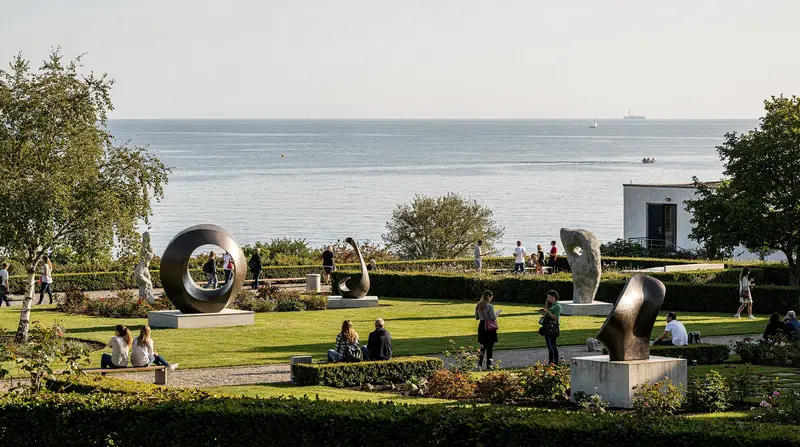
The star-shaped ramparts surrounding the castle are fully walkable and offer views of the Øresund strait in both directions. On a clear day, the Swedish city of Helsingborg is visible across the water. Ferries cross continuously between the two cities — you can see them from the ramparts. The low grass earthworks between the walls give the castle its characteristic exterior silhouette, seen from the harbour approach.
Hamlet at Kronborg: what is real and what is fiction
Shakespeare wrote Hamlet around 1600–1601, setting it at the Danish royal court in ‘Elsinore’. The primary source is likely a Scandinavian legend (Amleth) recorded in Saxo Grammaticus’s Gesta Danorum in the 13th century, not any specific knowledge of Helsingør or Kronborg.
The connections are cultural rather than literal:
- Helsingør/Elsinore was Denmark’s most internationally recognised city in the late 16th century — English merchants and traders passed through regularly on their way to the Baltic.
- Shakespeare’s company included actors who had performed in Denmark at Kronborg itself: Will Kempe and Thomas Pope performed at the castle for Frederik II in 1586.
- The physical descriptions in the play (the battlements, the sentries, the ghost’s appearance at midnight) correspond well to the castle’s actual architecture, even if Shakespeare adapted it.
Kronborg hosts the Hamlet festival and open-air theatre performances most summers, typically in August. International theatre companies perform the play in the castle’s exterior courtyards and on the ramparts. Check the programme via the castle website if this interests you.
Helsingør town: beyond the castle
Helsingør is worth 45–60 minutes beyond the castle visit. The old town (Stengade and the pedestrian streets behind it) has some of the best-preserved medieval and Renaissance street fabric in Denmark outside Copenhagen. Key stops:
Sankt Olai Cathedral (Helsingør Domkirke): Gothic brick cathedral from the 14th century, free entry, quiet and genuinely old. Five minutes from the castle.
Kulturværftet (Culture Yard): The former shipyard on the waterfront has been converted into a library, event space, and café. The reading rooms have views of the castle and the strait. Good for coffee before the train home.
The waterfront: The harbour area between the castle and the ferry terminal has picnic spots and views across to Sweden. In summer this is where locals and tourists congregate after the castle visit.
Guided tours vs DIY: the honest verdict
DIY (recommended for most visitors): The Kystbanen train is reliable, frequent, and straightforward. The castle is well-signposted from the station. The audio guide included with some tickets (or available at entry) covers all the key rooms adequately. Total cost for two adults DIY: ~165 DKK return train tickets × 2 + 165 DKK entry × 2 = ~660 DKK.
Organised tours: Worth considering if you want substantive interpretation of the Hamlet connections, the political history of the Sound Toll, or the casemates. The Helsingør Discovery Tour combines the castle with the town in an organised format. For a combined castle circuit, the Castles of North Zealand Day Tour handles both Kronborg and Frederiksborg with transport included.
Practical information
Address: Kronborg 2C, 3000 Helsingør
Getting there: Kystbanen from Copenhagen Central, journey 45 minutes. Walk 12–15 minutes from Helsingør station.
Entry 2026: Adults 165 DKK, children 6–17: 85 DKK, under 6: free. Copenhagen Card: covered.
Hours: 10:00–17:30 (June–August), 10:00–17:00 (April–May, September–October), 11:00–16:00 (November–March, closed Mondays).
Photography: Permitted throughout the castle interior and grounds.
Accessibility: The outer areas and ramparts are accessible, but some interior stairways and the casemates have limited accessibility. Contact the castle in advance for specific requirements.
Café and facilities: The castle has a café within the grounds. In summer it is busy — consider eating in Helsingør town if you prefer more options.
Combined ticket with Frederiksborg: No combined ticket is officially sold; each castle charges separately. The Copenhagen Card covers both — see the Frederiksborg Castle guide and the North Zealand castles route for combining the two in one day. For the wider set of day-trip options, see day trips from Copenhagen, and check whether the Copenhagen Card is worth it for your itinerary.
Frequently asked questions about Kronborg Castle
Did Shakespeare ever visit Kronborg?
Almost certainly not. There is no documentary evidence of Shakespeare travelling to Denmark. However, his colleagues Will Kempe and Thomas Pope performed at Kronborg for King Frederik II in 1586, fifteen years before Hamlet was written, and may have described the castle to Shakespeare. The play’s setting at ‘Elsinore’ reflects the castle’s fame in English commercial circles rather than personal knowledge.
Is Kronborg Castle the same as Hamlet’s castle?
In the sense that Shakespeare explicitly named Elsinore (Helsingør) as the setting, yes. In the sense of historical reality, the castle existed when the Amleth legend was composed, but the legend itself predates the current Renaissance building. The castle was substantially rebuilt in the 1580s, after the era the legend describes. Kronborg’s claim to Hamlet is cultural and literary, not historical.
Can you see Sweden from Kronborg Castle?
Yes, clearly. The city of Helsingborg, Sweden is 3.7 km across the strait and is visible from the ramparts with the naked eye. On a clear day you can see individual buildings. Ferries cross between the two cities every 20–30 minutes — you can watch them from the castle walls.
Is there a ferry from Helsingør to Helsingborg?
Yes. Stena Line and ForSea operate frequent car-and-passenger ferries between Helsingør and Helsingborg. The crossing takes approximately 20 minutes. For visitors wanting to add Sweden to the day, this is a possible extension — but adds cost and requires currency exchange to Swedish SEK.
Is Kronborg suitable for children?
Yes, particularly for children aged 7 and above. The casemates are the highlight — dark tunnels, the sleeping giant Holger Danske, and a genuine sense of adventure. Younger children may find the interior rooms less engaging. The exterior ramparts and the view of the sea hold attention for all ages.
Frequently asked questions — Kronborg Castle Guide: Hamlet's Elsinore — Tickets, Train & What to See
What is Kronborg Castle famous for?
Kronborg is the fortress that Shakespeare used as 'Elsinore' in Hamlet, making it one of the most symbolically significant buildings in English literature. It is also a UNESCO World Heritage Site (inscribed 2000) and the finest Renaissance fortification in northern Europe — built by King Frederick II between 1574 and 1585 to control shipping through the Øresund strait. At its height, the castle collected tolls from every ship passing between the North Sea and the Baltic.How much does Kronborg Castle cost to enter?
Adults pay 165 DKK (approximately 22 €). Children aged 6–17 pay 85 DKK. Children under 6 are free. The Copenhagen Card covers entry. Tickets can be purchased at the castle entrance or booked online in advance (recommended in July and August to avoid queues). The castle is open year-round with reduced hours in winter.How long should you spend at Kronborg Castle?
Allow 2–2.5 hours to see the main rooms, the casemates, the chapel, and the Great Hall, and to walk the exterior ramparts. Add another 30–45 minutes if you want to explore the surrounding fortifications and the views across the strait. With children, add time for the casemates (genuinely dramatic for older children). A half-day from Copenhagen (including travel) is the right amount of time.Is Kronborg Castle worth visiting without a guide?
Yes. The castle provides an audio guide (available at entry, included in some ticket options) that covers Hamlet, the history of the toll system, the royal chambers, and the casemates. The story of the castle is compelling enough to follow independently. A guided tour adds depth on specific topics — particularly the Hamlet connections, which are more complex than they appear — but is not essential for a satisfying visit.What is Holger Danske and where is the statue?
Holger Danske (Ogier the Dane) is a legendary Danish hero who, according to folklore, sleeps in the casemates beneath Kronborg, ready to awaken if Denmark faces existential danger. A large stone statue of the sleeping Holger sits in the casemates — one of the most atmospheric stops on any visit. The casemates themselves are impressive: dark, low-vaulted passages extending beneath the entire castle platform.Can you combine Kronborg with Frederiksborg Castle in one day?
Yes, but it requires careful timing. Leave Kronborg by 13:00, take the train to Hillerød (approx 45 minutes via Snekkersten), and you arrive at Frederiksborg in time for an afternoon visit before 17:00 closing. You will not have time to explore Helsingør town and do both castles. The North Zealand Castles Route guide covers this circuit in full detail.What is the best time of year to visit Kronborg?
May to September offers the best combination of weather, longer opening hours, and summer events including Shakespeare festivals. July and August are the busiest months — arrive early (before 10:30) to see the main rooms without large crowds. October and November are quiet and the castle's moody atmosphere suits the season. Winter opening hours are reduced, but the castle is open year-round.
Top experiences
Bookable activities with verified prices and instant confirmation on GetYourGuide.