Things to Do in Copenhagen: The Honest Worth-It List
Copenhagen: City Highlights Walking Tour With Local Guide
Duration: 2-2.5 hours
What are the best things to do in Copenhagen?
Tivoli Gardens, Rosenborg Castle's Crown Jewels, a canal cruise from Nyhavn, and cycling the city are the genuine highlights. The Little Mermaid is worth 10 minutes but is often overcrowded. Focus on the city's neighbourhoods and waterways rather than ticking off monuments.
Start with a local-guided city highlights walk — it takes two hours and orients you faster than any map. Then use this guide to decide what actually deserves your remaining time.
Copenhagen rewards people who engage with it rather than simply photograph it. The city has an unusually high ratio of genuinely interesting things per square kilometre — but it also has a few tourist-trap draws that consume time and money without delivering much. This guide ranks the main attractions honestly.
| Genuine highlights | Tivoli, Rosenborg’s Crown Jewels, canal cruise, cycling |
| Cost range | Free (parks, museum) to ~220 DKK (combined tickets) |
| Time needed | 2 days for the core; 3–5 days with a day trip |
| Getting around | Metro, bike rental, or on foot in the compact centre |
| Best time | May–September for weather; December for Tivoli’s Christmas market |
The genuine highlights — Worth It without reservation
Tivoli Gardens
Tivoli is one of those rare attractions that actually exceeds its reputation. Opened in 1843 and the second-oldest amusement park in the world, it sits five minutes from Central Station and manages to feel simultaneously old-fashioned and alive. The gardens themselves — lanterns, flower beds, a lake, and a pantomime theatre — are beautiful regardless of whether you ride anything. The rides range from a genuinely terrifying wooden roller coaster (Rutschebanen, built 1914) to gentle carousels for toddlers.
Entry alone costs 170 DKK (~23 €). Unlimited rides require a separate pass (around 220–260 DKK on top, varying by season). An evening ticket from 19:00 costs less and shows the park at its most atmospheric — 100,000 coloured lights reflected across the water. At Christmas (mid-November to 31 December), the park transforms again, with a market, skating rink, and costumed performers.
Skip Tivoli if you want to avoid theme-park crowds and noise. Go in the evening if you care about atmosphere over rides.
Book Tivoli Gardens entry tickets in advanceRosenborg Castle and the Crown Jewels
Rosenborg is a 17th-century Dutch Renaissance castle standing inside a walled garden (the King’s Garden, free to enter) in the middle of the city. Christian IV built it as a summer residence; it became a museum in 1838 and now houses the Danish Crown Jewels in the basement treasury, along with 500 years of royal artefacts arranged chronologically across three floors.
The Crown Jewels are the reason most people come — the collection includes Christian IV’s coronation crown (1596), Queen Margrethe II’s ruby parure, and the Oldenburg Horn. Admission is 150 DKK (~20 €) for adults; children under 18 free. The King’s Garden around it is one of the best free city parks in Copenhagen, excellent for a picnic.
Rosenborg is more interesting than most royal-palace visits because the rooms are intact and the objects genuinely remarkable rather than generic period furniture. Allow 1.5–2 hours.
Canal cruise
A one-hour canal cruise is the most efficient way to understand Copenhagen’s geography. From Nyhavn or Gammel Strand, boats pass the Christiansborg Palace waterfront, the Opera House, Amalienborg, and the Little Mermaid — all in sequence, with commentary explaining what you’re looking at. Prices start around 110–140 DKK (~15–19 €) for the standard one-hour route.
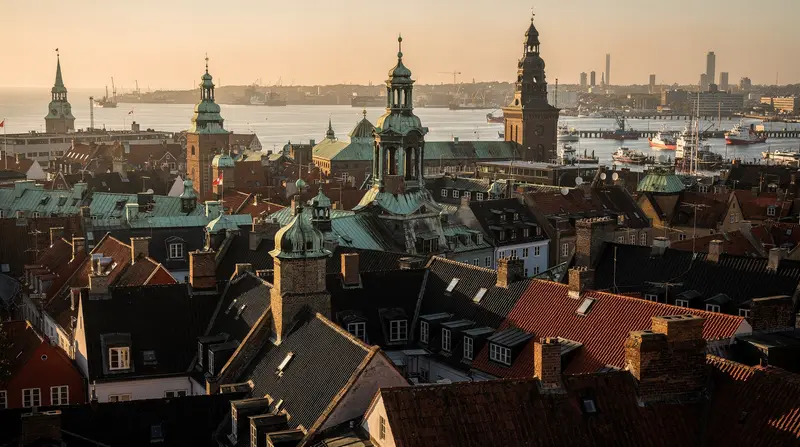
The key advantage over walking: the city opens differently from water level. The copper-clad rooflines, the scale of the harbour, and the relationship between the old city and the sea all read more clearly by boat than on foot. In summer, an open-top boat in good weather is simply a pleasure.
Book the Gammel Strand canal cruise (1 hour, with guide)Nyhavn — correctly timed
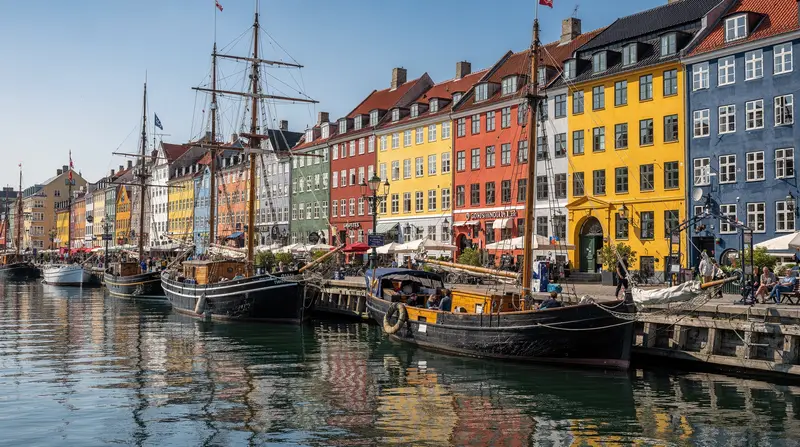
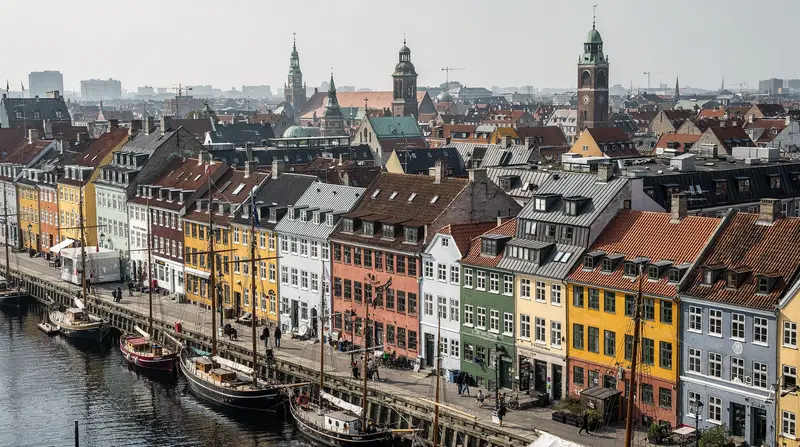
The coloured 18th-century merchant houses at Nyhavn are genuinely photogenic and historically interesting — Hans Christian Andersen lived at three different houses here. But Nyhavn is crowded from 10:00 until evening, and the quayside restaurants charge 180–300 DKK (24–40 €) for meals that cost half as much two streets inland.
The right approach: arrive before 9:00 for photos, walk both sides of the canal (north side is prettier but also sunnier in the morning), have coffee away from the quay, then take your canal cruise from here. Budget 30–45 minutes maximum unless you’re eating.
Worth It — with caveats
Christiansborg Palace
Denmark’s parliament, Supreme Court, and royal reception rooms share this remarkable island palace — the sixth building on the same site since 1167. Three things here genuinely reward a visit:
The Tower (free, open until 22:00 in summer): At 106 metres, it is the highest accessible point in Copenhagen and offers a 360-degree view across the city, harbour, and Øresund — superior to any paid viewpoint. Go here regardless of whether you visit the rest of the palace.
The Royal Reception Rooms: Used by the royal family for state banquets and receptions, these are genuinely grand — the Great Hall has 17 tapestries depicting Danish history. Combined ticket for everything: 220 DKK (~30 €).
The Ruins: Below the current palace you can walk through the foundations of the 1167 castle and the later Bishop’s Palace. Atmospheric and included in the combined ticket.
Skip Christiansborg if you only have one day and have already chosen Rosenborg — they’re similar in character, and Rosenborg’s Crown Jewels are more remarkable.
The Little Mermaid — see it once
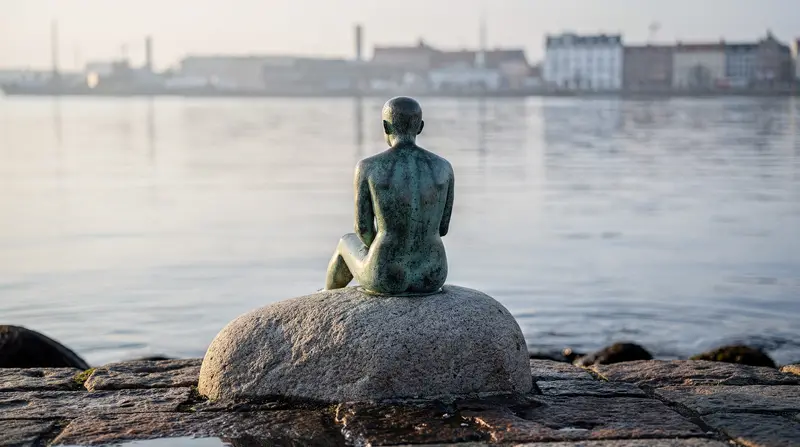
The statue is 1.25 metres tall. On a busy summer day, you’ll share it with hundreds of people and struggle to photograph it without strangers. The walk from Kongens Nytorv takes 25 minutes each way along the waterfront.
That said: it has been sitting in the harbour since 1913 and is genuinely part of the city’s identity. See it once — by canal cruise, or as part of a harbour walk combined with Kastellet fortress (free, the historic star-shaped fortification immediately adjacent). Don’t make it the destination. Allow 10–15 minutes at the statue itself.
Rundetårn (Round Tower)
Built by Christian IV in 1642 as an observatory, the Round Tower is unusual: a 36-metre equestrian ramp spirals up the interior instead of stairs — legend holds that Tsar Peter the Great rode his horse to the top in 1716. The views from the roof cover the old city roofline and are particularly good at dusk. Admission is 40 DKK (~5 €), making it one of the best-value viewpoints in the city. Allow 45 minutes.
Amalienborg and the changing of the guard
The royal palace square is free to visit. The changing of the guard happens daily at 12:00 (noon) when the royal family is in residence — a 30-minute ceremony with the Royal Guard marching through the city from Rosenborg at 11:30. The palace courtyard and the symmetry of the four rococo palaces are worth seeing. Admission to the palace museum is 95 DKK (~13 €); the exterior is free.
Worth It for specific interests
Nationalmuseet (National Museum of Denmark): Free entry, and the collection ranges from Viking Age artefacts to Inuit culture to Egyptian mummies. Allow two hours minimum. One of the best free museums in Scandinavia.
Ny Carlsberg Glyptotek: A private collection of Impressionist paintings (Gauguin, Degas, Toulouse-Lautrec), Mediterranean antiquities, and Danish art, built around a stunning glass-domed winter garden. 125 DKK (~17 €); free on Sundays.
Designmuseum Danmark: The best introduction to Danish and Scandinavian design — from furniture to industrial design. 145 DKK (~19 €). Worth an hour even if design is not your primary interest.
Christiania: The self-proclaimed “free state” in Christianshavn is a 45-hectare alternative community established in 1971. Walking the main drag (Pusher Street) is interesting once; the canal-facing allotment houses on Christiania’s periphery are genuinely beautiful. Enter respectfully and don’t photograph Pusher Street.
Torvehallerne: Two covered market halls near Nørreport with excellent smørrebrød, pastries, fresh produce, and coffee. Not expensive by Copenhagen standards. Go at 10:00–11:00 to avoid lunch queues.
CopenHill (Amager Bakke): A waste-to-energy plant with a ski slope on the roof. Ski, snowboard, or hike the outside of an industrial plant while watching clouds of steam. Unusual enough to be memorable. Ski pass including gear rental available if you want the full experience.
Beyond the checklist: neighbourhoods and day trips
The attractions above cover the sights, but Copenhagen rewards spending unstructured time in its neighbourhoods just as much. Nørrebro has the city’s best independent café and street-art scene; Vesterbro covers the former red-light district turned meatpacking and nightlife hub. Both are a 15–20 minute walk or one metro stop from the centre and give a very different picture of the city than Indre By’s historic streets.
If you have three or more days, a day trip is the single best use of extra time. Roskilde (Viking ships and a UNESCO cathedral, 25 minutes by train) and Kronborg Castle at Helsingør (Shakespeare’s Hamlet setting, 45 minutes by train) are the two most accessible options; the full day trips from Copenhagen guide ranks them against Malmö, Louisiana and the North Zealand castles. For a genuinely honest counterpoint to this list, the things to skip in Copenhagen guide goes deeper on what to avoid and why.
Budget-conscious visitors should also check the Copenhagen on a budget guide — several of the highlights above (the National Museum, the King’s Garden, Christiania) cost nothing at all, and it’s entirely possible to build a rewarding day around free attractions alone.
Cycling — the defining Copenhagen experience
No other city of this size makes cycling feel this effortless. There are 390 kilometres of dedicated bike lanes, properly separated from traffic and pedestrians, with their own traffic lights. Renting a bike for the day costs 100–150 DKK (~13–20 €); several guided bike tours take 2–3 hours and cover more ground than a walking tour.
Join a 3-hour guided highlights bike tour with a localThe practical cycling route for tourists: Central Station → Tivoli → along Vesterbrogade → across Dronning Louises Bro into Nørrebro → along the lakes back south → Nyhavn → the harbour front → Christianshavn → back across the bridge. Approximately 12 kilometres; flat the entire way.
Worth considering — one-day additions
A hop-on hop-off bus or boat makes sense if you have children, mobility issues, or want to visit the Little Mermaid without the 25-minute walk. The combined bus and boat pass (24 hours) covers the main sights along both routes.
Compare hop-on hop-off options for CopenhagenThe Copenhagen Card covers 80+ attractions plus unlimited metro and bus travel. It pays off if you plan to visit Tivoli, Rosenborg, the National Museum, Glyptotek, and take the metro several times — in that case the savings are real. It does not include every canal cruise; check before purchasing.
Calculate whether the Copenhagen Card saves you moneySkip these
Ripley’s Believe It or Not: Overpriced, not specific to Copenhagen, and a poor use of 145 DKK when real Danish museums cost the same or less.
The wax museum at Rådhuspladsen: Dated, expensive, and a direct substitute for actual experiences.
Quayside restaurants at Nyhavn: Not technically an attraction, but listed here because many visitors budget half a day and a significant portion of their food budget here. Walk two streets inland and pay half as much for better food.
The Little Mermaid as a sole destination: As discussed — see it en route, not as the reason for a 50-minute round trip.
Practical orientation
Transport: Copenhagen’s metro (M1-M4) is clean, frequent, and covers most tourist areas. A single ticket costs 26 DKK (~3.50 €); a 24-hour unlimited pass is 80 DKK (~11 €). The airport metro (M2) runs directly to the city centre in 15 minutes. Fine for riding without a ticket: 750 DKK — inspectors check regularly.
Neighbourhoods: The city is compact. Indre By (old town) is the centre; Nyhavn and Frederiksstaden (where Amalienborg sits) are 10 minutes east on foot. Vesterbro and Frederiksberg are 15–20 minutes west. Nørrebro is north across the lakes. Everything is walkable or one metro stop away.
Money: Denmark uses the Danish krone (DKK). 7.46 DKK = 1 €; 5.42 DKK = 1 USD (approximate, June 2026). Most places accept cards with no issue — cash is increasingly uncommon even at market stalls.
Weather: Copenhagen’s best months are May through September. July averages 20–22°C with long daylight hours (sunset after 21:30 in June). Winter is grey and cold but Tivoli’s Christmas market makes November–December rewarding in a different way.
How to structure your time
One day: Canal cruise or city walking tour in the morning, Nyhavn briefly, Rosenborg Castle in the afternoon, Tivoli in the evening.
Two days: Day 1 as above. Day 2: Bike tour in the morning, Christiansborg Tower, Christianshavn on foot, Torvehallerne lunch, Designmuseum Danmark or Glyptotek in the afternoon.
Three days: Add a day-trip — Kronborg Castle at Helsingør (45 minutes by train) or the Viking Ship Museum at Roskilde (25 minutes by train).
For a detailed one-day plan, see the Copenhagen in one day guide.
Frequently asked questions about things to do in Copenhagen
What is the single best thing to do in Copenhagen?
There is no single best — the city is genuinely multi-layered. For first-timers: a canal cruise gives you the fastest orientation. For those with two or more days: Tivoli Gardens in the evening and Rosenborg Castle’s Crown Jewels on the same trip represent the two experiences that are genuinely unlike anything in other European cities.
Is Copenhagen better explored by foot, bike, or metro?
By bike, if you are comfortable cycling — the infrastructure is exceptional and you cover more ground than on foot without losing the street-level experience. On foot for the central neighbourhoods. The metro is necessary for the airport and useful for outer suburbs, but the centre is small enough to walk end-to-end in 45 minutes.
When is the best time to visit Copenhagen?
June and September hit the best balance: summer temperatures without the peak-July crowds. May is excellent for the gardens. December is worth considering specifically for Tivoli’s Christmas season. February is the least rewarding month — cold, dark, and few seasonal events.
Can you do Copenhagen on a budget?
Yes, more than most visitors expect. The National Museum is free. The King’s Garden (Rosenborg park) is free. Christiania is free to walk. The Rundetårn costs only 40 DKK (~5 €). A picnic from Torvehallerne costs less than any restaurant. Cycling instead of taxis saves significantly. The main costs are accommodation and alcohol — both genuinely expensive.
What is the Copenhagen Card and is it worth buying?
The Copenhagen Card includes entry to 80+ attractions (Rosenborg, Nationalmuseet, Glyptotek, Designmuseum, Tivoli discounted) plus unlimited public transport for 24, 48, 72, or 120 hours. It saves money if you are doing four or more paid attractions in the covered period. For a one-day visitor doing only one or two sights, individual tickets work out cheaper.
What is smørrebrød and where should I try it?
Smørrebrød is the traditional Danish open-faced rye-bread sandwich — dense rye bread topped with combinations such as pickled herring with raw onion and capers, roast beef with remoulade, or liver pâté with cucumber. It is the defining Copenhagen lunch. Torvehallerne market (Nørreport) and Café Halvvejen in Vesterbro serve excellent versions at reasonable prices. Avoid the tourist-priced smørrebrød platters at Nyhavn.
How do I get between sights efficiently?
Walk between Nyhavn, the Marble Church, Amalienborg, and the Little Mermaid — it is a logical 45-minute loop. Take the metro one stop from Kongens Nytorv to Nørreport for Rosenborg and Torvehallerne. Cycle or take the metro to reach Vesterbro and Nørrebro. Everything in the old town (Christiansborg, Rundetårn, Nationalmuseet) is walkable within 15 minutes of each other.
Frequently asked questions — Things to Do in Copenhagen: The Honest Worth-It List
How many days do you need in Copenhagen?
Two full days covers the core sights comfortably. Three days lets you add a day-trip to Kronborg or Roskilde. Four to five days allows Tivoli properly, a bike day, and a canal cruise without rushing.Is Copenhagen expensive?
Yes — it consistently ranks among Europe's priciest cities. Budget 500–800 DKK (67–107 €) per person per day for mid-range activities, meals, and transport. Beer in a bar costs 70–100 DKK (9–13 €). A Copenhagen Card can save money if you plan to visit 4+ paid attractions.What is the best free thing to do in Copenhagen?
Walking Nyhavn, cycling the harbour front, visiting the Marble Church courtyard, and watching the changing of the guard at Amalienborg are all free. The National Museum of Denmark is free for all visitors.Is the Little Mermaid worth visiting?
Briefly. The statue is smaller than most people expect, and the walk from the city centre takes 20–25 minutes each way. It earns its place on a first visit but shouldn't anchor your schedule. Go early morning or approach by canal cruise to avoid crowds.What is the best neighbourhood to explore on foot?
Nørrebro for local atmosphere, street art, and independent cafés. Vesterbro for the meatpacking district and craft beer. Christianshavn for canals and Christiania. Indre By for historic architecture and Strøget without the tourist trap prices.Is a hop-on hop-off bus worth it in Copenhagen?
Only if mobility is a concern. The city centre is very walkable and cycling is even better. The bus is useful for reaching Amalienborg, the Little Mermaid, and Frederiksberg without metro changes.What should I skip in Copenhagen?
The overpriced quayside restaurants at Nyhavn, Ripley's Believe It or Not (poor value), and any 'Danish buffet' tour aimed at cruise passengers. The Little Mermaid alone as a destination is also skippable if time is tight.
Top experiences
Bookable activities with verified prices and instant confirmation on GetYourGuide.
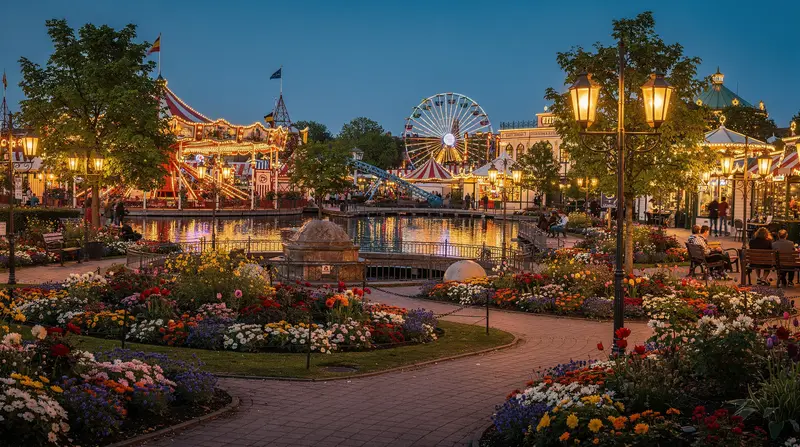
Copenhagen: Tivoli Gardens Entry Ticket
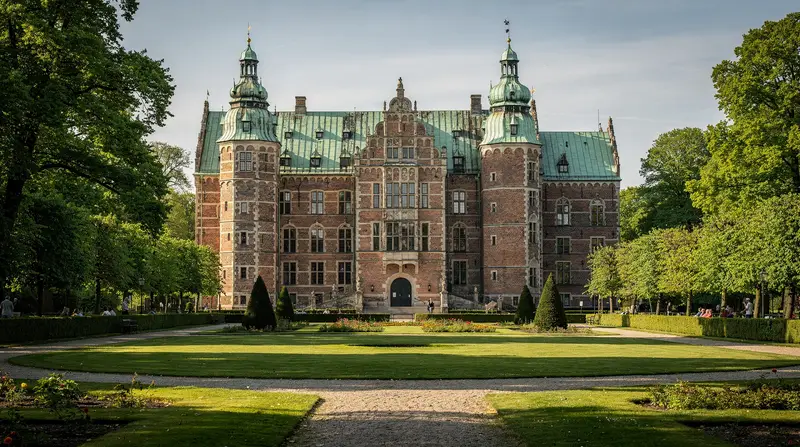
Copenhagen: Rosenborg Castle Tour with Skip-the-Line Ticket
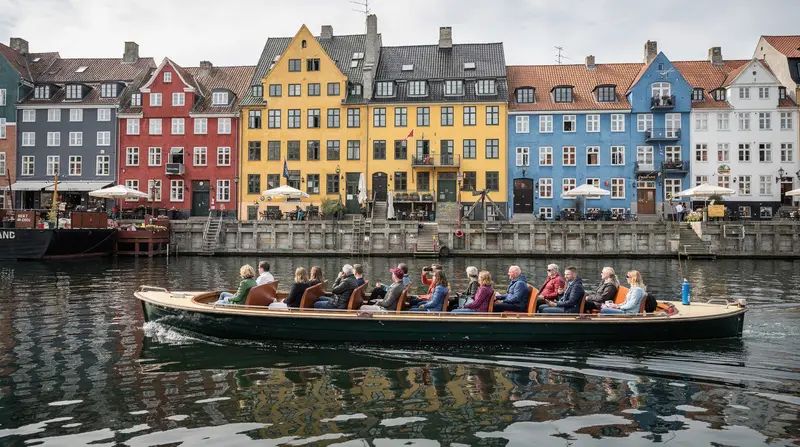
Copenhagen: Canal Cruise with Guide

Copenhagen: City Sightseeing Hop-On Hop-Off Bus Tour
Copenhagen Card: Access 80+ Attractions and Transportation
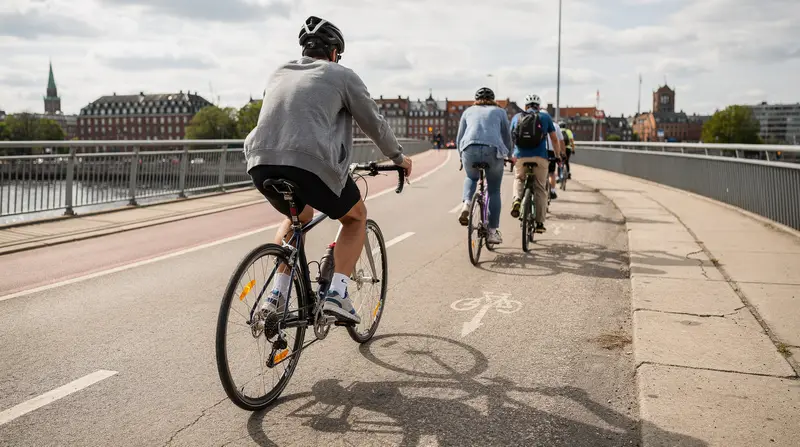
Copenhagen: Highlights 3-Hour Bike Tour with a Local Guide