Copenhagen on a Budget: Free Attractions, Cheap Eats and Real Savings
Copenhagen Card: Access 80+ Attractions and Transportation
Can you visit Copenhagen on a budget?
Yes, with planning. A realistic budget traveller can manage 700–900 DKK per person per day (accommodation + food + transport + one paid attraction) if they use hostels, eat at bakeries and food markets, cycle or walk instead of always using the metro, and prioritise free attractions. That is roughly €95–120 per person per day — still not cheap by global standards, but well below the city's mid-range average of 1 200–1 800 DKK.
The honest starting point
Copenhagen is expensive. This is not a misperception — the city consistently ranks in the top five most expensive in Europe. A draught beer in a bar costs 70–100 DKK (€9–13). A sit-down lunch for one person runs 150–250 DKK (€20–34). A mid-range double hotel room costs 900–1 600 DKK (€121–215) per night.
But there are layers. Copenhagen also has more free attractions than most European capitals. Its food market culture (Torvehallerne, Reffen) offers genuine quality at lower prices than restaurants. And the city’s infrastructure — excellent cycling, walkable neighbourhoods — means you can eliminate a significant chunk of transport cost if you plan for it.
This guide is not about pretending Copenhagen is cheap. It is about spending what you actually need to spend and not a krone more. For the full breakdown of what an average trip actually costs, see the Copenhagen trip cost guide; if you’re still deciding whether the city is worth the price at all, is Copenhagen expensive? tackles that question directly.
| Realistic daily budget | 700–900 DKK per person (accommodation + food + transport + 1 attraction) |
| Cheapest free sights | Nyhavn, Kastellet, King’s Garden, Superkilen, harbour baths |
| Cheapest hot meal | Pølsevogn hot dog, 40–60 DKK |
| Best value paid pass | Copenhagen Card, only if visiting 4+ paid attractions in a day |
| Cheapest season | January–March, hotel prices 40–50% below July peak |
Free attractions in Copenhagen
Always free
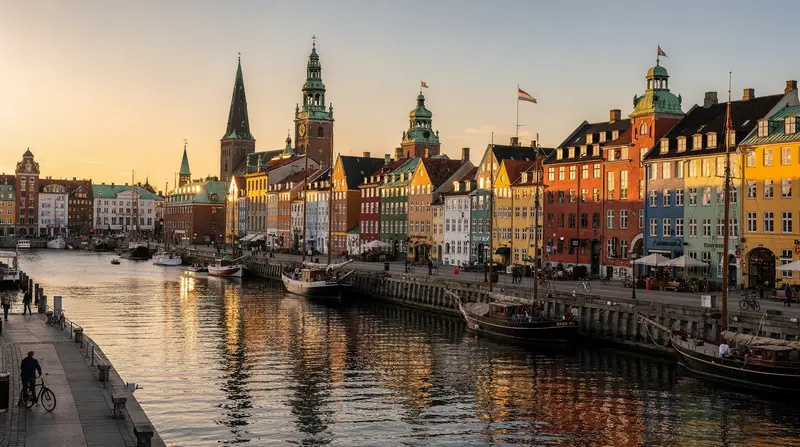
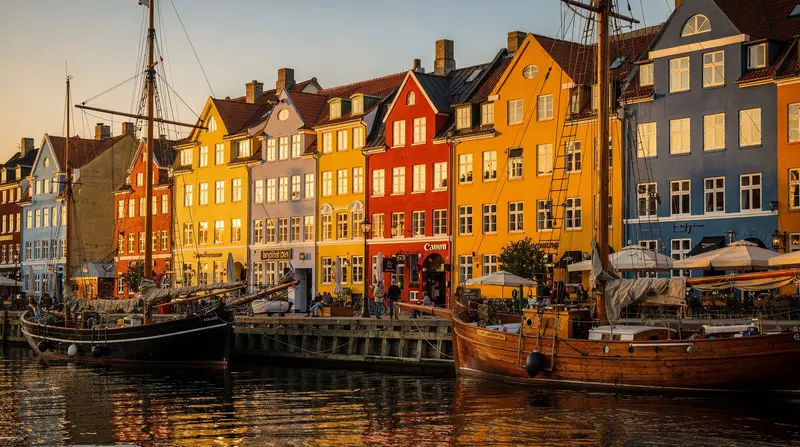
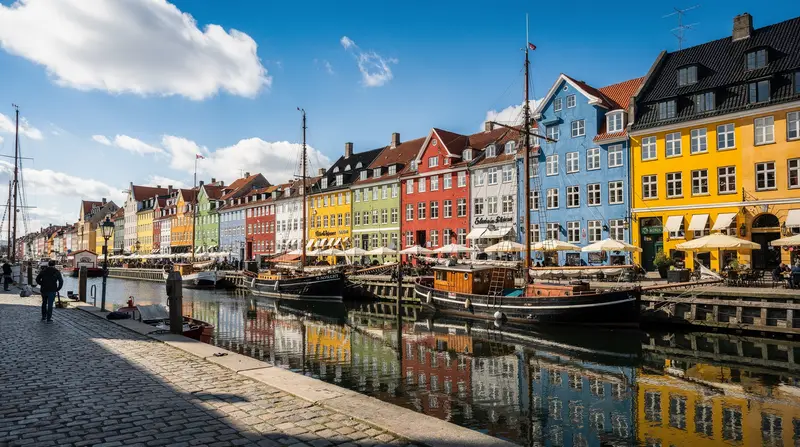
Nyhavn — The iconic coloured townhouses along the canal are a public space. The photo opportunity, the atmosphere, and the canal walk are all free. The restaurants lining the canal are not free and are not recommended anyway. Arrive before 9 am for the best photos without crowds.
Amalienborg Palace and changing of the guard — The four identical palace buildings of the royal family’s winter residence are accessible on foot. The changing of the guard happens daily at noon and is free to watch from the palace square.
Kastellet — The star-shaped 17th-century citadel (one of the best-preserved in northern Europe) is a public park. Walk the ramparts, see the windmill and the church, and access the path to the Little Mermaid statue (the statue itself is free, and exactly as small and anticlimactic as everyone says).
King’s Garden (Kongens Have) — The oldest royal garden in Denmark, surrounding Rosenborg Castle. Free to enter and wander. Popular with locals for picnics.
Botanical Garden (Botanisk Have) — Beautiful Victorian greenhouses and landscaped grounds. Free entry to the outdoor gardens; a small fee for some greenhouse sections.
Superkilen — Nørrebro’s politically ambitious public park with objects donated by the neighbourhood’s 57 nationalities of residents. Free, and genuinely interesting.
Frederiksberg Gardens — Expansive English landscape garden in the Frederiksberg district. Lakes, a canal, and a Chinese summerhouse. Free and uncrowded.
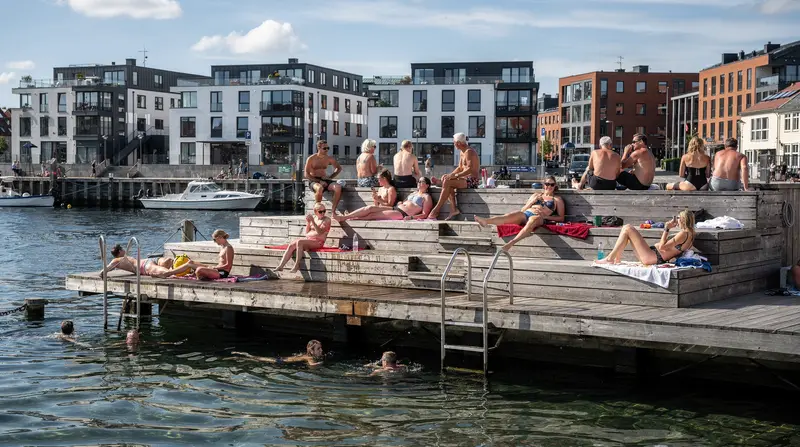
Harbour baths (Islands Brygge Havnebadet) — Open-air swimming pools in the harbour, open June to August. Free to use. Genuinely one of the city’s best summer experiences.
Christiansborg Palace tower — The viewing tower of Christiansborg has a free viewing platform accessible during opening hours. Best 360° view in the city.
Gefion Fountain — Large Nordic mythology fountain near Kastellet. Free.
Museums with free entry (specific times)
| Museum | Free access |
|---|---|
| National Museum of Denmark | Every Sunday (normally 95 DKK) |
| SMK National Gallery of Denmark | Tuesdays, permanent collection (normally 135 DKK) |
| Glyptotek | Tuesdays (normally 110 DKK) |
| Cisternerne | Check website — occasional free weeks |
| Copenhagen City Museum | Always free |
If you can visit on a Sunday, combining the National Museum (free) with the King’s Garden and Nyhavn produces a full free morning. The best museums in Copenhagen guide has the fuller list if you want to plan a free-days museum crawl.
Cheap food in Copenhagen
Hot dog carts (pølsevogn)
The pølsevogn is Denmark’s great budget institution — an orange-and-white cart selling rød pølse (boiled red sausage) and French hot dogs in a baguette. Price: 40–60 DKK. The condiment setup (crispy onions, cucumber slices, Danish mustard and ketchup) is part of the ritual. AMA is one of the best-known city-centre carts. Budget travellers should eat here at least once.
Bakeries
Copenhagen’s bakery scene is world-class and affordable by city standards. A kanelsnegl (cinnamon snail/roll) costs 35–55 DKK at a proper bakery. A wienerbrød (Danish pastry) 35–50 DKK. A rugbrød sandwich (smørrebrød from a bakery counter) 50–90 DKK. Visit Andersen Bakery, Meyers Bageri or any neighbourhood bakery rather than airport-style chains.
Bakery breakfast tip: Instead of paying 100–200 DKK per person for hotel breakfast, walk to the nearest bakery — 5 minutes in any central neighbourhood — and spend 60–90 DKK on a proper Danish breakfast.
Torvehallerne food market
The covered food market at Nørreport has 60+ stalls, from fish and fresh produce to prepared smørrebrød, freshly made pasta, and excellent coffee. This is the best balance of quality and price for a sit-down meal: budget 100–200 DKK per person for a satisfying lunch. Avoid peak lunchtime (12:00–13:30) when it fills with office workers. The Torvehallerne market guide covers which stalls are worth queuing for.
Supermarket smørrebrød
Netto, Fakta and Bilka supermarkets sell pre-made smørrebrød for 30–60 DKK — not artisan quality, but perfectly decent for lunch on the move. Supermarkets also have salad bars and hot food counters. The Netto near Nørreport station is a good reference point.
Reffen street food market
On Refshaleøen (harbour island, accessible by bus or boat), Reffen has 50+ street food containers with international and Nordic dishes from 80–130 DKK per plate. Not the cheapest in the city but good quality and atmosphere. Open May–September. Free entry to the market. Full details, including how to get there and what to order, are in the Reffen street food guide.
Budget lunch rule
Avoid: Any restaurant in Nyhavn, on Strøget, or with a laminated menu with photos — these are priced 30–60% above comparable quality elsewhere. Eat: One street off any tourist route, at food markets, or in Vesterbro and Nørrebro neighbourhood restaurants.
Cheap transport
Walk
The city centre is walkable in full. Nyhavn to Tivoli is 25 minutes on foot. Rosenborg to Christiansborg is 20 minutes. If your accommodation is in Vesterbro or Indre By and your sightseeing stays in the historic core, you could spend 2 days without any transport cost.
Cycle
Renting a bike from Baisikeli (100–200 DKK/day) is the smartest budget move for a longer stay. It eliminates most metro costs and speeds up inter-neighbourhood movement. Copenhagen’s cycling infrastructure is genuinely safe for tourists — segregated lanes throughout the centre. See the bike rental guide for where to hire and the bike vs metro comparison if you’re deciding which to rely on.
Metro: use the 24-hour pass
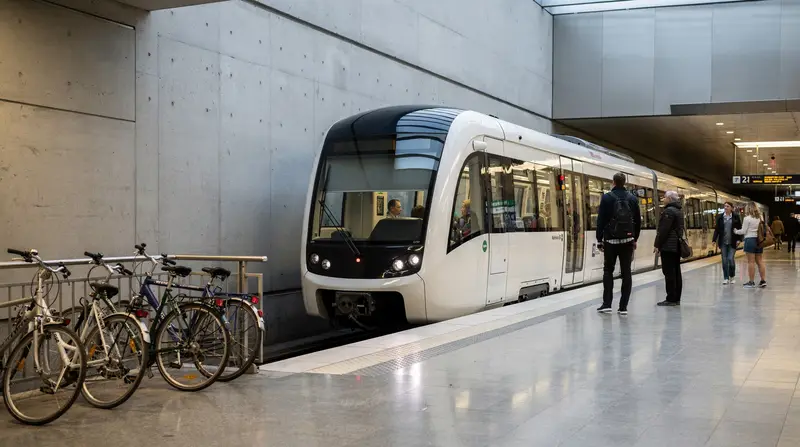
A single metro ticket is 26 DKK. The 24-hour pass is 160 DKK — it pays off after 7 trips. The 72-hour pass (300 DKK) is better value for a 3-day trip. The Copenhagen Card includes unlimited transit, but you need to be visiting enough paid attractions to justify the overall cost.
The Copenhagen Card for budget travellers
The Copenhagen Card (80+ attractions + unlimited transport) costs 679 DKK for 24 hours per adult. It includes Rosenborg Castle (130 DKK), Christiansborg Palace (110 DKK), National Museum (95 DKK), Glyptotek (110 DKK), Tivoli (~200 DKK), the Blue Planet Aquarium, Cisternerne, Designmuseum, and unlimited metro/bus/S-tog.
The maths for a single heavy day:
- Rosenborg: 130 DKK
- Christiansborg: 110 DKK
- Glyptotek: 110 DKK
- Tivoli: ~200 DKK
- 6 metro trips: 156 DKK
- Subtotal: 706 DKK
The 24h card at 679 DKK saves you 27 DKK in this scenario — modest. But if you also add the National Museum (95 DKK, unless it is Sunday), or the Blue Planet (179 DKK), the card becomes clearly worthwhile.
When to skip it: If more than half your day is free sights, food markets, and neighbourhood walking, the card probably does not pay off. Calculate your specific plan.
Budget accommodation
Hostels
Copenhagen has good hostel options. Private rooms at well-regarded hostels (Generator Copenhagen, Steel House Copenhagen) cost 700–1 000 DKK per night — still expensive by global standards, but considerably below hotel pricing.
Dorm beds start at 200–350 DKK per person per night.
Timing
Visiting in January, February, March or November cuts hotel prices 40–50% versus July peak. A mid-range hotel at 1 800 DKK/night in July may be 950 DKK in February. For budget travellers with flexible dates, this is the single largest cost lever available.
Booking platforms
Book direct or through major platforms (Booking.com, Hotels.com). Avoid hotel concierge-booked tours or packages — these carry significant markups.
Sample budget day in Copenhagen (per person)
| Item | DKK |
|---|---|
| Hostel dorm (per night, amortised) | 250 |
| Bakery breakfast (coffee + pastry) | 75 |
| Torvehallerne lunch (smørrebrød + drink) | 150 |
| Hot dog snack from pølsevogn | 50 |
| Supermarket dinner supplies | 120 |
| Metro 24h pass | 160 |
| National Museum (Sunday = free) | 0 |
| King’s Garden (free) | 0 |
| Nyhavn walk (free) | 0 |
| Beer at a neighbourhood bar | 85 |
| Total |
This is a legitimate day: proper breakfast, a good market lunch, a hot dog, home-cooked dinner from a supermarket, the city’s best free museum, and one beer in a local bar. Not austerity — just intentional.
For mid-range travellers spending more freely (restaurant dinner, two paid attractions, hotel rather than hostel), budget 1 400–1 800 DKK per person per day.
Budget-friendly neighbourhood guide
Where you spend time in Copenhagen affects your daily costs significantly. Some neighbourhoods are built for tourist spending; others function at local prices.
Nørrebro: the genuine budget neighbourhood
Nørrebro is where Copenhagen’s independent culture lives. Cafés here charge local prices — a coffee is 40–55 DKK rather than the 60–70 DKK you pay in Indre By. Restaurants on Jægersborggade and Stefansgade are where local workers eat lunch: 80–130 DKK for a real meal rather than a tourist sandwich. The Nørrebro neighbourhood guide has a fuller street-by-street breakdown.
The Assistens Cemetery (where Hans Christian Andersen and Søren Kierkegaard are buried) is a public park used by locals for picnics and jogging — free, unvisited by most tourists, and remarkably peaceful.
Vesterbro: budget eating without sacrifice
The Meatpacking District (Kødbyen) can be expensive in the evenings, but Vesterbro’s residential streets — particularly Istedgade and Enghavevej — have neighbourhood restaurants at non-tourist prices. The covered food hall Kødbyens Mad & Marked hosts local vendors at reasonable prices.
Bagel Co. and Andersen Bakery branches in Vesterbro provide budget breakfast. Fakta and Netto supermarkets are on every other block.
Christianshavn: free walks and cheap eats
The canal walks of Christianshavn are free and genuinely beautiful. Christiania (the autonomous commune) has a low-priced food stall area (Pusher Street food stands: 60–90 DKK for a meal). The Church of Our Saviour’s exterior spiral staircase (118 DKK) is worth the entry if you want a budget paid attraction.
Free events and cultural programming
Copenhagen has a strong tradition of free public culture. Budget travellers can access significant programming at no cost:
Copenhagen Jazz Festival (early July): 10 days, 900+ concerts, hundreds of which are free outdoor performances across the city — Kongens Nytorv, Tivoli grounds, neighbourhood venues, waterfront. This is one of the best free cultural events in Europe.
Distortion Festival (early June): 5-day street festival across Copenhagen’s neighbourhoods. Street parties are free; club nights require tickets. The daytime street programming is one of the city’s most vibrant free events.
Harbour swimming (June–August): Islands Brygge Havnebadet is a free public facility with multiple pools in the harbour. Genuinely world-class infrastructure at zero cost.
Free museum Sundays/Tuesdays: National Museum (Sunday), Glyptotek (Tuesday), SMK National Gallery (Tuesday). These are the three largest and best museums in the city — all accessible free on specific days.
Outdoor cinema (summer): Several parks host outdoor film screenings in summer. Follow Copenhagen culture listings (kk.dk) for specific dates and locations.
Changing of the guard at Amalienborg: Daily at noon, free to observe from the palace courtyard.
Budget dining: a practical restaurant guide
The sandwich standard
The Danish smørrebrød tradition creates a legitimate budget dining category. A proper open-faced sandwich at Torvehallerne costs 90–130 DKK. The same item at a sit-down smørrebrød restaurant (Aamanns, Schønnemann) costs 180–300 DKK. The quality difference is real, but the Torvehallerne version is genuinely good.
The pizza benchmark
As in most European cities, pizza is the reliable mid-range budget option. Copenhagen has several Nordic-style pizza restaurants (Bæst in Nørrebro, Gorm’s) where a pizza runs 140–180 DKK — large, filling, and good quality. Less interesting than Danish food but reliably affordable.
The ethnic food category
Nørrebro’s diverse demographics mean authentic international food at lower prices than tourist-zone equivalents. Middle Eastern restaurants on Blågårdsgade and Nørrebrogade offer falafel, kebabs and hummus plates for 80–120 DKK. Asian restaurants (Vietnamese, Thai, Chinese) in the same area run 100–150 DKK for a main.
When a restaurant dinner is worth it
For a budget traveller, one sit-down dinner at a proper neighbourhood restaurant is worth allocating 350–450 DKK per person — specifically for a traditional Danish meal (smørrebrød, herring, pork roast) at a place that does it well. Schønnemann for lunch and Kronborg for traditional Danish are two options. This is an experience rather than a caloric necessity — plan one of these rather than several mediocre ones.
Money-saving apps and habits worth adopting
A handful of small habits compound into real savings over a multi-day trip. The DOT (Din Offentlige Transport) app sells the same metro and bus tickets as the machines but lets you check journeys before committing to a 24h pass — useful if you’re unsure whether you’ll hit the 7-trip break-even point. The Too Good To Go app lists unsold bakery and restaurant surplus at 30–50% of retail price, and Copenhagen has a genuinely active seller base, particularly for bakery pastries near closing time.
Supermarket loyalty isn’t necessary, but which chain you use matters: Netto and Fakta run 10–15% cheaper than Irma or the Metro-station convenience stores for identical staples. If your accommodation has a kitchen or even just a kettle, a supermarket breakfast and one home-assembled dinner per day, alternated with market or bakery meals, is the single biggest lever for a multi-day stay — it can cut total food spend by close to half compared with eating out for every meal.
How Copenhagen compares to other Nordic capitals
Budget travellers often ask whether Copenhagen is worth visiting on the same trip as Stockholm or Oslo, given the region’s reputation for cost. The honest answer: Copenhagen is mid-pack among Nordic capitals, not the cheapest and not the most expensive.
| City | Daily budget (frugal) | Cheapest transport lever |
|---|---|---|
| Copenhagen | 700–900 DKK (~€95–120) | Bike rental, free museums Sun/Tue |
| Stockholm | 750–950 SEK (~€65–85) | Metro day pass, free parks |
| Oslo | 900–1 100 NOK (~€75–95) | Ruter travel card, packed lunches |
| Amsterdam | €70–95 | Bike rental, free canal walks |
Copenhagen’s advantage over Stockholm and Oslo is its cycling infrastructure — a rented bike genuinely replaces most public transport spending here in a way it does less reliably in the other two. If you’re weighing a multi-city Nordic trip, the Copenhagen vs Stockholm guide breaks down the comparison in more depth, including which city gives better value for a short stay.
A cheaper alternative: day-trip instead of overnighting everywhere
One underused budget lever: rather than adding expensive overnight stays in Malmö or Lund, do them as day trips from Copenhagen. The train to Malmö takes about 35 minutes and costs a fraction of a second hotel night — see the Copenhagen to Malmö train guide for the exact fares and schedule. This keeps your accommodation cost to a single city while still adding a second country to the trip.
Frequently asked questions about visiting Copenhagen on a budget
What is the cheapest month to visit Copenhagen?
January and February offer the lowest hotel prices — often 40–50% below July peak for equivalent rooms. March and November are also good value. Avoid Easter weekend regardless of season — prices spike across all accommodation tiers.
Can you eat well in Copenhagen on a budget?
Yes — better than in many expensive cities. The bakery culture, food market scene (Torvehallerne, Reffen), and hot dog cart tradition provide genuinely good eating at 50–150 DKK per meal. The quality of a proper Danish bakery pastry, a pølsevogn hot dog, or a fresh smørrebrød at Torvehallerne can be excellent even at budget prices.
Are there free walking tours in Copenhagen?
Yes — several free (tip-based) walking tours run daily in Copenhagen. Sandeman’s New Europe and local alternatives run morning tours from Rådhuspladsen (City Hall Square). These are a good budget option for orientation, but quality varies by guide. The tip expectation is 100–150 DKK per person — less than a paid tour but not free in practice.
How much does beer cost in Copenhagen?
In a bar: 70–100 DKK for 0.5L draught. In a supermarket: 15–25 DKK per can. Restaurant beer is 60–90 DKK for 0.33L. For budget travellers, supermarket beer consumed in the King’s Garden or on a canal bench is a legitimate and locally common option.
Is it worth buying a Copenhagen Card on a budget trip?
Only if you plan a genuinely packed day of paid attractions. Calculate your specific itinerary: add up individual entrance fees plus metro costs, then compare to the card price. If you are visiting on a Sunday (National Museum free) and Tuesday (Glyptotek and SMK free), the card’s value diminishes significantly. Many budget visitors skip it and buy individual tickets only for the sights they prioritise.
What are the worst money traps for budget travellers in Copenhagen?
In order: hotel breakfast (80–200 DKK per person — go to a bakery instead), eating in Nyhavn (premium 30–50% over comparable quality elsewhere), airport bureau de change (use ATMs or your card), branded souvenir shops on Strøget (identical items at double the market price), and taxis (always 3–4× more than the metro for the same journey).
Frequently asked questions — Copenhagen on a Budget: Free Attractions, Cheap Eats and Real Savings
What free attractions does Copenhagen have?
More than most visitors expect: Nyhavn (exterior, free), Amalienborg changing of the guard (free), Kastellet fortress (free), Botanical Garden (free), King's Garden (free), Superkilen park in Nørrebro (free), harbour baths (free June–August), many national museums free on Sundays. Christiansborg's tower has a free viewing platform.What is the cheapest food in Copenhagen?
Hot dogs from a pølsevogn cart (40–60 DKK), bakery pastries and kanelsnegl (35–55 DKK), supermarket smørrebrød from Netto or Fakta (30–60 DKK), and Torvehallerne food market (80–150 DKK for a decent meal). Avoid all restaurants in Nyhavn and Strøget tourist zones.Is the Copenhagen Card worth it on a budget trip?
It can be — but only if you visit 4+ paid attractions per day. If you are mixing paid attractions with mostly free sights, calculate your specific plans. The 24h card at 679 DKK needs to cover at least Rosenborg (130 DKK) + Christiansborg (110 DKK) + National Museum (95 DKK, or free Sunday) + Tivoli (~200 DKK) + metro trips to break even.When are museums free in Copenhagen?
The National Museum of Denmark is free every Sunday. The Glyptotek is free on Tuesdays. SMK National Gallery is free on Tuesdays for permanent collection. Many smaller city museums have specific free hours — check individual museum websites. Rosenborg and Christiansborg do not have free days.How do I get around Copenhagen cheaply?
Walk or cycle. The city centre is very walkable; renting a bike costs 100–200 DKK/day but eliminates most metro fares. If using the metro, a 24-hour transit card costs 160 DKK versus 26 DKK per single trip — the 24h card pays off after 7 journeys. Avoid taxis.What should I avoid to keep costs down in Copenhagen?
Eating in Nyhavn (50–100 DKK premium per dish versus 2 streets away), hotel breakfast (typically 100–200 DKK per person — go to a bakery instead), airport exchange booths, any tour sold by hotel concierges at a premium, and the overpriced café inside Tivoli Gardens.
Top experiences
Bookable activities with verified prices and instant confirmation on GetYourGuide.