Bike vs Metro in Copenhagen: How to Actually Get Around
Should I use a bike or the Metro to get around Copenhagen?
For most tourists on a 3–5 day visit, the answer is both. The bike is better for daytime sightseeing between central neighbourhoods — it is faster, cheaper, and lets you absorb the city. The Metro is better for longer cross-city journeys, airport connections, night travel, and bad weather. A hybrid approach (hire bike for daytime, Metro pass for evenings and rain) costs less than either option alone used exclusively.
Copenhagen’s transport reality
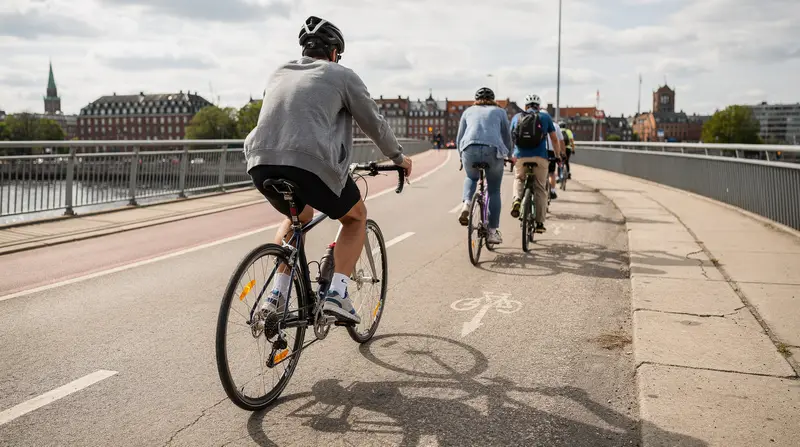
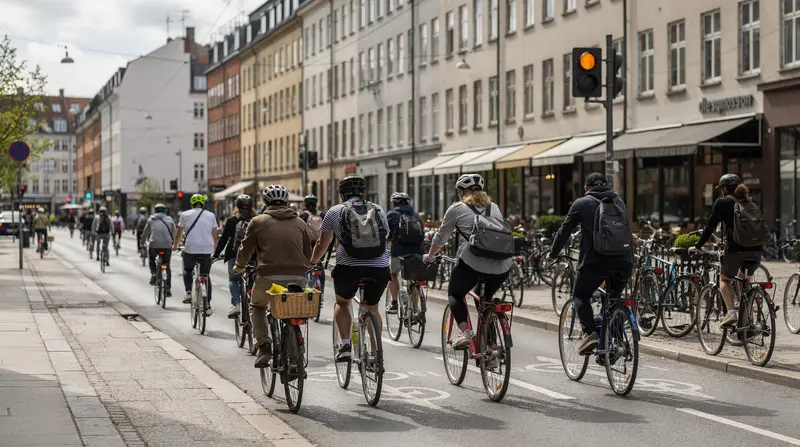
Copenhagen is often described as the world’s most cycle-friendly city, and for once the marketing largely matches the reality. Around 62% of Copenhageners cycle to work or education daily. The cycling infrastructure — 390 km of dedicated lanes, traffic light systems timed for cyclists, and a culture that treats bikes as genuine transport rather than a leisure activity — is the best in the world.
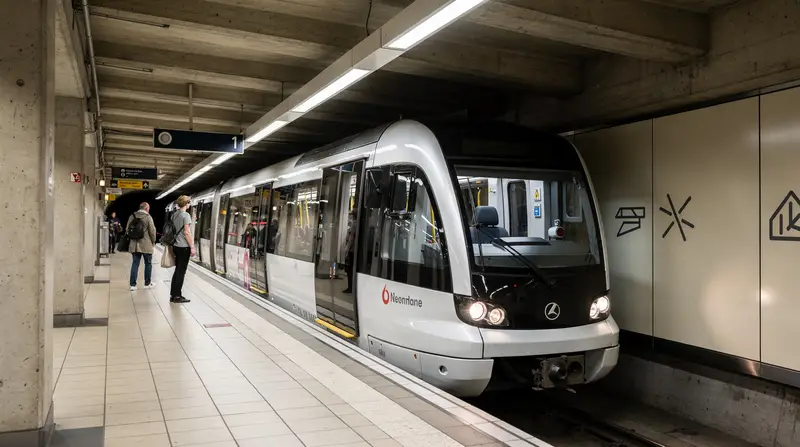
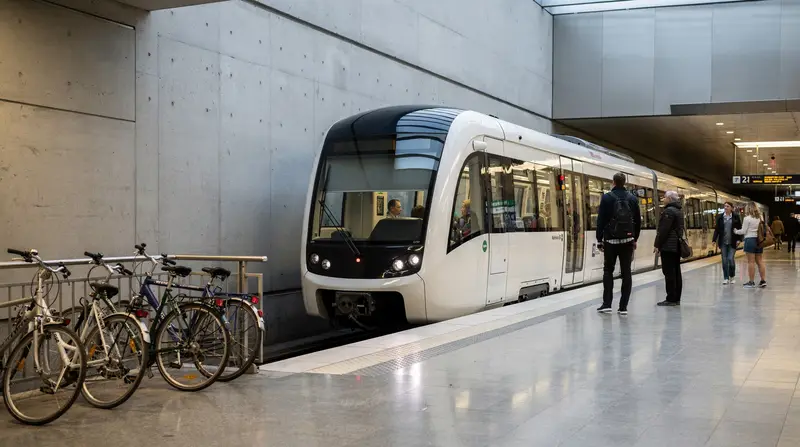
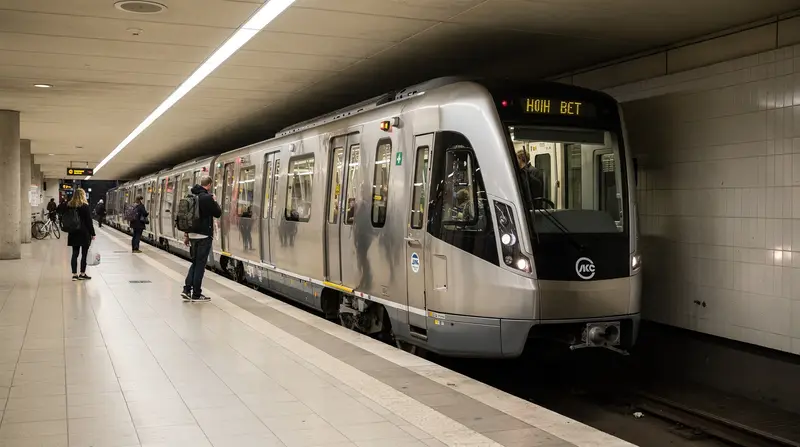
But the city also has an excellent Metro system: four lines, 24-hour operation, modern trains, and coverage that reaches the airport, the harbour area (M3/Cityringen), and the outer residential zones.
The question for visitors is not which is better in absolute terms, but which suits your particular itinerary, fitness level, and travel style.
The Metro: what it covers and costs
The four Metro lines:
- M1 — Vanløse/Frederiksberg to Vestamager (via central city)
- M2 — Vanløse/Frederiksberg to Copenhagen Airport (CPH)
- M3 (Cityringen) — the inner city ring, opened 2019, stopping at Nørreport, Kongens Nytorv, Rådhuspladsen, and 17 other central stations
- M4 — Orientkaj to Copenhagen Airport (via a new harbour tunnel, fully open 2025)
The M3 Cityringen is the most useful line for tourists — it circles the inner city and connects all the major areas (Vesterbro, Frederiksberg, Nørrebro, Indre By, Christianshavn) without requiring transfers.
Costs (2026):
- Single journey (Zones 1–2): ~24 DKK
- 24-hour pass: ~80 DKK
- 72-hour pass: ~200 DKK
- Airport journey from city centre: ~36 DKK (Zone 3 included)
When the Metro is clearly right:
- Airport arrival and departure
- Late-night travel (after bars, post-dinner)
- Rainy days or cold/wet weather
- Longer cross-city journeys with luggage or heavy shopping
- Visiting areas not well-served by cycling routes (e.g., Amager/Islands Brygge on a wet day)
The bike: what it offers and costs
The Bycyklen public bike-share operates roughly 1,300 electric-assist bikes across 130+ stations in central Copenhagen. You pay by the minute via app, making it ideal for one-way short journeys rather than all-day hire. Cost: ~30–40 DKK/hour; daily cap varies by subscription.
Traditional bike hire shops (near the main train station, Vesterbro, and online pre-booking) charge 100–180 DKK/day for a standard urban bike. This is the best option for a full day of independent sightseeing. Multi-day rates (3+ days) can drop to 80–120 DKK/day.
Guided bike tours run by companies with local guides cover the city highlights in 2–3 hours for 280–450 DKK. This is genuinely good value as an introduction — the guide handles navigation, explains context, and identifies the kinds of route optimisation that independent cycling misses.
See our bike rental guide and guided bike tours guide for specific provider recommendations.
When cycling is clearly right:
- Daytime sightseeing between Nyhavn, Tivoli, Rosenborg, Nørrebro, Vesterbro, Christianshavn
- Exploring multiple neighbourhoods without time pressure
- When you want to absorb the city at ground level rather than underground
- Crossing from Indre By to Christianshavn (5 minutes by bike; Metro requires a station change)
- Reaching Reffen or Islands Brygge harbour bath in summer
Speed comparison: common routes
| Journey | By bike (average) | By Metro (door to door) |
|---|---|---|
| Nyhavn → Tivoli | 12 minutes | 18–22 minutes |
| Nyhavn → Nørrebro (Assistens Cemetery) | 18 minutes | 22–28 minutes |
| Central Station → Christianshavn | 10 minutes | 15–20 minutes |
| Central Station → Airport (CPH) | 45 minutes (if you cycle — not recommended) | 16 minutes |
| Tivoli → Rosenborg Castle | 10 minutes | 20 minutes |
| City centre → Amager Strand | 20 minutes | 18 minutes |
For most journeys within the inner city ring, cycling is faster than the Metro when you account for walking to the station, waiting, and walking to the destination. The Metro wins for longer distances and airport connections.
The hybrid approach
Most visitors on a 3–5 day trip benefit from using both systems strategically:
Buy a 72-hour Metro/transport pass (~200 DKK) and hire a bike for 2 full days (~200–250 DKK) rather than committing to one or the other. Total cost: ~400–450 DKK. This gives you:
- Cycling for daytime neighbourhood exploration (free marginal cost once the bike is hired)
- Metro for airport, night transport, and rainy-day journeys
- No anxiety about navigating at night or in wet weather
Compare this to cycling-only (you still need airport Metro tickets and will face rain days) or Metro-only (fine but expensive per trip, and you miss the cycling experience that defines the city).
The GoBike and app-based rental warning
Multiple app-based rental services — some operating as GoBike, Donkey Republic, and others — are available in Copenhagen. They work on a per-minute charging model that is convenient but expensive for longer use.
At 30–40 DKK/hour, a day of active cycling (6–7 hours of actual riding time, not stationary) costs 180–280 DKK. A traditional hire shop charges 100–180 DKK for the same full day. If you plan to cycle for more than 2 hours, always use a full-day rental from a traditional shop. The per-minute app model is only economical for short one-way point-to-point journeys.
Cycling rules tourists consistently get wrong
Rule 1: Cycle in the road lane, not on the pavement. Cycling on the pavement (sidewalk) is illegal in Denmark. The cycle lane is the dedicated marked lane at the road edge. Tourists occasionally drift to the pavement instinctively — do not.
Rule 2: Signal your turns. Indicate left/right turns with your arm. This is standard and expected — other cyclists use it to anticipate your movement.
Rule 3: The bike lane has right-of-way rules. Turning cars must yield to cyclists in the cycle lane. Cyclists must yield to pedestrians in designated crossing points. Both rules are real and enforced by cyclist culture if not always by police.
Rule 4: Lock your bike properly. Bicycle theft exists. Use a proper D-lock or chain lock through the frame and wheel, attached to a fixed object. Rental companies usually include a lock.
Rule 5: Lights after dark are mandatory. White front light, red rear light. Police do issue fines for cycling without lights.
See our cycling rules and etiquette guide for a complete rundown.
Rain and winter cycling
Copenhagen’s weather is changeable year-round. Rain is possible in any month. Locals cycle in rain as a matter of course — the infrastructure makes it manageable — but tourists may find it unpleasant without the right clothing.
In rain: Have a rain jacket or poncho accessible, or use the Metro. Most hire bikes do not include waterproofs.
In winter (November–March): Cycling is still possible and locals do it, but temperatures of 0–5°C and occasional ice make it less appealing for visitors. The Metro is the sensible default in winter; cycle when days are clear.
The airport specific case
The Metro is always the right answer for the airport. The M2 line runs directly from central Copenhagen (Nørreport, Kongens Nytorv) to Copenhagen Airport in approximately 16 minutes. Cost: ~36 DKK single. There is no cycling route that makes practical sense for airport transfers with luggage.
Our airport to city centre guide covers all transfer options in detail.
If you choose cycling: what to read next
Once you have decided cycling suits part of your trip, two guides fill in the practical detail this comparison does not cover. The biking in Copenhagen guide explains how to actually ride like a local — lane positioning, hand signals, and the etiquette Copenhageners expect from visitors. The Copenhagen cycling routes guide has specific tested loops if you want a route rather than improvising from a map.
If the Metro fits more of your itinerary than expected, the Copenhagen Metro guide covers the network in more depth than this comparison, and the Copenhagen Card guide is worth checking before buying any transport pass — it bundles unlimited transport with 80+ attractions and may beat a standalone Metro pass depending on your itinerary. Travelling with young children tips the balance toward the Metro more than these general recommendations suggest; see Copenhagen with kids for family-specific transport advice.
Frequently asked questions about bikes vs Metro in Copenhagen
Do I need a helmet for cycling in Copenhagen?
No, helmets are not legally required for adults in Denmark. About 20% of Copenhageners wear them voluntarily. If you want one, most hire shops offer helmets for a small additional fee (~20–40 DKK/day).
Can children cycle in Copenhagen?
Yes. Many hire shops offer children’s bikes or child seats attached to adult bikes. Copenhagen has strong family cycling culture — you will see parents carrying children in cargo bikes (Christiania bikes) regularly. Children should stick to the cycle lane, not the road.
Is the Metro easy to use without Danish language skills?
Very easy. All Metro stations have English signage, automated ticket machines with English options, and the system is intuitive. The M3 Cityringen is a circle — you simply ride in the direction of your destination.
What happens if I get a Metro fine?
Travelling without a valid ticket costs 750 DKK per incident — this is a common mistake for tourists who assume a casual approach is fine. Always validate your ticket before boarding. Inspectors do check, particularly at night. See our common Copenhagen mistakes guide for this and other avoidable expenses.
Is cycling better than Hop-On Hop-Off buses?
For active, physically able visitors, cycling beats the Hop-On Hop-Off bus for both cost and flexibility. You are not constrained by the bus route, you can stop wherever you want, and you experience the city at street level. Hop-On Hop-Off buses suit visitors who want to remain seated, prefer audio commentary, or are less mobile. See our full getting around Copenhagen guide for all transport options compared.
Where can I safely lock a hire bike?
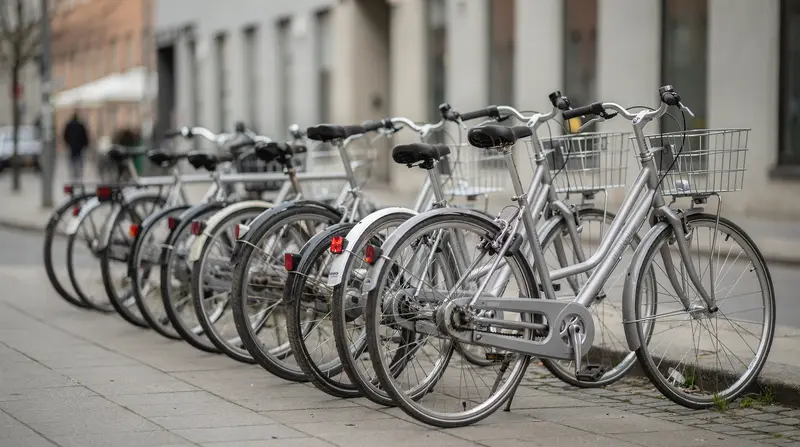
At designated bike racks throughout the city. These are everywhere — outside cafés, along streets, near Metro stations. If no rack is visible, lock to a lamp post or fixed street furniture. Never lock to a tree or in a way that blocks pedestrian paths.
Frequently asked questions — Bike vs Metro in Copenhagen: How to Actually Get Around
How much does Metro transport cost in Copenhagen?
A single Metro journey in Zones 1–2 (covering most of the city centre) costs around 24 DKK. A 24-hour travel pass costs approximately 80 DKK. A 3-day travel card costs around 200 DKK. If you use the Metro frequently, the Copenhagen Card includes unlimited transport and may be more economical. Metro tickets are validated for 75 minutes and allow transfers.How much does bike hire cost in Copenhagen?
The city's public bike-share system (Bycyklen) costs around 30–40 DKK per hour or around 100–130 DKK per day via the app. Private bike rental shops charge 100–180 DKK per day for a standard bike, with discounts for multi-day hire. Guided bike tours (recommended for first-timers) cost 280–450 DKK for 2–3 hours including a guide.Is cycling safe for tourists in Copenhagen?
Generally yes. Copenhagen's cycle lanes are physically separated from traffic on most major roads, and the cycling culture is orderly compared to many cities. Tourists should observe a few key rules: always cycle in the direction of traffic, do not cycle on pavements, signal turns by hand, and obey traffic lights. The main risk is misunderstanding the cycling conventions, not the infrastructure itself.Does the Metro run 24 hours?
Yes. Copenhagen Metro runs 24 hours a day, 7 days a week, on all four lines (M1, M2, M3, M4). This is one of its biggest advantages over cycling — you can use it at 3am without any concerns about safety, weather, or being unfamiliar with routes. Frequencies reduce overnight (every 15–20 minutes) but service does not stop.Can I take a bike on the Metro?
No, standard bikes are not permitted on the Metro. Folding bikes that fit in a bag are allowed. This is one of the reasons the bike and Metro complement rather than replace each other — you cannot easily combine them for a single journey.What is the GoBike rental and why is it overpriced?
GoBike (formerly donkey republic) and similar ad-hoc rental apps charge by the hour at rates that add up quickly. 30–40 DKK per hour sounds reasonable for a short trip but becomes expensive for a full day's use. If you plan to cycle for more than 2–3 hours, a full-day rental from a traditional bike shop is significantly cheaper. The public Bycyklen system is also cheaper per hour than most apps.