Biking in Copenhagen: How to Ride Like a Local
Copenhagen: Highlights 3-Hour Bike Tour with a Local Guide
Duration: 3 hours
Is cycling in Copenhagen easy for tourists?
Yes, with preparation. The infrastructure is excellent — dedicated cycle lanes on almost every major street, well-signposted routes, and drivers who are accustomed to cyclists. The main adjustments for tourists are: staying in the cycle lane (not on the pavement or road), using hand signals, not cycling with headphones, and respecting the lane as if it were a road. Copenhageners are patient with tourists but expect basic competence. Give it 30 minutes and you will be riding confidently.
Why Copenhagen takes cycling seriously
Copenhagen aims to have 75% of residents cycling to work, school, or education every day. In 2024, around 62% did — more than in any comparable Western European city. The infrastructure reflects this: dedicated cycle lanes (cykelstier) separate from both the road and the pavement, priority traffic signals for cyclists at major intersections, and an entire civic culture built around the bicycle as the primary mode of transport.
This is not a tourist-friendly veneer on top of a car city. Copenhagen genuinely functions by bicycle. The cycling lane on Nørrebrogade moves more people per hour than the adjacent car lanes. The city has spent decades engineering cycling priority into its street design.
For visitors, this creates a paradox: the infrastructure is exceptional, but the social expectations around it are also higher than most tourists anticipate. Copenhageners use their cycle lanes the way the rest of Europe uses roads — with lane discipline, signalling, and a clear hierarchy of behaviour. Getting it right makes cycling in Copenhagen one of the genuine pleasures of the city. Getting it wrong creates friction with locals who have cycled the same route every day for twenty years.
This guide explains how to do it right.
The basics you need before you start
Stay in the cycle lane
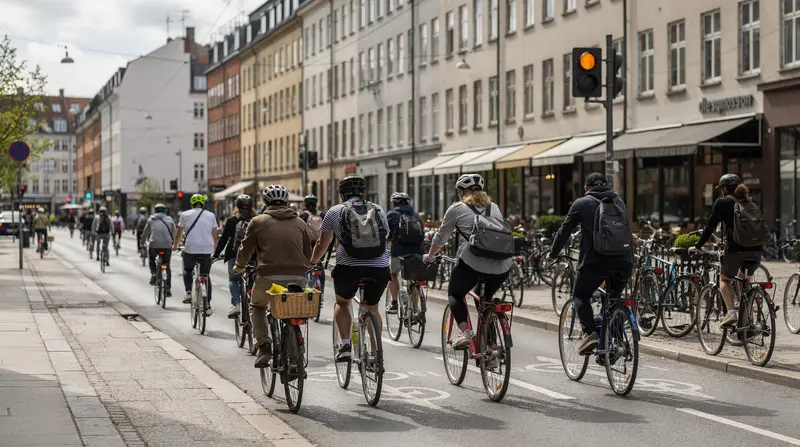
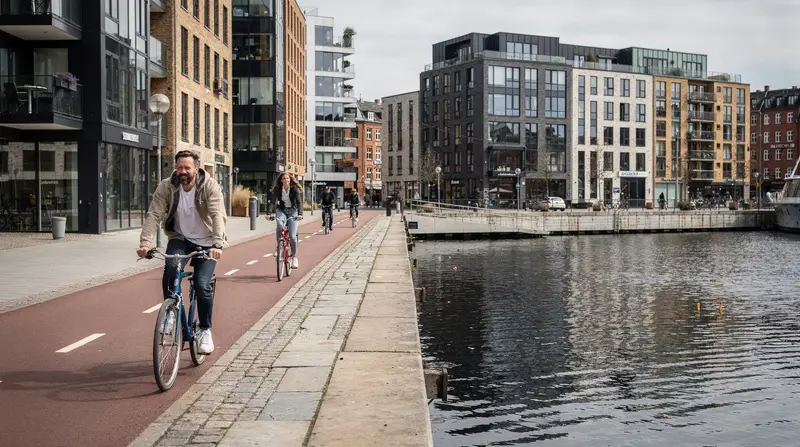
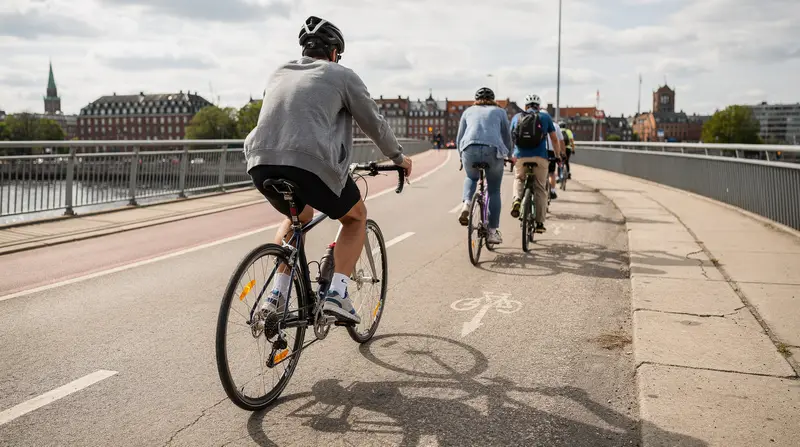
The red-surfaced lane at the edge of the road is the cycle lane. It is not part of the road (do not drift into car traffic) and it is not part of the pavement (do not mount the kerb or ride on the footpath alongside pedestrians). The lane has its own rules, signals, and unwritten norms.
Where tourists go wrong: Riding on the pavement because it feels safer. This is illegal in Denmark (adults may not cycle on pavements unless signed otherwise), and it will result in verbal feedback from Copenhageners. The cycle lane is where cyclists belong.
Cycle in the direction of traffic
Cycle lanes run one way, in the same direction as road traffic. There are no contraflow cycle lanes on most streets. If you are going the wrong way — against car traffic — you are also going the wrong way in the cycle lane.
Yield rules
At intersections without dedicated cycle signals: cyclists yield to pedestrians crossing in front of them, and vehicles from the right have priority (standard Scandinavian road rules apply).
At intersections with dedicated cycle signals (the smaller blue or green signal boxes at eye level for cyclists): follow the cycle signal, not the car signal. They often differ — the cycle signal sometimes goes green a few seconds before the car signal, giving cyclists a head start.
Passing on the left
If you need to overtake a slower cyclist, pass on their left (road side), not their right (pavement side). Signal your intent — look behind you before moving out, and give the person you are passing enough space.
What Copenhagen cyclists expect from you
Hand signals
Signal every turn. Extend your left arm horizontally for a left turn, right arm for a right turn. Do this early enough to give the riders behind you time to react. The signals are universal — you will see Copenhageners use them on every ride.
Look behind you before maneuvering
Before slowing down, stopping, or turning, look over your shoulder. The cycle lane behind you may have faster riders approaching. A sudden stop without warning is the most common cause of cycling collisions in Copenhagen.
Do not ride two abreast on busy lanes
Side-by-side cycling with a friend is pleasant on quiet routes but blocks the lane on main streets. On Nørrebrogade, Vesterbrogade, or the inner harbour routes, ride single file when the lane is busy.
Do not use your phone while cycling
It is illegal to use a handheld phone while cycling in Denmark. Put your phone in your pocket or use a mounted holder. The fine for cycling with a phone in hand is 700 DKK (about 94€). Copenhageners cycle to a consistent standard; they will notice.
No headphones (both ears)
Wearing both earphones while cycling is illegal in Denmark. One earbud is legally permissible but is still considered inconsiderate on busy lanes. The cycle lane requires situational awareness — you need to hear bells, calls, and traffic around you.
The GoBike situation (honest assessment)
GoBikes are the orange electric city bikes you will see around Copenhagen. In theory, they are a pay-per-use public bike scheme that tourists can access. In practice, the registration process requires a Danish phone number and the NemID digital ID system — neither of which most international tourists have.
Several visitor forums report spending 20–30 minutes attempting registration before giving up. The GoBike website interface changes; some visitors succeed, many do not. Even when registration works, the bikes are designed for short trips (the pricing escalates on longer journeys) and are not particularly comfortable for extended city exploration.
Skip GoBikes. Use Donkey Republic, Baisikeli, or hotel-provided bikes for a reliable, foreigner-accessible rental experience. See the bike rental guide for full pricing and practicalities.
What a guided bike tour offers
If you are not confident cycling in city traffic, a guided bike tour is the right starting point. You follow an experienced guide who navigates the route, handles junctions, and manages the group’s pace. Most guided tours cover the major cycling routes with built-in stops and commentary.
Copenhagen highlights 3-hour bike tour with a local guideThe 3-hour guided highlights tour covers the main city sights by bike — Nørrebro, the old town, the harbourfront, the parks — with a guide who explains the cycling culture as much as the sights. For visitors who want cycling plus orientation simultaneously, this is the most efficient option.
Copenhagen must-see bike tour with local guideThe 2.5-hour “must see” version covers similar ground with a tighter schedule. Good for half-day time constraints.
Copenhagen culinary bike tourThe culinary bike tour combines cycling with food stops — a practical way to do a food tour and a cycling tour in a single 3-hour session. Not purely about the cycling, but the combination works well.
3-hour extended grand e-bike tourFor those who want to cover more ground with less physical effort, the e-bike tour extends the standard cycling route further into the city and suburbs. The electric assist means the outer harbour, Frederiksberg, and the northern neighbourhoods become reachable in a single 3-hour session.
The everyday cyclist experience
An afternoon cycling in Copenhagen as a tourist:
You pick up your rental bike from Baisikeli in Nørrebro, adjust the saddle, and cycle south on the dedicated lane. At the intersection, you wait at a small signal at eye level — separate from the car signals — and the green lights your path 2 seconds before the cars get their green. You turn left using a toucan crossing box (the designated marked zone where cyclists wait to make left turns in two stages, like a large pedestrian island).
You ride south through Nørrebro into the Lakes area (Søerne), following the dedicated lakeside cycle route. Runners use the narrow footpath; cyclists have the wider dedicated lane. There is no conflict because the infrastructure separates them completely.
At Rådhuspladsen you signal right, cross into Strøget’s dedicated lane (narrower here, more pedestrians spilling over), and continue to the inner harbour via Gammel Strand. The last section follows the harbour’s cycle path, with views of the canal and moored boats.
Total distance: 7–8 km. Time: 35–40 minutes at a relaxed tourist pace. No driver interaction, two traffic stops, zero confrontations. This is Copenhagen cycling working exactly as designed.
Safety: the honest picture
Copenhagen’s cycling infrastructure is genuinely safe by European city standards. Cycling fatalities per kilometre cycled are significantly lower than in most comparable cities. This is not accidental — it is the product of decades of infrastructure investment.
The risks that remain:
At right-turn intersections: The most common cycling collision in Copenhagen happens when a car turns right across the cycle lane at an intersection. Always make eye contact with drivers before proceeding through a right-hand turn intersection. Even if you have green, ensure cars are yielding.
Tram tracks: Nørreport area and some outer districts have heritage tram infrastructure or construction tracks. Diagonal crossings of rail tracks at low angles can catch a narrow wheel. Cross tracks at 90 degrees where possible.
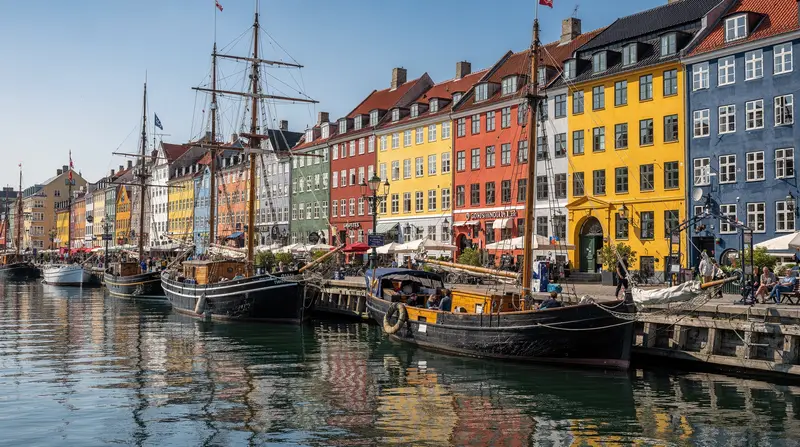
Wet cobblestones: Many of the historic streets (parts of Nyhavn, Indre By) are cobbled. Cobblestones are significantly more slippery when wet. Slow down in rain.
Night visibility: Check your rental bike’s lights before riding after dark. Built-in dynamo lights are common on Danish city bikes — they require pedalling to generate power and are dimmer than battery lights at low speeds.
Cycling with children
Copenhagen is one of the more child-friendly cycling cities in Europe, primarily because of the cargo bike culture. You will see bakfiets (box bikes) and longtails carrying children to school at every intersection. However, most tourist rental companies do not provide cargo bikes.
Practical options for families:
- Child seats are available from some rental shops (ask specifically; not all carry them)
- Trailer bikes (a half-bike that attaches to an adult bike) are available from specialist rental shops but require booking ahead
- Children under 8 are permitted to cycle on the pavement in some zones
If cycling with a child, use the quieter routes — the inner harbour path, the parks, and residential streets — rather than the main cycling arteries where traffic and speeds are higher. For broader family logistics beyond cycling, see the Copenhagen with kids guide.
Where to rent and where to ride
This guide covers how to cycle, not where to get a bike or which route to follow — those live in dedicated guides. For rental options and honest pricing, see the bike rental guide. If you would rather follow a tested route than improvise, the Copenhagen cycling routes guide has several by duration and difficulty.
Not sure cycling suits your whole itinerary? The bike vs Metro guide and the wider getting around Copenhagen guide compare cycling against every other transport mode in the city. The full rulebook — right-of-way, fines, and the etiquette locals expect — is in the cycling rules and etiquette guide.
Frequently asked questions about biking in Copenhagen
Do I need to wear a helmet when cycling in Copenhagen?
No, helmets are not legally required for adults. Many Copenhageners cycle without them. Children under 15 must wear a helmet by law.
Which side of the road do cyclists ride on?
Right side, same direction as car traffic. The cycle lane runs along the right-hand kerb, between the pavement and the road.
Are GoBikes worth using in Copenhagen?
Generally no for tourists. Registration requires a Danish phone number and NemID, which most international visitors cannot obtain. Use Donkey Republic or Baisikeli instead.
Can you bring a bike on the Copenhagen metro?
Yes, in designated carriages, outside peak hours (06:00–09:00 and 15:30–18:00 on weekdays), with a 15 DKK bicycle supplement.
How do you signal turns when cycling in Copenhagen?
Left arm extended horizontally for left turn, right arm extended horizontally for right turn. Use signals before every turn.
What is a typical cycling speed in Copenhagen?
12–20 km/h is normal on urban cycle lanes. Maintain a pace consistent with surrounding traffic; do not significantly undercut or exceed the flow.
Is it safe to cycle in Copenhagen at night?
Yes, with lights. A white front light and red rear light are legally required after dark. Check your rental bike’s lights before riding.
Frequently asked questions — Biking in Copenhagen: How to Ride Like a Local
Do I need to wear a helmet when cycling in Copenhagen?
No, helmets are not legally required for adults in Denmark. Many Copenhageners cycle without one — this is not considered reckless in a city with dedicated infrastructure and low cycling speeds. That said, rental companies provide helmets and you are welcome to wear one. Children under 15 are required by law to wear a helmet.Which side of the road do cyclists ride on in Copenhagen?
Right side — Denmark drives on the right. The cycle lane runs alongside the right-hand curb, between the pavement and the road. Cyclists flow in the same direction as car traffic.Are GoBikes (the orange city bikes) worth using in Copenhagen?
Generally no, for tourists. GoBikes are electrically assisted and convenient for short trips, but the system requires a Danish phone number and NemID (national ID system) to register, which most tourists cannot obtain. Several visitors report registration failure. The alternative — Donkey Republic or Baisikeli rental — is easier and gives you a bike for the full day without registration complications.Can you bring a bike on the Copenhagen metro?
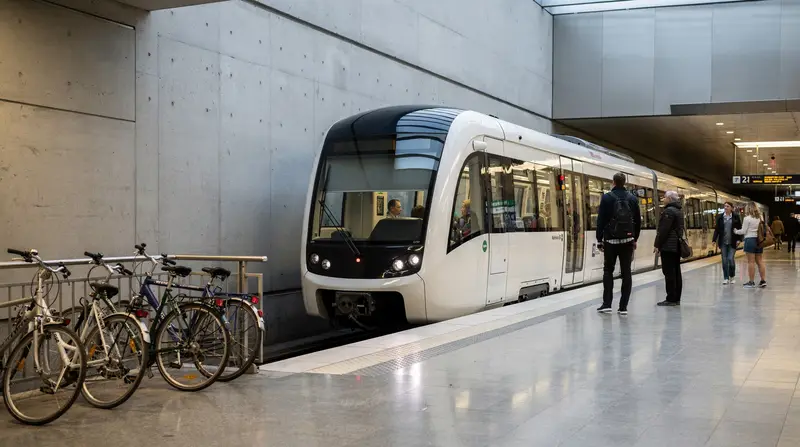
Yes, but only in designated carriages (marked with a bike symbol), outside peak hours (06:00–09:00 and 15:30–18:00 on weekdays), and with a bicycle ticket in addition to your transit ticket. The bicycle add-on costs 15 DKK. On S-trains, bicycles are permitted with a 15 DKK supplement ticket and are allowed during peak hours in the designated bicycle carriage.How do you signal turns when cycling in Copenhagen?
Extend your left arm horizontally for a left turn. Extend your right arm horizontally for a right turn. To stop or slow down significantly, briefly raise one arm. These are standard signals that Copenhagen cyclists understand — use them. See the full guide in cycling-rules-etiquette-copenhagen.What is the cycling speed in Copenhagen's cycle lanes?
Average cycling speed in Copenhagen is 15–20 km/h. There is no posted speed limit for cyclists, but cycling significantly slower than the flow of traffic is inconsiderate (you block riders behind you) and cycling fast in dense urban lanes is dangerous. Maintain a pace comfortable for the conditions — 12–18 km/h is appropriate for tourists on standard bikes. E-bike tours may go faster on routes designed for that purpose.Is it safe to cycle in Copenhagen at night?
Yes, with lights. Danish law requires a white front light and a red rear light when cycling after dark. Rental bikes typically have built-in lights; check they work before leaving. Copenhagen's cycle infrastructure makes night cycling straightforward on lit main streets. Be more cautious in unlit parks and quieter roads.
Top experiences
Bookable activities with verified prices and instant confirmation on GetYourGuide.