Is Copenhagen Expensive? Real Prices in 2026 (DKK)
Copenhagen: Classic Canal Tour & The Harbour
Is Copenhagen expensive to visit?
Yes — Copenhagen is consistently one of Europe's five most expensive cities for tourists. A mid-range day (decent hotel, restaurant lunch and dinner, metro, one paid attraction) costs 1 200–1 800 DKK per person (~€160–240). That said, free attractions are plentiful, the food market scene offers good value, and cycling eliminates transport costs. You will not experience sticker shock on individual items if you come prepared.
| Per-day mid-range | Around 1,200-1,800 DKK per person |
| Cheapest lever | Cycling + supermarket beer + Sunday/Tuesday free museums |
| Biggest hidden cost | Hotel breakfast (100-200 DKK/person) and Nyhavn drink prices |
| Compares to | Stockholm, Amsterdam — below Zurich and Oslo |
| Best value season | January-February (hotels 40-50% cheaper) |
The straightforward answer
Copenhagen is expensive. Not in a debatable-ranking kind of way — it is objectively, measurably among the five most expensive cities in Europe for tourists. The krone is strong, Danish wages are high (the minimum wage is effectively around 135 DKK/hour), and those wages feed into the prices of everything from a café sandwich to a hotel room.
But “expensive” is relative and context-dependent. Copenhagen is not as expensive as Zurich or Oslo. It is comparable to Stockholm and Amsterdam. It is noticeably more expensive than Prague, Lisbon or Budapest. And it has more free world-class content (free museums on specific days, free parks, free harbour baths, free cycling infrastructure) than cities often assumed to be similar in cost.
This guide gives you real 2026 prices in DKK so you can arrive with accurate expectations rather than a vague sense of dread.
Real prices: the essential comparison
Beer
| Venue type | DKK | ~EUR |
|---|---|---|
| Supermarket (can, 0.33L) | 15–25 | €2–3.40 |
| Craft beer bar (0.33L can) | 50–80 | €6.70–10.70 |
| Pub draught (0.5L) | 70–90 | €9.40–12.10 |
| Trendy bar / cocktail bar (0.5L) | 85–110 | €11.40–14.75 |
| Bar in Nyhavn tourist zone | 90–120 | €12–16 |
The supermarket beer trick is real and widely practised by Danes: buy from Netto or Fakta (cheapest supermarket chains), drink in the King’s Garden or by the lakes. Legal, accepted, dramatically cheaper.
Coffee
| Venue type | DKK | ~EUR |
|---|---|---|
| Espresso (single) | 35–50 | €4.70–6.70 |
| Flat white / latte | 50–70 | €6.70–9.40 |
| Filter coffee | 35–55 | €4.70–7.40 |
| Joe & the Juice (large, with juice) | 65–85 | €8.70–11.40 |
Copenhagen takes coffee seriously. The quality is high — but so is the price. Café culture is central to the city’s social fabric; sitting with a coffee for an hour is expected and welcomed.
Food
| Item | DKK | ~EUR |
|---|---|---|
| Kanelsnegl (cinnamon roll) at a bakery | 35–55 | €4.70–7.40 |
| Hot dog from pølsevogn cart | 40–60 | €5.40–8 |
| Bakery smørrebrød | 60–100 | €8–13.40 |
| Torvehallerne lunch (one plate + drink) | 130–200 | €17.40–26.80 |
| Café sandwich + coffee | 130–200 | €17.40–26.80 |
| Restaurant lunch (main course) | 150–280 | €20–37.50 |
| Restaurant dinner (main course, per person) | 250–450 | €33.50–60.30 |
| Restaurant dinner with starter + drinks | 450–750 | €60.30–100.50 |
| New Nordic tasting menu | 1 200–2 500 | €160.80–335 |
| Michelin restaurant (full menu + wine) | 2 500–5 000+ | €335–670+ |
The spread from a 50 DKK hot dog to a 3 000 DKK tasting menu represents the full range. Most visitors will land in the 150–400 DKK per person per meal range if they are eating at restaurants.
Hotels
| Type | DKK per room | ~EUR |
|---|---|---|
| Hostel dorm (per person) | 200–350 | €27–47 |
| Hostel private room | 700–1 000 | €94–134 |
| Budget hotel | 800–1 200 | €107–161 |
| Mid-range hotel | 1 200–1 800 | €161–241 |
| Upper mid-range | 1 800–2 800 | €241–375 |
| Boutique / design hotel | 2 800–4 500 | €375–603 |
| Luxury (Nimb, d’Angleterre) | 4 500–9 000+ | €603–1 207+ |
These are ballpark figures for the central area in a standard season. July–August peaks add 30–60%. Christmas market season (mid-November to 30 December) adds 20–40%.
Transport
| Journey | DKK | ~EUR |
|---|---|---|
| Metro single (2 zones) | 26 | €3.50 |
| Airport metro | 36 | €4.80 |
| Metro 24h pass | 160 | €21.50 |
| Metro 72h pass | 300 | €40.20 |
| Taxi: airport to centre | 250–350 | €33.50–47 |
| Bike rental (per day) | 100–200 | €13.40–26.80 |
| Uber/taxi: city trip (~3 km) | 80–150 | €10.70–20 |
The metro is good value by European capital standards. Taxis are not.
Attractions
| DKK | ~EUR | |
|---|---|---|
| Tivoli Gardens entry | ~200 | €26.80 |
| Rosenborg Castle | 130 | €17.40 |
| Christiansborg Palace | 110 | €14.75 |
| Glyptotek | 110 | €14.75 |
| National Museum | 95 | €12.70 |
| Louisiana Museum (Humlebæk) | 160 | €21.45 |
| Blue Planet Aquarium | 179 | €24 |
| Canal cruise (1 hour) | 100–130 | €13.40–17.40 |
| Walking tour with guide | 150–350 | €20–47 |
Museum prices are significant but not shocking by European standards. Tivoli at ~200 DKK compares well to similar theme parks across Europe.
How Copenhagen compares to other cities
| City | Mid-range dinner (1 person) | Draught beer (0.5L) | Mid-range hotel (room) |
|---|---|---|---|
| Copenhagen | 350–500 DKK (€47–67) | 70–100 DKK (€9–13) | 1 200–1 800 DKK (€161–241) |
| Oslo | Equivalent or higher | Equivalent or higher | Equivalent |
| Zurich | Higher | Higher | Higher |
| Stockholm | Slightly lower | 70–85 DKK equiv | Slightly lower |
| Amsterdam | Slightly lower | 50–75 DKK equiv | Slightly lower |
| London | Slightly lower | 60–80 DKK equiv | Comparable |
| Paris | Lower | 40–65 DKK equiv | Lower |
| Barcelona | Significantly lower | 30–50 DKK equiv | Significantly lower |
Copenhagen sits in the top tier but below the most expensive Northern European cities (Zurich, Oslo).
Where Copenhagen is good value
Despite the overall cost, there are genuine value pockets:
The bakery. A Danish bakery produces some of the best pastry in the world. A kanelsnegl or wienerbrød for 35–55 DKK is genuinely excellent and costs less than a coffee in some European capitals.
Free museums (specific days). National Museum on Sundays and Glyptotek on Tuesdays are genuinely world-class for zero cost.
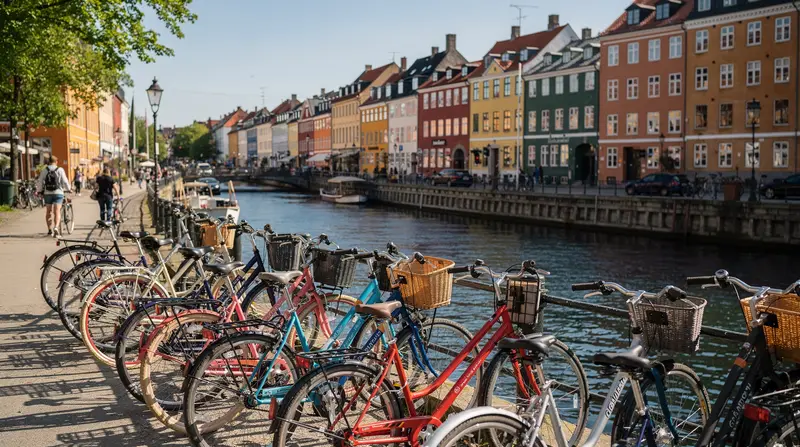
Cycling. 100–200 DKK/day for a bike rental eliminates most transit cost and makes sightseeing faster and more enjoyable.
Supermarket quality. Danish supermarkets stock better prepared food (fresh smørrebrød, smoked fish, rye bread) than supermarkets in most European cities. A quality lunch assembled from Netto for 80–120 DKK beats many city café sandwiches.
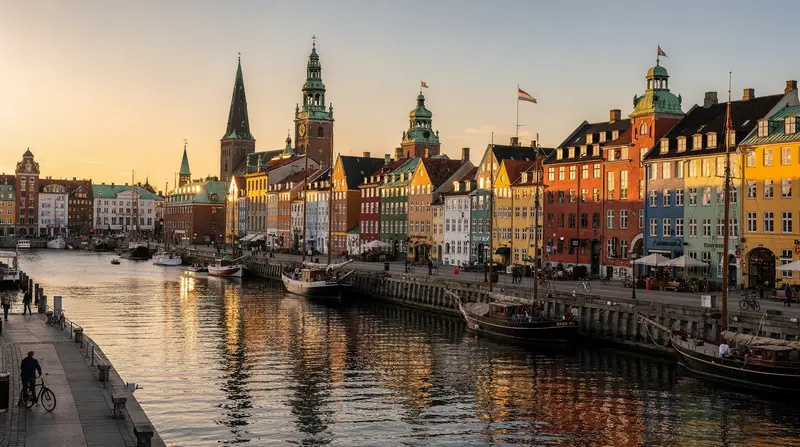
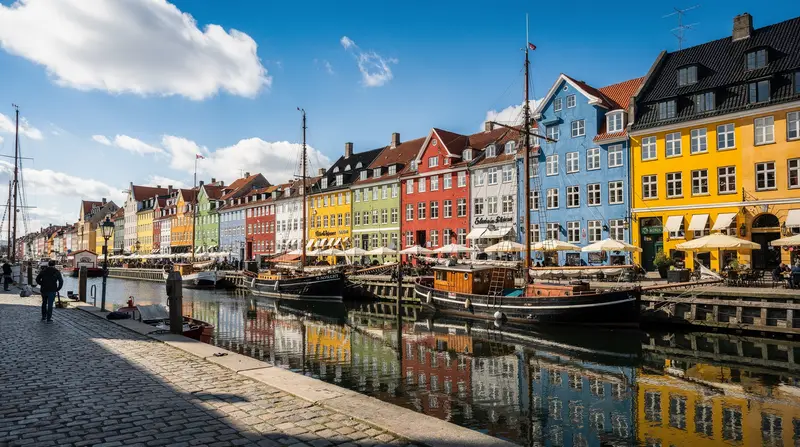
Canal cruises. At 100–130 DKK for 60 minutes, a canal cruise is one of the best-value tourist experiences in the city — see the best canal tours guide for which operator suits your route. You cover Nyhavn, Christiansborg, the Opera House and the harbour in one trip.
Classic canal and harbour cruise from NyhavnFree outdoor spaces. King’s Garden, Frederiksberg Gardens, Kastellet, Amager Strandpark beach, Superkilen, and the harbour front all cost nothing and represent genuine quality Copenhagen experiences.
The real cost of a 3-day mid-range trip
To ground all the price data in something tangible, here is what a 3-day mid-range Copenhagen visit (2 people, sharing costs) realistically costs at 2026 prices:
Accommodation (3 nights, per person)
Mid-range Vesterbro hotel, double room at 1 500 DKK/night, shared: 2 250 DKK per person
Food (3 days, per person)
| Meals | DKK |
|---|---|
| Bakery breakfast × 3 | 225 |
| Torvehallerne lunch × 2, café lunch × 1 | 500 |
| Neighbourhood restaurant dinner × 2 | 850 |
| One New Nordic dinner | 700 |
| Coffee, snacks, one bar evening | 500 |
| Food subtotal | 2 775 |
Transport (per person)
| DKK | |
|---|---|
| - | ---- |
| Airport metro × 2 (return) | 72 |
| 72h transit pass | 300 |
| Transport subtotal | 372 |
Attractions and activities (per person)
| DKK | |
|---|---|
| - | ---- |
| Rosenborg Castle | 130 |
| Glyptotek (or free Tuesday) | 0–110 |
| Christiansborg Palace | 110 |
| Tivoli Gardens | 200 |
| Canal cruise | 115 |
| Attractions subtotal | 555–665 |
3-day mid-range total per person: approximately 5 950–6 050 DKK (~€800)
This excludes flights and represents a fully comfortable trip: decent central hotel, one good dinner per night, all the main paid sights. Not extravagant — no Michelin dinner, no private tours, no taxis.
For context: the same quality trip in Prague might cost €450–500. In Barcelona, €500–600. Copenhagen’s premium over comparable southern European cities is real and significant.
Year-round price variation
Not all costs in Copenhagen vary by season — transport and museum entry are fixed. But accommodation fluctuates significantly, and restaurant pricing in tourist zones (Nyhavn especially) is higher in summer.
| Cost category | Seasonal variation |
|---|---|
| Hotel rooms | High variation (±40–50%) |
| Museum entry | No variation |
| Metro fares | No variation |
| Restaurant meals (tourist zones) | Slight increase in peak |
| Restaurant meals (local neighbourhoods) | No meaningful variation |
| Canal cruise | No variation |
| Bike rental | No variation |
The practical implication: if you visit in January instead of July and keep the same itinerary, your total trip cost per person drops by roughly 1 200–2 000 DKK purely on accommodation savings.
Why Copenhagen is expensive: the structural reasons
Understanding why Copenhagen costs what it does helps with realistic planning rather than searching for hacks that do not exist.
High wages: Denmark’s effective minimum wage (set by collective bargaining rather than legislation) is around 135–150 DKK/hour. A restaurant server earns well above what a comparable worker earns in France, Spain or Italy. This directly feeds into the price of every meal.
25% VAT: Denmark’s Value Added Tax is 25% — among the highest in Europe. It is included in all displayed prices (not added at checkout like US sales tax) but represents a significant proportion of what you pay for everything.
High property costs: Central Copenhagen commercial rents are among the highest in Northern Europe. A café’s rent per square metre in Indre By drives prices across the menu.
No tipping subsidy: Unlike US restaurants, where low wages are subsidised by the expectation of 15–20% tips, Danish restaurant prices must cover full labour costs. The menu price is the real price.
Strong krone: The krone is pegged to the euro (within a narrow band) but has historically been slightly stronger than equivalent purchasing power in the Eurozone. Visitors from countries with weaker currencies feel this acutely.
None of these are fixable by finding the right guide or the right neighbourhood. Copenhagen is genuinely expensive because the underlying economic structure makes it so. Plan accordingly, and budget in DKK from the start.
The Copenhagen Card. When used correctly — stacking 4+ paid attractions per day plus unlimited transit — the card provides genuine value in an expensive city. See the dedicated Copenhagen Card worth it guide for a full ROI calculation, or Copenhagen Card vs individual tickets for the line-by-line math.
The hidden costs most visitors don’t plan for
Beyond the obvious (hotels, restaurant meals), several costs catch visitors off guard:
Hotel breakfast
Most Copenhagen hotels charge separately for breakfast: 100–200 DKK per person. For a couple staying 3 nights, that is 600–1 200 DKK added to your bill — the equivalent of 10+ bakery breakfasts. Unless the hotel’s breakfast is exceptional, skip it and walk to the nearest bakery.
Airport arrival
The most common surprise: assuming you can take a taxi from the airport and not knowing the price. A taxi from CPH to the city centre costs 250–350 DKK. The metro costs 36 DKK and takes the same time (13–15 minutes). The metro always wins.
Currency exchange commissions
The exchange bureaus on Strøget and at the airport charge commission rates that effectively add 8–12% to any currency exchange. An ATM withdrawal in DKK at your bank’s standard rate is significantly better. If your bank charges ATM fees abroad, a travel card (Wise, Revolut) loaded with DKK is the optimal approach.
Alcohol at tourist-zone bars
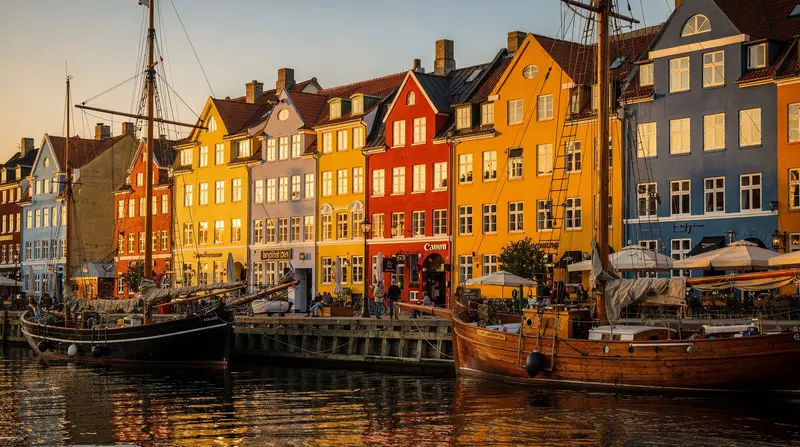
A beer on Nyhavn can reach 110–130 DKK. The same beer in a Vesterbro or Nørrebro bar is 70–90 DKK. The premium for Nyhavn atmosphere is roughly 30–50% on every drink. Enjoyable for a first evening drink with the view; expensive if you stay for a session.
Museum combined costs
Copenhagen has many excellent museums, and the admission fees stack quickly: Rosenborg (130 DKK) + Christiansborg (110 DKK) + National Museum (95 DKK) + Glyptotek (110 DKK) = 445 DKK before you have had lunch. Planning a museum-heavy day without the Copenhagen Card (679 DKK, includes all of these plus transit) can cost more than the card itself.
Ways to make Copenhagen less expensive
Visit on Sundays. National Museum is free. Combined with the King’s Garden (free) and Nyhavn walk (free), a Sunday in Copenhagen can be almost entirely without admission costs.
Visit on Tuesdays. Glyptotek is free. SMK National Gallery is free for the permanent collection. Two of the city’s best art museums accessible for zero entry cost.
Cook one meal a day. If your accommodation has a kitchen or kitchenette, a supermarket run covers breakfast and lunch for 100–150 DKK per person per day. Reserve restaurant spending for dinner.
Drink at supermarket prices. Netto and Fakta sell beer for 15–25 DKK per can. Drinking in the King’s Garden or at the harbour front is legal, common among Danes, and a genuine quality-of-life experience. Total cost of an evening with three beers: 50–75 DKK versus 240–360 DKK in a bar.
Cycle instead of metro. A 150 DKK/day bike rental eliminates all metro costs for most central tourist routes — see the bike rental guide for where to hire one. For a 4-day visit, 600 DKK on bike rental replaces 640 DKK on a 4-day transit pass — and you see more of the city. For the full transport picture, see getting around Copenhagen.
Book accommodation in advance for summer, last-minute for winter. The 40–50% price difference between peak and off-peak is the largest single cost lever available.
Frequently asked questions about whether Copenhagen is expensive
Can I do Copenhagen for €100/day per person?
Yes, with planning: hostel dorm (~250–300 DKK), bakery breakfast (~70 DKK), food market lunch (~150 DKK), hot dog snack (~50 DKK), supermarket dinner (~100 DKK), cycling instead of metro (140 DKK for bike rental), and one free attraction. That lands at 760–810 DKK (€102–109) per person per day — technically within reach but genuinely tight.
Why is Copenhagen so expensive?
Denmark has high wages, high taxes (VAT is 25%), and a welfare state that keeps purchasing power high across the population. Restaurant meals are expensive partly because Danish minimum wage requirements mean staff earn well by European standards. Alcohol is taxed heavily. Hotel prices reflect strong demand and limited central supply.
Is Copenhagen expensive compared to other Scandinavian cities?
Oslo is comparable or more expensive; Stockholm is very similar; Helsinki is slightly cheaper. Copenhagen is firmly in the Scandinavian price tier. If you are visiting Scandinavia expecting to find somewhere significantly cheaper than the others, you will not find it in Copenhagen.
What is the cheapest time to visit Copenhagen?
January and February are the cheapest months for accommodation — hotel prices can be 40–50% lower than July peak. Food and transport prices do not change seasonally, but accommodation is the largest variable cost. November (before the Christmas market begins) is also good value.
Are there hidden costs in Copenhagen?
The main surprises: hotel breakfast charges (100–200 DKK per person, skip it and go to a bakery), any exchange bureau on Strøget or at the airport (poor rates, use ATMs), tourist-zone restaurants (Nyhavn prices are 30–50% above equivalent quality elsewhere), and taxi fares from the airport (always take the metro).
Frequently asked questions — Is Copenhagen Expensive? Real Prices in 2026 (DKK)
How much is a beer in Copenhagen?
In a bar: 70–100 DKK for 0.5L draught (€9–13). In a restaurant: 60–90 DKK for 0.33L. In a supermarket: 15–25 DKK per can. Copenhagen bar prices are among the highest in Europe — comparable to Zurich, Oslo and Stockholm.How much is a meal in Copenhagen?
Budget (hot dog, bakery, food market): 50–150 DKK. Casual café lunch: 130–200 DKK. Sit-down restaurant lunch: 150–280 DKK. Mid-range restaurant dinner: 300–550 DKK per person. Michelin tasting menu: 1 500–3 500 DKK. Copenhagen is genuinely expensive for restaurant dining.Is Copenhagen more expensive than London?
Broadly comparable, but with a different distribution. Copenhagen restaurants are slightly cheaper than top London spots but pricier than London's mid-range. Copenhagen hotels are often cheaper than central London. Alcohol is more expensive in Copenhagen than in London. Public transport is similarly priced.Is it cheaper to go to Copenhagen or Amsterdam?
Very similar overall. Amsterdam hotels are often slightly cheaper; Copenhagen restaurant meals can be slightly more expensive. Both cities sit in Europe's top tier for cost of visiting. Neither is significantly cheaper than the other.How much does a coffee cost in Copenhagen?
A flat white or latte costs 50–70 DKK (€6.70–9.40) at a decent café. Takeaway from a chain (Joe & the Juice, Espresso House) is 45–60 DKK. Vending machine coffee at the airport: 25–35 DKK. Copenhagen café culture is excellent but comes at a price.Are taxis expensive in Copenhagen?
Yes. A taxi from the airport to the city centre costs 250–350 DKK versus 36 DKK by metro. City taxis have a minimum fare of around 50 DKK and run at 15–20 DKK per km. Always use the metro or a rental bike where possible.