Copenhagen on a Budget: 3-Day Itinerary Under 1,200 DKK/Day
Copenhagen Card: Access 80+ Attractions and Transportation
| Where | Copenhagen city centre, Nørrebro, Vesterbro, Frederiksberg |
| Cost | Roughly 495–775 DKK per person per day, excl. accommodation |
| Time needed | Three full days |
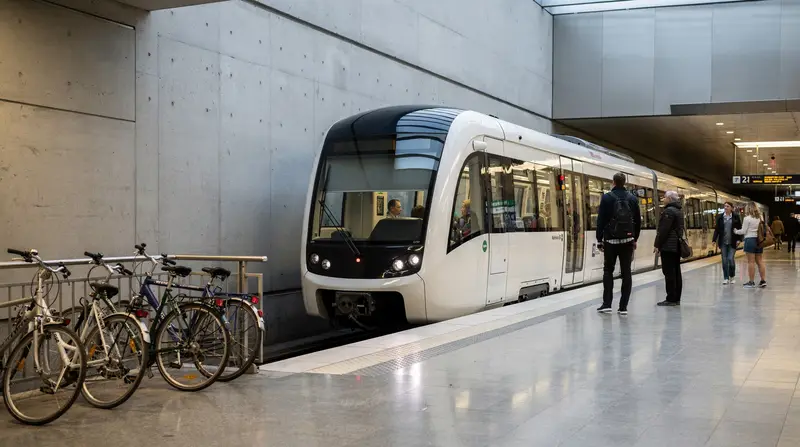
| Getting there | Metro/bus on single tickets, or walk most of the centre |
| Best time | Any season; June–August adds free harbour swimming |
Honest numbers first: what “budget Copenhagen” actually costs
Copenhagen is one of the most expensive cities in Europe. There is no getting around this. A budget traveller who is genuinely careful — hostel, supermarket breakfasts, free museums, canal cruise instead of a restaurant meal — can spend 700–900 DKK per day. An average tourist spending without thinking will spend 1,500–2,500 DKK per day. The gap between those two outcomes is almost entirely about decisions made before leaving the hotel room each morning.
This itinerary is built around making those decisions well. It identifies the free attractions that are genuinely good (there are many), the paid attractions where the price is worth paying, the food options that are cheap without being bad, and the tourist traps that drain money without delivering experience. Prices throughout are in DKK at mid-2026 rates. For reference: 1,000 DKK is approximately €134 or $148.
The Copenhagen Card: run the numbers before you buy it
The Copenhagen Card is the most marketed product in Copenhagen tourism. It includes entry to 80+ attractions and unlimited public transport. The question is whether it saves you money in practice.
Honest calculation for a 3-day budget visit:
| Attraction | Without card | With card |
|---|---|---|
| Metro (3 days, 5 trips/day) | ~390 DKK | Included |
| Rosenborg Castle | 170 DKK | Included |
| Christiansborg Palace | 160 DKK | Included |
| National Museum (permanent) | Free | Free |
| Glyptotek (Tuesdays) | Free | Free |
| SMK National Gallery (permanent) | Free | Free |
| Experimentarium | 230 DKK | Included |
| Total | ~950 DKK | 72h card: 1,099 DKK |
In this budget scenario, the card does not save money if you focus on free museums and limit metro trips. It pays off if you add one more paid attraction (e.g., Den Blå Planet at 185 DKK) or if you ride the metro more than 5 times per day.
The card makes clear sense if you: visit Experimentarium, Rosenborg, Christiansborg, and Den Blå Planet in 3 days (those four alone total ~745 DKK in entry fees; add metro transport and the card pays off easily).
The card does not make sense if you: primarily use free museums (National Museum, Glyptotek on Tuesdays, SMK permanent collection), walk everywhere or take minimal metro rides, and skip the aquarium and science centre.
Run your own numbers. Do not buy the card because it sounds comprehensive.
Copenhagen Card — check what’s included and whether it suits your tripDay 1: Free Copenhagen — the real city at no cost
08:00 — Supermarket breakfast
The hotel breakfast mark-up in Copenhagen is approximately 200–300 DKK per person per day. Skip it. The nearest Netto or Fakta supermarket has yoghurt, rye bread, Danish cheese, and coffee for 40–60 DKK. Netto is the cheapest chain; Irma is higher quality but costs more. Both are a 5-minute walk from any central hotel.
Rugbrød (rye bread) is the Danish staple — dense, nutritious, and inexpensive. A loaf costs 18–25 DKK. With cheese and a piece of fruit, it is breakfast for 35–45 DKK total. Cafés charging 120–180 DKK for the same nutritional content are not offering you anything materially different.
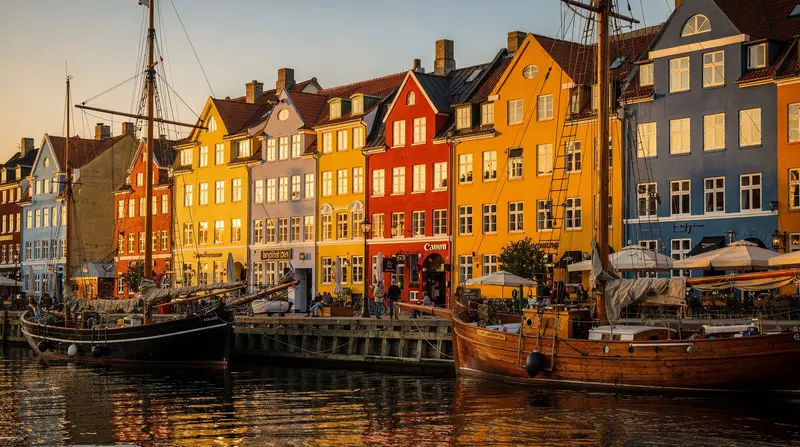
09:00 — Nyhavn: the free version
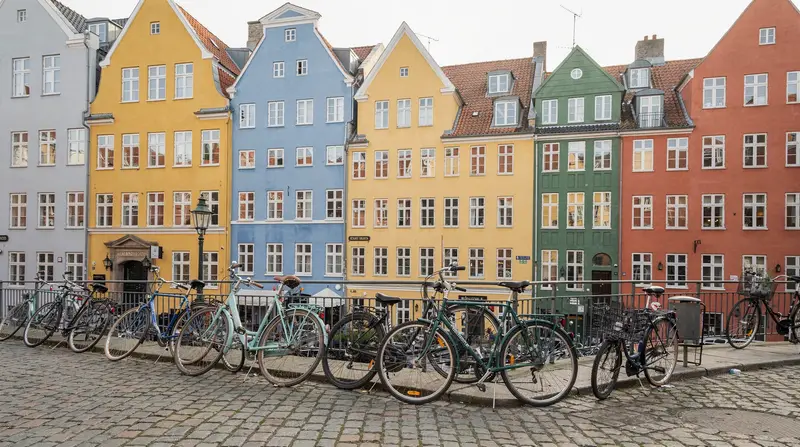
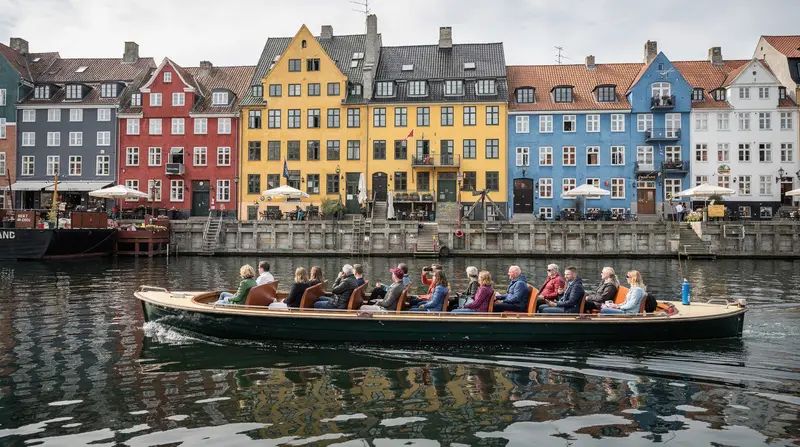
Nyhavn is free to visit. The coloured townhouses, the canal, the morning light — all free. Walk both sides before 09:30 when the tour groups arrive. Do not eat or drink here (tourist pricing: a coffee at a Nyhavn canalside café costs 60–85 DKK; the same coffee two streets away costs 40–55 DKK).
09:30 — Frederiksstaden walk (free)
Walk north from Nyhavn along Bredgade to Frederiksstaden — the 18th-century Baroque quarter. The Marble Church (Frederiks Kirke) dome can be climbed for views (35 DKK, free for children). Amalienborg Palace — the Royal Palace of four identical mansions around an octagonal courtyard — is free to walk through and observe from outside. The changing of the guard happens daily at noon (free). The Amalienborg Museum inside one mansion costs 115 DKK — skip it unless you have strong interest in royal interiors.
11:00 — The National Museum of Denmark (free permanent collection)
The National Museum (Nationalmuseet, Ny Vestergade 10) charges nothing for its permanent collection. The collection is excellent — Danish prehistory, the Viking Age, medieval Denmark, coins, children’s museum, and an extensive world culture section. The Viking Age gallery has original runestones and burial artifacts. Allow 2 hours.
This is genuinely one of the best free things to do in Copenhagen and is not used enough by budget travellers who focus on Tivoli and canal cruises.
13:00 — Cheap lunch: smørrebrød strategy
Smørrebrød (open-faced sandwiches on rye bread) done cheaply:
- Torvehallerne market (Nørreport): stalls sell single smørrebrød pieces at 45–75 DKK each. Two pieces plus a drink: 120–160 DKK.
- Supermarket smørrebrød: most Irma and Kvickly supermarkets sell pre-made smørrebrød at 30–55 DKK per piece. Buy in the market hall and eat at the outdoor tables. Full meal: 80–100 DKK.
- 7-Eleven and bakeries: hot dogs (approximately 38–50 DKK), Danish pastries (20–35 DKK). Not the cultural experience, but the Danish hot dog is a legitimate tradition — the red pølsevogn (sausage wagon) sausages sold from street carts are 35–45 DKK and eaten by Danes routinely.
The worst value lunch option is a sit-down restaurant in Nyhavn or Strøget (180–280 DKK per person for unremarkable food).
14:00 — Strøget walk and the Latin Quarter (free)
Walk along Strøget — Europe’s longest pedestrian street. Primarily chain retail, but worth one walk. Turn off into the Latin Quarter (Studiestræde, Larsbjørnsstræde, Fiolstræde) — smaller streets with independent cafés and bookshops that represent a more interesting version of central Copenhagen than the main shopping drag.
Rundetårn (Round Tower) entry: 40 DKK adults. Worth it for the view — 360-degree panorama over the old city via a spiral ramp (no stairs). One of the cheapest views in Copenhagen.
16:00 — King’s Garden and Rosenborg exterior (free)
Kongens Have (King’s Garden) is one of Copenhagen’s best parks and is free. The Rosenborg Castle exterior can be viewed at no charge — the Renaissance red-brick castle is visually impressive from outside. The castle interior and crown jewels cost 170 DKK; that visit is scheduled for tomorrow on the full plan.
17:30 — Christianshavn canal walk (free)
Walk across Knippelsbro bridge to Christianshavn — 10 minutes from the city centre. The 17th-century canal neighbourhood is free to walk and is genuinely quieter and more atmospheric than Nyhavn. The houseboats, the Church of Our Saviour spiral tower (visible for free from outside; 50 DKK to climb), and the canals make for a good late-afternoon walk.
19:00 — Budget dinner: the honest options
Best value dinner options in Copenhagen:
- Shawarma on Nørrebrogade: 80–100 DKK for a full portion. Authentic, filling, and one of the few genuinely cheap meals in the city.
- Reffen street food market (open May–October, Refshaleøen — bus 2A from Kongens Nytorv, or 40–50 DKK by bike): 50+ food vendors, waterfront setting, main courses 90–140 DKK. The most enjoyable cheap dining experience in Copenhagen.
- DIY evening meal from supermarket: Irma sells ready-made food (warm dishes from the deli counter) at 90–140 DKK for a main course portion, plus wine from 45–75 DKK per bottle. Total for two with wine: 250–350 DKK.
- Wokshop Cantinen (Vesterbrogade): Asian canteen, mains 110–140 DKK.
What to avoid: any restaurant with an English menu displayed prominently outside, particularly near Nyhavn and Strøget. Tourist-facing restaurants add 30–60% to what the same food costs two streets away.
Day 2: paid attractions worth the price + the harbour
09:00 — Rosenborg Castle (170 DKK — worth it)
Rosenborg Castle is one of the paid attractions where the price earns its keep. The crown jewels in the treasury — which include the solid gold throne, the Danish regalia, and the crown and sceptre under museum lighting — are consistently what visitors remember longest. The castle apartments themselves are well-preserved 17th and 18th-century royal interiors.
If you have the Copenhagen Card, this is included. If you do not, 170 DKK is a fair price for what you see.
Free alternative if budget is critical: The King’s Garden surrounding the castle is free. Skip the interior and do the Christiansborg tower today instead (160 DKK, or included with reception rooms if you visit — the tower access itself is worth the 50 DKK standalone ticket).
11:00 — Christiansborg Palace tower (free with reservation)
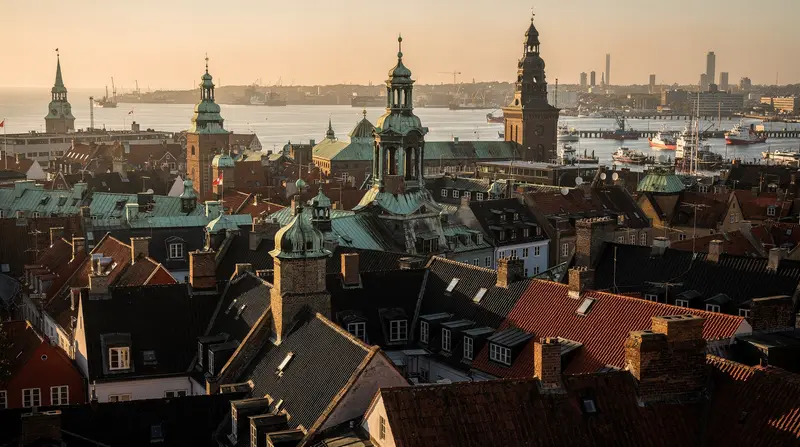
The Christiansborg Palace tower is free to visit. This is a genuine secret that most tourists miss. The tower is the tallest point in Copenhagen — 106 metres, with a lift, panoramic views, and no entry charge. Booking is required online (free reservation, released each day — book on the morning for the same day). This is the best free view in Copenhagen.
The adjacent Royal Reception Rooms cost 160 DKK and are separate from the tower. The tower alone is free and worth 45 minutes.
12:30 — Free Glyptotek (Tuesdays only) or cheap entry
Ny Carlsberg Glyptotek (Dantes Plads 7) is free on Tuesdays. If this is a Tuesday, go. It houses one of the finest collections of ancient sculpture in northern Europe, plus French Impressionists and a winter garden with a glass dome. On other days: 115 DKK — still affordable, and a Sunday is worth the price.
On non-Tuesday, non-Sunday days: SMK National Gallery (Sølvgade 48) — permanent collection is always free. Excellent Danish Golden Age painting and a large Matisse collection.
14:00 — Canal cruise (145 DKK — the one paid experience to prioritise)
If you spend money on one paid experience in Copenhagen, make it the canal cruise. One hour from Gammel Strand, covering Christianshavn, the Opera House, the Royal Library, and the harbour. No equivalent view of the city is possible from land. The guided commentary provides the geographic and historical orientation that saves you confusion for the rest of the trip.
Book the guided canal cruise from Gammel StrandAt 145 DKK (approximate), this is one of the better value-per-hour experiences in Copenhagen.
16:00 — The harbour promenade (free)
Walk from Gammel Strand (where the cruise ends) along the harbour front north to Nyhavn. The entire walk is free and takes 20–30 minutes at a relaxed pace. You pass the Black Diamond (Royal Library extension, the most dramatic building on the waterfront), the Danish Architecture Centre (entry varies, exhibitions from 95 DKK, exterior free), and the boats moored along the harbour.
Continue along the harbour walkway to the Little Mermaid: approximately 2 km from Nyhavn. Honest assessment: the Little Mermaid is 80 cm tall, sits on a rock in the harbour, and is usually surrounded by tourists taking photos of tourists taking photos. It is free to see. It is not worth going out of your way for. If you are walking the harbour anyway, fine. If you are planning your route around it, reconsider.
18:30 — Norrebro evening (budget-friendly)
Spend the evening in Nørrebro — the most economically accessible neighbourhood in central Copenhagen for dining and drinking.
Cheap eats on Nørrebrogade:
- Falafel and Middle Eastern food: 80–100 DKK
- Pizza slices: 35–50 DKK per slice
- Vietnamese: 100–130 DKK for a full dish
Beer budget: Craft beer bars in Nørrebro charge 70–95 DKK per pint. Supermarket beer (Carlsberg, Tuborg, or craft cans) from a Netto: 15–25 DKK per can — have pre-dinner drinks at the hotel.
Day 3: Neighbourhoods and the bike alternative
09:00 — Vesterbro breakfast
Grød (porridge restaurant, Vesterbrogade 40): 75–90 DKK for a proper breakfast. One of the best cheap breakfast options in the city and a genuine Copenhagen institution. Arrive before 09:30 for a seat.
10:00 — Walking tour vs. bike: the budget comparison
A free walking tour exists in Copenhagen (tips only, typically 100–150 DKK expected at the end). These operate from Rådhuspladsen (City Hall Square), daily at 10:00 and sometimes 14:00. They cover the main sights with a local guide. Quality varies but the best guides are excellent. This is the best value walking orientation in the city.
If you prefer cycling:
Book the Copenhagen 90-minute bike tourA 90-minute guided bike tour costs approximately 250–280 DKK — more expensive than the free walking tour but covers more ground and includes areas (Nørrebro, the lakes, Frederiksberg) that the standard tourist circuit misses.
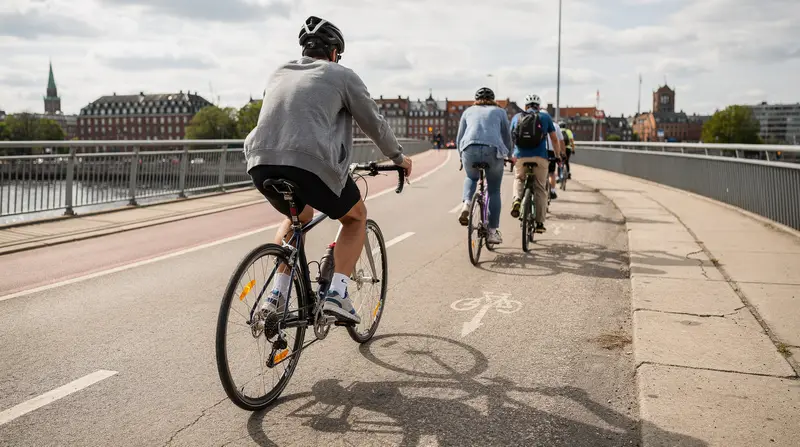
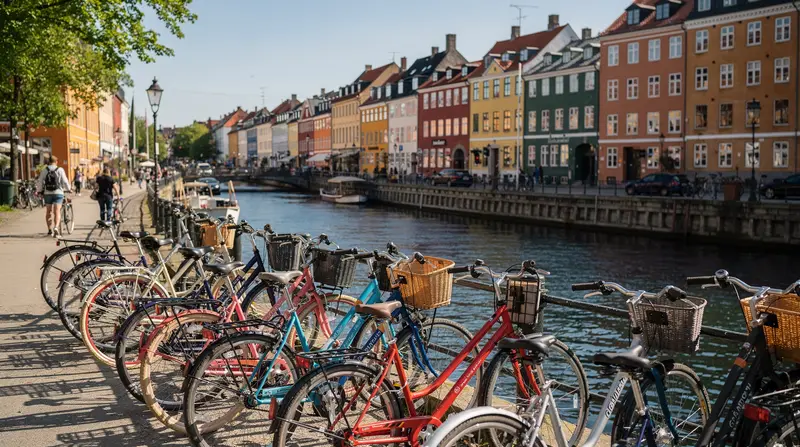
Renting your own bike: Baisikeli (Ingerslevsgade 80, Vesterbro): 120–150 DKK per day. Donkey Republic app: ~50 DKK/hour. Renting and cycling self-guided is the cheapest option per hour but requires knowing where to go.
12:00 — Assistens Cemetery, Nørrebro (free)
Assistens Cemetery in Nørrebro is one of Copenhagen’s least-visited worthwhile sites. Hans Christian Andersen and Søren Kierkegaard are buried here, among Danish artists, scientists, and ordinary Copenhageners. The cemetery functions as a park — Danes picnic here, jog through it, and sunbathe in summer. Entry: free. A self-guided walk with a map (available at the entrance) of the notable graves takes 45–60 minutes.
13:30 — Lunch at Nørreport / Torvehallerne
Return to Torvehallerne for the final lunch. On a budget: a smørrebrød piece and a bottle of water: 75–100 DKK. Or a grain bowl with toppings: 100–130 DKK. This is where the Copenhagen Card’s café discounts (some stalls offer them) make a small difference.
15:00 — Frederiksberg Gardens (free)
Take the metro to Frederiksberg and walk through Frederiksberg Gardens — a romantic landscape park with a palace on an artificial hill, peacocks on the grounds, and rowing boats for hire in summer (50–70 DKK/hour). The park is one of the most pleasant free spaces in Copenhagen and almost completely tourist-free.
Copenhagen Zoo is at the edge of the gardens (entry 250 DKK adults) — not a budget option, but the park perimeter along the zoo fence lets you see some animals for free.
17:00 — Harbour baths (free, summer only)
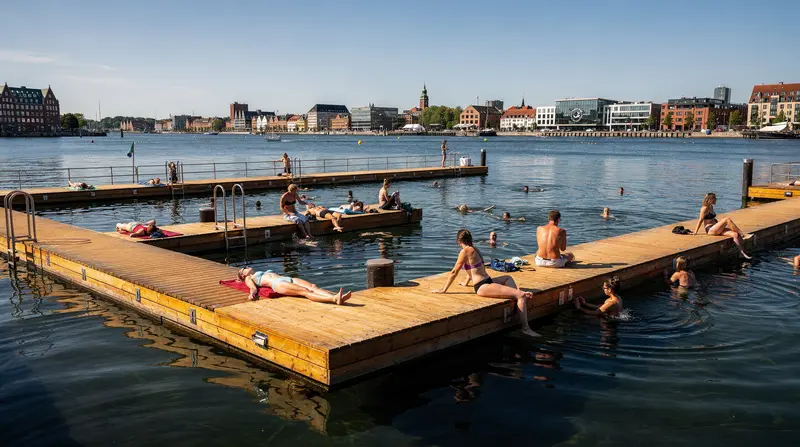
Islands Brygge harbour baths (open June to August) are free public swimming pools in the Copenhagen harbour, with diving platforms, lanes, and a children’s area. The water quality is monitored and the location — in the harbour with a view of the city — makes this one of the most surprising free experiences in the city.
Open: 07:00–19:00 weekdays, 09:00–19:00 weekends. No entry charge. Bring a towel and swimwear.
19:00 — Final evening: the most honest cheap dinner
Reffen street food market (May–October) is the best final dinner for budget travellers. Bus 2A from Kongens Nytorv (26 DKK one way) to Refshaleøen. The market has 50+ food vendors from Thai to Brazilian to Nordic. Budget: 120–150 DKK for a full meal and a drink. The outdoor waterfront setting is exceptional in summer evenings. Go before 19:00 to avoid the longest queues.
If Reffen is closed (October–April): Papirøen (same area) has indoor food options in winter. Alternatively, the Meatpacking District (Kødbyen) in Vesterbro has craft beer bars and restaurants in the 130–180 DKK main course range.
Budget tracking: 3 days in Copenhagen
Per person target: under 1,200 DKK per day
| Item | Day 1 | Day 2 | Day 3 |
|---|---|---|---|
| Breakfast | 50 DKK | 50 DKK | 85 DKK |
| Lunch | 100 DKK | 100 DKK | 100 DKK |
| Dinner | 120 DKK | 130 DKK | 150 DKK |
| Drinks/snacks | 100 DKK | 100 DKK | 80 DKK |
| Transport | 100 DKK | 80 DKK | 80 DKK |
| Attractions | 40 DKK (Rundetårn) | 145 DKK (canal) + 170 DKK (Rosenborg) | 0–280 DKK |
| Daily total | ~510 DKK | ~775 DKK | ~495–775 DKK |
| 3-day total | ~1,780–2,060 DKK |
Add accommodation (hostel dormitory: 250–400 DKK/night; budget private room: 550–900 DKK/night).
Free and cheap experiences this plan doesn’t have room for
Even a tightly packed 3-day budget plan leaves things out. The free things to do in Copenhagen guide has a longer list than fits here, including several parks and viewpoints this itinerary skips for time. If cycling appeals more than the free walking tour on Day 3, the bike rental Copenhagen guide compares Donkey Republic, Baisikeli, and the city bike-share system in more depth, including which is actually cheapest for a full day versus a few hours. And if you are weighing whether the trip is worth extending, the is Copenhagen expensive guide puts these daily numbers in context against other European capitals.
Stretching this budget plan to more days
If three days on this budget feels rushed, the honest options are to extend at the same daily rate or accept a slightly higher spend for a fourth day. The copenhagen-on-50-euros-a-day blog post covers the more extreme end of budget travel here if 500–775 DKK per day is still too high for your trip. For a longer, less compressed pace at a similar spend level, the 2-day itinerary can be read alongside this one and adapted with the same free-attraction substitutions.
Frequently asked questions about Copenhagen on a budget
Is Copenhagen really that expensive?
Yes. Denmark’s high wages, high VAT (25%), and strong consumer protection standards mean prices for food, drink, and services are higher than western European averages. A beer in a bar costs 70–110 DKK (€9–15). A sit-down restaurant main course: 150–280 DKK. A coffee: 45–65 DKK. These are not tourist inflated prices — they reflect what Danes pay too. The good news: the public transport, museums, and free parks are excellent.
What is genuinely free in Copenhagen?
National Museum of Denmark (permanent collection), SMK National Gallery (permanent collection), Glyptotek (Tuesdays), Christiansborg Palace Tower (reservation required), the King’s Garden, Frederiksberg Gardens, Assistens Cemetery, the harbour promenade, Amager Strandpark (beach), all public parks, the changing of the guard at Amalienborg (noon daily), and the Torvehallerne market itself (eating costs money, browsing is free).
Should I get the Copenhagen Card on a budget trip?
Only if you plan to visit multiple paid attractions. Run the numbers with your specific plan. If you visit Rosenborg (170 DKK), Christiansborg reception rooms (160 DKK), Den Blå Planet (185 DKK), and Experimentarium (230 DKK) plus use the metro for 3 days (~300 DKK), the 72-hour card at 1,099 DKK saves you approximately 146 DKK. If you substitute free museums for paid attractions, the card does not pay off.
Where is the cheapest food in Copenhagen?
Supermarkets (Netto, Fakta, Lidl) for self-catering. The pølsevogn (red sausage wagon) street carts for hot dogs at 38–50 DKK. Shawarma and falafel on Nørrebrogade for 80–100 DKK. Torvehallerne for smørrebrød at 45–75 DKK per piece. Reffen street food (May–October) for 110–150 DKK full meals. The most expensive food options are: Nyhavn restaurants, Strøget area cafés, and hotel breakfasts.
Is it possible to visit Copenhagen for 50 euros a day?
Approximately 375 DKK. This is tight but possible for one day if you: sleep in a hostel dorm (not counted), eat supermarket food for all meals (~150 DKK), use only free attractions, and limit transport to 2 metro trips (~52 DKK). It is not comfortable for 3 days because you miss all the paid experiences that make Copenhagen worth visiting. Budget 700–900 DKK per day as a realistic low-spend target.
What is the biggest money waste in Copenhagen?
In order: Nyhavn restaurant meals (tourist pricing, 30–60% premium), hotel breakfast (200–300 DKK per person for what costs 50 DKK from a supermarket), canal boats departing from Nyhavn (significantly more expensive than Gammel Strand boats for similar routes), the Little Mermaid as a destination rather than a stop on a walk, and the Copenhagen Airport food and drink (buy everything before you reach the airport).
Top experiences
Bookable activities with verified prices and instant confirmation on GetYourGuide.