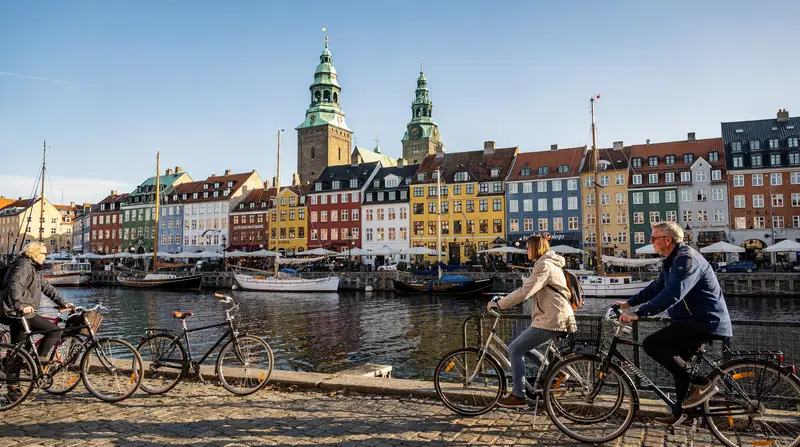
Copenhagen 2-Day Itinerary: The Perfect Weekend City Break
Copenhagen: Canal Cruise with Guide
Duration: 1 hour
| Where | Indre By, Christianshavn, Christiania, Vesterbro, Tivoli |
| Cost | Around 2,620 DKK per couple, excl. accommodation |
| Time needed | Two full days |
| Getting there | Metro M1/M2 from CPH airport, 24/7, 26 DKK single |
| Best time | May or September for mild weather and manageable crowds |
Overview
Two days in Copenhagen is the right minimum for a first visit. It gives you enough time to cover the historic core, the canals, Christianshavn, and one cultural institution in depth — without the pressure of checking boxes every 45 minutes. The itinerary is structured by neighbourhood to minimise backtracking, which matters in a city where most visitors stay within a 3-kilometre radius.
Day 1 covers Nyhavn, Indre By (the old town), the canal cruise, Rosenborg, and Torvehallerne. Day 2 covers Christianshavn, Christiania, Vesterbro, and Tivoli. Neither day requires a car or a pre-booked tour (though both are noted where they add value).
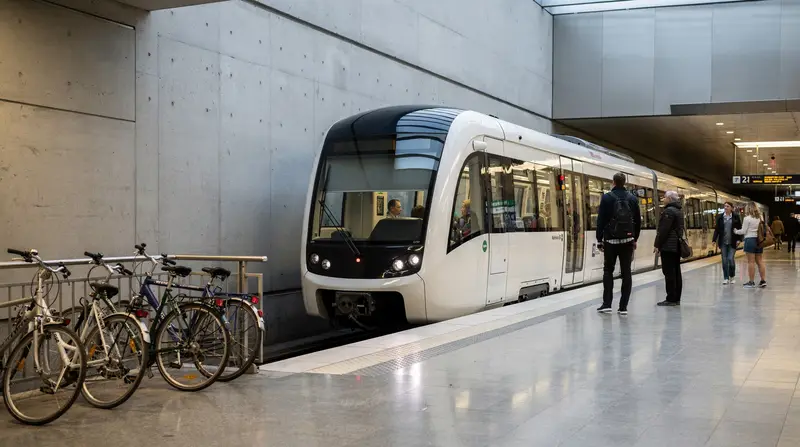
Transport: buy a City Pass (24-hour: 80 DKK, 48-hour: 140 DKK) for unlimited metro and bus access, or use single tickets at 26 DKK each. The metro M1/M2 runs 24/7.
Day 1 — Indre By, the canals, and Rosenborg
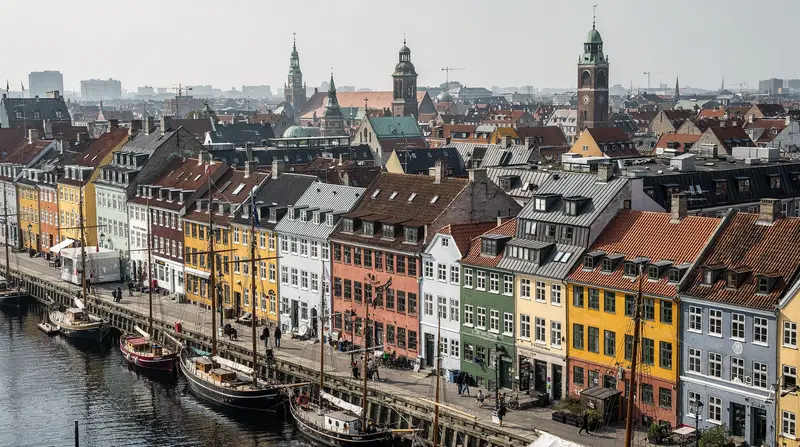
08:00 — Nyhavn before the crowds
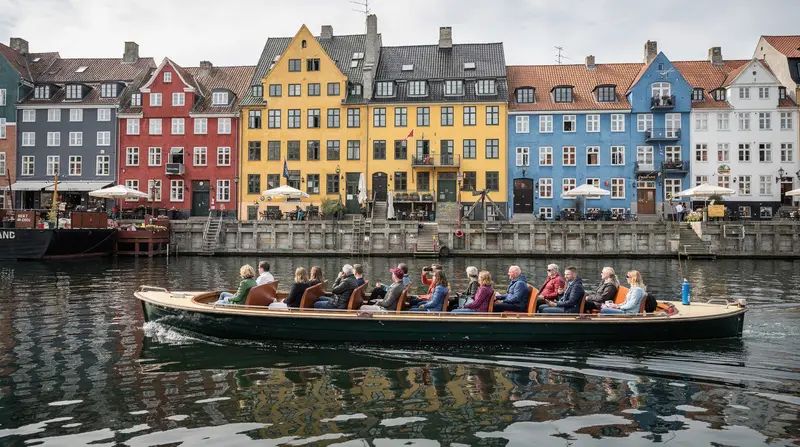
Arrive at Nyhavn early. The canal and painted townhouses photograph better before 09:00. Most canal-side restaurants open at 10:00 or later; pick up a coffee and pastry from a takeaway counter (35–50 DKK). The kaffe and kanelbullar at small bakeries along Vingårdsstræde one block back from the canal are considerably cheaper and better than anything on the waterfront itself.
The canal at Nyhavn runs east from Kongens Nytorv. Hans Christian Andersen lived in three buildings on this street (numbers 18, 20, and 67). The coloured houses on the north side were workshops and warehouses; the south side (where you walk) was the sailors’ end. This detail matters: it inverts the postcard narrative.
09:30 — Canal cruise from Gammel Strand
Walk west from Nyhavn via Strøget to Gammel Strand (12 minutes on foot). Boats depart approximately every 30 minutes in summer; the guided one-hour cruise is the recommended format. Cost: 110–140 DKK per adult.
The cruise loops through Christianshavn’s canals, past Christiania’s waterfront, under the low bridges of the old canal district, and back up the harbour past the Opera House (opened 2005, a gift to the Danish state worth 2.5 billion DKK) and Amalienborg Palace. You will not need to walk separately to the Little Mermaid — the cruise passes close enough.
Worth it: unambiguously. The 60 minutes give you the city’s geography more clearly than two hours on foot.
11:00 — Rosenborg Castle and Crown Jewels
Take the canal cruise back to Gammel Strand and walk north through Indre By to Rosenborg (20 minutes on foot). Alternatively, one stop on metro M1/M2 from Kongens Nytorv to Nørreport, then 12 minutes walking through the King’s Garden.
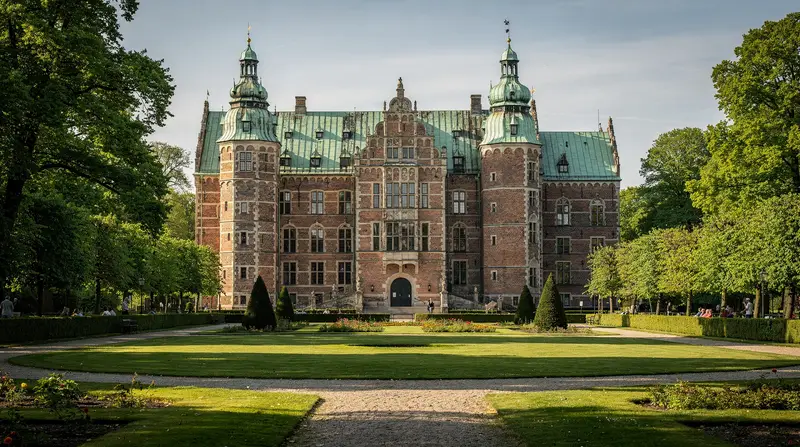
Entry: 150 DKK adults, free under 18. The Crown Jewels in the basement treasury are the highlight — Denmark’s regalia used until 1840, housed in three thick-walled chambers. The castle floors above show royal apartments from Christian IV (1600s) to the 19th century. Budget 90 minutes.
The King’s Garden (Kongens Have) around the castle is free, pleasant, and worth 15 minutes before lunch. It is one of the less crowded parks in the centre.
13:00 — Lunch at Torvehallerne
Five-minute walk northwest from Rosenborg. Two glass market halls, approximately 60 stalls. Smørrebrød (rye bread, open-faced): 85–110 DKK. Coffee: 40–55 DKK. The market is at its busiest 12:00–13:30; arriving just after 13:00 helps. The back hall (Hall 2) is better for hot food; Hall 1 has more artisan grocery produce.
What to order: leverpostej (liver pâté) on rye with pickled cucumber, or roast pork smørrebrød with red cabbage. Both are genuinely Danish and considerably more interesting than a sandwich.
14:30 — Rundetårn and Indre By streets
The Round Tower is a 12-minute walk south from Torvehallerne into the pedestrian streets of Indre By. Entry: 40 DKK. The spiral ramp takes you to a 360-degree rooftop platform. Allow 30–45 minutes. The views are clearer than the taller Christiansborg tower because you face north-east across the low rooflines of the old town.
After the tower, spend an hour in the side streets of Indre By. Grønnegade, Læderstræde, and Gammel Mønt contain independent design shops, ceramics studios, and secondhand bookshops. This is where Copenhagen’s much-promoted design culture is actually present and available at non-museum prices.
16:30 — Nørrebro walk or rest
Optional extension: take the metro M2 to Nørreport and walk north to Nørrebro, one of the city’s most interesting neighbourhoods. The main street, Nørrebrogade, runs through a genuinely mixed area with Turkish bakeries, natural wine bars, and vintage shops. Coffee at Mirabelle (Guldbergsgade) or one of the smaller cafés on the side streets.
If your accommodation is in the city centre, head back via metro and rest before evening.
18:00 — Dinner in Indre By or Nyhavn
Copenhagen restaurant reality: a main course at a mid-range restaurant costs 175–250 DKK. A nice dinner for two with drinks is realistically 700–1,100 DKK (~95–150 €). Nyhavn itself is convenient but prices are inflated by 20–30% compared to identical food two streets back.
Better option: walk one block from Nyhavn to find sit-down restaurants on Toldbodgade or Bredgade where the same food costs less and the tourists are fewer. Book in advance for weekends from April to September.
20:00 — Evening by the harbour
The Copenhagen waterfront south of Nyhavn — past the Opera House landing — is quiet in the evening and gives a different perspective than the daytime cruise. The Black Diamond (Det Kongelige Bibliotek) building reflects the water; access to the ground floor is free. A walk from Nyhavn south to the Royal Library and back is 3 km and takes about 45 minutes.
Alternatively, walk through Indre By, which is livelier in the evening around the small bars near Studiestræde and Sankt Peders Stræde.
Day 2 — Christianshavn, Christiania, Vesterbro, and Tivoli
08:30 — Breakfast and Christianshavn
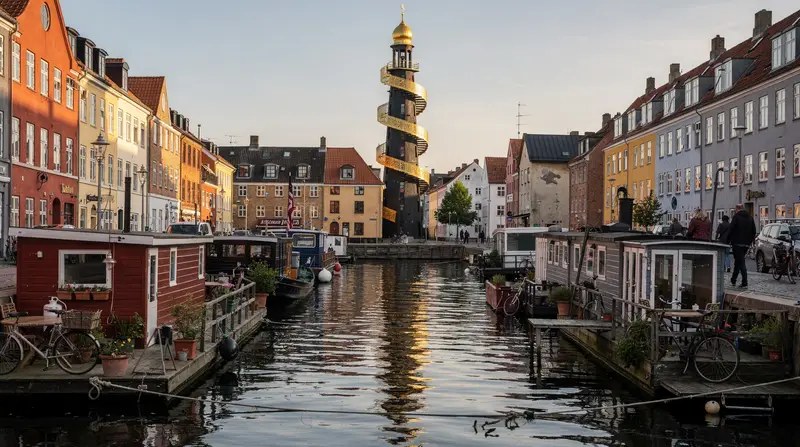
Take the metro M1 to Christianshavn (one stop from Kongens Nytorv) or walk across the Knippelsbro bridge (25 minutes from Nyhavn). Christianshavn is the canal-laced neighbourhood on the island of Amager, separated from the main city by the inner harbour.
The neighbourhood is calmer than the tourist core and has the character of a canal town. Overgaden oven Vandet (the street running along the main Christianshavn canal) is particularly pleasant in the morning. Have breakfast at one of the local cafés along the canal: budget 60–100 DKK for coffee and a pastry.
The Church of Our Saviour (Vor Frelsers Kirke) has an external spiral staircase you can climb for views over Christianshavn. Entry: 75 DKK adults. Open seasonally (closed in winter). The climb is 400 steps and the upper section of the external staircase is narrow and exposed — worth knowing before you go with young children.
10:00 — Christiania guided tour
Freetown Christiania is a self-governing community of approximately 900 residents on a former military base within Christianshavn. It was established in 1971 and has operated under a partially negotiated legal status since then. Entry to the open parts is free; Pusher Street (where cannabis has historically been sold semi-openly) is a part of the community but photography there is strongly discouraged and the residents are clear about this.
A guided tour (approximately 2 hours, 250–350 DKK) gives significantly more context than walking alone. The guided version covers the political and social history, the architecture, and the ongoing tension with the Danish state. Without a guide, you see the murals and the market; with one, you understand what you are looking at.
The area covers about 34 hectares and includes galleries, workshops, a music venue (Christiania’s concert hall hosts major acts), and community-built houses. The natural area along the ramparts is the most architecturally distinctive part.
12:00 — Reffen Street Food
Walk or bike 15 minutes north along the harbour to Reffen, the large street food market on Refshaleøen (the former industrial island). Approximately 50 stalls representing a dozen countries. Open Thursday–Sunday, May to October, 11:00–21:00. Entry is free.
Reffen has no GYG product associated with it — it is simply a market. Prices are fair (80–130 DKK for a proper meal). The setting is waterfront with views back to the Opera House. It is busy on weekends but well laid out. Best option for a casual lunch that avoids the tourist-tax pricing of the old town.
If Reffen is closed (weekdays or out of season), return to Christianshavn’s canal streets for lunch.
13:30 — Bike tour of the city
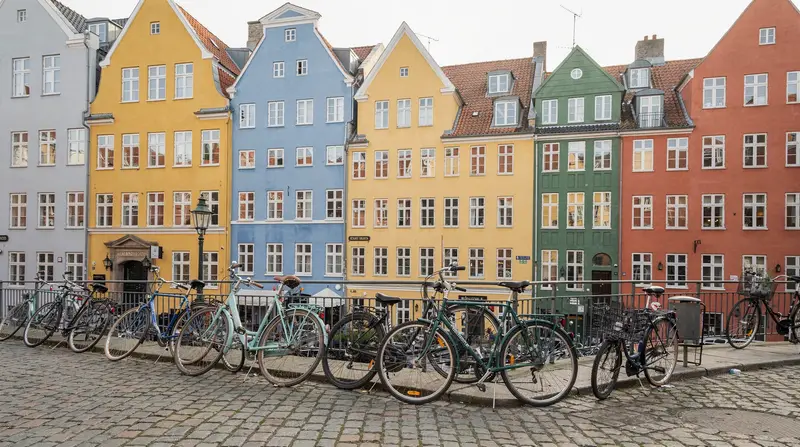
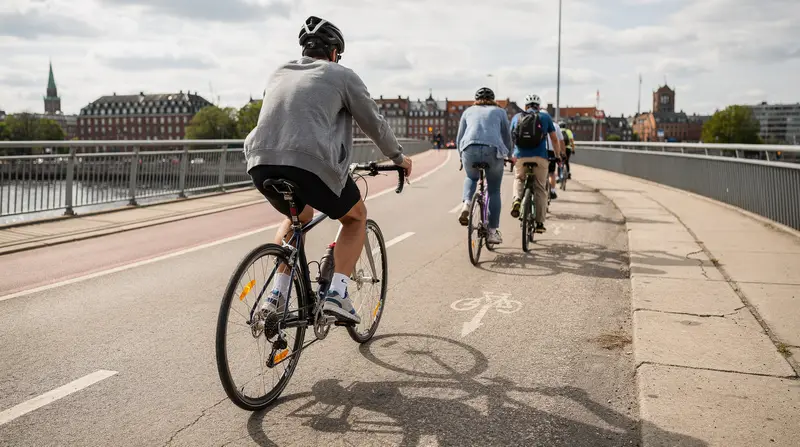
Two days is enough time to get on a bike. Copenhagen has approximately 400 km of dedicated cycle paths and cycling alongside locals in the city gives a completely different perspective than walking tourist corridors.
A guided 3-hour bike tour covers Nyhavn, Amalienborg, the Lakes, Nørrebro, and often Frederiksberg — ground that would take a full day on foot. The bike is provided; no experience beyond basic cycling is required. Cost: approximately 350–450 DKK per person.
Self-rental alternative: Bycyklen (Copenhagen City Bikes) are electric-assist bikes available at stands throughout the city. Cost: 30 DKK for the first 60 minutes, 10 DKK each subsequent 15 minutes — not cheap for a full day but fine for an afternoon. The app handles booking and unlocking.
15:30 — Vesterbro and Meatpacking District
Take the metro M1 from Christianshavn to Enghave Plads or cycle west through Vesterbro. The neighbourhood runs west from Central Station and contains the Meatpacking District (Kødbyen) — former slaughterhouse buildings now housing galleries, restaurants, and bars.
During the day, the Meatpacking District is quiet but navigable. Several galleries have free daytime entry. The Carlsberg Experience is 15 minutes further west (entry: 145 DKK), showing the brewery history with beer tastings. It is genuinely well-done for an industrial museum.
Coffee and cake at one of Vesterbro’s many third-wave cafés: budget 50–70 DKK.
17:30 — Pre-Tivoli dinner
Vesterbro has some of Copenhagen’s better value restaurants. Istedgade — the main street — has everything from Vietnamese to New Nordic on a budget. A proper dinner before Tivoli costs 150–220 DKK per person here vs. 250–450 DKK inside Tivoli.
If you want the full Tivoli experience including dinner, the lakeside restaurants inside the gardens are pleasant. Book in advance for weekends.
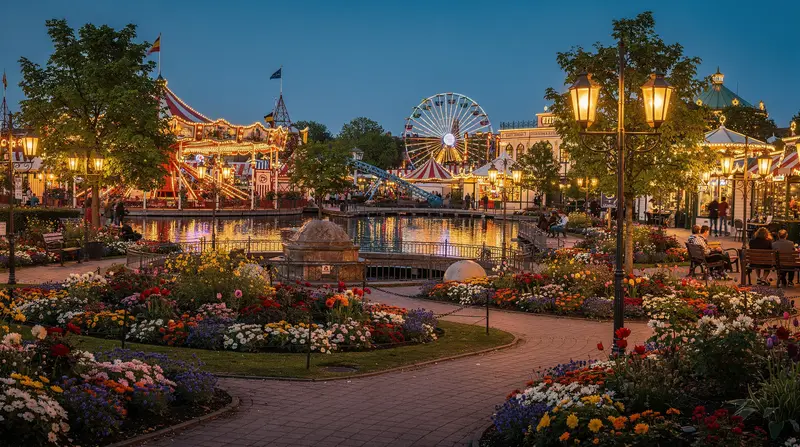
19:00–22:00 — Tivoli Gardens
Tivoli in the evening is the correct format. Entry: 170 DKK adults (book online to avoid queues). The lights come on at dusk; the pantomime theatre has free performances on an irregular schedule (check the board at the entrance). Live music in the concert hall most evenings in summer (separate ticket: 100–400 DKK depending on the act).
Tivoli is 1.8 km from Central Station — walk or take the metro M1/M2 to København H. Closing time varies: typically 23:00 on weekends in summer. Check the specific calendar for your dates as seasonal events (Halloween, Christmas) change the schedule.
The unlimited rides pass (approximately 260 DKK on top of entry) is worth it if you have children or specifically want the rollercoasters. For an evening garden walk with shows and a drink, the standard entry ticket is sufficient.
Budget guide for 2 days
| Item | Approx. DKK |
|---|---|
| Canal cruise ×2 adults | 260 |
| Rosenborg entry ×2 | 300 |
| Rundetårn ×2 | 80 |
| Christiania guided tour ×2 | 600 |
| Tivoli entry ×2 | 340 |
| Food ×2 days (meals + coffee) | 900 |
| Metro/transport | 140 |
| Total per couple | ~2,620 DKK (~350 €) |
This excludes accommodation and the bike tour. The Copenhagen Card at 839 DKK per adult for 48 hours covers most paid entries and transport — worth calculating against your specific plan.
Where to eat if you want to go beyond this route
This itinerary keeps meals practical rather than exhaustive, but Copenhagen’s food scene deserves more than a passing mention. If New Nordic cuisine interests you but Noma-level prices do not, the new-nordic-on-a-budget guide lists mid-range restaurants applying the same seasonal, foraged philosophy at a fraction of the tasting-menu cost.
For smørrebrød specifically, the smørrebrød guide is worth reading before Day 1’s Torvehallerne lunch — it explains which toppings are traditional and which stalls are aimed at tourists rather than locals. Coffee obsessives should detour slightly for the best coffee in Copenhagen guide, which covers roasters beyond the well-known chains.
Extending or compressing this plan
If two days turns out to feel rushed — a common outcome once people are actually walking the route — the 3-day itinerary adds Frederiksstaden and a Malmö day trip without changing the structure of Days 1 and 2 much at all. Conversely, if you only have a single day and need to cut this plan down, the 1-day itinerary shows which stops to prioritise. Cyclists short on time should also look at biking in Copenhagen: swapping the metro for a rental bike on Day 2 can compress the Christianshavn-to-Vesterbro leg from 25 minutes to under 15.
Frequently asked questions about a 2-day Copenhagen weekend
Is two days enough for Copenhagen?
Two days covers the main highlights — Nyhavn, a canal cruise, Rosenborg, Christianshavn, Christiania, and Tivoli — if you are organised. You will miss Frederiksstaden in depth, the National Museum, day trips, and most of the outer neighbourhoods. Three days is the comfortable minimum for a first-time visitor who wants to leave without an obvious gap.
Should I stay in Indre By or closer to Vesterbro?
Indre By puts you 10 minutes on foot from Nyhavn, Rosenborg, and Strøget. Vesterbro puts you 5 minutes from Tivoli and Central Station. Both are well connected by metro. For a two-day visit focused on the canal and palace sights, Indre By or Nyhavn area is more convenient on Day 1; either works for Day 2.
Is Christiania safe to visit?
Yes. Christiania is a functioning neighbourhood, not a lawless zone. The vast majority of visitors walk through without incident. The main thing to know: do not photograph Pusher Street — the residents are serious about this and cameras have been damaged in the past. The guided tour makes this explicit and the guide can navigate the visit sensibly.
What is the Copenhagen Card and is it worth it for a weekend?
The 48-hour Copenhagen Card costs 839 DKK per adult (approximately 112 €) and covers unlimited metro and bus travel plus free or discounted entry to 80+ sights including Rosenborg (150 DKK), the National Museum, Glyptotek, and Tivoli. For a two-day visit hitting three or four paid sights plus six or more metro journeys, the maths usually works out in favour of the card.
Can I do Copenhagen in two days without a car?
Completely. The metro M1/M2 connects the airport to the city centre and links all main tourist areas. The city centre is compact enough to walk between most attractions on this itinerary. A car is actively unhelpful in the city centre due to limited parking and one-way systems.
When is the best time to visit for a weekend break?
May and September are optimal: summer temperatures (15–22°C), smaller crowds than July, and most venues fully open. July has the longest days (sunset after 21:30 in late June) but higher prices and more tourists. December is worthwhile specifically for Tivoli’s Christmas season, which runs late November to early January.
How much does a weekend in Copenhagen cost?
Roughly 4,000–6,000 DKK (~540–800 €) per couple for two days, including mid-range accommodation (1,200–2,000 DKK per night), meals, entry fees, and transport — excluding flights. Copenhagen is expensive by European standards; budget accordingly or focus on free and lower-cost options (King’s Garden, harbour walks, Reffen market).
Top experiences
Bookable activities with verified prices and instant confirmation on GetYourGuide.