What to Eat in Copenhagen: The Honest Food Guide
Copenhagen: A Taste of Denmark Tasting Tour
Duration: 4 hours
What is the must-eat food in Copenhagen?
Smørrebrød (open-faced rye bread), the classic Danish hot dog from a pølsevogn, and a kanelsnegl from a proper bakery. Copenhagen is also the global capital of New Nordic cuisine — from budget bodegas to Michelin tables, the food scene is genuinely world-class, but budget at least 150–250 DKK per person for a decent sit-down lunch.
Copenhagen’s food scene, honestly assessed
Copenhagen punches well above its weight for food. This is the city that effectively invented New Nordic cuisine, has more Michelin stars per capita than almost anywhere in Europe, and — more practically — has a bakery culture that will ruin all other pastries for you.
It is also expensive. Genuinely, unflinchingly expensive. A casual lunch for two with drinks will cost 400–600 DKK (roughly €55–80). Dinner at a decent restaurant, 800–1200 DKK for two. You will spend more on food in Copenhagen than almost any other city in Europe.
This guide covers every tier honestly: what to splurge on, where to eat well on a budget, and which famous spots are more hype than substance.
If you want a guided introduction, the Taste of Denmark food tour covers the main categories — smørrebrød, pastries, Nordic classics — in four hours with a local guide.
| Where | Torvehallerne (Indre By), Reffen (Refshaleøen), Nørrebro, Vesterbro/Kødbyen |
| Cost | Around 40–60 DKK street food, 150–250 DKK sit-down lunch, 300–600 DKK dinner |
| Time needed | A full trip’s worth — food is worth building a day plan around |
| Getting there | Central spots walkable from Indre By; Reffen needs bus 9A or the harbour ferry |
| Best time | Lunch (12:00–14:00) for smørrebrød deals; April–October for Reffen |
The essentials: Danish food you actually need to try
Smørrebrød — the national dish
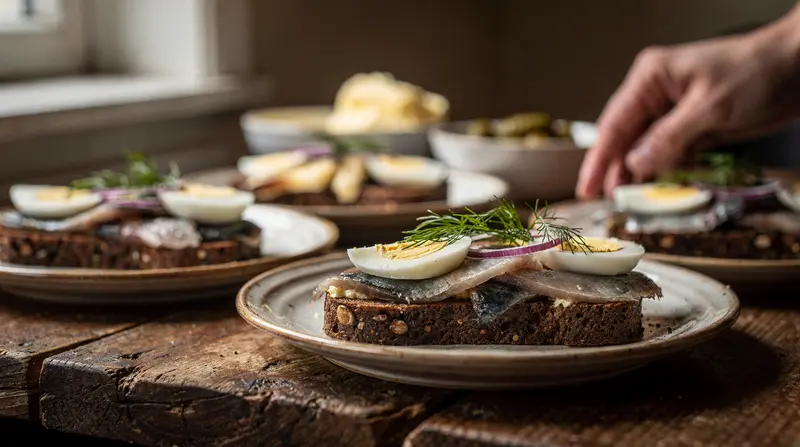
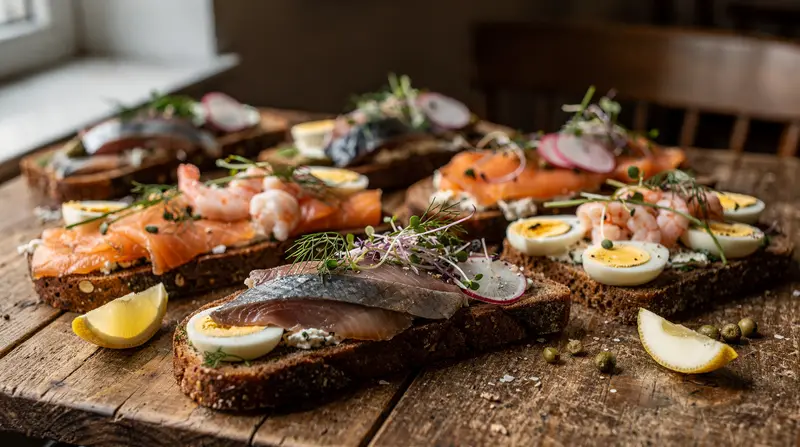
Smørrebrød (literally “butter bread”) is an open-faced sandwich on dense, slightly sour rye bread called rugbrød. The bread itself is darker, denser and more nutritious than what you find elsewhere in Europe — it is the backbone of Danish food culture.
Classic toppings include:
- Sild (herring) — pickled, marinated, or fried, always with raw onion and capers
- Roastbeef — thin slices with remoulade, crispy onions and gherkins
- Leverpostej — warm liver pâté on toast with bacon and mushrooms
- Rejer — cold-water shrimp piled high with mayonnaise and dill on a buttered white bread variant
- Æg og rejer — egg and shrimp, a classic combo
The craft of smørrebrød is in the assembly: every element earns its place, nothing is random. A well-made smørrebrød at a proper restaurant is a genuinely artistic thing.
Where to eat smørrebrød:
- Torvehallerne market: the best value entry point, 80–120 DKK per piece at stalls like Hallernes Smørrebrød
- Aamanns 1921 (Niels Juels Gade 19): the modern benchmark — creative, seasonal, around 200–280 DKK for lunch
- Restaurant Schønnemann (Hauser Plads 16): the classic, open since 1877, cash-only at lunch, expect 250–350 DKK and book weeks ahead
- Selma (Elmegade 25, Nørrebro): neighbourhood favourite, excellent value, 150–200 DKK for lunch
See the dedicated smørrebrød guide for the full breakdown.
The Danish hot dog — rød pølse
The pølsevogn (hot dog cart) is a Copenhagen institution dating to the 1920s. Look for the red sausages — rød pølse — boiled bright red and served in a bun or as a French hot dog (pushed into a hollowed baguette filled with mustard, ketchup, remoulade and fried onions).
Price: 40–60 DKK. They are genuinely good. The DØP pølsevogn near Rådhuspladsen (City Hall Square) is particularly reliable.
Verdict: skip this and you have missed something authentically Danish.
Kanelsnegl and Danish pastries
The word “Danish” means something specific in Denmark: viennoiserie (wienerbrød) brought to Denmark by Austrian bakers in the 19th century, transformed into something distinctly Danish over generations.
Key pastries:
- Kanelsnegl — the cinnamon swirl, best eaten warm, 35–50 DKK
- Spandauer — a round pastry with vanilla custard and icing
- Tebirkes — flaky pastry with remonce (marzipan filling) and poppy seeds
- Hindbærsnitte — raspberry slice, very Danish, very good
The best bakeries are not the tourist-facing ones in Strøget. The full breakdown is in the Copenhagen bakeries guide, but the short list: Hart Bageri (Gammel Kongevej 109), Juno the Bakery (Århusgade 48, Nørrebro), and Andersen Bakery (multiple locations).
New Nordic cuisine
New Nordic is a philosophy: use Scandinavian ingredients, work with the seasons, apply modern technique and creativity. René Redzepi’s Noma codified it from 2003 onwards; today the movement runs from Michelin temples to street food stalls.
At the high end: a tasting menu at a two-star restaurant costs 1800–3000 DKK per person, often without wine. Noma is closed as a restaurant (pivoted to a food lab), but its alumni run a significant portion of Copenhagen’s best dining.
At the accessible end: several places interpret New Nordic ideas affordably. The New Nordic food tour covers this in detail.
If you want to explore this without committing to a tasting menu budget, the New Nordic food tour with tastings is a practical 4-hour option.
Food by budget tier
Budget: under 100 DKK per meal
Hot dog carts (pølsevogn): 40–60 DKK for a full meal. Still the best budget eat in the city.
Bakeries: Breakfast or lunch under 80 DKK — coffee plus two pastries at a neighbourhood bakery.
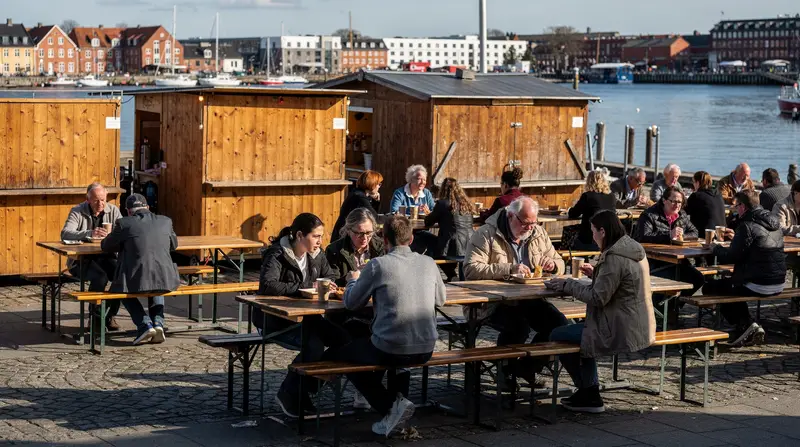
Reffen street food (Refshaleøen): 80–120 DKK per dish at the container-village market. The quality is consistently high. Accessible by bus or harbour bus from the city centre. Full guide: Reffen street food guide.
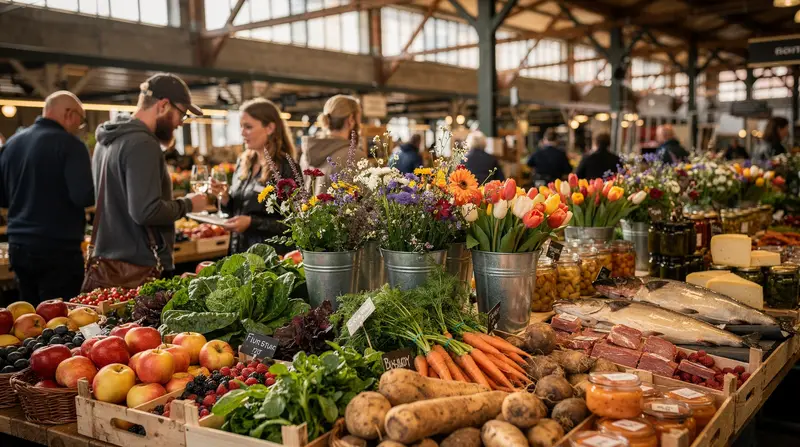
Torvehallerne market stands: Most stalls sell dishes from 80–130 DKK. The covered market on Israels Plads is the most reliable budget-quality option in central Copenhagen. Full guide: Torvehallerne market guide.
Shawarma and pizza: Nørrebro and Vesterbro have strong Middle Eastern and pizza options from 60–100 DKK. Not uniquely Danish but genuinely good and affordable.
Mid-range: 150–400 DKK per person
This is where Copenhagen eating becomes genuinely exciting. Most neighbourhood restaurants with serious cooking land here.
- Geranium’s sibling venues and New Nordic bistros around Nørrebro and Vesterbro
- Smørrebrød lunch restaurants — Aamanns 1921, Selma, Slotskælderen (under Christiansborg)
- Natural wine bars with food: Kul (Vesterbro), Warpigs (Meatpacking District), various
- Meatpacking District (Kødbyen): the best restaurant neighbourhood in Copenhagen — concentrated, walkable, genuinely good across cuisines
A good Vesterbro meal: dinner at Fiskebar (fish, 300–450 DKK), Kadeau (New Nordic island cooking, around 400 DKK for their bistro lunch).
Splurge: 600–3000+ DKK per person
Copenhagen’s top end is world-class and priced accordingly. Current two and three-Michelin-star options (Geranium, Alchemist, AOC, Studio, Jordnær) all require booking months ahead and budget 1500–3000 DKK per person including wine.
Honest assessment: if fine dining is a priority, Copenhagen is genuinely among the world’s best cities for it. If you are not a food enthusiast, the mid-range neighbourhood scene delivers excellent value for the city.
Neighbourhood food guide
Torvehallerne area (Indre By / Nørreport)
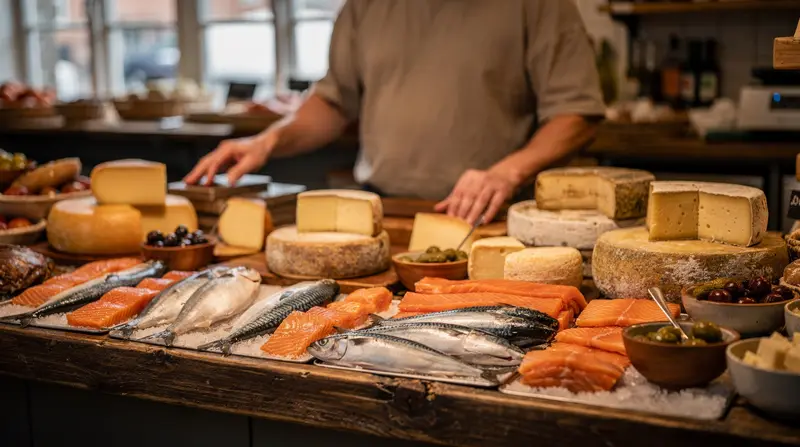
The covered market at Israels Plads is the most convenient starting point for food exploration. Two glass halls, open daily (Monday–Friday 10:00–19:00, Saturday 10:00–18:00, Sunday 11:00–17:00). Coffee, smørrebrød, charcuterie, fresh fish, pastries, raw ingredients.
Meatpacking District (Kødbyen, Vesterbro)
Former slaughterhouse district turned restaurant quarter. The white-tiled buildings hold some of Copenhagen’s most respected restaurants. Best visited for dinner: Fiskebar (fish), Warpigs (BBQ and craft beer from Mikkeller), Fleisch (charcuterie and natural wine). Not glamorous-looking but serious about food.
Nørrebro
Copenhagen’s most multicultural neighbourhood, also its most interesting eating district for diversity and value. Jægersborggade alone has exceptional cafés and restaurants. Middle Eastern, South Asian, Nordic bistros, natural wine bars. Prices are lower than the centre by around 20–30%.
Refshaleøen (Reffen)
The island across the harbour from Christianshavn hosts Reffen, Copenhagen’s best street food market (seasonal, typically April–October). See the dedicated Reffen guide.
Nyhavn — the honest warning
Nyhavn is one of the most photographed spots in Denmark and one of the worst places to eat. The restaurants in the colourful houses charge a 40–60 DKK location premium on every dish. The food is not bad, but it is mediocre for the price. If you want to eat near the water, walk to the harbour front at Ofelia Plads or take the harbour bus to Islands Brygge instead.
What to drink
Coffee
Copenhagen has a genuinely world-class speciality coffee scene. The three most respected roasters with cafés: Coffee Collective (multiple locations), Prolog Coffee Bar (Meatpacking District), La Cabra (Frederiksberg and Indre By). Expect 45–65 DKK for a flat white. See the Copenhagen coffee guide.
Craft beer
Denmark punches above its weight in craft beer. Mikkeller (founded in Copenhagen) operates multiple bars; To Øl, Brus, and Warpigs are other strong names. A craft pint costs 80–120 DKK in most bars. The craft beer guide covers the best bars.
Aquavit
The Nordic spirit — caraway and dill-flavoured aquavit — is served ice-cold and pairs surprisingly well with smørrebrød. Order a snaps alongside your herring and eat like a Dane.
Food tours worth considering
If you have limited time or want context for what you are eating, a food tour covers ground efficiently. The most useful options:
- Taste of Denmark tasting tour — 4 hours, covers smørrebrød, pastries, Nordic classics (around 650 DKK)
- Food tour with 6+ tastings of Danish classics — walking tour hitting multiple spots
- Evening gourmet walk with food and drinks — good for the atmosphere of a Copenhagen evening
Honest note: food tours work best when you arrive knowing nothing. If you spend an hour with this guide beforehand, you may prefer to explore independently — but the tours are legitimate and not touristy.
Practical realities
Tipping: Not expected in Denmark. Round up at a café if you want; do not stress about a percentage.
Cash vs card: Denmark is nearly cashless. Cards (including foreign cards) are accepted almost everywhere. The main exception is older smørrebrød institutions like Schønnemann, which takes cash only at lunch.
Reservations: Essential for any destination restaurant. Many popular spots book up 2–6 weeks ahead. Use the restaurant’s own site, The Fork, or OpenTable. For Michelin-level places, book the day their reservation window opens (often 60 or 90 days ahead).
Opening hours: Lunch typically 12:00–14:00; dinner 18:00–22:00. Many neighbourhood restaurants close on Sundays or Mondays. Bakeries open early (07:00–08:00) and sell out of the best pastries by 10:00–11:00.
Allergies and diet: Danish food is heavily meat and fish-based, but Copenhagen restaurants are generally excellent at accommodating vegetarian, vegan and gluten-free needs. Ask when booking.
Eating with dietary restrictions
Copenhagen’s kitchens are generally well set up for vegetarian, vegan and gluten-free travellers, a side effect of New Nordic cuisine’s obsession with vegetables and foraged ingredients. Torvehallerne stalls almost always have a plant-based option, and several stands at Reffen are entirely vegan. Traditional smørrebrød is trickier — most classic toppings are fish or meat — but modern smørrebrød restaurants increasingly offer a mushroom, beetroot or pickled-vegetable version alongside the classics. Rugbrød itself is naturally vegan.
Gluten-free is more work: rugbrød and most pastries contain gluten, so budget on supermarkets (Irma stocks a reasonable gluten-free bread and pastry selection) rather than expecting bakery substitutes. Always mention allergies when booking a table, especially for a food tour or tasting menu — Danish kitchens take allergy information seriously and would rather know in advance than improvise on the day.
Food halls and markets beyond Torvehallerne
Torvehallerne gets most of the attention, but it is not the only market-style food option. Reffen on Refshaleøen is the seasonal outdoor equivalent — around 50 container stalls, April to October, with a much more international range (Thai, Mexican, Middle Eastern alongside Danish stalls) than the more traditional Torvehallerne.
Kødbyen’s food scene works differently again: rather than stalls, it is dense with sit-down restaurants and bars inside former slaughterhouse buildings, better suited to an evening than a quick lunch. If you are staying in Nørrebro rather than the centre, the neighbourhood’s own food scene (Jægersborggade cafés, Middle Eastern grills, natural wine bars) is worth exploring on its own terms rather than trekking into town for every meal.
For a genuinely tight food budget, see the Copenhagen on a budget guide — food is usually the single biggest lever for controlling daily spend, more than accommodation or transport, in a city this expensive. If sticker shock at restaurant prices is a worry before you arrive, is Copenhagen expensive puts the food costs in this guide into the wider cost-of-living context.
Frequently asked questions about food in Copenhagen
Is Copenhagen food worth the price?
At the top end, absolutely — Copenhagen’s best restaurants deliver cooking you cannot easily find elsewhere. At the mid-range, the quality is high but the prices are genuinely sobering by European standards. Street food and bakeries represent the best value: the quality-to-price ratio at a good bakery or a Torvehallerne stall is hard to beat.
What is rugbrød?
Rugbrød is Danish rye bread — dense, dark, slightly sour, and packed with seeds and whole grains. It is the foundation of smørrebrød and is eaten for lunch across the country. It is quite different from other rye breads and genuinely worth trying. Most supermarkets and bakeries sell it by the loaf if you want to take some home.
Can I eat well in Copenhagen on a budget?
Yes, but it requires discipline. Budget 100–150 DKK for breakfast (bakery + coffee), 100–150 DKK for lunch (Torvehallerne or a hot dog), and 200–300 DKK for dinner (supermarket, Reffen, or a budget restaurant). On 400–600 DKK per day for food, you eat well but not at restaurants.
What are the best restaurants in Copenhagen overall?
See the detailed best restaurants guide for a full breakdown by budget and cuisine. Short version: Nørrebro and Vesterbro contain most of the city’s best value eating; Geranium, Alchemist and Jordnær are the current Michelin pinnacles.
Is the food at Tivoli worth it?
Tivoli’s food options have improved significantly but remain expensive for what you get — you are paying for the setting. The best approach is to eat outside Tivoli before entering and treat any Tivoli food as a snack rather than a meal. Exceptions: the market stalls during special events (Christmas, Halloween) offer genuinely good seasonal Danish food.
What supermarkets are good in Copenhagen?
Irma (owned by Coop) is the best-quality Danish supermarket — higher prices but excellent local produce, good smørrebrød packs and strong ready-meal options. Netto and Fakta/Spar are budget options. Lidl and Aldi operate in the suburbs. For a self-catering lunch, most Irma stores stock fresh rugbrød, toppings and a cheese counter.
Where do locals actually eat in Copenhagen?
Nørrebro for daily eating — the concentration of good, affordable options on Jægersborggade, Ravnsborggade and the surrounding streets is where most Copenhagen food-lovers spend their time. For lunch: any smørrebrød place outside Nyhavn. For coffee: a neighbourhood bakery rather than a chain.
Frequently asked questions — What to Eat in Copenhagen: The Honest Food Guide
Is food expensive in Copenhagen?
Yes — Copenhagen is one of Europe's priciest food cities. A sit-down lunch runs 150–250 DKK per person, dinner 300–600 DKK. Street food and bakeries are the best budget options: a hot dog costs 40–60 DKK, a pastry 35–55 DKK, a Torvehallerne smørrebrød around 80–120 DKK.What is smørrebrød and where should I try it?
Smørrebrød is an open-faced sandwich on dense rye bread (rugbrød), topped with herring, roast beef, liver pâté or shrimp. The best mid-range option is Torvehallerne market (80–120 DKK). Aamanns 1921 and Schønnemann are the classics for a full sit-down experience (200–350 DKK for lunch).What is New Nordic food?
New Nordic is a culinary philosophy — local, seasonal Scandinavian ingredients transformed through modern technique. Noma pioneered it; today dozens of restaurants from budget to Michelin follow the approach. You can taste New Nordic ideas at Torvehallerne for 100 DKK or at a Michelin restaurant for 2000 DKK+.What is the best cheap eat in Copenhagen?
The pølsevogn (hot dog cart) is the great Danish equalizer — 40–60 DKK for a proper rød pølse or French hot dog. Reffen street food market on Refshaleøen offers international dishes from 80–120 DKK per plate. Bakery kanelsnegle are 35–50 DKK and genuinely world-class.Is Nyhavn a good place to eat?
Honest answer: no. The restaurants lining Nyhavn's famous canal houses are almost entirely tourist traps — overpriced, mediocre food in a pretty setting. The view costs about 50 DKK extra on every dish. Walk two streets away for the same quality at half the price.Can I do a food tour in Copenhagen?
Yes, and it is often worth it. A guided food tour covers ground quickly and gets you into spots you might not find alone. The Taste of Denmark tour (4 hours, around 650–750 DKK) is one of the most established, covering smørrebrød, pastries, and Nordic staples. Evening gourmet walks offer a different angle.What Danish foods should I avoid?
Nothing to actively avoid, but be realistic about tourist-area pricing. Nyhavn restaurants, the café inside Tivoli, and any place with a menu in 12 languages and photos of every dish are likely overpriced. Seek out spots one or two streets off the main drags.
Top experiences
Bookable activities with verified prices and instant confirmation on GetYourGuide.