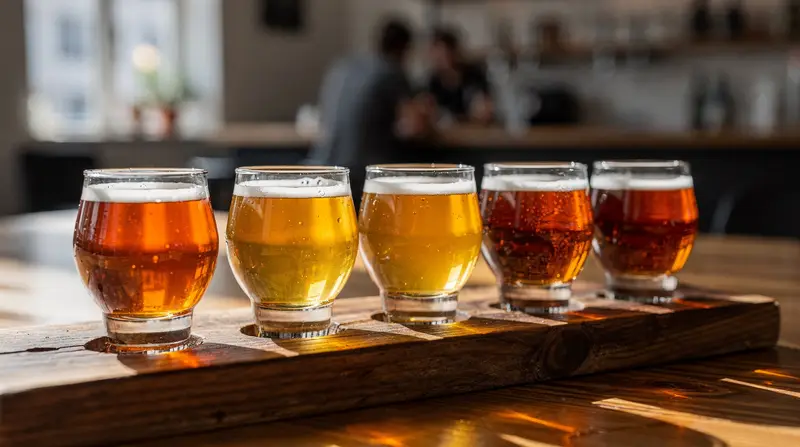
Best craft beer in Copenhagen: Mikkeller, To Øl, Warpigs and how the scene works
Mikkeller Craft Beer Walk in Vesterbro
Duration: 2.5 hours
- Free cancellation up to 24 hours before (most activities)
- Ticket on your phone
- Last-minute booking possible
Where is the best craft beer in Copenhagen?
Mikkeller Bar (Viktoriagade 8B, Vesterbro) is the original and most iconic address — 20-plus rotating taps, low prices for the quality, open daily from 14:00. Warpigs (Flæsketorvet 25, Ködbyen) combines craft beer with American barbecue and runs its own brewery. BRUS (Guldbergsgade 29, Nørrebro) is To Øl's brewery taproom. A craft beer walk from Vesterbro through Ködbyen to Nørrebro covers the main addresses in an evening.
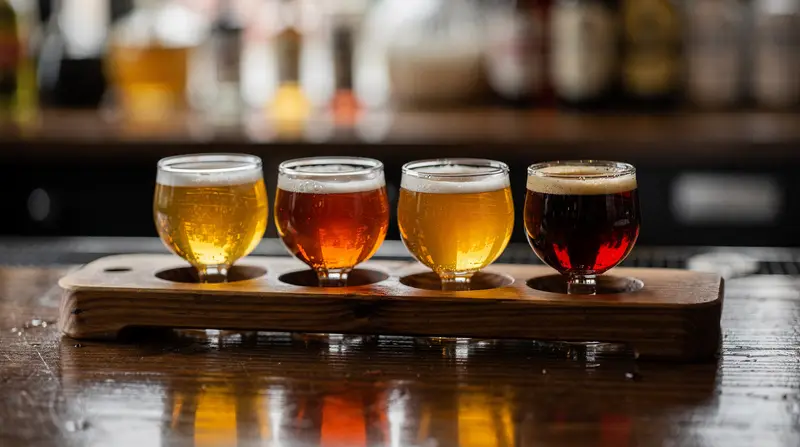
The Mikkeller craft beer walk in Vesterbro is the most structured way to cover the neighbourhood’s beer scene — local guide, four to six tastings, context on how Mikkeller and the wider Copenhagen craft beer movement developed.
| Where | Vesterbro (Mikkeller, Warpigs, Fermentoren) and Nørrebro (BRUS) |
| Cost | Varies by venue and pour size; current prices on each venue’s website |
| Time needed | 2–4 hours for a proper crawl |
| Getting there | Both neighbourhoods a short metro/bike ride from the centre |
| Best time | Late afternoon start (16:00) to cover multiple stops before dinner |
Copenhagen as a craft beer city
Copenhagen’s craft beer scene is not a recent development that arrived alongside other artisanal food trends. It grew from a specific moment — a handful of homebrewers and beer obsessives in the mid-2000s who saw an opportunity to do in beer what the New Nordic movement was doing in restaurants: make Danish production internationally credible at the top level.
Mikkeller, founded in 2006, was the catalyst. Its founder Mikkel Borg Bjergsø — a Copenhagen high school teacher at the time — became the most recognised name in European craft beer over the following decade. The trajectory from homebrewer to global brand, with bars in more than 20 countries, is the founding story of the Copenhagen craft beer scene. But several other breweries and venues followed, and the city now has a depth that goes well beyond any single brand.
Beer is only one strand of the city’s drinking culture. If you want cocktails, wine bars and cellar pubs alongside the taprooms, the best bars in Copenhagen guide covers that side, and the nightlife guide helps you decide where to end an evening once the beer crawl is done.
Mikkeller: the origin point
Mikkeller Bar (Viktoriagade 8B, Vesterbro) is the original and most important address. The ground-floor bar is small — around 40 covers — with a minimalist interior and 20-plus taps rotating through Mikkeller’s own production and guest beers from breweries the team admires.
The selection covers the full range: experimental sours, session IPAs, stouts, double dry-hopped pale ales, seasonal beers, collaborations with breweries from the US, UK, Japan and across Scandinavia. The beers change on rotation, which means no two visits are identical.
Prices: current prices on the Mikkeller website. Open daily from 14:00; the bar gets busy from 18:00 on weekdays and from 15:00 at weekends.
Mikkeller is a gypsy brewery — it has never owned a traditional production facility in the way that most breweries do. Beer is produced at partner breweries across Europe to Mikkeller’s recipes and specifications. This has been criticised as inauthentic by traditional brewing culture; it has also enabled a rate of experimentation and release that would be impossible at a single fixed facility.
As of 2026 Mikkeller also has a physical brewing facility in San Diego — so the gypsy model is not the only one now — but the Copenhagen bar on Viktoriagade remains the brand’s spiritual home.
Treat Mikkeller Bar as a place to taste rather than to settle in for the night: the room is small, so the usual rhythm is a couple of pours, a chat with the staff about what is newly on tap, and then on to the next stop. For the wider picture of the area around it, see the Vesterbro destination page.
Other Mikkeller addresses in Copenhagen: Mikkeller and Friends (Stefansgade 35, Nørrebro) is the second bar, with a similar format and a different selection. Mikkeller On Tap (airport and other locations) serves the same brand at premium prices in transit.
To Øl and BRUS: the Nørrebro alternative
BRUS (Guldbergsgade 29, Nørrebro) is the brewery taproom and restaurant for To Øl, Copenhagen’s other internationally recognised craft beer brand. It is housed in the same building as Bæst restaurant — a 2016 development that made one address in Nørrebro the most concentrated point of quality food and beer in the neighbourhood.
To Øl was founded in 2010 by Tobias Emil Jensen and Tore Gynther, also initially as a gypsy brewery. The name means “Two Beers” in Danish — deliberately simple for a brewery that produces anything but simple beer. The range covers sours, barrel-aged stouts, hazy IPAs, session beers and experimental formats. The brewery has established its own production facility since its gypsy founding.
At BRUS, around 20 taps rotate through To Øl’s catalogue and guest beers. The food (available at the restaurant bar separately from Bæst’s booking-only dining room) serves snacks and small plates that work with the beer — Nordic-influenced, seasonal, not the tortured food-pairing exercises that some brewery restaurants produce.
Prices: current prices on the BRUS website. Open from 15:00 weekdays, 12:00 weekends.
BRUS works well as the closing stop of a day spent in Nørrebro, a neighbourhood that rewards wandering on its own — the Nørrebro destination page sketches what else is nearby, so you can combine the taproom with a daytime walk.
Brewery tours at BRUS are available — check the To Øl website for schedule and pricing. The tour covers the Nørrebro production facility with tasting included, running approximately 90 minutes.
Warpigs: barbecue and brewing in Ködbyen
Warpigs (Flæsketorvet 25, Ködbyen / Meatpacking District, Vesterbro) is the best food-plus-beer experience in Copenhagen, and perhaps the most successful example of Copenhagen’s craft beer scene integrating with its food scene.
It is a collaboration between Mikkeller and 3 Floyds Brewing (Munster, Indiana) — Mikkeller brings the Copenhagen credentials and brewing vision, 3 Floyds brings the American craft beer and barbecue sensibility. The result is a large, industrial-aesthetic taproom in the middle of the Meatpacking District, serving house-brewed American-style beers alongside barbecue slow-cooked in wood smokers.
The barbecue is serious — brisket, pulled pork, ribs — cooked in the American tradition, using Danish pork and beef with American smoking technique. This is not a Copenhagen culinary hybrid; it is the transplanted American form, well executed.
Prices: current beer and barbecue prices on the Warpigs website.
Open from 12:00 daily. Walk-ins are usually possible, though the most popular weekend services (Friday and Saturday evening) can be busy. The Meatpacking District guide explains what else has moved into the old slaughterhouse buildings around it, which is worth knowing if you arrive early and want to look around first. The location in Ködbyen makes it a natural stop on an evening that starts in Vesterbro and extends to Mikkeller Bar.
Fermentoren: the serious bottle shop
Fermentoren (Halmtorvet 30, Vesterbro) is the reference point for anyone who wants to explore Danish and international craft beer as a product rather than a taproom experience. It is a bottle shop — not a bar — with a selection of several thousand beers from around 30 countries.
The selection includes extensive Danish production from smaller breweries that do not have their own taprooms in Copenhagen: Kølster, Dry & Bitter, Ugly Duck (all Copenhagen-area), plus a comprehensive international range covering Scandinavia, Germany, the US, UK, and specialist producers from Czech Republic, Japan and Australia.
Prices are higher than supermarket beer but much lower than bar prices; see the Fermentoren website for current prices. The shop staff are knowledgeable and will guide selection for any palate or style preference. There are a few seats for on-site consumption; this is primarily a take-away operation.
Open from 12:00 (occasionally 14:00) on weekdays; from 10:00 on Saturday. Closed Sunday. It sits in the same Vesterbro cluster covered in the Vesterbro guide, and the craft beer scene fits naturally alongside the neighbourhood’s wider restaurant scene and food culture.
The beer crawl route
The most logical craft beer crawl route in Copenhagen covers Vesterbro and Nørrebro in an evening. Walking time between all stops: approximately 35 minutes total.
Stop 1 (16:00–17:30): Mikkeller Bar, Viktoriagade 8B, Vesterbro. Start with two or three pours — a pale ale and something experimental. This is the canonical start.
Stop 2 (18:00–19:30): Fermentoren, Halmtorvet 30, Vesterbro — five minutes’ walk. Buy a bottle of something Danish to try on the way to dinner. Or continue to Warpigs.
Stop 3 (19:30–21:00): Warpigs, Flæsketorvet 25, Ködbyen — ten minutes’ walk. Dinner here covers the food component. Two or three Warpigs house beers plus a barbecue plate.
Stop 4 (21:30 onwards): BRUS, Guldbergsgade 29, Nørrebro — 15-minute walk or short taxi. To Øl’s taproom for the Nørrebro end of the crawl.
The Copenhagen craft beer walk with a local guide covers similar ground with tasting included and context on the history — useful if you want structured knowledge rather than self-guided exploration.
Getting between stops is easy whichever way you go. The getting around guide explains the options, and bike versus metro helps you choose — though after several pours the metro or a short walk is the sensible pick over a bicycle. If you would rather join a louder, more social evening than a tasting-focused one, the pub crawl guide compares the party-style options.
If street food fits your evening better than a sit-down barbecue stop, the Reffen street food guide covers the seasonal market on Refshaleøen, which has its own craft beer stalls and pairs well with an earlier Vesterbro or Nørrebro crawl. The Nørrebro guide has the wider neighbourhood context for the BRUS end of the route.
A note on Carlsberg
Carlsberg is Copenhagen’s legacy brewery and has a visitor experience at its Vesterbro site — the Home of Carlsberg. This is covered separately in the Carlsberg experience guide. The two scenes (craft beer and Carlsberg) are not in opposition — the craft beer movement grew partly as a reaction to the mainstream Carlsberg model, and the Carlsberg visitor experience is now explicitly trying to recapture premium positioning partly in response. Both are worth experiencing, for different reasons. The Carlsberg City destination page puts the old brewery quarter in context if you want to pair it with a craft-focused evening.
Frequently asked questions about craft beer in Copenhagen
How much does craft beer cost in Copenhagen?
Prices are high by European standards but consistent with Scandinavian city pricing. For current prices, see the websites of Mikkeller Bar, Warpigs, BRUS and Fermentoren.
What is Mikkeller and why is it famous?
Mikkeller was founded in 2006 by Mikkel Borg Bjergsø as a gypsy brewery — producing experimental beers using other breweries’ facilities without owning production equipment. It became internationally known for rapid experimentation and distinctive design, and now operates bars in more than 20 countries.
What is To Øl and where can I drink it?
To Øl is a Copenhagen brewery founded in 2010, known for experimental styles and collaborations. BRUS (Guldbergsgade 29, Nørrebro) is the primary Copenhagen address, with around 20 taps rotating between To Øl and guest breweries.
Is Warpigs worth visiting?
Yes, for the combination of American-style barbecue and house-brewed craft beer in a Meatpacking District setting. Current prices are on the Warpigs website. Strong recommendation for an evening in Vesterbro.
Can I visit a Copenhagen brewery?
BRUS (To Øl, Nørrebro) offers brewery tours; see the To Øl website for pricing. The craft beer and bites tour is a guided alternative covering multiple venues with tasting included.
What is the craft beer tour and what does it cover?
Guided craft beer walks cover Vesterbro, Nørrebro and the city centre with four to six tastings across two to three hours at 400–650 DKK per person.
Are there any Danish craft breweries beyond Mikkeller and To Øl?
Yes: Kølster (Frederiksberg), Dry & Bitter (Brønshøj), Evil Twin (Copenhagen-founded, now New York), and Ugly Duck. Fermentoren bottle shop on Halmtorvet stocks the widest range of Danish craft production available under one roof.
Top experiences
Bookable activities with verified prices and instant confirmation on GetYourGuide.