Vesterbro guide: Meatpacking District, craft beer, Carlsberg and Copenhagen nightlife
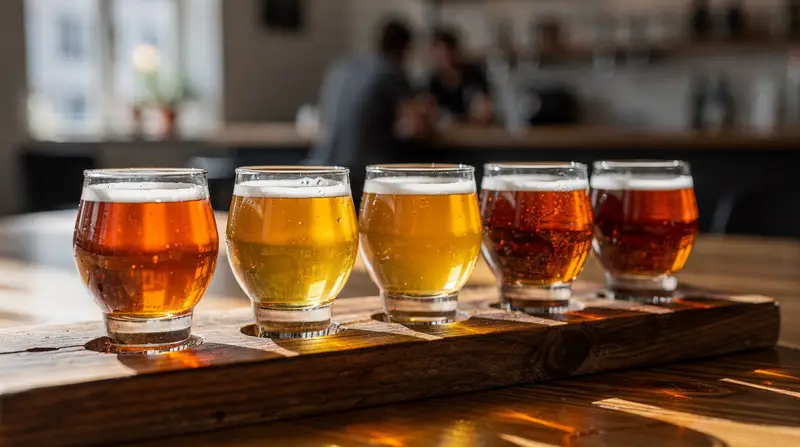
Mikkeller Craft Beer Walk in Vesterbro
Duration: 2.5 hours
What is Vesterbro Copenhagen known for?
Vesterbro is Copenhagen's best neighbourhood for restaurants, craft beer bars and nightlife. Kødbyen (the Meatpacking District) is the anchor — former slaughterhouses converted into restaurants and venues. Istedgade is the main street. Carlsberg brewery is at the western end. Prices are 20-30% lower than equivalent quality in Indre By.
Vesterbro is the neighbourhood most visitors end up liking more than they expected. It is not on the classic Copenhagen circuit — no castles, no royal palaces, no famous statues — but it contains more of what makes Copenhagen worth visiting: independent restaurants serving actual food at prices that are not absurd, bars where Copenhageners drink in the evenings, a converted industrial district that works as a cultural hub, and a brewery that dominated Danish culture for 150 years.
| Where | West of Central Station, running to the Carlsberg district |
| Known for | Kødbyen restaurants, craft beer, Carlsberg, nightlife |
| Cost level | 20–30% cheaper than equivalent quality in Indre By |
| Getting there | Metro M3 Enghave Plads / Alle, or 15 min walk from Central Station |
| Best time | Evenings from 6pm for restaurants and bars |
If you’re deciding where to base yourself, our where to stay in Copenhagen guide covers Vesterbro against the city’s other neighbourhoods in full, and best Copenhagen neighbourhoods gives the wider orientation.
The Mikkeller craft beer walk through Vesterbro is the best single introduction to the neighbourhood — it covers the geography while explaining the city’s beer culture through actual pours.The geography of Vesterbro
Vesterbro runs west from Copenhagen Central Station for roughly 2 kilometres to the Carlsberg brewery district. Its main streets are:
Vesterbrogade — the main artery, mostly chain stores and standard cafés. Not the interesting part of the neighbourhood.
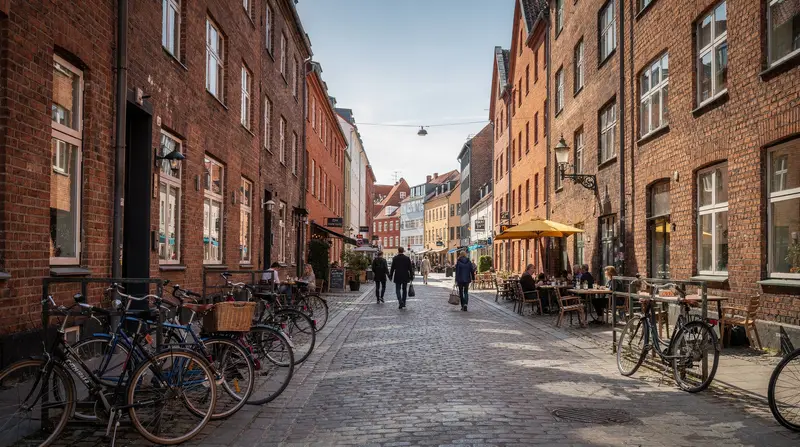
Istedgade — one block south of Vesterbrogade, parallel. This is where Vesterbro’s independent food and bar scene operates. The eastern end (near the station) has been largely cleaned up from its former red-light days. The western stretch gets more local and residential.
Slagterboderne / Kødbyen — the Meatpacking District, north of Istedgade, accessible via Halmtorvet square. The culinary and nightlife anchor of the neighbourhood.
Enghavevej — the main street through the more residential south-west section. Quieter, more neighbourhood-scale.
Carlsberg Byen — the new development on the former brewery grounds, at the far western end. Still being built but partly open.
Kødbyen — the Meatpacking District
The Kødbyen is Vesterbro’s most-visited section and Copenhagen’s most functional example of industrial conversion. The former slaughterhouses operated until the 1980s; redevelopment began in the early 2000s and has continued since.
Hvide Kødbyen (White Meatpacking) — the southern section of the complex, accessible from Halmtorvet. This is where most of the restaurants and bars operate. The white-painted industrial buildings house venues like Fiskebaren (fish restaurant, main courses 200–330 DKK), Nose2Tail (whole-animal cooking, 200–290 DKK) and a rotating cast of pop-ups and food events.
Brune Kødbyen (Brown Meatpacking) — the northern section, further from the street. More arts spaces, galleries and creative offices. Less immediately accessible but worth walking through.
When to go: The Kødbyen is primarily an evening destination. Lunch service exists but the atmosphere is best from around 5pm, when restaurants fill with after-work crowd and the general energy lifts. Weekend nights (Thursday–Saturday) are busiest. Arrive by 8pm for dinner without a reservation; most restaurants do not take bookings for smaller groups.
Price range: Budget 200–350 DKK per person for a full meal with a drink at most Kødbyen restaurants. Higher at the more established venues.
Istedgade — restaurants and daily life
Istedgade from Central Station to Enghavevej is a 20-minute walk and contains more good, inexpensive restaurants than any comparable street in Copenhagen.
Vietnamese: Several Vietnamese restaurants in the 100–160 DKK range for a full bowl. The concentration is highest in the middle section of Istedgade.
Ramen: The ramen quality in Vesterbro has improved significantly since 2020. Expect 130–170 DKK for a bowl.
Bakeries: Several genuinely good bread-focused bakeries, including Hart Bageri (associated with René Redzepi’s team) on Richard Mortensens Vej, just off the main strip. Croissants at 35–50 DKK, bread from 60 DKK.
Natural wine bars: Vesterbro has the highest concentration of natural wine bars in Copenhagen. Prices per glass range from 90–160 DKK.
Coffee: Multiple specialty coffee shops with quality that matches the Copenhagen reputation. Expect 45–65 DKK for a filter coffee or flat white.
Carlsberg — the brewery and the new district
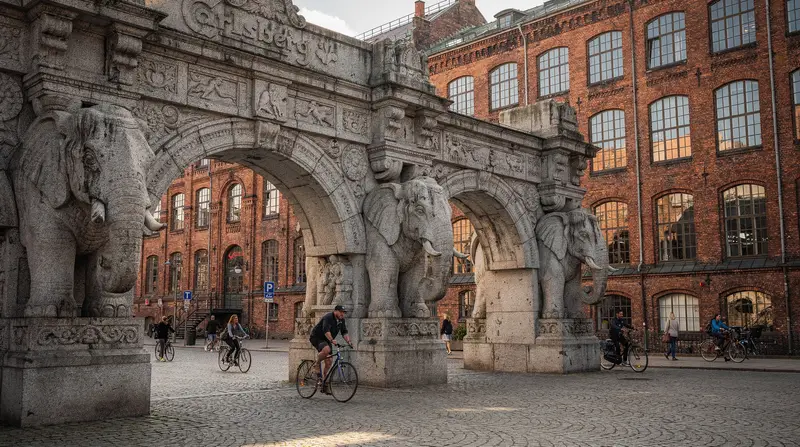
The Carlsberg brewery operated at its Vesterbro site from 1847 until production moved to a new facility in 2008. The original buildings — including the impressive Elephant Gate designed by Vilhelm Dahlerup — have been partly converted into the Carlsberg Experience museum and partly into a new residential and commercial district (Carlsberg Byen).
The Carlsberg Experience (museum):
Entry: 135 DKK (approximately 18€). Open daily. Allow 2–2.5 hours.
The museum covers the brewing history, the Jacobsen family (founder J.C. Jacobsen and his son Carl), the science of fermentation and the architecture of the brewery. The included beer samples — two glasses — are part of the experience. The building itself (the old brewing hall) is architecturally significant.
Worth it? Yes for anyone interested in beer, design history or the industrial archaeology of the brewery buildings. Skip if you need a strong hook to visit — it requires genuine curiosity about brewing or history to reward 135 DKK and 2.5 hours.
The Carlsberg Experience ticket includes entry to the museum, two beer samples and access to the historic brewery buildings. Book in advance in summer to avoid queues.The Elephant Gate — the main entrance to the old Carlsberg site on Gamle Carlsbergvej, with four stone elephants at the bases of the pillars. Free to see from outside. Worth a photograph even if you are not entering the museum.
A guided walk through the Carlsberg City development explains the architectural history of the brewery buildings and the scale of the ongoing urban transformation — useful context before visiting the museum.Carlsberg Byen (Carlsberg City):
The broader development is a mixed-use neighbourhood being built on the brewery’s 33-hectare footprint. It will eventually house 7,000 residents and include offices, shops and cultural venues. Current status (2026): partially built, with the museum open, some restaurants and shops operating, and construction ongoing. Worth combining with the museum visit but not yet a complete neighbourhood.
Nightlife in Vesterbro
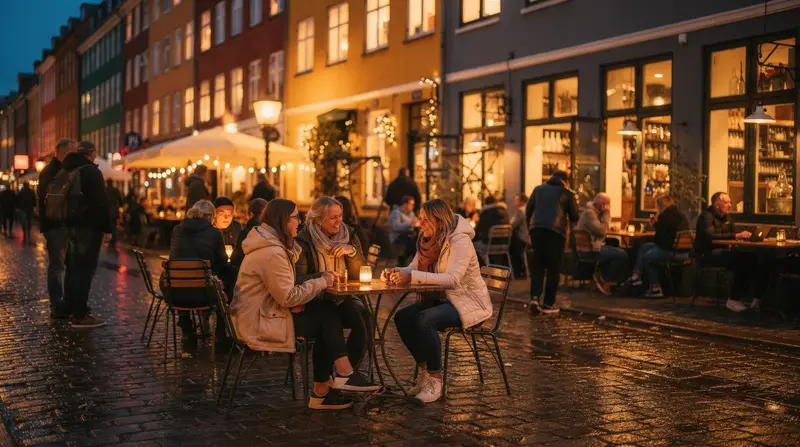
Vesterbro is Copenhagen’s primary nightlife district, with Kødbyen at the centre.
What operates: Restaurants transition to bars from around 10pm. Specific music venues (including Vega, one of Denmark’s most respected concert halls, on Enghavevej — tickets 150–500 DKK depending on artist) operate year-round. Clubs in and around Kødbyen open Thursday–Saturday, typically 11pm–5am. Typical entry: 100–150 DKK. Beer: 70–90 DKK. Cocktails: 100–150 DKK.
Craft beer: Several craft beer bars on Istedgade and adjacent streets carry 15–30 taps. Fermentoren (Halmtorvet) is a reliable option — large selection, 80–110 DKK per pint.
Bar hopping logic: Start at a restaurant in Kødbyen for dinner around 7–8pm. Move to a craft beer bar on Istedgade around 10pm. Kødbyen clubs open after midnight. The circuit keeps you in a 1-kilometre radius.
Vesterbro for daytime visitors
Morning: Coffee at a local bakery on Istedgade or Frederiksberg Allé (the broad boulevard at the western edge). Hart Bageri is the standard reference. Café Dyrehaven on Sønder Boulevard has excellent filter coffee and a neighbourhood crowd.
Midday: Walk through Halmtorvet (the square with a Saturday market in summer) and into Kødbyen for lunch. Several Kødbyen restaurants do weekday lunch services at 120–200 DKK range. Alternatively, the food stalls on Halmtorvet itself in summer.
Afternoon: If combining with Carlsberg, take the metro M3 two stops to Enghave Plads or continue on foot 15 minutes west.
Frequently asked questions about Vesterbro
Is Vesterbro safe at night?
Yes. The neighbourhood is active and well-populated until late. The street immediately south of Central Station (around the station end of Istedgade) can feel slightly edgy — there is some street drug activity in that specific block — but it is not dangerous. Walking through Kødbyen and along Istedgade at 1am is normal weekend behaviour for Copenhageners.
What is the best restaurant in Vesterbro?
The best-known is Fiskebaren (fish) in Kødbyen, which has maintained quality over many years. For more casual eating: the Vietnamese restaurants on Istedgade mid-section, the bakeries for breakfast, and the weekend street food at Halmtorvet. The Vesterbro restaurant scene changes quickly — asking your hotel or hostel in 2026 will give more current recommendations than any published guide.
How does Vesterbro compare to Nørrebro?
They are the most commonly paired “alternative” neighbourhoods. Vesterbro is primarily about restaurants, bars and nightlife — the infrastructure is more developed and more visitor-friendly. Nørrebro is more about coffee culture, local daily life and multicultural food. They complement each other well on a two-night stay. Nørrebro guide.
Can I visit Carlsberg and Vesterbro in the same day?
Yes — it is a natural combination. Walk or metro to Carlsberg in the morning (2–2.5 hours for the experience), walk back east along Vesterbrogade or Istedgade for lunch, spend the afternoon in Kødbyen and on Istedgade. Finish with dinner in Kødbyen. One full day is sufficient.
Is there a good market in Vesterbro?
Halmtorvet has an informal Saturday morning market (seasonal, May–October) with organic produce, bread and local food. Torvehallerne — the covered market often associated with Vesterbro — is technically in Indre By at Nørreport but is the closest proper food market to Vesterbro. Torvehallerne guide.
What is Mikkeller and is it in Vesterbro?
Mikkeller is one of Copenhagen’s most internationally recognised craft breweries, founded in 2006 by Mikkel Borg Bjergsø. It does not have a single headquarters bar in Vesterbro but its bars (Mikkeller Bar, Mikkeller & Friends) are distributed across the city. The Vesterbro craft beer walk covers Mikkeller’s presence in the neighbourhood along with other breweries and bars. Best craft beer in Copenhagen.
Where should I go in Vesterbro if I only have 2 hours?
Walk from Dybbølsbro S-train station east along Istedgade to Halmtorvet. Cross into Kødbyen (5 minutes). Walk through the white and brown meatpacking sections. Return to Istedgade and continue east to Central Station. Stops for coffee, a craft beer or a quick lunch on the way. This covers the essentials in 2 hours without rushing.
Vesterbro’s social history — context for the neighbourhood
Vesterbro’s current character makes more sense with a brief sense of where it came from. The neighbourhood was built in the second half of the 19th century as Copenhagen industrialised and the city’s working population expanded beyond the old city walls. It was designed as worker housing — high-density, small apartments, minimal green space.
By the early 20th century, the area around Istedgade’s eastern end had developed a specific reputation for prostitution, alcohol and petty crime. This was not a tourist curiosity but a structural feature of low-income urban living — the bars, the cheap lodgings, the trading of various services. The neighbourhood had genuine poverty issues through the mid-20th century.
The shift began gradually in the 1980s and accelerated through the 1990s and 2000s as Copenhagen’s housing market tightened, rents elsewhere rose and artists, small businesses and young professionals began occupying Vesterbro’s affordable stock. The Kødbyen conversion began in earnest in the early 2000s. By the 2010s, the neighbourhood had completed its transition in most visible respects — the red-light strip shrunk, the restaurants multiplied, rents rose.
The social cost of this transition is occasionally discussed in Copenhagen: families and lower-income residents who lived in Vesterbro for generations have found it increasingly unaffordable. The neighbourhood visible to visitors today is the outcome of a gentrification process, not its start.
Vesterbro for cyclists
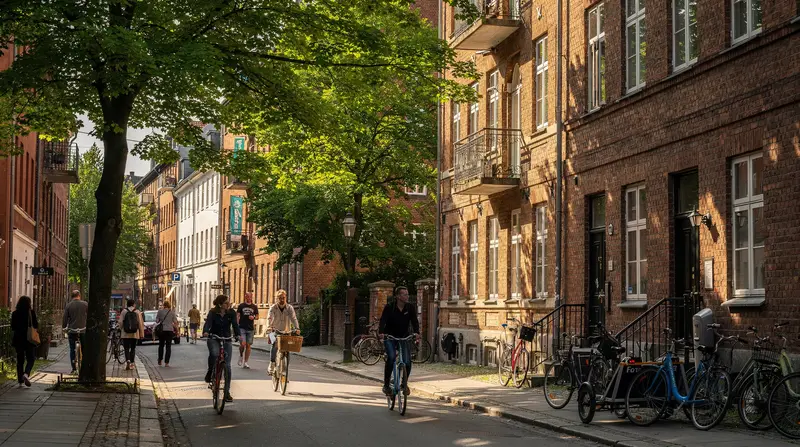
Vesterbro is easy to navigate by bike and the cycling infrastructure is strong. Vesterbrogade has a dedicated cycle lane. Istedgade is navigable. The route south from Istedgade toward Islands Brygge (via Dybbøl bridge) gives a straightforward connection to the harbour bath at Islands Brygge (open June–August, free entry, 15-minute cycle from Vesterbro).
Bike parking around Kødbyen is usually available on weekdays; weekends it fills. Most Vesterbro restaurants have bike racks or tolerate bikes locked to street fixtures.
If cycling from Vesterbro to Nørrebro: the most direct route crosses through Indre By via the lakes (Søerne) and is approximately 20–25 minutes. The lakeside cycling path is one of the better cycling experiences in Copenhagen.
Vesterbro’s best streets for walking
Halmtorvet (Hay Market Square): The main square of Vesterbro, between Kødbyen and Istedgade. Several restaurant terraces face the square. The Saturday market operates here in the warmer months. Not particularly scenic — urban brick square — but animated and a useful orientation point.
Flæsketorvet: Inside Kødbyen, this square is ringed by the original meatpacking buildings and is where the concentrated bar and restaurant life of the district operates. Warpigs (American-style BBQ and craft beer, a collaboration between Mikkeller and Three Floyds Brewing) is here, main courses 170–280 DKK.
Enghave Plads: A square at the western end of the main Vesterbro strip, adjacent to the M3 metro station. Vega concert venue is on Enghavevej off this square — check their programming for the specific dates you are visiting.
Sønder Boulevard: A wide boulevard with a central green strip running through the southern part of Vesterbro. Less touristy, more residential, with café Dyrehaven at the Vesterbrogade end — a classic neighbourhood café with good filter coffee and a local crowd.
Budget eating in Vesterbro
Under 100 DKK per person: Street food at Halmtorvet on market days. Vietnamese takeaway on Istedgade. A portion of smørrebrød from the deli counters. Coffee and a pastry (bakeries on Istedgade): 45–80 DKK.
100–200 DKK per person: The mid-range lunch in Vesterbro — a ramen bowl, a Vietnamese main with rice, a casual restaurant meal. Most of the practical lunch options in the neighbourhood fit this range.
200–350 DKK per person: Evening meal at a Kødbyen restaurant including one drink. The standard dinner budget for the district.
200–500 DKK per person: Full dinner at Fiskebaren, Nose2Tail or the more established restaurants. This reflects an evening with proper courses and multiple drinks.
The contrast with Nyhavn or Indre By tourist restaurants: for 280–350 DKK in Vesterbro you get a genuinely good meal. For the same money at Nyhavn, you get a mediocre one in a better location.
Vesterbro versus staying in the centre
Visitors torn between Vesterbro and Indre By should weigh convenience against value. Indre By puts you within walking distance of Tivoli, Nyhavn and Strøget, but at a real premium and with a more tourist-oriented restaurant scene immediately outside your hotel. Vesterbro trades a 10–20 minute walk or short metro ride for noticeably cheaper accommodation and a restaurant and bar scene that locals actually use. For a first two-night stay focused on sights, Indre By still makes sense; for anything longer, or if food and nightlife matter as much as sightseeing, Vesterbro is the stronger base — the full comparison is in where to stay in Copenhagen.
A half-day route through Vesterbro on foot
For visitors with a spare afternoon and no fixed plan, here is a route that covers the neighbourhood’s character without backtracking: start at Dybbølsbro S-train station, walk north-east along Istedgade past the bakeries and Vietnamese restaurants, cross into Halmtorvet square, then into Kødbyen through the white meatpacking section. From there, cut back to Istedgade for a craft beer stop, and finish either at Central Station (for onward travel) or continue west toward Carlsberg Byen if you have another hour and want to see the Elephant Gate. The whole loop takes 2–3 hours at an unhurried pace, longer if you stop for a proper meal in Kødbyen.
This route also works well split across a day: sightsee centrally in the morning, then use this Vesterbro walk as your evening plan, timing your arrival in Kødbyen for around 6–7pm when the restaurants and bars are filling but not yet at their weekend peak.
Vesterbro in different seasons
Summer (June–August) is Vesterbro at its most active: Halmtorvet’s Saturday market runs, outdoor seating fills every terrace on Istedgade and around Kødbyen, and the neighbourhood’s energy is highest in the evenings when daylight stretches past 9pm. Winter is quieter but not dead — the indoor bars and restaurants keep the same crowds, just without the terraces, and Kødbyen’s covered spaces mean the district doesn’t really slow down for cold weather the way outdoor-dependent attractions do.
If you’re weighing when to visit Copenhagen generally, the best time to visit covers the trade-offs city-wide, but Vesterbro specifically is one of the more season-resilient neighbourhoods thanks to its indoor-heavy nightlife.
Frequently asked questions — Vesterbro guide: Meatpacking District, craft beer, Carlsberg and Copenhagen nightlife
What is Kødbyen in Copenhagen?
Kødbyen means the Meat City or Meatpacking District. It is a cluster of former slaughterhouse buildings on Slagterboderne, west of Central Station, converted since the early 2000s into restaurants, galleries, bars and creative offices. The Hvide Kødbyen (White Meatpacking) section has more restaurants; Brune Kødbyen (Brown Meatpacking) is more industrial. Open until 2–3am on weekends.What is the best area of Vesterbro for restaurants?
Istedgade between Central Station and the corner with Enghavevej — a 20-minute walk — has the highest density. Kødbyen (Slagterboderne, just north of Istedgade) adds restaurant and bar options, particularly in the evening. The Vesterbrogade main street has chains and standard cafés.Is the Carlsberg Experience worth visiting?
Worth it for beer enthusiasts and architecture lovers — the 19th-century brewery buildings are impressive. Entry costs 135 DKK (approximately 18€). The included beer samples are modest (2 glasses). Allow 2–2.5 hours. Skip if you are not particularly interested in brewing history.How do I get to Vesterbro?
Metro M3 to Enghave Plads or Alle stations. S-train to Dybbølsbro. Or 15 minutes on foot west from Copenhagen Central Station along Vesterbrogade or Istedgade. Cycling from Indre By takes 10 minutes.
Top experiences
Bookable activities with verified prices and instant confirmation on GetYourGuide.