Torvehallerne Copenhagen: The Covered Market Guide
Copenhagen: A Taste of Denmark Tasting Tour
Duration: 4 hours
What is Torvehallerne and is it worth visiting?
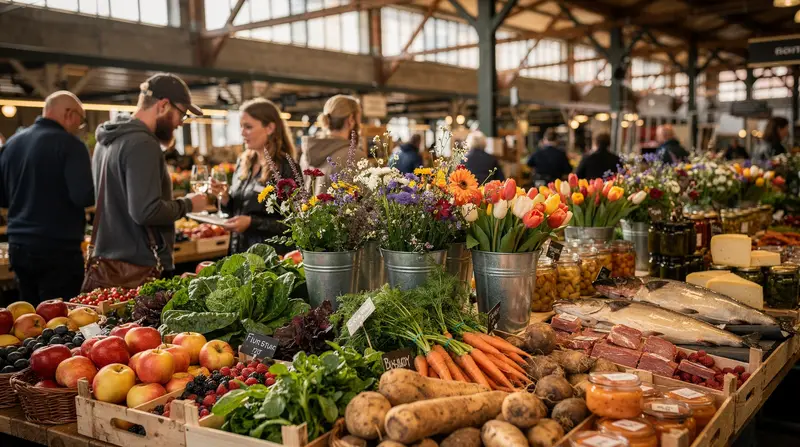
Torvehallerne is Copenhagen's premier covered food market — two glass halls on Israels Plads near Nørreport station, with around 60 stalls selling smørrebrød, fresh coffee, pastries, cheese, charcuterie, fish, produce and prepared food. It is absolutely worth visiting, especially for lunch (80–140 DKK per dish). Open daily; closes Monday–Friday at 19:00, Saturday at 18:00, Sunday at 17:00.
| Where | Israels Plads, 2 min walk from Nørreport station |
| Cost | 140–200 DKK for a proper lunch; coffee 40–55 DKK |
| Time needed | 30–45 minutes for a quick lunch; 1 hour+ to graze several stalls |
| Getting there | Metro/S-tog Nørreport (M1/M2/M3) |
| Best time | Before 17:00 on weekdays for full stall selection; Saturday for atmosphere |
What Torvehallerne actually is
Torvehallerne (the name means “market halls” in Danish) opened in 2011 on Israels Plads, a square next to Nørreport station in the heart of Copenhagen. Two large glass-and-steel halls, each about the length of a city block, house around 60 permanent stalls selling food and drink across every category. It is one of the better answers to best food in Copenhagen if you want variety without committing to a single restaurant.
The concept was a revival of the classic European covered market tradition — a permanent, quality-focused alternative to supermarkets, with an emphasis on Danish producers, seasonal ingredients, and genuinely good food to eat on the spot. It worked. Torvehallerne became a daily destination for Copenhagen residents within its first year and has maintained that status.
This is not a tourist attraction with food on the side. It is a functioning food market that happens to attract visitors because it is excellent. That distinction matters: the food is priced fairly for quality rather than inflated for a captive audience.
A Taste of Denmark food tour typically stops here, which gives you a guided introduction before you explore the stalls yourself.
Layout: two halls, different focuses
The market sits in two parallel glass halls, divided by a central outdoor passage.
Hall 1 (west hall): Tends toward prepared food, hot dishes, smørrebrød, sandwiches, and coffee. This is the lunch-focused hall. The Coffee Collective operates here.
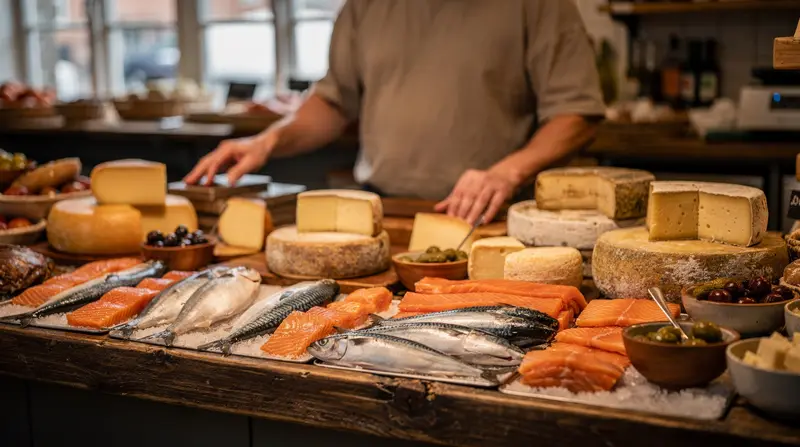
Hall 2 (east hall): Stronger on raw ingredients — fish, meat, produce, cheese, charcuterie. Also has pastry and baked goods stalls.
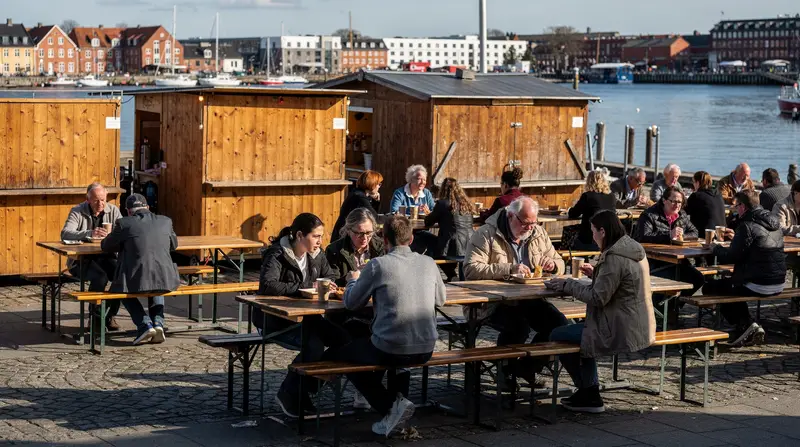
The outdoor passage between them hosts seasonal stalls and a small flower market. On weekdays, workers from the surrounding offices eat lunch at the outdoor tables; on weekends the crowd is more mixed.
The best stalls at Torvehallerne
Smørrebrød
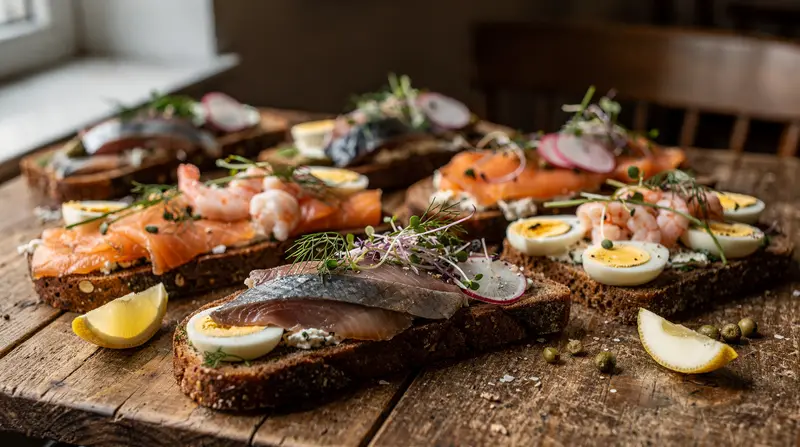
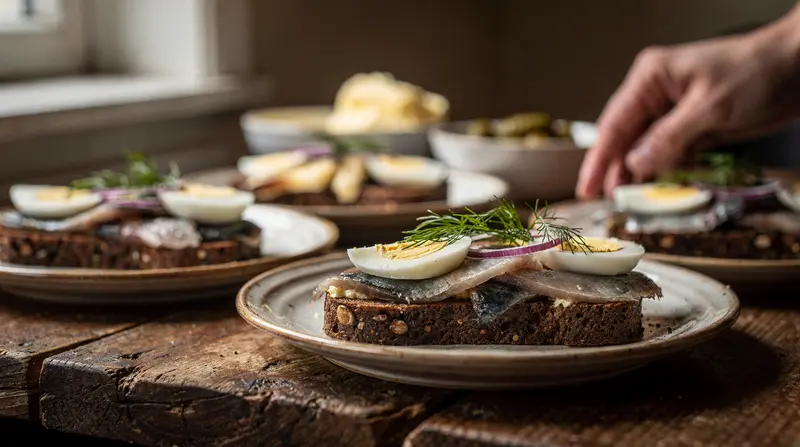
Hallernes Smørrebrød is the most established smørrebrød option in the market. Classic preparations: pickled herring, roastbeef, liver pâté, shrimp. Everything is made fresh, priced at 85–130 DKK per piece. No seating reservation needed — you order at the counter, find a spot at a communal table. Open from 10:00 until they sell out, typically by 15:00.
This is the best-value introduction to smørrebrød in central Copenhagen. The quality is consistently high and the setting — informal, standing or at a communal table — is quite different from a restaurant experience, but no less authentic. For the full rundown of toppings, etiquette and where else to try it, see the smørrebrød guide.
Coffee
The Coffee Collective at Torvehallerne is one of three locations in Copenhagen and arguably the most convenient. Flat white 52 DKK, filter coffee 40–45 DKK. The roasting is done in-house at their Nørrebro facility; what you drink here is genuinely excellent speciality coffee. See the full coffee guide for context on the Copenhagen coffee scene.
Estate Coffee also has a Torvehallerne presence — a slightly more chocolatey, rounded roast profile than Coffee Collective. Worth trying both if coffee is a priority.
Fresh fish
The fish hall in Hall 2 is one of the best reasons to visit if you have access to a kitchen. Danish cold-water fish — plaice, cod, salmon, mackerel, herring — arrive fresh daily. The stall also sells ready-to-eat oysters (in season), smoked salmon, and prepared fish for immediate eating.
For oysters on the spot: Nordsøen Seafood sells freshly shucked oysters from 35–55 DKK each on weekends, served with lemon and rye bread. Small queue, absolutely worth it.
Cheese
Madsvin and the cheese stalls in Hall 2 stock Danish and European cheeses with genuine range — from mild Havarti to aged Gammel Knas and pungent Danish blue (Danablu). Prices vary considerably by cheese; expect 30–80 DKK for a tasting portion. Staff will let you taste before buying.
Practical note: A selection of cheese, some rye bread from the bread stall, a few pieces of charcuterie and a bottle from the wine stall (Les Caves de Pyrène is usually represented) makes an excellent and affordable Torvehallerne lunch for 150–200 DKK total.
Charcuterie and cured meats
Danish pork is taken seriously. The charcuterie stalls stock cured, smoked and fermented products that are notably different from what you find in supermarkets — dry-cured pork loin, liver sausage (leverpostej, sold by the whole piece), traditional rullepølse (rolled pork), and seasonal specialities.
Produce
The seasonal produce stalls are strongest in summer and autumn when Danish produce is at its peak — strawberries from Jutland (June–July), raspberries, new potatoes, root vegetables. In winter the selection narrows to storage crops and imported produce.
Pastries and bread
Two strong bakery stalls in the market. The rye bread on offer is genuinely good — loaves, rolls, and some prepared bread products. Pastries run 40–60 DKK, similar to neighbourhood bakeries. If you are visiting early (08:00–09:00 when some stalls open), the pastries are freshest. See the Copenhagen bakeries and pastry guide for the best stops beyond Torvehallerne too.
Chocolate and sweets
A small Danish chocolatier (typically Summerbird or a similar quality producer) operates in one of the halls, offering individual chocolates (20–40 DKK) and boxes. Worth a look; the marzipan products are distinctly Danish.
How to eat at Torvehallerne
For a quick snack: coffee and a pastry at The Coffee Collective — 90–110 DKK. Ten minutes, excellent quality.
For a proper lunch: smørrebrød piece plus coffee — 140–195 DKK. Take a communal table in the hall or eat standing. Allow 30–45 minutes.
For a market meal (best approach for groups): Buy ingredients from multiple stalls — cheese, bread, charcuterie, fish, perhaps wine — and assemble a spread at a communal table. Total for two people: 300–450 DKK. This is how many locals use the market.
For ingredient shopping: If you have accommodation with a kitchen, Torvehallerne is worth visiting for quality Danish produce, fish, cheese and bread. Plan 30–45 minutes and budget considerably more than a supermarket.
What to know before you visit
Arrive before 17:00 on weekdays for the best selection. Some stalls sell out of their most popular items by late afternoon, particularly the smørrebrød.
It gets crowded at peak lunch hours (12:00–13:30) on weekdays — locals from nearby offices fill the communal tables. Either arrive before noon or after 14:00.
Saturday is the most atmospheric day — the outdoor stalls are busiest, the flower market is full, and the crowd is more relaxed. Expect it to be busier overall; plan slightly more time.
Card payments accepted everywhere. Denmark is effectively cashless; you will not need cash.
No bags to check, no entry fee. You can walk through both halls without buying anything, which is a pleasant way to orient yourself before deciding what to eat.
Torvehallerne vs other Copenhagen food experiences
Compared to Reffen (Refshaleøen): Torvehallerne is more central, year-round, and focused on Danish and Scandinavian food. Reffen is seasonal, more international, a 20-minute bus or ferry ride away, and oriented toward street food from dozens of countries. Both are worth visiting for different reasons. The Reffen guide covers the differences in detail.
Compared to smørrebrød restaurants: Torvehallerne offers informality and lower prices at the cost of atmosphere. Restaurant Schønnemann or Aamanns 1921 is a more elaborate, expensive, and considered experience. If you want to try smørrebrød for the first time without a formal commitment, Torvehallerne is the right starting point.
Compared to Nyhavn area cafés: No comparison, honestly — Torvehallerne is better food at lower prices. The only advantage Nyhavn has is the view of the canal.
Compared to sit-down restaurants generally: Torvehallerne is faster and cheaper, but it is not a substitute for a proper dinner reservation. If you want the full range of what the city offers beyond the market, the best restaurants in Copenhagen guide covers everything from casual to fine dining.
Getting there and practical details
Address: Frederiksborggade 21, 1360 Copenhagen (Israels Plads)
Metro/S-tog: Nørreport station (M1, M2, M3 lines; S-tog). 2-minute walk to market entrance.
Walking: 12–15 minutes from Strøget / Rådhuspladsen. 10 minutes from the Round Tower. 8 minutes from the National Museum.
Bike: Copenhagen’s extensive cycling infrastructure passes directly by Israels Plads. Bike parking available around the square perimeter.
Opening hours:
- Monday–Friday: 10:00–19:00
- Saturday: 10:00–18:00
- Sunday: 11:00–17:00
Some stalls open earlier (08:00–09:00) for coffee; check individual stall doors.
Torvehallerne on a tight schedule
If you have only 20–30 minutes between sights, prioritise one stall rather than trying to sample everything. A coffee and pastry at The Coffee Collective is the fastest satisfying option; a single piece of smørrebrød at Hallernes Smørrebrød is the best solo food choice if you want something more substantial. Both can be eaten standing, so you are not committing to a seated meal. Combine the visit with the Round Tower or Rosenborg Castle, both a 10–15 minute walk away, for an efficient late-morning loop.
Torvehallerne as a self-catering base
For visitors staying in accommodation with a kitchen — an increasingly common choice for stays of four nights or more — Torvehallerne is worth treating as a weekly shopping destination rather than a one-off visit. The fish hall’s daily deliveries, the produce stalls’ seasonal Danish vegetables, and the bread and cheese counters together cover most of what a self-catering visitor needs, at a quality well above supermarket standard. It costs more than Netto or Fakta, but for a special dinner in an apartment kitchen, buying fish, vegetables and bread here and cooking at “home” is often cheaper and better than a mid-range restaurant meal, particularly for a family or group of four or more.
Frequently asked questions about Torvehallerne
Where is Torvehallerne and how do I get there?
Israels Plads, Copenhagen — a 2-minute walk from Nørreport station (Metro M1/M2/M3 and S-tog lines). Exit the station toward Israels Plads and the two glass halls are immediately visible.
When is Torvehallerne open?
Monday to Friday: 10:00–19:00. Saturday: 10:00–18:00. Sunday: 11:00–17:00. Some coffee stalls open earlier (08:00). Arrive by 17:00 on weekdays for the full selection.
How much does food cost at Torvehallerne?
Coffee: 40–55 DKK. Pastry: 40–60 DKK. Smørrebrød: 85–130 DKK per piece. A full lunch (smørrebrød plus coffee) runs 140–200 DKK per person. This is reasonable by Copenhagen standards.
What is the best thing to eat at Torvehallerne?
Smørrebrød from Hallernes Smørrebrød is the signature choice. Coffee from The Coffee Collective is among the best in Copenhagen. Freshly shucked oysters (weekends) from Nordsøen are a treat. For a full meal: smørrebrød, coffee, and a pastry.
Is Torvehallerne touristy?
It attracts visitors, but it is primarily a functioning local food market. Locals shop and eat here daily. The food quality is consistently high and prices are fair rather than inflated. Compare this to Nyhavn restaurant prices for a similar dish.
Can I buy something to take home from Torvehallerne?
Yes — jars of Danish honey, pickled herring (vacuum-sealed), aged cheese, locally made chocolate and aquavit all travel well. Fresh fish, meat and dairy do not suit long-distance travel.
Is there seating at Torvehallerne?
Yes — communal tables inside both halls, plus outdoor seating in the passage between halls and on the square. Seating is informal and first-come; expect to share tables at peak lunch hours on weekdays.
Frequently asked questions — Torvehallerne Copenhagen: The Covered Market Guide
Where is Torvehallerne and how do I get there?
Torvehallerne is on Israels Plads, a 2-minute walk from Nørreport station (Metro M1/M2/M3 and S-tog). Exit the station toward Israels Plads — the two glass market halls are immediately visible. It is also walkable (10–15 minutes) from Strøget, Nørrebro, or the Round Tower area.When is Torvehallerne open?
Monday to Friday: 10:00–19:00. Saturday: 10:00–18:00. Sunday: 11:00–17:00. Most stalls keep these hours; a few food stalls close earlier when they sell out. Coffee bars open earlier (some from 08:00). Arrive by 17:00 on weekdays for the full selection.How much does food cost at Torvehallerne?
Coffee: 40–55 DKK. Pastry: 40–60 DKK. Smørrebrød: 80–130 DKK per piece. Fresh fish (to cook): 80–250 DKK per portion. Cheese: 30–80 DKK per piece. A full lunch (smørrebrød + coffee) runs 140–200 DKK per person — reasonable for central Copenhagen.What is the best thing to eat at Torvehallerne?
Smørrebrød from Hallernes Smørrebrød is the most iconic choice. The fresh coffee from The Coffee Collective or Estate Coffee is among the best in Copenhagen. Oysters from the fish hall are a treat on weekends. The fresh Danish pastries at the bakery stalls are very good. For a full meal: smørrebrød + coffee + a pastry.Is Torvehallerne good for grocery shopping?
Yes — for quality ingredients rather than budget shopping. The produce hall has seasonal Danish fruit and vegetables, the fish hall has exceptional fresh fish, and the cheese and charcuterie stalls stock products you cannot find in supermarkets. Prices are higher than Netto or Fakta but the quality is genuinely different.Is Torvehallerne touristy?
It attracts tourists, yes, but it is not a tourist trap. Locals buy their produce, coffee and lunch here regularly. The food quality is consistently high and prices, while not cheap, are fair for what you get. It is notably less expensive than most Nyhavn restaurants for a better product.Can I buy something to take home from Torvehallerne?
Yes. Good options: a jar of Danish honey, pickled herring from a fish stall, a block of aged cheese, locally made chocolate, a bottle of aquavit from the spirits section. The fish and meat products are fresh and not suited to long travel, but cured and jarred products travel well.
Top experiences
Bookable activities with verified prices and instant confirmation on GetYourGuide.