Smørrebrød in Copenhagen: The Complete Guide
Copenhagen: A Taste of Denmark Tasting Tour
Duration: 4 hours
What is smørrebrød and where is the best place to eat it in Copenhagen?
Smørrebrød is a Danish open-faced sandwich on dense rye bread (rugbrød), topped with herring, roast beef, liver pâté or shrimp. The best-value option is Torvehallerne market (80–120 DKK per piece). For a classic sit-down experience, Restaurant Schønnemann (since 1877) and Aamanns 1921 are the benchmarks. Book ahead for both.
What smørrebrød actually is
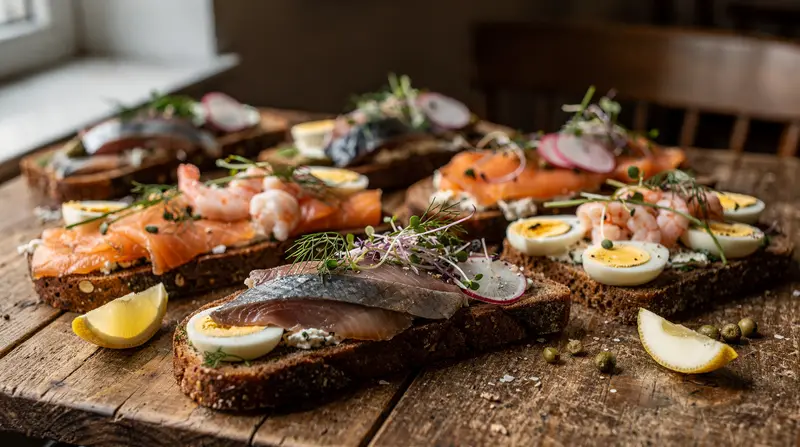
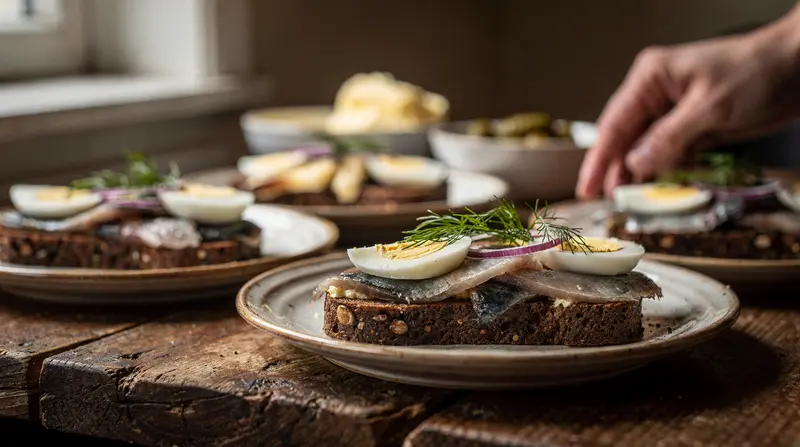
Smørrebrød is one of those dishes that sounds simple — an open sandwich — until you encounter the real thing. A properly made smørrebrød is a composed, carefully considered plate: the right bread as the base, a specific set of toppings assembled in a specific way, often as beautiful as it is edible.
The bread is rugbrød: a dense, fermented rye loaf with a slightly sour flavour and a dense, seedy crumb. It is nothing like sandwich bread. It is cut into thick slices, buttered generously (the butter is not optional), and topped with proteins, vegetables and sauces in specific combinations that have been refined over generations.
To understand smørrebrød is to understand Danish lunch culture. Danes have been eating open-faced sandwiches for lunch since the 19th century. The classic smørrebrød lunch — two or three pieces, a cold beer, possibly a snaps — is one of the great pleasures of eating in Copenhagen.
The Taste of Denmark food tour always includes smørrebrød as a tasting — a good way to try multiple versions if you are new to the format.
| Where to try it | Torvehallerne (budget) or Restaurant Schønnemann (classic) |
| Cost | 80–130 DKK per piece at market stalls; 250–500 DKK for a sit-down lunch |
| How to eat it | Knife and fork, 2–3 pieces, herring first |
| Booking | Not needed at Torvehallerne; essential weeks ahead at Schønnemann |
| Best pairing | Cold pilsner or a snaps with the herring course |
The classic toppings, explained
Sild (herring)
Herring is the foundation of Danish smørrebrød and the piece you should always start with. The most common versions:
- Marineret sild — pickled in vinegar and sugar, served with raw onion rings and capers
- Kogte æg med sild — hard-boiled egg with pickled herring
- Karrysild — herring in a mild curry mayonnaise with apple and onion
Herring is an acquired taste for some, but at a good smørrebrød restaurant, the quality is exceptional. Start with the pickled version before moving to more complex preparations.
Traditional accompaniments: raw onion, capers, chives, sometimes a rye crisp alongside.
Stjerneskud (shooting star)
The most theatrical smørrebrød: white bread base (unusually — not rye) topped with a steamed plaice fillet, a piece of fried plaice, cold-water shrimp, a spoonful of caviar or salmon roe, asparagus and mayonnaise. It is expensive (180–250 DKK at a restaurant) and genuinely worth trying once.
Leverpostej (liver pâté)
Warm Danish liver pâté on buttered rye toast, topped with crispy bacon, sautéed mushrooms and sometimes pickled beetroot. This is comfort food at its most Danish — earthy, rich, and deeply satisfying. Generally the most affordable piece on the menu (80–130 DKK).
Roastbeef
Thin slices of cold roast beef on buttered rye, topped with remoulade (a Danish tartar-style sauce), crispy fried onion rings, pickled gherkins and sometimes a spoonful of horseradish cream. The remoulade must be yellow and slightly tangy — if it looks like plain mayonnaise, it is wrong.
Rejer (cold-water shrimp)
A generous pile of tiny cold-water shrimp (from the North Atlantic, not farmed) on buttered white bread with mayonnaise, dill, and lemon. Cold-water shrimp are sweeter and firmer than warm-water varieties. This is one of the most iconic Danish smørrebrød. Served cold, always on white bread rather than rye.
Flæskesteg (roast pork with crackling)
Pork is central to Danish food culture and this smørrebrød celebrates it: cold roast pork with crispy crackling (svær), red cabbage and pickled gherkins on rye bread. Hearty and very Danish.
How smørrebrød is served and how to order
Knife and fork, always. Smørrebrød is not finger food. You eat it with cutlery, cutting each piece into manageable bites.
Order two or three pieces for a full lunch. One piece is a snack; two is a light lunch; three is a proper meal. At a restaurant, pieces are typically priced individually at 120–280 DKK each depending on the toppings.
The traditional order: herring first, then fish, then meat. This is a convention, not a rule — no one will stop you doing otherwise — but it makes sense from a flavour progression standpoint.
Beer and snaps: a cold pilsner (Tuborg or Carlsberg, 60–90 DKK) is the classic accompaniment. A snaps (aquavit) alongside the herring is traditional. Sparkling water is perfectly acceptable if you prefer.
At a smørrebrød restaurant vs a market stand: Restaurant smørrebrød is a sit-down, composed affair with extensive menus. Market smørrebrød (Torvehallerne) is quicker, served on paper plates, eaten standing or at communal tables. Both are legitimate; the restaurant version offers more refinement.
The best smørrebrød in Copenhagen
Restaurant Schønnemann — the classic institution
Hauser Plads 16, Indre By. Open since 1877. This is the oldest smørrebrød restaurant still operating in Copenhagen and possibly in Denmark.
The menu spans 20–30 pieces. The room is panelled wood, the service is old-school, the snaps list is extraordinary. Lunch only (11:30–17:00, closed Sundays). Cash only at lunch — one of very few places in Copenhagen that still operates this way.
Price: Two to three pieces plus drinks, 350–500 DKK per person. Book weeks in advance, especially for weekend lunches.
Verdict: Worth it once. The food matches the reputation; the experience is irreplaceable.
Aamanns 1921 — the modern benchmark
Niels Juels Gade 19, Frederiksstaden. Adam Aamann is the chef who modernised smørrebrød, and this is his flagship. The approach: respect for tradition, seasonal ingredients, creative combinations that push the form forward without breaking it.
Lunch service (12:00–15:00) offers a set menu format (around 280–350 DKK for three pieces plus sides) or à la carte. Wine pairings available. Book 3–5 days ahead.
Verdict: The best modern smørrebrød in Copenhagen. If you eat smørrebrød once properly, eat it here.
Aamanns Deli — more accessible, no booking
Øster Farimagsgade 10 (near Torvehallerne). The casual sibling of Aamanns 1921 — quality ingredients, same kitchen philosophy, served counter-style. You order, pay, take a number. No reservation needed.
Price: 120–160 DKK per piece. Open lunch hours, closes mid-afternoon.
Verdict: Best compromise between quality and spontaneity.
Selma — Nørrebro neighbourhood favourite
Elmegade 25, Nørrebro. Popular with locals, noticeably less formal than the Indre By institutions. The smørrebrød is excellent — slightly more creative than traditional — and prices are marginally lower. Reservations recommended for weekend lunch.
Price: 150–200 DKK for a two-piece lunch.
Verdict: The best smørrebrød experience outside the tourist centre.
Torvehallerne market — best value
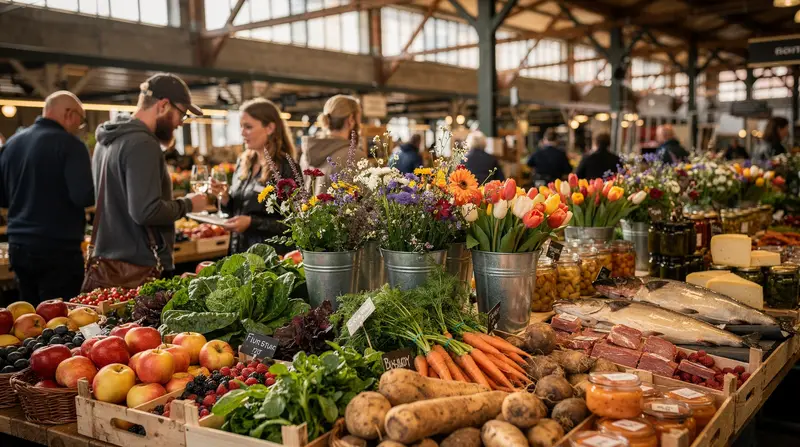
Israels Plads (Nørreport station, exit). The covered market’s dedicated smørrebrød stalls (Hallernes Smørrebrød is the main one, plus seasonal variants) offer proper smørrebrød on paper plates. No booking, no ceremony, genuinely good.
Price: 80–120 DKK per piece, served immediately.
Verdict: Best entry point, best budget option. See the Torvehallerne guide for the full market breakdown.
Slotskælderen hos Gitte Kik — old-school, under Christiansborg
Fortunstræde 4, below Christiansborg Palace. A bodega-style smørrebrød restaurant that serves politicians, lawyers and civil servants from the nearby parliament. Very traditional, very Danish, not for tourists — but utterly authentic.
Price: 150–280 DKK for lunch including snaps. Cash preferred, card accepted.
Verdict: Go for the atmosphere. The food is solid; the setting — low-ceilinged, slightly chaotic — is irreplaceable.
Smørrebrød outside dedicated restaurants
You will encounter smørrebrød at lunch in many settings:
Supermarkets: Irma and Coop supermarkets sell packaged smørrebrød — surprisingly decent, 50–80 DKK for a pre-made piece. Not the same experience, but a legitimate budget option.
Airport (CPH): There are decent smørrebrød options in Copenhagen Airport — better than most airport food. If you have an early departure, grab one there rather than skipping the experience.
Bakeries: Some bakeries (Hart, Ole & Steen) sell a simpler smørrebrød at lunch — less elaborate than a restaurant, 70–100 DKK, usually good quality.
On food tours that include smørrebrød
If you want to taste smørrebrød alongside other Danish classics with contextual explanation, a food tour is a practical option. The food tour with 6+ tastings of Danish classics covers smørrebrød as one of its main stops. The Scandinavian Delights private food tour is more flexible for groups who want to pace themselves.
These tours work best for first-time visitors who want orientation before independent exploring.
Smørrebrød within Copenhagen’s wider food scene
Smørrebrød is one part of a much broader Copenhagen dining picture. For a fuller sense of where it fits, see the best food in Copenhagen guide and the best restaurants in Copenhagen if you want to go beyond lunch.
Smørrebrød sits at the traditional end of the spectrum — for the modern reinterpretation of Danish ingredients, the new Nordic cuisine explained guide covers the movement that grew out of restaurants like Noma. If a guided introduction appeals more than working through this list alone, the best food tours in Copenhagen guide rounds up the main operators, including the two covered above.
Frequently asked questions about smørrebrød in Copenhagen
What does smørrebrød mean?
Smørrebrød literally means “butter bread” in Danish — smør (butter) plus brød (bread). The name refers to the base: buttered rye bread with toppings. The butter is an essential part, not optional.
How do you eat smørrebrød properly?
With a knife and fork — always. Never fold it or pick it up with your hands. Order two or three pieces for a proper lunch. Traditionally start with herring, then move to fish and meat pieces. Each piece is a separate small course, not combined on one fork.
What is rugbrød?
Rugbrød is the dense Danish rye bread that forms the base of almost all smørrebrød. It is fermented (sourdough-based), seedy, slightly sour, and very filling. A single thick slice is substantial. It is quite different from German pumpernickel or Scandinavian crispbread — a proper loaf that is also sold whole in supermarkets and bakeries.
What are the most classic smørrebrød toppings?
Sild (pickled herring), stjerneskud (steamed and fried plaice with shrimp), leverpostej (warm liver pâté with bacon and mushrooms), roastbeef with remoulade and crispy onions, and rejer (cold-water shrimp). Each has its specific traditional accompaniments.
Is smørrebrød expensive in Copenhagen?
It depends where you go. Torvehallerne market: 80–120 DKK per piece. Mid-range restaurants: 150–280 DKK per piece. Schønnemann: 200–350 DKK per piece. A full two-piece lunch with a beer at Aamanns Deli costs around 350–420 DKK total — significant, but a genuine meal.
Do I need to book a smørrebrød restaurant in advance?
For Schønnemann: book at least two to three weeks ahead. For Aamanns 1921: book three to five days ahead. For Selma: a day or two ahead at weekends. For Torvehallerne and Aamanns Deli: no booking needed.
What is snaps and should I order it with smørrebrød?
Snaps (or akvavit) is a Scandinavian spirit flavoured with caraway and dill, served ice-cold in a small glass. It is traditionally drunk with the herring course — the spirit cuts through the oily fish and the pairing is genuinely complementary. Expect to pay 60–90 DKK per glass at a restaurant. You are not obliged to order it, but it is part of the experience.
Top experiences
Bookable activities with verified prices and instant confirmation on GetYourGuide.