Best Food Tours in Copenhagen: An Honest Comparison
Copenhagen: A Taste of Denmark Tasting Tour
Duration: 4 hours
Which is the best food tour in Copenhagen?
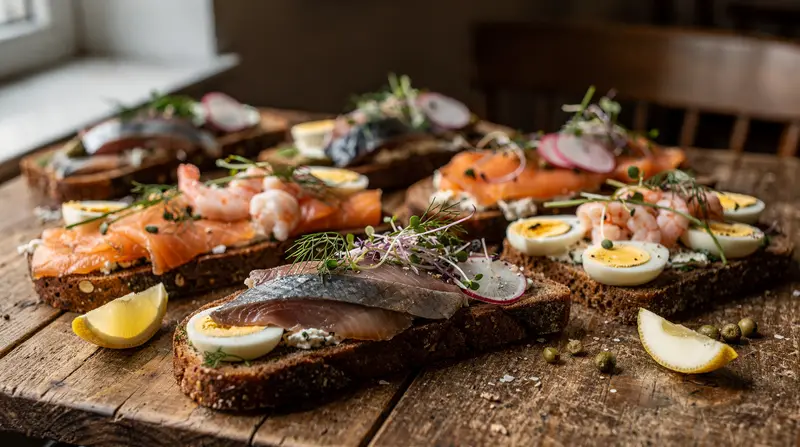
The Taste of Denmark tour (4 hours, around 650–700 DKK) is the most established and broad option, covering smørrebrød, pastries, and classic Danish flavours with a knowledgeable local guide. For a more themed approach, the New Nordic food tour or the Danish pastry tasting tour are excellent alternatives. All are walking tours; plan 3–5 hours and comfortable shoes.
Do you actually need a food tour in Copenhagen?
Honest answer first: no, you do not need one. Copenhagen is legible enough as a food city that a motivated visitor with a good guide (this site, Mikkeller’s bar list, any of the recommended smørrebrød restaurants) can eat extremely well without a tour.
What food tours do provide that independent research cannot easily replicate:
- Volume of tastings — a good 4-hour tour gets you 6–8 tastings across multiple venues, which would take a solo visitor a full day to replicate
- Institutional knowledge — guides explain the history behind each dish, why certain combinations exist, and how to interpret what you are eating
- Venue access — some tours go to spots that are not visible from the street or that have waiting lists for solo diners
- Confidence — if smørrebrød etiquette (knife and fork, the order of courses, ordering a snaps) intimidates you, having a guide removes the uncertainty
The best case for a food tour is an efficient first day in the city that gives you the framework to explore independently for the rest of your stay.
| Tour | Duration | Price (approx.) | Best for |
|---|---|---|---|
| Taste of Denmark | 4 hrs | 650–750 DKK | Comprehensive first-day overview |
| 6+ Tastings, Danish classics | 3–3.5 hrs | 500–650 DKK | Half a day, breadth without commitment |
| New Nordic tour with meal | 4 hrs | 800–950 DKK | Food-focused, understanding the modern scene |
| Evening gourmet walk | 3–4 hrs, evening | 700–1000 DKK | Atmosphere and drinks pairings |
| Danish pastry tasting | 2–2.5 hrs | 450–550 DKK | Pastry specialists, multi-day visitors |
| Modern city food tour | 3–4 hrs | 600–800 DKK | Repeat visitors, contemporary scene |
The main options, compared
Taste of Denmark Tasting Tour
Taste of Denmark tasting tour — 4 hours, group walking tour
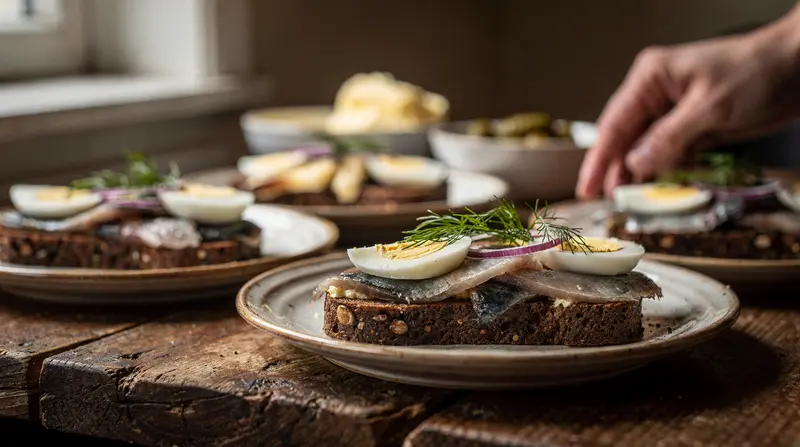
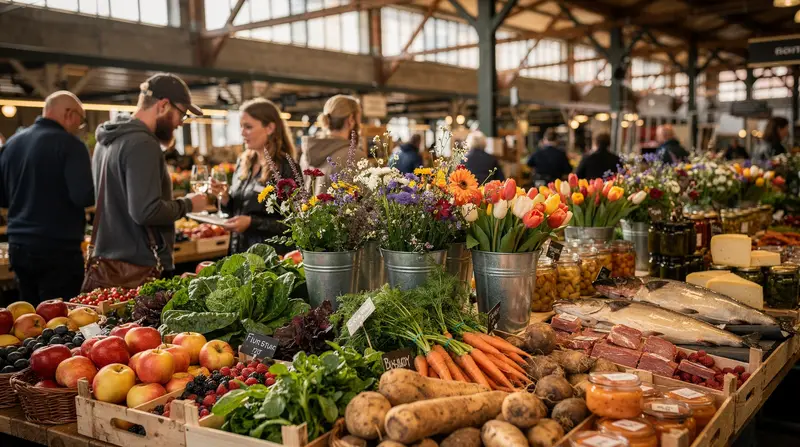
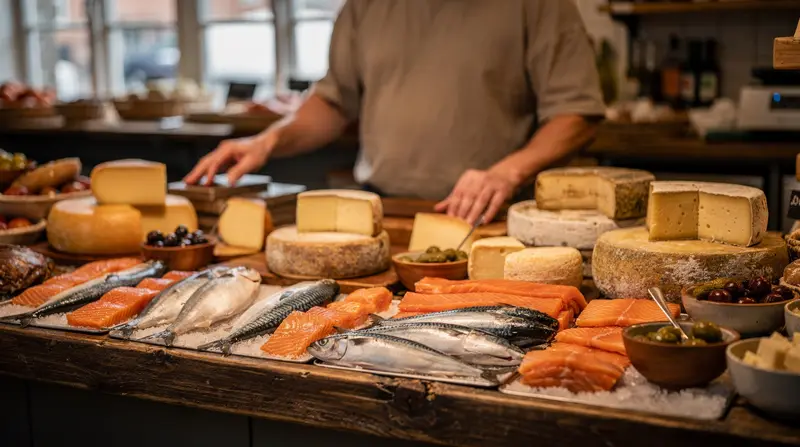
This is the longest-running and most-reviewed food tour in Copenhagen. It covers the broadest range of Danish food culture: smørrebrød, traditional Danish pastries, local cheeses, pickled fish, and typically a stop at a market or food hall.
What to expect: 6–8 stops, each with a small tasting. Groups are typically 8–15 people. The guide handles all ordering and explains the cultural context of each dish.
Honest assessment: Solid and reliable. Not the most creative tour in the city, but consistently well-executed and genuinely educational. The smørrebrød and pastry components are the strongest elements.
Price: Approximately 650–750 DKK per person, all tastings included.
Best for: First-time visitors who want a comprehensive Danish food overview in a single session.
Food Tour with 6+ Tastings of Danish Classics
Food tour with 6+ tastings of Danish classics — walking tour, 3–3.5 hours
A slightly tighter route, covering classic Danish flavours with a focus on the most iconic tastes. Visits typically include a smørrebrød stop, a bakery for pastries, a market stop, and one or two additional tastings.
What to expect: More streamlined than the Taste of Denmark tour, appropriate for visitors who want breadth without the full 4-hour commitment.
Honest assessment: Good value for the duration. The 6+ tastings claim is accurate — you leave comfortably full. Less cultural depth than the longer tour, but covers the essentials efficiently.
Best for: Visitors with half a day free who want the highlights without a deep dive.
New Nordic Food Tour with Tastings and Meal
New Nordic food tour with tastings and meal — 4 hours, includes a sit-down component
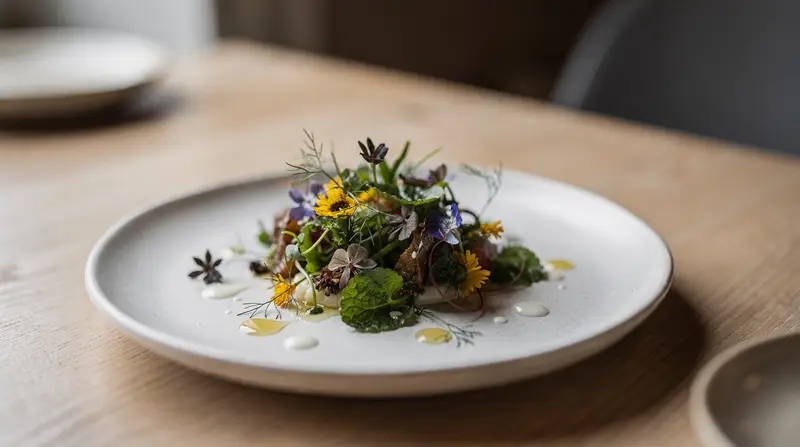
This tour addresses a specific gap: most food tours cover traditional Danish food (smørrebrød, pastries), but Copenhagen’s real contemporary food identity is New Nordic. This tour takes a different route — focusing on seasonal, local, modern cooking — with tastings at venues that represent the New Nordic approach at different price points.
The included sit-down meal component distinguishes it from pure walking tours: you get at least one proper course at a participating restaurant, not just bites.
Honest assessment: More expensive than the standard tours, but the sit-down meal element means you are paying for a genuine restaurant experience within the tour price. Appropriate for food enthusiasts who already know smørrebrød and want to understand the next layer of Copenhagen’s food culture.
Price: Approximately 800–950 DKK per person.
Best for: Food-focused visitors, those who have visited Copenhagen before, or anyone specifically interested in understanding New Nordic beyond the headlines.
Evening Gourmet Walk
Evening gourmet walk with food and drinks tasting — evening format, food and drinks
A different experience: an evening walking tour (typically starting 18:00–19:00) that combines food tastings with drinks pairings — beer, wine, or aquavit depending on the stop. The evening angle adds atmosphere, particularly in summer when Copenhagen stays light until 22:00.
Honest assessment: The food component is generally lighter than the daytime tours — this is positioned more as a social experience with food than a dedicated food education. The drinks pairings are good and the evening Copenhagen ambience is genuinely pleasant.
Best for: Couples, groups, those who want to combine evening sightseeing with eating and are not necessarily focused on maximising food education.
Danish Pastry Tasting Tour
Danish pastry tasting tour — focused, typically 2–2.5 hours
A shorter, themed tour focused entirely on Danish viennoiserie — kanelsnegle, spandauer, tebirkes, and the full range of what bakery culture in Copenhagen offers. Visits multiple bakeries across a neighbourhood, usually Indre By or Nørrebro.
Honest assessment: The narrower focus is a strength for pastry enthusiasts — you taste four to six different bakeries back-to-back and develop a real sense of the range. Not a substitute for a full food tour if you also want smørrebrød; treat it as a standalone breakfast or mid-morning experience.
Price: Approximately 450–550 DKK per person.
Best for: Those staying multiple days who want to specialise; visitors who have already done a broader food tour; anyone who takes baked goods seriously.
Modern City Food Tour
Copenhagen modern city food tour — contemporary focus
A tour oriented toward Copenhagen’s current food moment rather than its traditional heritage — covers restaurants and vendors that represent the city as it eats now, including international influences, new Danish cooking, and contemporary market culture.
Honest assessment: Useful for repeat visitors who already know smørrebrød. Less contextually grounded than the traditional tours — you learn less about why Danish food is the way it is, more about what interesting people are cooking right now.
Best for: Return visitors, food industry travellers, anyone specifically interested in contemporary Copenhagen rather than heritage cuisine.
What food tours do not cover well
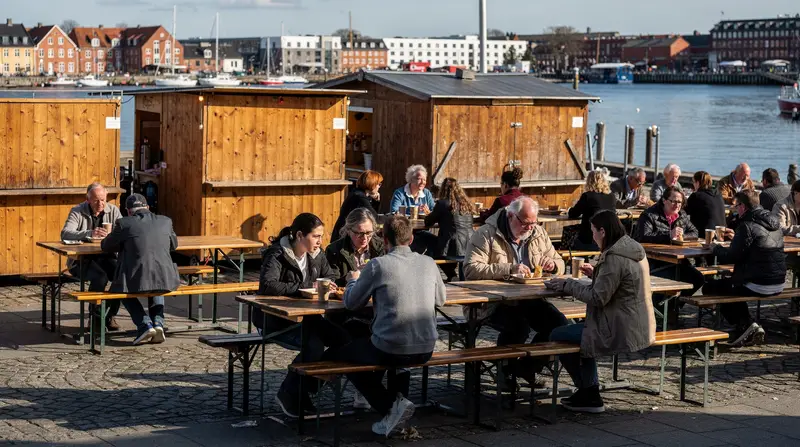
Reffen street food — the container market on Refshaleøen is 20 minutes from the city centre and no food tour operates there. Visit independently: take bus 9A or the harbour ferry (Havnebussen) and plan a lunch or early evening visit. Full details in the Reffen street food guide.
Michelin and New Nordic at the top end — no food tour accesses Noma alumni restaurants, Geranium, or Alchemist. Those require independent reservations made weeks to months ahead.
Craft beer deep dive — beer-focused walking tours exist separately (Mikkeller BeerWalk, craft beer tours). They are not combined with food tours in most offerings.
Independent vs guided: the honest calculus
If you have read the Copenhagen food guide and the smørrebrød guide before arriving, you may find you can eat just as well independently — especially if you are confident in navigating a city and ordering at restaurants.
The food tour adds genuine value if:
- You have two days or fewer in Copenhagen (the tour compresses learning efficiently)
- You are travelling alone and want a social experience with other food-interested visitors
- You want the confidence of a guide in a cuisine that has unfamiliar etiquette (ordering snaps, the sequence of smørrebrød courses)
- You want to discover venues you would not find from a search engine
If you have four days or more, a food tour on day one followed by independent exploration is an excellent approach: the tour gives you the map, and the rest of the stay lets you return to what interested you.
Practical advice for food tours in Copenhagen
Book 3–7 days ahead in summer (June–August) — popular tours sell out. Less urgent in winter but still worth booking.
Wear comfortable shoes. All tours involve 2–4 km of walking on Copenhagen’s cobbled streets.
Tell the operator about dietary restrictions when booking, not on the day. Most tours accommodate vegetarian and gluten-free participants with advance notice; some cannot accommodate severe nut allergies across all stops.
Eat lightly before. A coffee and perhaps a piece of fruit — not a full breakfast. The tour food is the meal.
Bring a jacket in shoulder seasons. Outdoor stops in spring and autumn can be cold even in May or September.
What to do after your tour
A good food tour gives you a map of the city’s food landscape, not the whole story. If your tour covered smørrebrød only briefly, follow up independently at Torvehallerne or with the full smørrebrød guide. If the tour skipped New Nordic entirely, the best New Nordic restaurants guide picks up where a traditional food tour leaves off, from accessible bistros to Michelin tables. Pastry enthusiasts who did a broader tour and want deeper bakery coverage should read the Copenhagen bakeries guide, which goes beyond what any single walking tour can fit in.
For a sit-down meal to round out the day, the best restaurants guide covers every price tier with specific addresses, and the craft beer guide is the natural pairing if your tour’s drinks component left you wanting more.
Frequently asked questions about food tours in Copenhagen
Are food tours in Copenhagen worth the money?
For first-time visitors with limited time, yes — the efficiency of tasting 6–8 different Danish foods in one session, with context, is hard to replicate independently in a short stay. For longer visits or well-researched travellers, independent eating is equally rewarding and often cheaper.
How much does a food tour in Copenhagen cost?
Group walking tours: 500–850 DKK per person (3–4 hours, all tastings included). Private tours: 1200–2500 DKK per person. Evening walks with drinks: 700–1000 DKK. Pastry-focused tours: 450–550 DKK.
What do Copenhagen food tours include?
Most include 5–8 tastings at different venues: smørrebrød, pastries, local cheese, pickled fish, beer or aquavit, and sometimes a New Nordic bite. All food and non-alcoholic drinks are included; alcoholic tastings are included in most tours, optional in others.
Which food tour is best for families with children?
The Taste of Denmark tour handles mixed groups well. The pastry tasting tour is naturally appealing to younger visitors. The evening gourmet walk is adult-oriented due to the drinks focus.
Can I do a food tour and also eat independently on the same day?
Most people are full after a proper food tour and do not want a large meal the same evening. Plan the tour as the main food event of the day — light breakfast before, perhaps a small snack in the evening.
What is the difference between a food tour and a cooking class in Copenhagen?
Food tours are walking tastings at multiple venues — you eat prepared food and learn about culture and history. Cooking classes are hands-on kitchen sessions where you prepare dishes yourself. Classes cost more (800–1500 DKK), are more intimate, and give you skills to take home. Both are worthwhile; choose based on whether you want breadth or depth.
Do Copenhagen food tours operate year-round?
Most do, with reduced schedules in January and February. Summer is peak season with multiple daily departures. The evening gourmet walk is most atmospheric in summer light; the daytime tours work well year-round.
Top experiences
Bookable activities with verified prices and instant confirmation on GetYourGuide.