Copenhagen nightlife: Meatpacking District, Vesterbro, Nørrebro and the craft beer scene
Copenhagen: Small Group Neighborhood Tour with Beer & Pubs
Duration: 3 hours
What is Copenhagen's nightlife scene like?
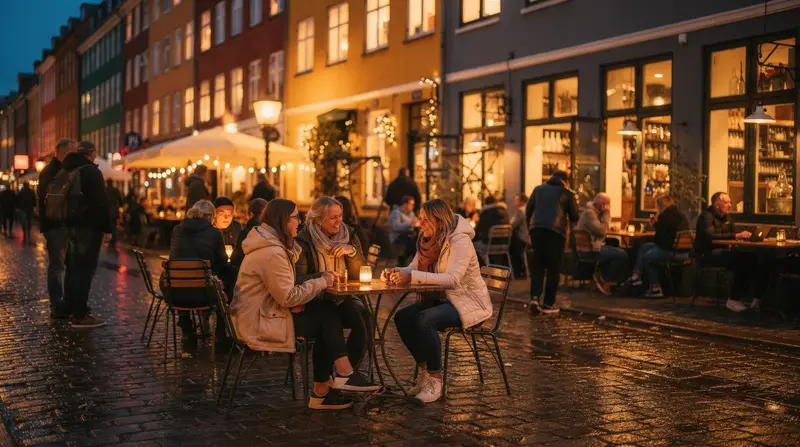
Copenhagen has a genuinely good nightlife scene — not as relentless as Amsterdam or Berlin, but with real quality in craft beer, wine bars, and the Meatpacking District (Kødbyen) club and bar corridor. The city is safe at night by any European standard. Drinks are expensive: a cocktail runs 120–160 DKK (16–21 euros), a craft beer 70–100 DKK. The scene runs late on weekends — clubs don't fill before midnight, and many stay open until 05:00.
The Copenhagen neighbourhood tour with beer and pubs covers the main bar districts with a local guide — useful if you want orientation to the scene before exploring independently.
| Main areas | Kødbyen (Vesterbro), Nørrebro |
| Cost | 400–700 DKK for a full evening, 3–4 drinks |
| Hours | Clubs fill from midnight, some open to 05:00 |
| Getting there | Kødbyen: 10 min walk from Central Station |
| Safety | Among the safest capitals in Europe at night |
Copenhagen’s nightlife in honest terms
Copenhagen’s nightlife does not compete with Berlin’s club reputation, Amsterdam’s late-night volume, or London’s sheer size. What it offers instead is quality within a relatively compact area, genuine craft beer culture built on Mikkeller and the brewery scene that followed, a safe and functional city at 03:00, and a Meatpacking District that has grown organically rather than being planned.
The cost is the honest caveat. Denmark has some of the highest alcohol taxes in Europe, which flows through to drink prices at every level. A cocktail at a good bar runs 120–160 DKK (16–21 euros); a craft beer 70–100 DKK for 40cl. An evening in Copenhagen nightlife is objectively expensive by European standards. Pre-drinking in your accommodation (supermarket prices: wine from 60 DKK a bottle, beer from 10 DKK a can) reduces bar spend and is common practice among locals and budget-aware visitors.
With those parameters set, this guide covers the main areas and what each delivers.
The Meatpacking District (Kødbyen): the main corridor
Kødbyen — the Meatpacking District — is the most concentrated nightlife area in Copenhagen and the practical starting point for most evenings.
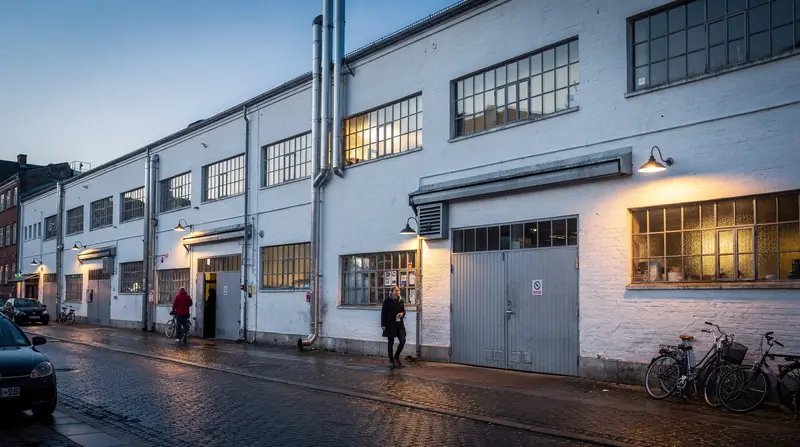
What it is: A series of early-20th-century industrial meatpacking halls in Vesterbro, converted over the past 15–20 years into bars, restaurants, galleries, and clubs. The area divides into three sections: the White (Hvide) Meat City (most commercialised), the Brown (Brune) Meat City (most developed for nightlife), and the Grey (Grå) Meat City (mix of working industry and evening venues). The main nightlife cluster is in the Brown section around Flæsketorvet.
Getting there: 10-minute walk from Central Station, heading south-west through Vesterbro. The area is compact enough to navigate on foot.
Key venues:
Warpigs (Flæsketorvet 25): Mikkeller and 3 Floyds joint brewery and barbecue hall. This is primarily a food-and-beer venue rather than a nightclub — open from 12:00, busy at dinner through late evening. Ideal as a dinner-starting point with house-brewed American-style beers and wood-smoked barbecue.
Jolene (Flæsketorvet 57): A cocktail bar and club space that functions as one of the main Kødbyen evening destinations. DJs run from 22:00 on weekends; the bar space is open earlier. Mixed clientele (25–40), good sound system, covers occasional live music. Cover charge typically 80–100 DKK after midnight.
Kødbyens Fiskebar (Flæsketorvet 100): Primarily a restaurant (excellent seafood, expensive) that pivots to late-night bar after the kitchen closes. Natural wine focus, good cocktails, tends toward the design-aware Copenhagen crowd. Entry is bar-only after approximately 22:00.
BÆST (Guldbergsgade 29, Nørrebro — technically outside Kødbyen but associated with the scene): Pizza restaurant and craft beer bar run by the same group as BRUS (To Øl’s taproom). Less of a nightlife venue but part of the creative dining-into-drinking circuit.
The Meatpacking District is not purely a night venue. Many of its restaurants are day operations; the concentration of creatives and artists means the area has a gallery and cultural dimension (CHART art fair, various gallery spaces) that runs alongside the nightlife. Worth visiting in the afternoon before dark. The Meatpacking District (Kødbyen) guide covers the daytime side in more depth, and the Vesterbro guide places the district in the context of the wider neighbourhood.
Vesterbro: bars and craft beer
Vesterbro — the neighbourhood surrounding the Meatpacking District — is Copenhagen’s most evolved bar neighbourhood. It has moved from its historic status as the city’s red-light district (which it no longer is in any meaningful sense) to become the primary address for craft beer, cocktail bars, and independent music.
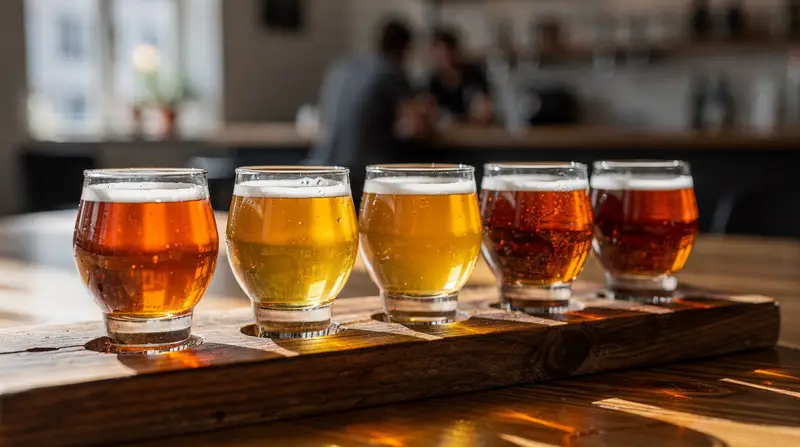
Mikkeller Bar (Viktoriagade 8B): The flagship of the Copenhagen craft beer scene. 20-plus rotating taps, open daily from 14:00, busy from 18:00. Not a nightclub — it’s a proper bar with table service. The most important single address in Vesterbro for evening drinking.
Fermentoren (Halmtorvet 30): Bottle shop with some on-site seating. Take-away craft beer at prices significantly below bar rates — a Danish craft IPA at 35–50 DKK versus 80–100 DKK at a bar. Closes earlier than bars (approximately 20:00 most evenings) but useful for pre-loading before a longer evening.
The Jane (Gråbrødretorv 8, technically Indre By): A cocktail bar associated with Vesterbro’s design-conscious bar culture. Excellent drinks, slightly upscale atmosphere.
Bakken (Flæsketorvet 19–21, Kødbyen): A bar-and-music space in the Meatpacking District running DJ events across genres from indie to electronic. Part of the Kødbyen bar cluster but with a more eclectic programming mix.
Nørrebro: the independent neighbourhood scene
Nørrebro is Copenhagen’s most demographically diverse neighbourhood — historically working-class Danish, now significantly multicultural, with the highest density of independent cafés, bars, and music venues in the city relative to its size.
The bar scene here runs more quietly than Kødbyen — neighbourhood bars rather than destination clubs — but the craft beer and wine bar options are strong.
BRUS (Guldbergsgade 29): To Øl’s brewery taproom. One of the best craft beer bars in Copenhagen, with 20 rotating taps and a restaurant. Open from 15:00 weekdays, 12:00 weekends.
Rust (Guldbergsgade 8): The main live music venue in Nørrebro, running local and international artists across indie, electronic, and hip-hop formats. The ground-floor bar is open from early evening; the club space opens after the last band. Capacity approximately 700 on a sold-out night.
Nørrebro Bryghus (Ryesgade 3): A neighbourhood microbrewery with a taproom. Smaller production than Mikkeller or To Øl, more local-facing. A quieter option for mid-evening beer without the craft bar crowds.
Café Pavillon (Nørrebrogade): One of several neighbourhood cafés that transition from daytime coffee to evening wine and beer — the model of the Copenhagen local bar, comfortable and without pretension.
The Copenhagen Craft BeerWalk Nørrebro covers the neighbourhood’s beer venues with a local guide — book the Nørrebro beer walk if you want a structured introduction before exploring independently.
For a fuller picture of the neighbourhood beyond its bars, see the Nørrebro guide. For a citywide roundup of the best craft beer addresses across all three areas covered here, see best craft beer in Copenhagen.
Clubs and electronic music
Copenhagen’s club scene is genuinely good for electronic music — a product of the Scandinavian tradition of taking electronic production seriously, and a small number of venues that have built strong programming reputations over years.
Culture Box (Kronprinsessegade 54, Indre By): Copenhagen’s most respected club for electronic music — techno, house, minimal. International bookings (Berlin producers, UK artists, Scandinavian talent). The Box itself has a dark, sweat-box aesthetic appropriate to its programming. Opening hours Friday and Saturday to 05:00–06:00. Cover charge approximately 100–150 DKK on strong booking nights.
VEGA (Enghavevej 40, Vesterbro): The city’s main live music venue (capacity 1,500 in Store VEGA) and a nightclub space (Natklub/Ideal Bar for smaller and club events). The booking list covers everything from international touring acts to Nordic electronic artists. Check the website — programming varies by week.
Distortion (annual street festival, early June): Copenhagen’s largest party event — a week-long street festival that takes over different neighbourhoods each day before culminating in a large warehouse party. Not a venue but worth knowing about if you visit in early June.
KB18 (KC Bregnegårdsvej, Frederiksberg): A concrete brutalist building near Frederiksberg that has been one of Copenhagen’s most consistent underground electronic venues. Smaller than Culture Box, more DIY aesthetic.
Safety, transport, and practical logistics at night
Copenhagen is genuinely safe at night. The main nightlife areas — Kødbyen, Vesterbro, Nørrebro — can be walked through without concern at 02:00–03:00 on weekends. Danish street culture does not have the aggressive late-night dynamic found in some other European cities.
Public transport: The metro runs 24 hours on Friday and Saturday nights (24-hour service). On weekdays it runs to approximately 01:00 then shifts to extended intervals. Night buses cover most of the city from approximately 01:00. Taxis and Uber are readily available at all hours; a typical city-centre journey costs 100–200 DKK.
Cycling at night: The main cycle paths are lit and used by locals at all hours. Cycling back from Vesterbro or Nørrebro to Indre By or Østerbro at 02:00 is entirely normal. Rental bikes from Donkey Republic are available through the app at night.
One honest note on Christiania at night: The Freetown Christiania (Christianshavn) has a reputation as a relaxed alternative destination. Pusher Street, the section where cannabis is openly sold, operates with its own norms including a no-photography rule enforced firmly by the community. Night visits by tourists unfamiliar with the unwritten rules are not recommended — not because of violence, but because the community is protective of its norms and misunderstandings are common. Visit Christiania in daylight instead, when the atmosphere is calmer and easier to navigate as a first-time visitor.
If you want a structured evening rather than exploring solo
For visitors who’d rather follow a route than piece one together, a guided pub crawl covers several venues in one night with built-in orientation, and the best bars in Copenhagen guide is the reference list if you’d rather pick your own stops but want vetted addresses instead of guessing from a map.
Book the Copenhagen pub crawl with nightclub entryMicro-brewery culture
Copenhagen’s micro-brewery scene extends well beyond Mikkeller and To Øl:
Nørrebro Bryghus (Ryesgade 3): A neighbourhood microbrewery producing Danish-influenced styles with a taproom restaurant. Production is small and seasonal.
Hornbeer (Frederikssund, day trip only — not an evening venue in the city): One of Denmark’s earliest craft breweries, predating the Mikkeller era. Distribution to bottle shops in Copenhagen.
Evil Twin Brewing (founded Copenhagen, production now New York): The brand remains connected to the Copenhagen scene through collaborations and Fermentoren stocking.
Where to find micro-brewery beers: Fermentoren (Halmtorvet 30, Vesterbro) stocks the widest range of Danish micro-brewery production available in a single shop. The staff curate the selection and can explain the provenance of individual beers.
Budget strategy for a Copenhagen night out
A realistic evening in Copenhagen nightlife:
- Pre-drinks at accommodation: wine or beer from supermarket (30–80 DKK per person, Netto or Lidl have the best prices)
- Dinner in Kødbyen or Vesterbro: 200–350 DKK per person at mid-range venues
- 3 craft beers at Mikkeller Bar or Warpigs: 250–350 DKK
- Entry to one club: 80–150 DKK
- 2 drinks inside the club: 200–280 DKK
- Taxi home: 100–200 DKK split
Total range: 800–1,100 DKK per person for a full evening. This is expensive by European standards but reflects Copenhagen’s general cost level.
Frequently asked questions about Copenhagen nightlife
Is Copenhagen safe at night?
Yes — one of the safest European capitals. The main nightlife areas (Kødbyen, Vesterbro, Nørrebro) are walkable safely at 02:00–03:00 on weekends. Normal urban caution applies.
How much do drinks cost in Copenhagen nightlife?
Draft beer 60–90 DKK (33cl), craft beer 70–100 DKK, basic cocktail 110–140 DKK, premium cocktail 140–180 DKK, wine by the glass 75–120 DKK. Budget 400–700 DKK for a full evening with 3–4 drinks.
When do clubs and bars open and close?
Bars from 16:00–18:00, busy from 21:00. Clubs open 22:00–23:00 but don’t fill before midnight. Peak atmosphere 01:00–03:00. Many venues stay open until 05:00 on weekends.
Where is the Meatpacking District in Copenhagen?
Kødbyen is in Vesterbro, 10 minutes’ walk from Central Station heading south-west. The main cluster of bars and clubs is around Flæsketorvet (Pork Square).
What are the best craft beer areas at night?
Vesterbro (Mikkeller Bar, Warpigs, Fermentoren) and Nørrebro (BRUS/To Øl, Nørrebro Bryghus, Rust). The Meatpacking District itself tends more toward cocktails and DJ bars.
What are the best clubs in Copenhagen?
Culture Box (Kronprinsessegade) for electronic music/techno. VEGA (Enghavevej) for live music and club events. Jolene (Flæsketorvet, Kødbyen) for Meatpacking District club atmosphere.
Frequently asked questions — Copenhagen nightlife: Meatpacking District, Vesterbro, Nørrebro and the craft beer scene
Is Copenhagen safe at night?
Copenhagen is one of the safest capitals in Europe at night. Violent crime is rare in the main nightlife areas. The Meatpacking District (Kødbyen), Vesterbro, and Nørrebro are all safe to walk at 02:00–03:00 on weekends. Normal urban caution applies — keep phones pocketed in crowded spaces, avoid confrontation near club doors after midnight. Christiania (Pusher Street area) is an autonomous zone with its own norms; night visits are not recommended for first-time tourists.How much do drinks cost in Copenhagen nightlife?
Prices as of 2026: a draft beer (33cl) at a bar 60–90 DKK; craft beer at a craft bar 70–100 DKK for 33–40cl; a basic cocktail 110–140 DKK; a premium cocktail at places like Ruby or Balderdash 140–180 DKK; wine by the glass 75–120 DKK; a shot of spirits 60–80 DKK. Clubs with cover charge: 80–150 DKK entrance. Copenhagen nightlife is expensive by European standards — budget 400–700 DKK per person for an evening with 3–4 drinks and possible cover charge.When do clubs and bars open and close in Copenhagen?
Most bars open from 16:00–18:00 and are busy from 21:00–22:00. Clubs open at 22:00–23:00 but rarely fill before midnight. Peak club atmosphere is 01:00–03:00. Many clubs in Copenhagen can legally stay open until 05:00; some venues push to 06:00 on Friday and Saturday nights. If you arrive at a club at 22:00, it will be empty. Arriving at 00:30–01:00 is normal. Bars (non-club) typically close at 02:00 on weekdays, 05:00 on Friday and Saturday.Do bars and clubs in Copenhagen have dress codes?
Most bars in Copenhagen have no dress code — the Danish informal-chic style (clean, put-together, no trainer ban) is the general standard. A few club venues enforce stricter dress requirements: no sportswear, clean footwear. The Meatpacking District venues are generally relaxed. Club venues closer to the city centre (Culture Box, for example) may have stricter door policies. Smart casual is safe for all venues.Where is the Meatpacking District in Copenhagen?
Kødbyen (the Meatpacking District) is in Vesterbro, adjacent to Central Station — a 10-minute walk south-west from the station. It occupies former industrial meatpacking halls from the early 20th century, now housing bars, restaurants, galleries, and clubs. The main cluster of evening venues is around Flæsketorvet (Pork Square). It is Copenhagen's most concentrated nightlife corridor and a logical starting point for an evening.What are the best craft beer areas in Copenhagen at night?
Vesterbro (Mikkeller Bar at Viktoriagade 8B, Warpigs at Flæsketorvet 25) is the craft beer heartland. Nørrebro (BRUS at Guldbergsgade 29 for To Øl, WarPigs seasonal taps) offers a neighbourhood alternative with later opening hours. The Meatpacking District generally tends toward cocktails and DJ bars rather than craft beer specifically. Fermentoren (Halmtorvet 30) is a bottle shop with some on-site seating — take-away rather than bar-format.What are the best music venues and clubs in Copenhagen?
Culture Box (Kronprinsessegade, Indre By) is Copenhagen's most respected electronic music club — techno, house, minimal; genuine international bookings. VEGA (Enghavevej, Vesterbro) is the main live music venue with a dedicated nightclub space (VEGA Natklub) for DJ events. Jolene (Flæsketorvet, Kødbyen) is a Meatpacking District venue running a popular bar and club format. Rust (Guldbergsgade, Nørrebro) is the main mid-size live music venue with a club space.
Top experiences
Bookable activities with verified prices and instant confirmation on GetYourGuide.