The Meatpacking District (Kødbyen) Copenhagen: bars, restaurants, clubs and how it works
Copenhagen: Craft Beer & Bites Tour
What is Copenhagen's Meatpacking District and is it worth visiting?
Kødbyen (the Meat City) is Copenhagen's most concentrated creative and nightlife district — former industrial meatpacking halls in Vesterbro converted into bars, restaurants, galleries, and clubs. Yes, worth visiting: Warpigs (craft beer and barbecue), Kødbyens Fiskebar (seafood and natural wine), and the Jolene bar/club complex are among the best of their category in the city. An evening starting in Kødbyen at 18:00 and running into the Meatpacking District clubs after midnight is a classic Copenhagen night out.
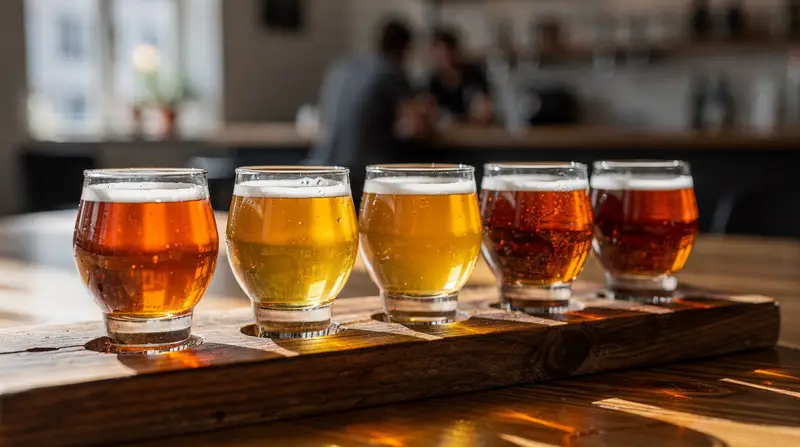
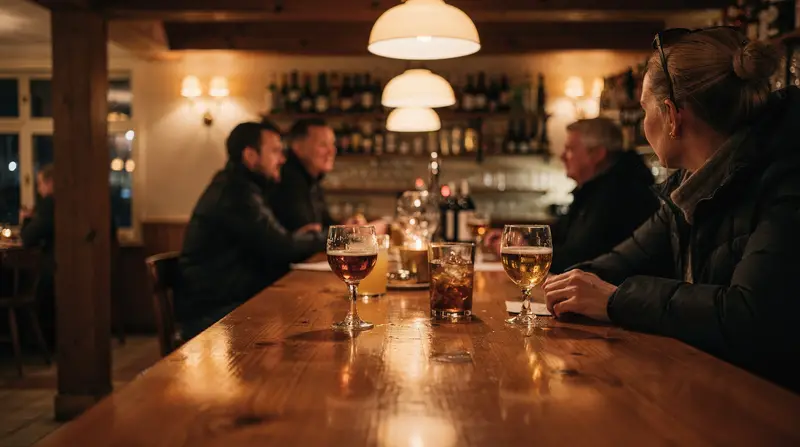
The Copenhagen craft beer and bites tour covers the Vesterbro and Meatpacking District area with a local guide — tastings included, useful as an orientation before exploring the district independently.
| Where | Kødbyen, southern Vesterbro, 10–12 min walk from Central Station |
| Cost | Free to walk; dinner from around 150 DKK (Mother) to 900 DKK (Fiskebar) per person |
| Time needed | A full evening, 18:00–02:00 for the classic sequence |
| Getting there | Walk or bike from Central Station; no direct metro stop |
| Best time | Friday/Saturday 18:00 onward; weekday evenings are quieter |
For the wider neighbourhood this sits in, see our Vesterbro guide; for how it fits into a bigger night out, see Copenhagen nightlife and best bars in Copenhagen.
What Kødbyen is and why it matters
The Meatpacking District is the part of Copenhagen where the nightlife and restaurant scene has achieved something that few cities manage: genuine character. Not manufactured character, not a development company’s “industrial chic” theme, but character that grew from a real industrial past and a specific sequence of decisions by the city and its tenants.
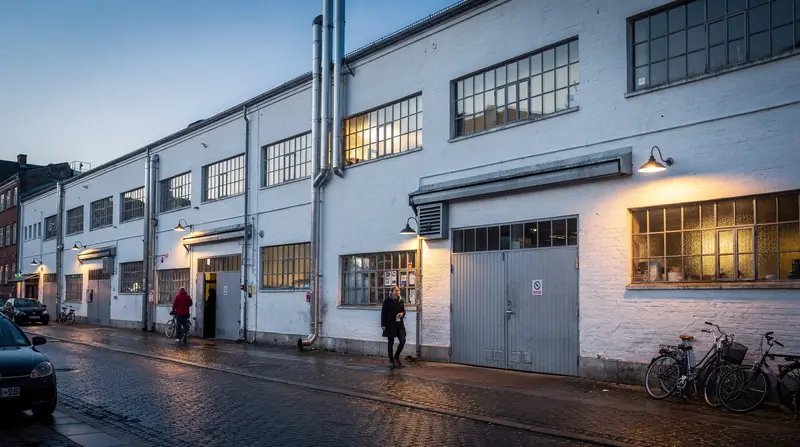
The buildings of Kødbyen were constructed between 1901 and 1934 as a rationalised system for processing and distributing meat in the Danish capital. They are low-rise, brick, functional — not spectacular architecture but coherent and texturally distinctive. When Copenhagen’s meatpacking industry consolidated and moved to modern facilities outside the city in the 1990s, the buildings became available. Artists took spaces first. Then bars. Then restaurants. The city kept the buildings rather than demolishing them.
The result by 2026 is a district with functioning food industry (in the White Meat City section), galleries, some of the best restaurants in Copenhagen (Kødbyens Fiskebar, Warpigs, Mother, Paté Paté), and a club and bar cluster centred on Flæsketorvet that functions from late afternoon through to the early hours.
This guide covers the district practically — how to get there, what to eat and drink, which venues work and which don’t, and how an evening in Kødbyen typically flows. If you’re planning a broader nightlife route across the city, our Copenhagen nightlife guide puts Kødbyen in context alongside Indre By and Nørrebro options.
Getting there
By foot from Central Station: 10–12 minutes heading south-west through Vesterbro, crossing Ingerslevsgade onto Slagtehusgade and into the district. The route passes through the standard Vesterbro residential streets before the architecture shifts to the industrial brick halls.
By bike: 5–7 minutes from Central Station, following the cycle path along Vesterbrogade and turning south into the district. Bike parking is available throughout Kødbyen.
By metro: No direct metro stop — the closest is Copenhagen H (Central Station, 1 minute from M1/M2 interchange). Walk from there.
By taxi or Uber: Direct to Flæsketorvet. Standard journey from Indre By approximately 80–120 DKK.
The district is compact — walking from one end to the other takes 8–10 minutes. No internal transport is needed.
Coming from elsewhere: If you’re staying near Nørrebro or Østerbro, factor in an extra 10–15 minutes to reach Central Station first, then continue on foot or by bike. There’s no shortcut via public transport that beats simply walking or cycling once you’re in the Vesterbro area.
The three sections of Kødbyen
Kødbyen divides into three administrative sections from the meatpacking era. Understanding which is which helps navigation.
Hvide Kødby (White Meat City): The section closest to Dybbølsgade to the west. This retains the most working food industry — fish wholesalers, butchers, specialist food businesses. Less developed for nightlife, more interesting architecturally for the industrial coexistence. Some bars and creative businesses have taken spaces here.
Brune Kødby (Brown Meat City): The central section around Flæsketorvet. This is the main nightlife cluster — Warpigs, Jolene, Kødbyens Fiskebar, and the other major venues all sit here. The square itself serves as an outdoor gathering space in summer.
Grå Kødby (Grey Meat City): The easternmost section, closest to Slagtehusgade. A mix of converted creative spaces, some food production, and a smaller set of bar and restaurant tenants. Less visited by tourists; worth walking through for the architectural texture.
The restaurants: what to eat and what to spend
Kødbyens Fiskebar (Flæsketorvet 100)
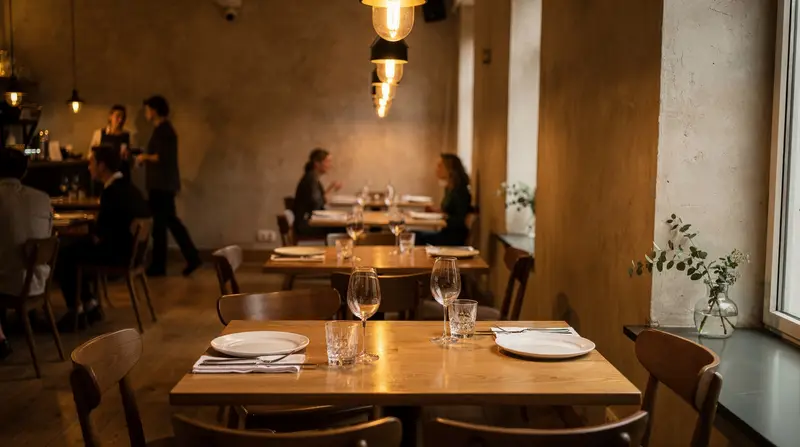
The most celebrated restaurant in Kødbyen. A seafood focus using North Atlantic and Nordic species — oysters, sea urchin, shellfish, sustainable Danish fish. Natural wine list of strong quality. The interior is a converted cold-storage hall with exposed concrete and stainless steel — the industrial setting used rather than concealed.
Prices: Starters 120–180 DKK; mains 220–350 DKK; oysters 45–60 DKK each; wine by the glass 90–130 DKK. Full meal with wine: 600–900 DKK per person.
Reservations: Required for dinner — book online a week or more ahead for Friday and Saturday. The bar operates walk-in after the kitchen closes (approximately 22:00), serving wine and small plates.
Honest assessment: One of the genuinely excellent restaurants in Copenhagen. The quality justifies the price. For visitors who want one quality dinner in the Meatpacking District, this is the recommendation.
Warpigs (Flæsketorvet 25)
A collaboration between Mikkeller (Copenhagen craft beer) and 3 Floyds Brewing (Indiana, USA). The format: American-style wood-smoked barbecue with house-brewed craft beer in a large industrial hall.
Prices: Barbecue plates (brisket, ribs, pulled pork, sausage) 185–275 DKK each. Sides 55–85 DKK. Beers: 25cl pour 70–90 DKK, 50cl pour 120–160 DKK.
The beer: Warpigs brews its own range of American-style beers on-site — West Coast IPAs, stouts, American amber ales. Rotating taps include Mikkeller collaborations and guest beers from 3 Floyds. This is the best venue in Copenhagen for combining craft beer with food.
Reservations: Walk-in is usually possible for early evening; after 19:00 on Friday and Saturday expect a wait without a reservation. Book online for busy nights.
Honest assessment: Excellent barbecue and good beer in a space that suits the concept. The American barbecue transplant does not feel awkward in the industrial setting. Recommended for anyone who wants food plus craft beer in one stop.
Mother (Høkerboderne 9)
A Neapolitan-style pizzeria that opened before the nightlife district fully developed. It remains one of the most popular affordable restaurants in the area — the wood-fired Neapolitan pizza base is well-executed, and the prices (150–200 DKK per pizza) are significantly below what Kødbyens Fiskebar charges.
Queue: Mother does not take reservations for tables of 2–4. Expect waits of 20–45 minutes on Friday and Saturday evening; arrive early or late to avoid the peak. The queue is outdoor; the wait can be reduced by putting your name down and having a drink at a nearby bar.
Honest assessment: Good pizza, significant waits, affordable by Kødbyen standards. The best option in the district if the budget for a full evening is limited.
Paté Paté (Slagterboderne 1)
A former pâté factory converted into a natural wine bar and restaurant. The wine list focuses on small producers across Europe and is one of the most interesting in the district. Food is bistro-style — charcuterie, small plates, simple but quality-focused dishes.
Prices: Wine by the glass 75–115 DKK; small plates 80–160 DKK. More casual than Kødbyens Fiskebar, less expensive.
Hours: Open from lunch; the wine bar atmosphere develops in the evening.
Comparing the four main restaurants
| Restaurant | Price per person | Reservation | Best for |
|---|---|---|---|
| Kødbyens Fiskebar | 600–900 DKK | Required, book ahead | A special-occasion seafood dinner |
| Warpigs | 350–500 DKK | Walk-in early evening; book for weekends | Craft beer plus barbecue |
| Mother | 150–200 DKK | No reservations, expect a queue | Budget-friendly, good pizza |
| Paté Paté | 300–500 DKK | Usually walk-in | Natural wine and bistro plates |
For a broader view of where these rank against the rest of the city, see our best restaurants in Copenhagen guide and best craft beer in Copenhagen guide.
The bars and clubs
Jolene (Flæsketorvet 57)
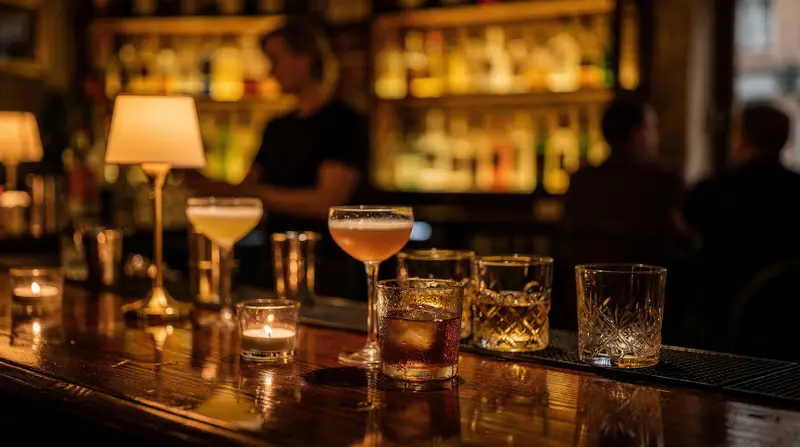
The main Meatpacking District club destination. The ground floor is a cocktail bar open from 16:00 (later on weekdays); the club space opens from 22:00 on weekends. DJs cover varied territory — the programming is mixed genre rather than dedicated electronic, which makes it accessible without being particularly specialised.
Cover charge: 80–100 DKK after midnight on peak nights. Cocktails 100–130 DKK inside. The bar space is the better value option before the club fills.
Honest assessment: A solid mid-range club with a Meatpacking District location and consistent weekend programming. Not a specialist electronic club (that is Culture Box in Indre By), but a good venue for a mixed group that wants to dance without the more austere club atmosphere.
Bakken (Flæsketorvet 19–21)
A creative venue running live music, DJ events, and an ongoing bar. Programming is genuinely eclectic — indie bands, electronic nights, experimental music, comedy. The interior has a rougher DIY aesthetic than Jolene.
Admission: Varies by event — typically 80–150 DKK for ticketed events, occasionally free. Check the Bakken website for weekly schedule.
Honest assessment: More interesting than Jolene for visitors who care about the music specifically. The programming quality varies by booking — on strong nights it is one of the better mid-size venues in the city.
Karriere Bar
An art gallery with a bar — rotating exhibitions, usually contemporary art from Copenhagen and Scandinavian artists. The bar aspect is real (drinks are served, the space is used as a bar in the evenings) but this is primarily a gallery that happens to be a bar, not the reverse.
Prices: Bar prices standard for the area (cocktails 100–130 DKK, beer 70–90 DKK).
When to visit: On opening nights for exhibitions, Karriere Bar has the most energy — locals from the art world, the bar busy. Other nights it is quieter and more gallery-like. Check the website for exhibition schedule.
Mikkeller Bar (10 minutes’ walk, worth the detour)
Though technically outside Kødbyen proper, the original Mikkeller Bar sits a short walk into central Vesterbro and is often folded into a Kødbyen evening — a rotating tap list of Mikkeller’s own beers plus international guest breweries in a small, unpretentious room. Worth the walk if Warpigs’ crowds are too much or you want a quieter beer stop before or after dinner.
The Meatpacking District bar scene generally
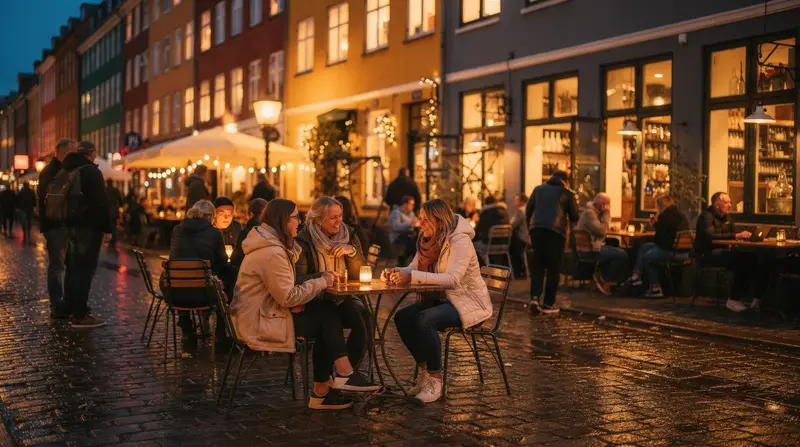
The bar concentration in Kødbyen extends beyond the named venues — smaller bars and terraces occupy spaces throughout the Brown and Grey Meat City that are less formally branded. The external terraces of Flæsketorvet in summer (June–August) become an informal outdoor drinking space when multiple venues extend into the square simultaneously.
Architecture: the buildings worth noting
The Meatpacking District’s buildings are architecturally consistent in their industrial functionalism. Some specific elements worth looking at:
The overhead rail systems (visible in several of the converted spaces): Originally used to move carcasses on hooks through the halls. Several bars and restaurants have kept them as visual elements. Warpigs has preserved the overhead rail across its ceiling.
The cold-storage doors (large sliding metal doors on some buildings): Still functional in some White Meat City areas. Characteristic heavy industrial hardware that the bars have often left intact.
The building facades (low, broad, yellow-red brick with minimal ornament): Consistent across the district. The visual coherence comes from the single building programme — all halls were designed within a 30-year period with shared architectural language.
The Brune Kødby administrative building (near the centre of the district): A slightly more formal building than the surrounding halls, with more elaborate brick detail. Now used by arts organisations.
A note on the smell (or lack of it)
First-time visitors sometimes ask whether any trace of the meatpacking past lingers in the air. It doesn’t — decades of conversion, deep cleaning, and the shift to food-and-drink tenants have left no residual odour. What remains is purely visual and structural: the rail systems, the cold-storage doors, the low industrial ceilings. The name and the history are the point, not any literal sensory holdover.
An evening in Kødbyen: how it typically flows
A standard Copenhagen evening in the Meatpacking District:
17:30–18:00: Arrive in Kødbyen. Walk through to get oriented — the district is compact. If dinner is at Kødbyens Fiskebar (requires reservation) or Mother (no reservation, join the queue early), this is the moment.
18:00–20:30: Dinner. Warpigs, Kødbyens Fiskebar, or Mother depending on preference and budget.
21:00–22:30: Move to a bar — Jolene (ground floor bar, before it pivots to club mode), Paté Paté (wine and small plates), or walk the 10 minutes back towards Vesterbro for Mikkeller Bar.
23:00 onwards: Club or late bar. Jolene’s club space fills from midnight; Bakken depending on what’s programmed. Alternatively, walk to Culture Box (Indre By, 15 minutes) for dedicated electronic music.
02:00–05:00: Night buses or metro home (the metro runs 24 hours on Friday and Saturday).
Total budget for a full evening: 700–1,200 DKK per person including dinner, drinks, and club entry.
If you’d rather structure the whole night as a route rather than one district, see our pub crawl Copenhagen guide for how Kødbyen fits alongside Vesterbro and Indre By stops.
Frequently asked questions about the Meatpacking District (Kødbyen)
Where is the Meatpacking District in Copenhagen?
Kødbyen is in Vesterbro, 10–12 minutes’ walk south-west from Central Station. The main evening cluster is around Flæsketorvet (Pork Square) in the Brown Meat City section.
What was the Meatpacking District before the bars and restaurants?
An active industrial meatpacking complex operating from the early 20th century until the 1990s. The Brown Meat City section converted progressively from artists’ spaces to bars and restaurants from approximately 2005 onward. The White Meat City still contains working food businesses.
What are the best restaurants in Kødbyen?
Kødbyens Fiskebar (seafood, natural wine, 600–900 DKK per person), Warpigs (barbecue and craft beer, 350–500 DKK per person), Mother (Neapolitan pizza, 150–200 DKK per person), Paté Paté (natural wine bar, bistro plates, 300–500 DKK per person).
What are the best bars and clubs in Kødbyen?
Jolene (cocktail bar and club, Friday–Saturday from 22:00, 80–100 DKK cover after midnight). Bakken (live music and DJ events, check weekly schedule). Karriere Bar (gallery and bar combined, varying admission).
What is Flæsketorvet (Pork Square)?
The central square in the Brown Meat City, surrounded by the main bar and restaurant venues. Functions as an outdoor gathering space in summer. The historic name references the square’s industrial use for pork processing.
When does Kødbyen get busy?
Restaurants from 18:00–19:00. Bars from 21:00. Club spaces from midnight. Best visited as a full evening: dinner from 18:00, bars from 21:00, club from midnight.
Is there still any meat industry in Kødbyen?
Yes — the White Meat City section contains functioning food businesses (fish wholesalers, butchers). Mornings from 05:00, the working food industry operates alongside the empty bars from the night before.
Frequently asked questions — The Meatpacking District (Kødbyen) Copenhagen: bars, restaurants, clubs and how it works
Where is the Meatpacking District in Copenhagen?
Kødbyen is in the south of Vesterbro, 10–15 minutes' walk south-west of Central Station. The area is bounded roughly by Ingerslevsgade to the north, Slagtehusgade to the east, Kalvebod Brygge harbour to the south, and Dybbølsgade to the west. Flæsketorvet (Pork Square) is the central square and the address for most of the main evening venues. By bike from the city centre: 5–8 minutes. By foot from Central Station: 10–12 minutes.What was the Meatpacking District before the bars and restaurants?
Kødbyen operated as Copenhagen's active meatpacking district from the early 20th century until the 1990s. The buildings — low-rise brick industrial halls organised around internal squares — were constructed in a distinctive early modernist style that made them architecturally interesting after the meat industry relocated. The White Meat City section (Hvide Kødby) still contains some functioning food industry. The Brown Meat City (Brune Kødby) is the main converted nightlife zone. Remnants of the industrial past — loading bays, cold-storage doors, overhead rail systems — are visible throughout.What are the best restaurants in Kødbyen?
Kødbyens Fiskebar (Flæsketorvet 100) is the most celebrated — a seafood restaurant focused on Nordic and North Atlantic species, with one of Copenhagen's best natural wine lists. Warpigs (Flæsketorvet 25) does American barbecue and house-brewed craft beer exceptionally well. Mother (Høkerboderne 9) is a Neapolitan-style pizza restaurant that predated the nightlife development and remains one of the most-recommended affordable restaurants in the area. Paté Paté (Slagterboderne 1) is a natural wine bar and restaurant in a former pâté factory.What are the best bars and clubs in Kødbyen?
Jolene (Flæsketorvet 57): A cocktail bar and club running DJ sets on weekends — the main Meatpacking District club destination. Warpigs (Flæsketorvet 25): Beer-focused bar and restaurant, best for evenings from 18:00 rather than late-night club. Bakken (Flæsketorvet 19–21): A live music bar with eclectic programming. Karriere Bar: An art gallery combined with a bar — rotating exhibitions, DJ events.What is Flæsketorvet (Pork Square)?
Flæsketorvet — Pork Square — is the central square in the Brown Meat City section of Kødbyen. It is surrounded by the main bar and restaurant venues and serves as the gathering point for the district's evening activity. The square name references its industrial history as the primary square where pork processing took place. Today it functions as an outdoor bar courtyard in summer, with tables from Warpigs and other venues extending into the square.When does Kødbyen get busy and when is it best to visit?
Restaurants in Kødbyen start filling from 18:00–19:00; arriving for dinner at 17:30–18:00 secures a table without a wait at most venues. The bars begin to fill from 21:00 and the club spaces (Jolene, Bakken) peak from midnight to 03:00. The Meatpacking District is at its best from 18:00 to 02:00 on Friday and Saturday — an evening that starts with dinner at Warpigs or Kødbyens Fiskebar and extends into the Jolene bar/club is the classic format. Weekday evenings are quieter but most restaurants and bars are open.Is there still any meat industry in Kødbyen?
Yes — the White Meat City (Hvide Kødby) section still contains working food businesses including fish wholesalers, butchers, and food distribution operations. These coexist with the bar and restaurant tenants in a form of genuine industrial-creative mix that the neighbourhood actively preserves. Early mornings (05:00–08:00) you can observe the working food industry while the bars from the night before are still dark. This visible coexistence is one of the things that makes Kødbyen architecturally interesting.
Top experiences
Bookable activities with verified prices and instant confirmation on GetYourGuide.