New Nordic on a budget: how to taste the movement without the tasting menu price
Copenhagen: Modern City Food Tour
Can you experience New Nordic cuisine in Copenhagen without spending a fortune?
Yes. The New Nordic philosophy applies at any price point — it is a sourcing and technique philosophy, not a price bracket. A smørrebrød lunch at Aamanns costs 160–240 DKK per open sandwich. Torvehallerne market offers New Nordic produce and prepared food from 50–200 DKK. Bistros like Manfreds serve full meals for 400–650 DKK. Lunch menus at AOC (two Michelin stars) start at 595 DKK — exceptional value for starred cooking.
| Where | Torvehallerne market, Nørreport, and Nørrebro neighbourhood bistros |
| Cost | Around 80–600 DKK per person for genuine New Nordic sourcing |
| Time needed | A half-day covers the market plus a lunch stop; a full day covers the itinerary below |
| Booking | Market and bakeries are walk-in; bistros like Manfreds or Pony need 1–3 weeks’ notice |
| Best time | Weekday mornings before 12:30 at Torvehallerne to avoid the office-lunch crowd |
The Copenhagen modern city food tour covers the city’s food scene — including its New Nordic influences — across several stops for a fraction of a tasting-menu price. A practical alternative to booking a single restaurant.
The misunderstanding about New Nordic prices
Copenhagen has a reputation as an expensive food city, and the reputation is partly earned. A full tasting menu at Geranium costs 2,800 DKK for food alone. Dinner for two at Alchemist with drinks regularly exceeds 12,000 DKK. These are real numbers.
But New Nordic cuisine is a philosophy, not a price bracket. The 2004 manifesto that defined the movement was written about cooking, not about what meals should cost. Its ten principles — seasonal, local, honest about where food comes from, using the best of the Nordic landscape — apply at a smørrebrød lunch counter as much as at a three-Michelin-star tasting menu.
This guide covers the affordable access points: where to eat New Nordic food in Copenhagen for under 600 DKK per person, and often significantly less.
Torvehallerne: the movement’s market
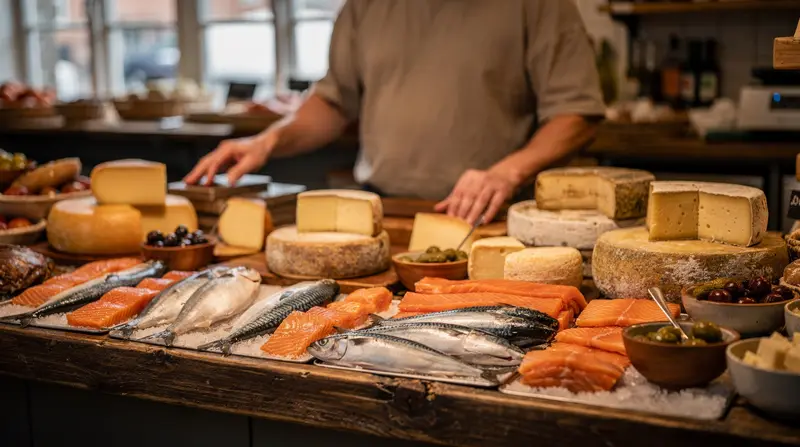
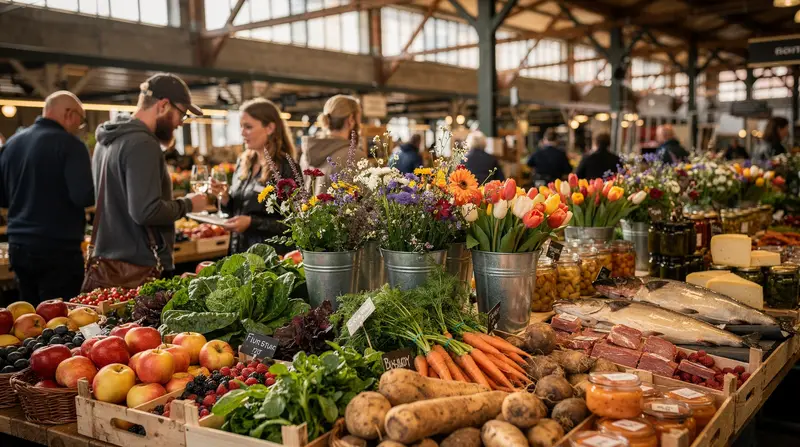
Torvehallerne (Frederiksborggade 21, Nørreport) is the most concentrated single location for New Nordic food at accessible prices. The two glass market halls opened in 2011 — right in the middle of the movement’s peak influence — and their stall selection reflects it.
Around 80 stalls cover fresh produce, smoked and cured fish, artisan dairy, specialty coffee, seasonal soups, prepared smørrebrød, hot dishes and packaged goods. See our full Torvehallerne market guide for a stall-by-stall breakdown. The sourcing standards are visible: signs name Danish farms and fishing boats, seasonal produce rotates weekly, and the stall holders generally know where their products come from.
Practical eating at Torvehallerne:
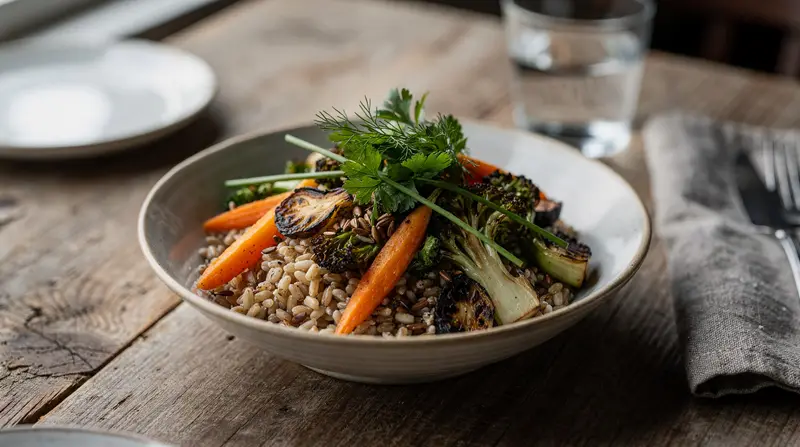
A lunch here — two pieces of smørrebrød from one stall, a portion of smoked salmon from another, a coffee — costs 120–180 DKK. A more composed meal at one of the prepared-food counters (soups, grain bowls, seasonal hot dishes) costs 90–150 DKK. This is not cheap by European market standards, but it is a fraction of a restaurant meal and the quality is high.
Arrive before 12:30 on weekdays to avoid the peak office-lunch crowd, which can make the market genuinely uncomfortable to navigate. Weekday mornings (10:00–12:00) are calm. Saturday morning is busy but pleasant. The market is open every day.
The seafood and fish hall is worth particular attention. Denmark’s cold-water fish — plaice, cod, herring, mackerel — are at their best in the market’s fish stalls, with prices well below restaurant levels. A portion of freshly prepared smoked mackerel with rye bread costs around 75–95 DKK.
Smørrebrød: traditional form, New Nordic content
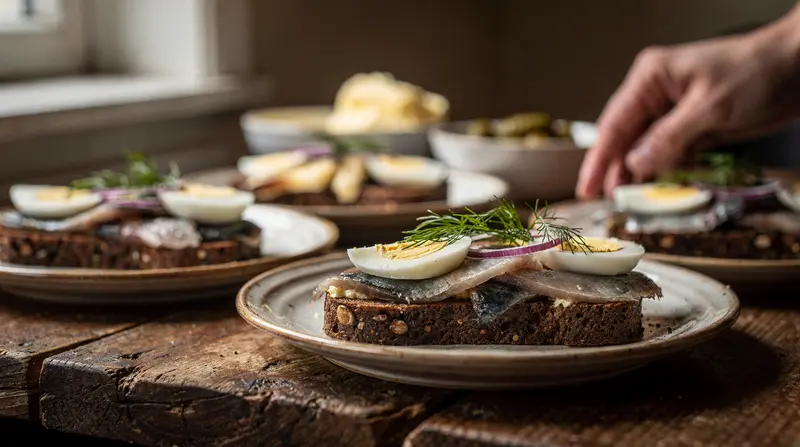
The smørrebrød lunch is Denmark’s distinctive contribution to working food: a dense slice of rugbrød (rye bread) topped with something specific — herring, liver pâté, roast beef, shrimp — eaten with a fork and knife at a table, accompanied by cold beer or snaps.
The New Nordic movement absorbed this format and updated the toppings without changing the form. The best contemporary smørrebrød restaurants use seasonal produce, named suppliers and careful technique while remaining recognisably within the tradition.
Aamanns (Øster Farimagsgade 10, Indre By) is the most consistently cited example. Open sandwiches at 160–240 DKK each; a three-piece lunch with a beer runs 500–700 DKK. The toppings change seasonally — summer might bring shrimp with new-season dill; winter sees cured meats and pickled winter vegetables.
Schønnemann (Hauser Plads 16, Indre By) is the historical reference — open since 1877, essentially unaltered in approach. The menu is more traditional than Aamanns, which some visitors prefer. Open sandwiches at 130–200 DKK. Cash preferred; booking required for lunch sittings.
Café Halvvejen (Kompagnistræde 20, Indre By) is a more casual, less expensive smørrebrød option. Open sandwiches at 95–145 DKK; a full lunch for two with drinks under 500 DKK.
The smørrebrød form is the most culturally specific food experience Copenhagen offers, and it is available at lunch for 400–600 DKK per person at the better addresses — modest by the standards of New Nordic restaurant pricing.
Bistros and neighbourhood restaurants under 600 DKK
Manfreds (Jægersborggade 40, Nørrebro) was opened by Christian Puglisi alongside Relæ as a natural-wine and plant-forward bistro. The approach is the New Nordic philosophy applied to a neighbourhood restaurant format: seasonal menus, named suppliers, honest technique. A full dinner with wine costs 500–750 DKK per person. Booking one to two weeks ahead.
Pony (Vesterbrogade 135, Vesterbro) runs a small-plates format with plates at 85–175 DKK each. A full meal of four to six plates with a glass or two costs 350–550 DKK per person. The menu changes based on what is available and interesting; the room is small. Book two to three weeks ahead.
BRUS (Guldbergsgade 29, Nørrebro — same building as Bæst) is the brewery and restaurant from To Øl, one of Copenhagen’s respected craft beer producers. Food is available alongside the beer — seasonal snacks and small plates, 60–150 DKK each. A meal with several beers costs 300–500 DKK per person. Less formal than any restaurant on this list; walk-in is usually fine.
Café Nørreport and the neighbourhood cafés around Nørrebro and Vesterbro increasingly serve food that reflects New Nordic sourcing without labelling it as such. A lunch of seasonal soup, rye bread and a salad with local dairy at a neighbourhood café costs 90–150 DKK.
Reffen: New Nordic at street food prices
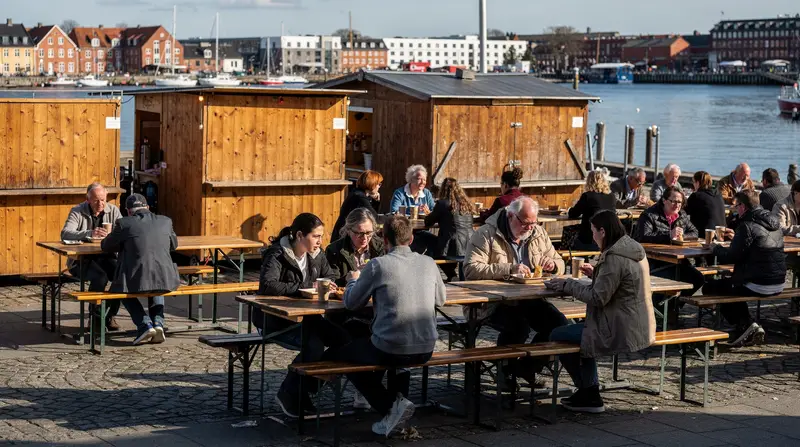
Reffen street food market (Refshalevej 169, Refshaleøen) is open from April to October and represents the most democratic access to the movement’s influence. Around 50 food stands operate in a waterfront setting on the former Burmeister & Wain shipyard site.
The quality varies by stall, but several apply genuine New Nordic principles to street food formats — seasonal produce, Danish suppliers, fermented elements, honest technique. A meal from two or three stands costs 150–300 DKK.
Getting there requires planning: Reffen is not metro-accessible. Bus 9A from the centre, or a 30-minute walk from Nørreport, are the main options. The setting — waterfront, industrial-repurposed, with Alchemist visible at the other end of the site — is worth the effort.
Amass, the garden-kitchen restaurant on the same waterfront strip, is entirely separate from Reffen. They share a location but not a pricing model.
Lunch menus at starred restaurants: the best-value option
The starred restaurants are more affordable at lunch than the dinner price suggests.
AOC (Dronningens Tværgade 2, two Michelin stars) offers a lunch menu starting at 595 DKK (around 80 euros) — the single best-value access to high-level New Nordic cooking in Copenhagen. The room is remarkable. Booking two to three weeks ahead for lunch.
Höst (Nørre Farimagsgade 41) runs a shorter lunch format at around 395–495 DKK for two courses, with the option to add extra courses. This is significantly cheaper than the evening tasting menu and uses the same kitchen.
Marchal (Hotel d’Angleterre, Kongens Nytorv) — Michelin-starred lunch in the most formal room in Copenhagen, from 695–895 DKK. Not cheap, but well below dinner pricing. See the Copenhagen Michelin guide for the full starred landscape and how lunch pricing compares across the list.
Comparing the budget access points:
| Access point | Typical cost | Booking needed | Best for |
|---|---|---|---|
| Torvehallerne market | 80–200 DKK | No, walk-in | Fast, flexible, browse-and-eat |
| Smørrebrød lunch (Aamanns/Schønnemann) | 400–700 DKK for two pieces | Recommended | Traditional format, done well |
| Neighbourhood bistro (Manfreds/Pony) | 350–750 DKK | 1–3 weeks ahead | Full seated dinner, wine pairing |
| Reffen street food | 150–300 DKK | No, walk-in | Casual, waterfront, April–October only |
| Starred lunch (AOC/Höst) | 395–895 DKK | 2–3 weeks ahead | High-level cooking at lunch pricing |
New Nordic bakeries and coffee: the 30-90 DKK experience
The movement’s influence on Copenhagen’s bakeries is real and practically accessible. The city’s best bakeries are not serving industrial pastries — they are using locally milled flour, seasonal fruit and considered technique.
Hart Bageri (Gammel Kongevej 109, Frederiksberg, or Rigensgade 14, Indre By) is run by Richard Hart, a baker who worked at noma before opening his own bakeries. The sourdough and pastry are exceptional; a laminated pastry with seasonal fruit costs 50–75 DKK.
Mirabelle (Guldbergsgade 29, Nørrebro) runs a bakery and café with seasonal pastries, bread and lunch options. Coffee and pastry: 65–100 DKK.
Juno the Bakery (Århusgade 48, Østerbro) has a strong reputation for cardamom rolls and seasonal Danish pastries. Coffee and a pastry: 60–90 DKK.
These are not fast food. The ingredients are considered, the technique is careful, and the prices reflect this without being absurd. A morning at one of these bakeries — coffee, a pastry, a piece of bread — is a genuine New Nordic experience for under 100 DKK.
Building a New Nordic day for under 400 DKK
Here is a realistic budget itinerary for experiencing New Nordic food in Copenhagen for a full day without spending a tasting-menu budget:
Morning: Breakfast at Hart Bageri or Juno the Bakery — coffee and a seasonal pastry. Cost: 60–90 DKK.
Midmorning: Browse Torvehallerne for a sense of what seasonal produce looks like in the market. Buy some packaged goods (sea buckthorn jam, birch syrup) if you want to take something home. No purchase necessary.
Lunch: Two pieces of smørrebrød at Café Halvvejen or a composed bowl at Torvehallerne’s prepared-food stalls. Cost: 100–180 DKK.
Afternoon: Walk to the Nørrebro neighbourhood. Browse the food stalls around Nørrebrogade market (Saturday only). Stop at Manfreds for a glass of natural wine and a snack — possible at the bar without booking. Cost: 80–150 DKK.
Evening: Dinner at Pony (if booked in advance) or a meal at BRUS with several beers from To Øl’s tap list. Cost: 300–500 DKK.
Total day: 540–920 DKK per person — a genuine immersion in New Nordic food culture at a fraction of a tasting-menu price.
A New Nordic food tour with tastings covers similar ground in a structured way with a knowledgeable guide explaining the context and sourcing behind each stop.
Frequently asked questions about New Nordic on a budget
What is the cheapest way to experience New Nordic food in Copenhagen?
Torvehallerne market (Nørreport) has multiple stalls selling New Nordic-influenced prepared food: smørrebrød, seasonal soups, smoked fish and artisan dairy. A full meal costs 80–200 DKK. A morning at Hart Bageri or Juno with coffee and a seasonal pastry costs 60–90 DKK.
Are there affordable New Nordic lunch menus?
Yes. AOC (two Michelin stars) offers lunch from 595 DKK. Höst runs a shorter lunch format at 395–495 DKK. Smørrebrød at Aamanns or Café Halvvejen costs 130–240 DKK per open sandwich, with a full lunch for two running 400–700 DKK.
What is smørrebrød and is it New Nordic?
Smørrebrød is Denmark’s traditional open-faced rye bread sandwich — a pre-existing form that New Nordic has absorbed and elevated. The best contemporary smørrebrød restaurants use the traditional format with seasonal, locally sourced toppings and more considered technique.
Is Torvehallerne market worth visiting for food?
Yes. The glass market halls at Nørreport station have around 80 stalls selling fresh produce, smoked fish, artisan cheese and prepared food at 80–200 DKK for a full lunch. Open every day; arrive before 12:30 to avoid peak crowds.
Can I eat New Nordic street food?
Yes, at Reffen street food market on Refshaleøen (open April to October). A full meal from two or three stands costs 150–300 DKK. Not metro-accessible; requires a bus or a long walk from the centre.
What New Nordic food can I buy to take home?
Torvehallerne sells packaged New Nordic pantry items — sea buckthorn jam, birch syrup, elderflower vinegar, fermented grain crackers — at 50–150 DKK each. These are useful and non-gimmicky souvenirs.
Are there New Nordic food tours that cover the affordable side of the movement?
Yes. An affordable Copenhagen food tour covers markets, artisan producers and mid-range restaurants at around 600–900 DKK per person — considerably less than a single tasting menu and covering more of the city’s culinary range.
Frequently asked questions — New Nordic on a budget: how to taste the movement without the tasting menu price
What is the cheapest way to experience New Nordic food in Copenhagen?
Torvehallerne market (Nørreport) has multiple stalls selling New Nordic-influenced prepared food: smørrebrød, seasonal soups, charcuterie, smoked fish and artisan dairy. A full meal costs 80–200 DKK depending on what you choose. It is the most concentrated access to the movement's sourcing principles at low prices.Are there affordable New Nordic lunch menus?
Yes, several. AOC (two Michelin stars) offers lunch from 595 DKK. Höst runs a shorter lunch format at around 395–495 DKK. Schønnemann (historical smørrebrød, Hauser Plads 16) and Aamanns (Øster Farimagsgade 10) both offer lunch open sandwiches at 160–240 DKK per piece, with a three-piece menu running 450–550 DKK total.What is smørrebrød and is it New Nordic?
Smørrebrød is Denmark's traditional open-faced rye bread sandwich — a pre-existing form that New Nordic has absorbed and elevated. Traditional versions use pickled herring, liver pâté or cold cuts on dense rye. New Nordic smørrebrød uses the same format but with seasonal, locally sourced toppings and more considered technique. At the best lunch restaurants the two traditions are difficult to separate.Is Torvehallerne market worth visiting for food?
Yes. Torvehallerne (glass market halls at Nørreport station, open every day) is the most concentrated representation of New Nordic produce and prepared food at accessible prices. It has around 80 stalls selling fresh produce, smoked fish, artisan cheese, specialty coffee, seasonal soups and prepared smørrebrød. Budget 100–200 DKK for a lunch here. Arrive before 12:30 on weekdays to avoid peak crowds.Can I eat New Nordic street food?
Yes, at Reffen street food market on Refshaleøen (open April to October). Several of Reffen's stands apply New Nordic sourcing principles — seasonal produce, Danish suppliers, fermented and preserved elements. A full meal from two or three stalls costs 150–300 DKK. The setting — on the waterfront of a former industrial site — adds to the experience. Getting there requires a bus or a long walk; it is not metro-accessible.What New Nordic food can I cook or buy to take home?
Torvehallerne sells the ingredients: Danish rye bread from local bakeries, smoked and cured fish, artisan dairy, seasonal produce, fermented condiments and specialty honey. Several shops in the market sell packaged New Nordic pantry items — sea buckthorn jam, birch syrup, elderflower vinegar, fermented grain crackers — that are genuinely useful souvenirs and are not expensive.Are there New Nordic food tours that cover the affordable side of the movement?
Yes. Several guided food tours cover Copenhagen's food markets, artisan producers and mid-range restaurants at a cost of 600–900 DKK per person — considerably less than a single tasting menu and covering more of the city's culinary range.
Top experiences
Bookable activities with verified prices and instant confirmation on GetYourGuide.