Copenhagen 5-Day Itinerary: The Complete Stay with Two Day Trips
Copenhagen: Castles of North Zealand Day Tour
Duration: 5 hours
| Where | Copenhagen city + Helsingør + Roskilde + Malmö (Sweden) |
| Cost | Around 7,650 DKK per couple, excl. accommodation |
| Time needed | Five full days |
| Getting there | DSB regional trains; Öresundståg for Malmö |
| Best time | May or September for weather, crowds, and full venue hours |
Overview
Five days is the right length for a complete Copenhagen experience. It gives you two full days in the city, a North Zealand castle day (Kronborg and optionally Frederiksborg), a Roskilde Viking day, and a Malmö cross-border excursion — without compressing any of them into an unsatisfying half-day.
This itinerary follows a logical geographical pattern: Days 1–2 cover the city core, Day 3 goes north to North Zealand, Day 4 goes southwest to Roskilde, and Day 5 goes east to Malmö, Sweden. Each day is structurally independent — you can rearrange the day trips based on weather or train schedules.
Copenhagen Card: the 120-hour (5-day) Copenhagen Card costs approximately 1,059 DKK per adult and covers unlimited metro/bus, regional trains to Helsingør and Roskilde, and entries to most major attractions. For a 5-day visit, the maths strongly favours the card unless you are actively budget-travelling. Calculate against your specific plan.
Day 1 — Nyhavn, the canal, Rosenborg, and Indre By
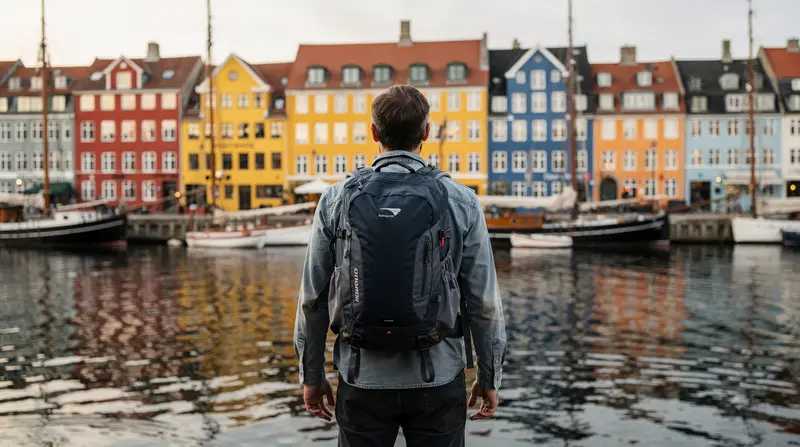
08:00 — Nyhavn before the crowds
Arrive at Nyhavn by 08:00. The coloured 17th-century townhouses photograph cleanly before tour groups arrive at 09:30. Have coffee from a bakery counter (40–55 DKK) rather than a canalside restaurant.
Walk south from Nyhavn to Kongens Nytorv (5 minutes). The square contains the Royal Theatre, the Charlottenborg arts museum, and the Metro M1/M2 Kongens Nytorv station.
09:30 — Canal cruise from Gammel Strand
Walk west through Strøget to Gammel Strand (12 minutes). Guided one-hour canal cruise: 110–140 DKK. Covers Christianshavn, the Opera House, Amalienborg from the water, and the harbour front. On Day 1, this orients you spatially before walking.
11:00 — Rosenborg Castle and Crown Jewels
Walk or metro to Rosenborg. Entry: 150 DKK. The Crown Jewels treasury in the basement is the centrepiece — Denmark’s royal regalia used until 1840, genuinely impressive. Budget 90 minutes including the King’s Garden.
13:00 — Torvehallerne lunch
Five-minute walk from Rosenborg. Smørrebrød: 85–110 DKK. Allow 45 minutes.
14:30 — Rundetårn and Indre By afternoon
Rundetårn: 40 DKK, 30–45 minutes. Then the side streets of Indre By — Grønnegade, Læderstræde, Studiestræde — for design shops, ceramics, and coffee (40–55 DKK).
18:30 — Dinner
Mid-range Indre By restaurant: 175–250 DKK per main. Book ahead for Friday or Saturday.
Day 2 — Christianshavn, Christiania, Vesterbro, Nørrebro
08:30 — Christianshavn morning
Metro M1 to Christianshavn. Canal-side breakfast at a local café (50–80 DKK). Church of Our Saviour spiral staircase: 75 DKK (seasonal, check hours). Overgaden oven Vandet along the canal is pleasant to walk before 10:00.
10:00 — Christiania
Entry to the open areas is free. A guided tour (250–350 DKK, 2 hours) adds context that is otherwise absent. The community covers 34 hectares; the rampart area and community-built houses are the architecturally interesting parts. Do not photograph Pusher Street.
12:30 — Reffen street food (seasonal)
Walk or cycle 15 minutes north to Reffen on Refshaleøen. Open Thursday–Sunday, May to October, 11:00–21:00. Approximately 50 stalls, fair prices (80–130 DKK), waterfront setting. On weekdays or out of season, lunch in Christianshavn or Nyhavn.
14:00 — Nørrebro by metro
Take the metro back to Nørreport (M1 or M2) and walk north into Nørrebro. This is the city’s most mixed and demographically varied neighbourhood — Turkish bakeries, natural wine bars, vintage shops, and the Assistens Cemetery (free; Kierkegaard and H.C. Andersen are buried here).
Coffee at a Nørrebro café: 40–55 DKK. Elmegade and Ravnsborggade have the best antique and secondhand shops. Superkilen park (free) is a 750-metre linear park with design elements sourced from 50 countries — odd, politically charged, and unlike anything else in the city.
16:00 — Vesterbro
Metro or walk to Vesterbro. The Meatpacking District (Kødbyen) has galleries with free daytime entry in the former slaughterhouse buildings. The Carlsberg Experience (145 DKK) is 15 minutes west on foot or by the Cityringen metro (M3) to Enghave Plads.
19:30 — Tivoli Gardens
Book tickets online: 170 DKK adults. Evening is the right format — lights on, atmosphere distinct from the daytime. Free pantomime theatre shows; live music in the concert hall (separate ticket). Close 23:00 on summer weekends.
Day 3 — North Zealand: Kronborg Castle and Helsingør
08:00 — Train to Helsingør
From Copenhagen Central or Nørreport station. Journey: 45–50 minutes. Trains every 20 minutes. Fare without Copenhagen Card: approximately 100 DKK per adult one-way. With Copenhagen Card: covered.
The train follows the Øresund coast northward through affluent suburbs — Klampenborg, Rungsted, Humlebæk — before arriving at Helsingør.
09:00 — Kronborg Castle
Ten-minute walk from Helsingør station along the waterfront. Entry: 110 DKK (covered by Copenhagen Card). Opening: 10:00–17:00, shorter in winter.
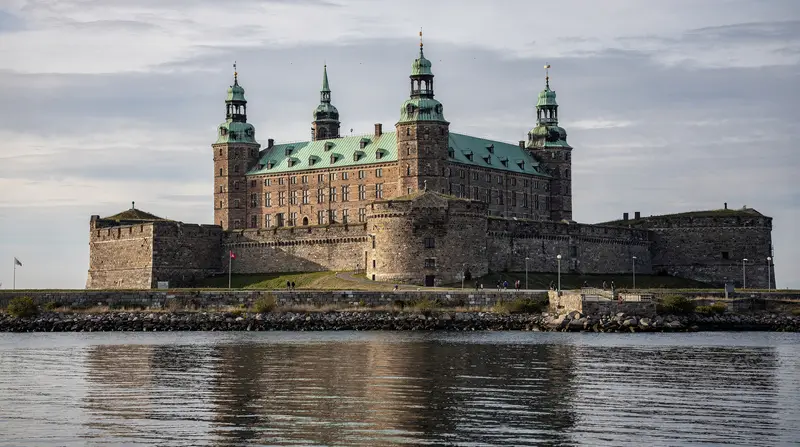
Kronborg is a UNESCO World Heritage Site built in 1420 as a toll fortress controlling the Øresund Strait. Shakespeare used it as the setting for Hamlet, though the play’s geography is invented. The Great Hall (60 metres long, one of the largest in northern Europe), the original Flemish tapestries (15 of 40 survive), and the dark casemates underground (where the statue of sleeping Viking hero Holger Danske waits to defend Denmark) are the highlights.
Budget 2–2.5 hours. The exterior ramparts are walkable and give views to Sweden — Helsingborg is visibly 4 km across the water.
11:30 — Helsingør town
The town around the cathedral and the old merchant streets (Stengade) has a genuine small-city character quite different from Copenhagen. Saint Olaf’s Cathedral (free entry) is 15th century and the best-preserved Gothic church in Denmark. The harbour area east of the station has views of the ferry crossing to Sweden.
Lunch near Axeltorvet: smørrebrød lunch with a local beer for 150–200 DKK.
13:30 — Optional: Frederiksborg Castle at Hillerød
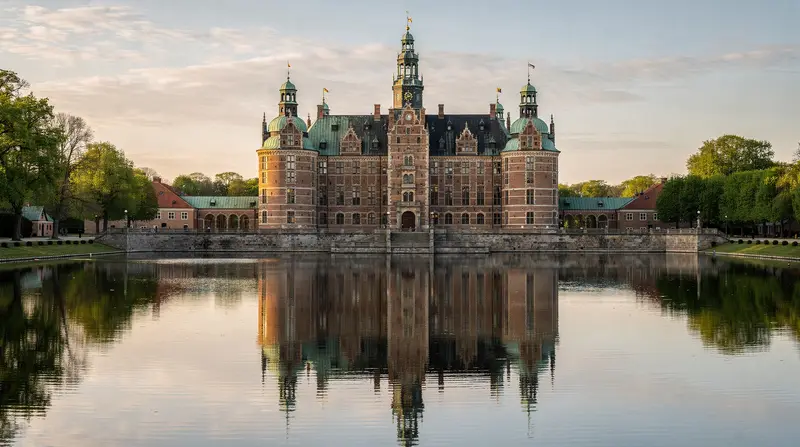
If you want to extend the day: take a local train from Helsingør to Hillerød (30 minutes). Frederiksborg Castle is a red-brick Dutch Renaissance palace on three islands in a lake — architecturally one of the most dramatic buildings in Scandinavia. Entry: 120 DKK (covered by Copenhagen Card).
Budget 1.5 hours at Frederiksborg. Return to Copenhagen from Hillerød (1 hour by train).
If skipping Frederiksborg: return to Copenhagen from Helsingør by 15:00 and have a quieter late afternoon. The additional castle is genuinely worth including if you have the energy.
17:00 — Return to Copenhagen
Arrive back by 18:00–18:30. A quiet dinner near your accommodation after a castle-heavy day.
Day 4 — Roskilde: Vikings, cathedral, fjord
08:30 — Train to Roskilde
From Copenhagen Central. Journey: 25–30 minutes. Trains every 20 minutes on the main Jutland line. Fare without Copenhagen Card: approximately 65 DKK one-way. With card: covered.
Roskilde was Denmark’s capital before Copenhagen. The cathedral and Viking ships are here for the same reason: this was the centre of power.
09:15 — Roskilde Cathedral
Ten-minute walk uphill from the station. Entry: 80 DKK (check if covered by Copenhagen Card — it varies). Opening: Monday–Saturday 09:00–17:00, Sunday 12:30–17:00.
The cathedral is the burial place of 39 Danish monarchs across 1,000 years. The architecture accumulates styles from Romanesque foundations through Gothic vaulting to Renaissance chapels — each century added something. Budget 60–90 minutes.
11:00 — Viking Ship Museum
Walk downhill from the cathedral to the harbour (10 minutes). Entry: 175 DKK adults.
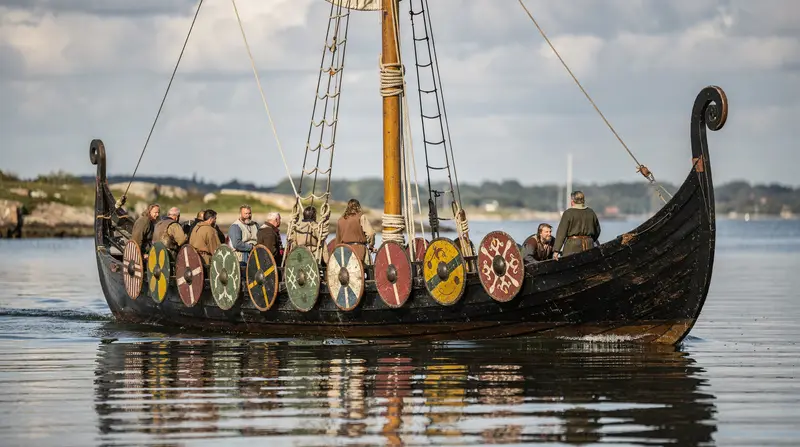
Five original Viking ships, deliberately sunk in the fjord in the 11th century and excavated in 1962, are the core exhibit. The preservation work is visible — the ships are displayed in the preserved state, conserved but not reconstructed. The boatyard outside builds functional replicas and runs harbour trips (May–October, approximately 80–100 DKK, 45 minutes).
The replica boat trip is the day’s optional highlight — a 45-minute sail-and-row experience on a working replica that reframes what the ships were actually for. Book at the museum on the day.
Budget 2.5–3 hours for the museum and a boat trip.
13:30 — Lunch and Roskilde fjord
Lunch options near the harbour: 120–170 DKK. The fjord extends 40 km south — the waterfront setting is quiet and scenic. The museum café overlooks the water. Eat slowly; this is the least rushed stop of the itinerary.
15:30 — Roskilde town walk
The market square (Stændertorvet) and the surrounding streets are low-key and pleasant. The Musicon cultural centre (music museum, free) is near the station. The annual Roskilde Festival occupies a large field 3 km from the centre in late June/early July — if visiting during the festival, the town is transformed and accommodation must be booked far in advance.
17:00 — Train back to Copenhagen
25-minute return. Arrive in time for dinner.
18:30 — Evening: New Nordic dinner option
By Day 4, you have covered the major sights. This is the right night for a more considered dinner — New Nordic cuisine at a serious but not impossible restaurant. Mid-range New Nordic in Copenhagen: 500–900 DKK per person with wine. Smørrebrød restaurants in Indre By do a more accessible version at 200–350 DKK.
Day 5 — Malmö, Sweden
08:30 — Train to Malmö
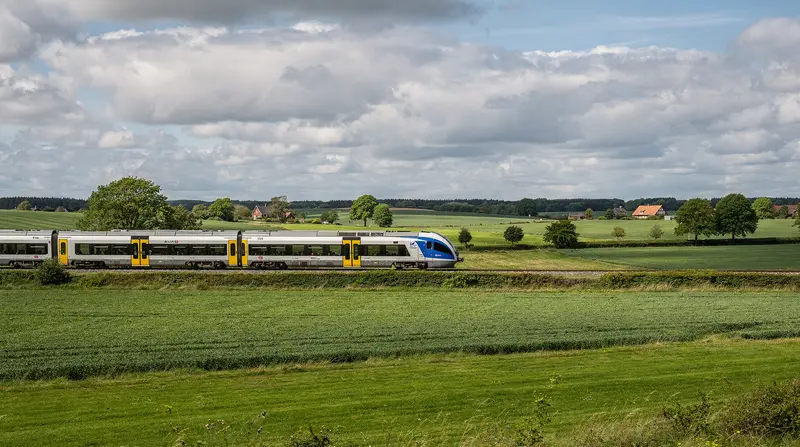
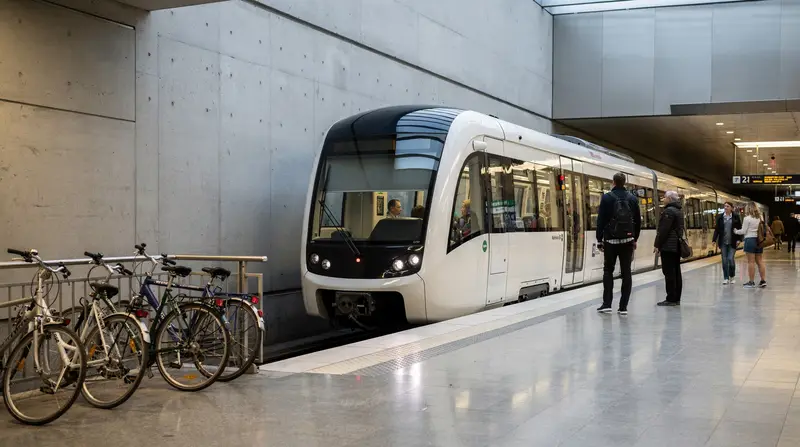
From Copenhagen Central Station. Öresundståg regional train. Journey: 35–40 minutes across the Øresund Bridge. Trains every 20 minutes. Fare: approximately 100–130 DKK per adult one-way (not covered by Copenhagen Card — this is a separate Swedish rail fare).
Bring Swedish kronor (SEK) — DKK are not accepted in Sweden. ATMs at Malmö Central Station. Current rate: approximately 1 DKK = 1.5 SEK. Card payment is near-universal.
The train crosses the Øresund Bridge — 7.8 km above the water followed by a tunnel under the channel. The bridge section gives clear views on a clear day.
09:30 — Malmö Gamla Stan
Ten-minute walk from Malmö Central. The old town is compact and quiet in the morning. Stortorget (Main Square) has the 16th-century Rådhuset (City Hall). Lilla Torg (Little Square) adjacent is more intimate — cobblestones, half-timbered buildings, the Form/Design Center (free entry, Swedish design exhibitions).
Coffee: flat white approximately 45–65 SEK at a Malmö café.
11:00 — Malmöhus Castle
Short walk west from the old town. Entry: 110 SEK (~100 DKK). The castle dates to 1436 (demolished and rebuilt 1530s) and is the oldest surviving Renaissance castle in Scandinavia. Museum inside covers city history, natural history, and art. Budget 1.5 hours.
The moat, castle grounds, and park area around Malmöhus are free and pleasant to walk.
12:30 — Möllevångstorget lunch
Take a bus or 20-minute walk south to Möllan square. The area has Malmö’s most visible Middle Eastern and North African community, with the city’s best falafel (60–80 SEK), börek (30–50 SEK), and spice markets. Lunch budget: 80–120 SEK. This is the most culinarily interesting part of the day.
14:00 — Western Harbour and Turning Torso
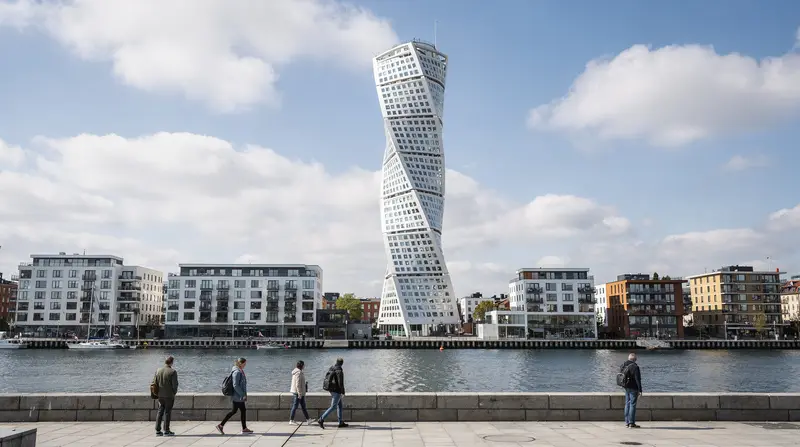
Bus or 20-minute walk north to Västra Hamnen (Western Harbour). The Turning Torso tower (190 metres, Santiago Calatrava, 2005) is a residential building — not open to visitors — but the waterfront promenade below it has views back toward Copenhagen and the Øresund Bridge.
The Bo01 eco-housing development (built for the 2001 European Housing Expo) is in the same area. Walk around it — the architecture is more interesting than it sounds.
15:30 — Optional: Lund (30 minutes from Malmö)
If you have energy for a second Swedish city: Lund is 10 minutes by regional train from Malmö Central (13 SEK). The university city has a 12th-century Romanesque cathedral (Lund Cathedral) with a free-entry astronomical clock running at 12:00 and 15:00 daily. The main square and the university buildings are worth an hour. Return to Malmö in time for the train back to Copenhagen.
17:30 — Train back to Copenhagen
Last comfortable trains from Malmö Central: runs until approximately 23:00 so there is flexibility. Budget 35–40 minutes.
19:00 — Final evening in Copenhagen
The fifth evening should be relaxed. Dinner at a restaurant you did not manage earlier in the stay. Copenhagen Meatpacking District bars, Nørrebro natural wine, or Vesterbro craft beer (Mikkeller Bar on Viktoriagade is a starting point: 75–100 DKK per beer).
Day trip logistics at a glance
| Day trip | Train time | Fare (one-way) | Card covered? | Key entry |
|---|---|---|---|---|
| Helsingør (Kronborg) | 45–50 min from CPH Central | ~100 DKK | Yes | 110 DKK |
| Roskilde (Vikings) | 25–30 min from CPH Central | ~65 DKK | Yes | 175 DKK |
| Malmö (Sweden) | 35–40 min from CPH Central | ~125 DKK | No | 110 SEK |
Budget summary (5 days)
| Item | Approx. DKK per adult |
|---|---|
| Copenhagen Card 120h | 1,059 |
| Viking Ship Museum (not always card-covered) | 175 |
| Viking boat trip | 90 |
| Reffen/meals inside museums | 100 |
| Malmö train return (2 trips) | 500 |
| Malmöhus entry | 100 |
| Christiania guided tour | 300 |
| Food ×5 days (meals + coffee) | 1,500 |
| Total per adult | ~3,824 DKK (~510 €) |
Per couple for 5 days: approximately 7,650 DKK (~1,020 €), excluding accommodation and flights. Mid-range accommodation in Copenhagen: 800–1,500 DKK per night for a double room in a reasonable hotel.
If five days is more than you need
Five days is genuinely the deep version of this trip, and it is fine to trim it. Cutting Malmö and keeping the two Danish day trips brings you to the 4-day itinerary structure, which is the better fit if you have already visited Sweden or prefer to keep the trip entirely within Denmark. If instead you would rather cut a day trip and add more unhurried city time, best Copenhagen neighbourhoods has suggestions for which areas reward a slower half-day over a rushed excursion — Nørrebro and Vesterbro both hold up well to that treatment.
For travellers who want a sixth or seventh day rather than trimming, Møns Klint and Stevns Klint are the two coastal day trips this itinerary does not cover — both are chalk-cliff UNESCO sites south of Copenhagen and pair naturally with the Roskilde direction. Cyclists should also consider the best bike tours in Copenhagen guide as a way to turn one of the “final evening” slots into something more active than another restaurant.
Frequently asked questions about 5 days in Copenhagen
What is the best order for the day trips?
Put Roskilde earlier in the trip — it is the easier logistics and the Viking ships work well as an immersive mid-trip experience. Kronborg in North Zealand is best in good weather because the ramparts and sea views matter; check the forecast and move it to a sunny day if possible. Malmö works well as Day 5 because you end the trip having crossed to another country.
Is 5 days too long for Copenhagen?
Not for a first-time visitor who wants to go beyond the canal-and-castle surface. Five days is enough to experience three different neighbourhoods in depth (Indre By, Christianshavn, Vesterbro/Nørrebro), two major day trips, and one cross-border excursion without rushing any of them. Repeat visitors and those focused purely on the city might find four days more precise.
Can I do all three day trips and still see the city properly?
With five days, yes — if you dedicate Days 1 and 2 fully to the city before starting the day trips. Trying to do a day trip on Day 1 or 2 creates a fragmented experience. The structure in this itinerary (city first, day trips second) is deliberate.
How far is Malmö from Copenhagen in practice?
Door to door — city centre to city centre — it is about 45–50 minutes including getting to and from the station. The train itself is 35 minutes. The connection is seamless: trains leave from Copenhagen Central every 20 minutes and arrive at Malmö Central, both central stations. It feels shorter than most urban metro journeys to the suburbs.
Does the Copenhagen Card cover the Malmö train?
No. The Copenhagen Card covers the Danish regional rail network (DSB) but the Malmö train is a Swedish regional fare (Skånetrafiken or SJ). Buy a separate ticket at Copenhagen Central or online. The card does cover the train to Helsingør and Roskilde.
What is the best season for a 5-day visit?
May and September for the balance of good weather, reasonable crowds, and full venue hours. June–August is peak season with the longest days (sunset at 22:00 in midsummer) but higher prices and more tourists. December offers a specific experience (Christmas Tivoli, which runs from late November) and lower hotel prices, but some outdoor venues close and day-trip castles have reduced hours. April can be cold but spring tulips in the King’s Garden are worth it.
Where should I stay for a 5-day visit?
Indre By or Vesterbro for the most convenient base. Indre By is central and walkable to most city sights. Vesterbro is 5 minutes from Tivoli and Central Station (useful on day-trip mornings). Nørrebro is interesting to stay in for a longer visit as you naturally experience the neighbourhood. Avoid accommodation in the airport area for a city-focused stay — the metro connection is fast but you lose the walkable texture of being in the city.
Top experiences
Bookable activities with verified prices and instant confirmation on GetYourGuide.