Copenhagen + Malmö 3-Day Combo: Two Countries, One Trip
Copenhagen: Tour Across the Øresund Bridge to Lund and Malmö
Duration: Full day
| Where | Copenhagen (Day 1) + Malmö, Sweden (Day 2) + Lund or Copenhagen (Day 3) |
| Cost | Around 500–700 DKK per person for the Malmö day alone |
| Time needed | Three full days |
| Getting there | Øresundståg train, Copenhagen Central to Malmö Central, 35–45 min |
| Best time | Any season — trains run year-round; carry photo ID always |
Two countries in three days: what this combo actually involves
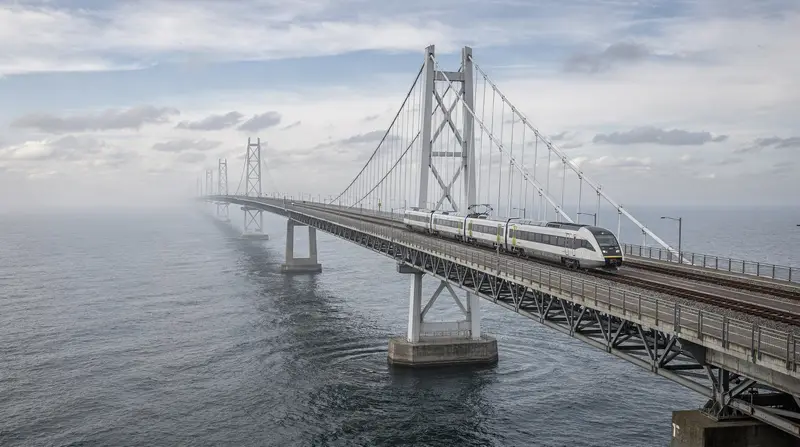
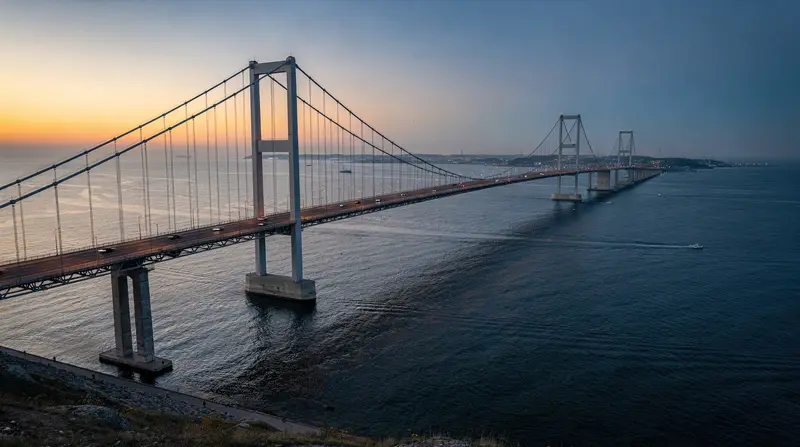
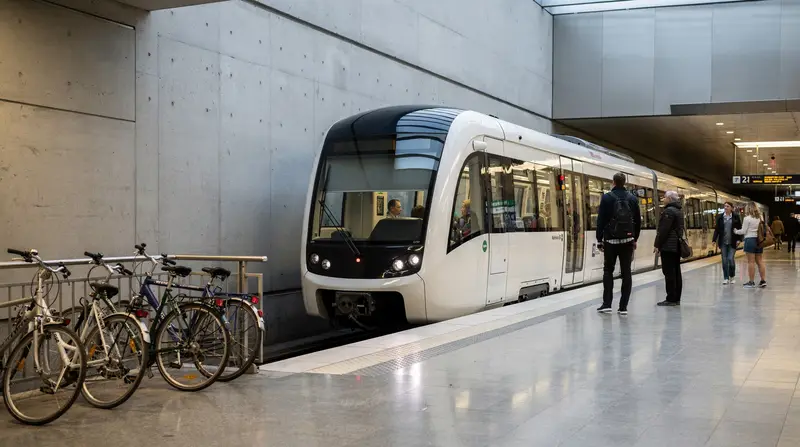
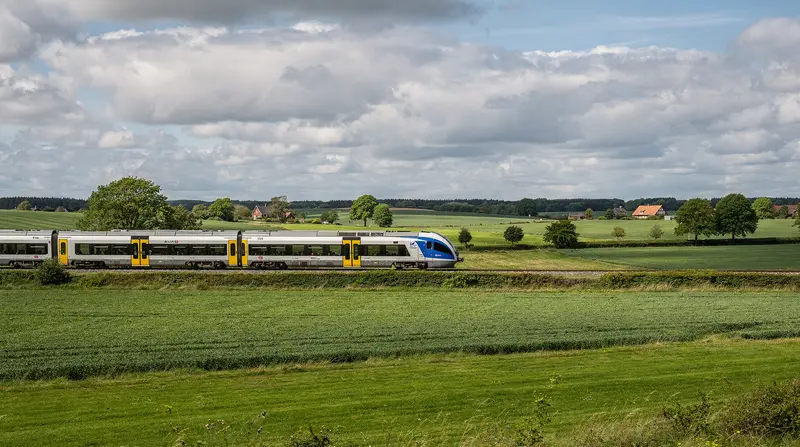
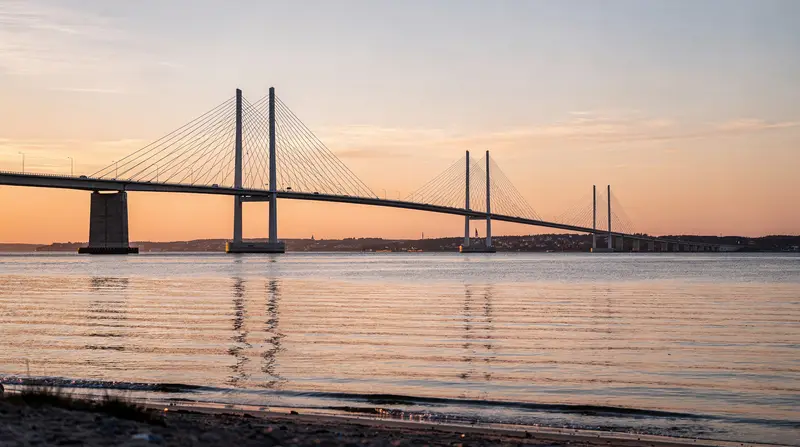
Copenhagen and Malmö are 16 km apart across the Øresund strait — linked by the 8-km Øresund Bridge, one of the longest combined road-rail bridges in Europe. The Øresundståg regional train runs continuously; journey time from Copenhagen Central (København H) to Malmö Central is 35–45 minutes. Many Swedes commute daily in the other direction.
For visitors, this proximity makes a two-country itinerary genuinely manageable on a 3-day trip without any logistical complexity. You do not cross a border in any ceremonial sense; you board a train, cross water, and arrive somewhere that looks and feels noticeably different from Copenhagen — younger city, more multicultural, different architectural character, and different currency.
Currency note: Sweden uses Swedish Kronor (SEK). Denmark uses Danish Kronor (DKK). As of mid-2026, 1 DKK is approximately 1.5–1.6 SEK. Neither country uses the euro. Card payments are accepted nearly everywhere in both cities — you rarely need cash in SEK, but an ATM at Malmö Central station is available if you want some.
Border ID check: Sweden reintroduced controls at the Swedish border in 2015. Checks happen on the train or at Malmö station — not every crossing, but regularly enough that you should always carry valid photo ID. Non-EU visitors must have their passport. EU citizens can use a national ID card.
Day 1: Copenhagen — the essential hits
09:00 — Nyhavn and the old harbour
Start at Nyhavn at 09:00 before the tour groups arrive. The row of coloured townhouses along the narrow canal is the iconic Copenhagen image — and genuinely attractive in morning light. Hans Christian Andersen lived in three different buildings here (nos. 20, 67, and 18). Walk both sides of the quay; the south side (lower numbers) is historically the sailors’ quarter, the north side the more upscale address.
By 10:00 the guided boat tours begin departing. Join one.
10:00 — Canal cruise from Gammel Strand
A one-hour guided canal cruise from Gammel Strand (5 minutes’ walk from Nyhavn) covers Christianshavn’s canals, the Opera House, the Royal Library (Black Diamond), and the harbour. This is the most efficient first-hour use of your time in Copenhagen — more context per minute than any walking tour. Tickets: approximately 120–150 DKK.
Book the guided canal cruise from Gammel Strand11:30 — Christianshavn
After the cruise, walk into Christianshavn — the 17th-century canal neighbourhood on the other bank. The canals here were dug by Dutch engineers at the order of Christian IV. The houseboats moored along the waterways, the Baroque Church of Our Saviour with its external spiral staircase (to the tower top: 50 DKK, outstanding view), and the general quietness of the neighbourhood make this the most atmospheric part of Copenhagen for an unhurried morning walk.
Christiania (Freetown Christiania) occupies the southern end of Christianshavn — the alternative self-governing community on former military land. Walking through the main part is free and open; the cannabis market on Pusher Street is visible but photography is prohibited there. A guided walking tour provides context.
Guided tour of Christianshavn and Christiania13:30 — Lunch at Torvehallerne
Take the metro to Nørreport (one stop on the M3 from Gammel Strand). Torvehallerne is two glass market halls with 60+ food stalls. A proper lunch — smørrebrød, fish roll, or a warm dish — costs 85–140 DKK. More interesting and cheaper than any sit-down restaurant in the tourist centre.
15:00 — Rosenborg Castle and crown jewels
Walk 10 minutes to Rosenborg Castle (Renaissance, 1606, built by Christian IV). The crown jewels in the basement treasury are the practical reason to visit — Danish regalia, a solid gold throne, and remarkable jewels at close range. Entry: 170 DKK adults. The surrounding King’s Garden is free and one of the best green spaces in the city.
17:30 — Vesterbro evening
Walk or metro to Vesterbro, west of the train station. The Meatpacking District (Kødbyen), a converted slaughterhouse complex, is the best evening neighbourhood in Copenhagen — less tourist-facing than Nyhavn, more characterful than Indre By. Craft beer at Warpigs (80–110 DKK/pint) or dinner at any of the restaurants on Flæsketorvet. Budget for dinner: 200–350 DKK per person.
Day 2: Malmö, Sweden (full day)
08:30 — Train from Copenhagen to Malmö
Board the Øresundståg at Copenhagen Central (or Østerport, 3 minutes earlier in the journey). Trains depart every 10–20 minutes throughout the day. Arrive at Malmö Central in 35–45 minutes.
Tickets:
| Route | Price (approx.) |
|---|---|
| Copenhagen Central → Malmö Central (single) | 70–95 DKK / 110–150 SEK |
| Copenhagen Central → Malmö Central (return) | 120–160 DKK / 190–250 SEK |
| Copenhagen Airport → Malmö Central (single) | 55–75 DKK |
Buy tickets at ticket machines in the station, via the DSB app (Denmark) or Skånetrafiken app (Sweden), or pay contactlessly at the gate — not all barriers accept this, so the app or machine is safer. The Copenhagen Card does not cover the Malmö train.
Bring your passport or photo ID — Swedish border checks are real.
09:15 — Arriving at Malmö Central
Malmö Central is a 1923 Art Nouveau building, more architecturally significant than it appears from outside. The Stortorget (main square) is 10 minutes’ walk from the station — the logical starting point.
If you want a guided orientation, a tour that covers both Malmö and Lund is available from Copenhagen — a practical option for visitors who want interpretation without doing the logistics themselves:
Book the Lund and Malmö two-country guided tour from Copenhagen Private Malmö highlights trip by train from CopenhagenFor self-guided visitors, follow this sequence.
09:30 — Gamla Staden (Old Town) and Lilla Torg
Stortorget (Main Square) is dominated by the Rådhuset (Town Hall), the Stortorget equestrian statue of King Karl X Gustav, and the St Peter’s Church (1319, one of the oldest buildings in Malmö). Walk south to Lilla Torg — a smaller cobbled square lined with half-timbered buildings from the 16th and 17th centuries, today surrounded by restaurants and bars. At 09:30 it is quiet; by lunch it fills with people at the outdoor tables.
The Form/Design Center on Lilla Torg is worth 20 minutes — Swedish design, free to enter, exhibitions change seasonally.
10:30 — Malmöhus Castle
Walk 10 minutes west to Malmöhus Castle (Malmöhus Slott), a 15th-century fortress surrounded by a moat and a park. The castle houses the Malmö Museum — natural history, technology, art, and a reconstructed historical interior. Entry: approximately 100 SEK (60 DKK equivalent) for adults. The grounds and moat are free and pleasant to walk.
12:30 — Lunch: Möllevångstorget market area
The most interesting lunch option in Malmö is Möllevångstorget (Möllan), a market square in the Möllevången neighbourhood, 15 minutes’ walk east of Gamla Staden. This is one of Malmö’s most multicultural neighbourhoods — Middle Eastern restaurants, fresh produce markets, cheap falafel and shawarma at 80–100 SEK (50–65 DKK equivalent). More genuine and cheaper than anything near the tourist squares. The Möllan market itself sells fresh fruit, vegetables, and flowers on weekday mornings.
14:00 — Turning Torso and Västra Hamnen
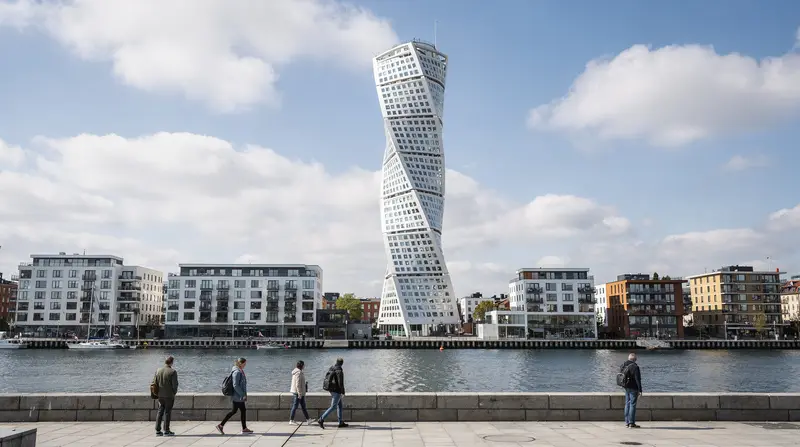
Walk or take a bus north to Västra Hamnen (Western Harbour), Malmö’s flagship urban regeneration district. The Turning Torso tower (190 m, twisted 90 degrees from base to top, designed by Santiago Calatrava, 2005) is not open to visitors inside, but the architecture is striking from the waterfront. The harbour walk past the eco-district’s distinctive architecture and the Öresundsbron view back to Denmark is one of the most architecturally interesting free walks in Scandinavia.
16:00 — Back to Copenhagen
Trains run continuously. The last reasonable train back is 22:00+; there is no rush, but returning by 17:30–18:00 gives you time for dinner in Copenhagen. Journey time back is the same 35–45 minutes.
Honest note: one full day in Malmö is enough to see the main highlights. If you want to see Lund (medieval university town, 15 minutes further by train from Malmö — 30–40 SEK / 20–25 DKK extra), you need to cut the Malmö visit short or accept a rushed combination.
Book the organised Øresund Bridge, Lund and Malmö tour19:00 — Dinner back in Copenhagen
Return to Nørrebro or Frederiksberg for dinner — both are more affordable than the tourist centre and have strong restaurant scenes. A mid-range dinner in Copenhagen: 250–400 DKK per person with a glass of wine.
Day 3: Option A — Lund, or Option B — Copenhagen’s design and museums
Choose based on interest and energy.
Option A: Lund, Sweden (academic medieval city)
Lund is 15 minutes beyond Malmö by the same Øresundståg train (3 more stops). Return journey from Copenhagen: 55 minutes, approximately 100–130 DKK return. The Copenhagen Card does not cover this.
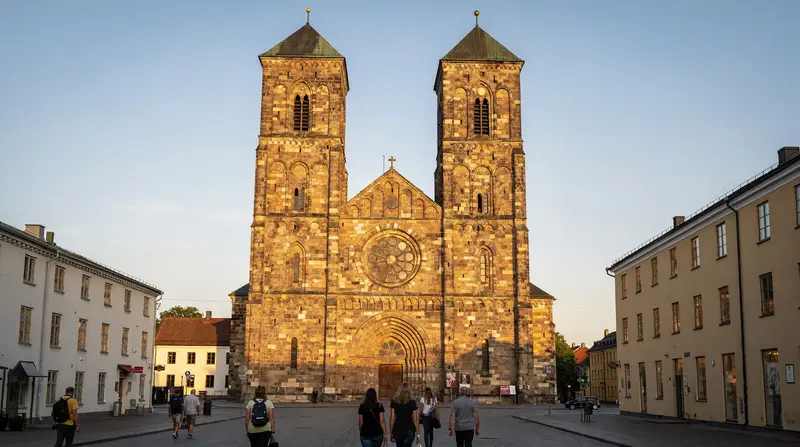
Lund is a medieval university city — founded in 1020, with a Romanesque cathedral (Lund Cathedral, 1145, one of the finest Romanesque buildings in Scandinavia, free entry) and a university founded in 1666 that gives the city its particular character. The Kulturen open-air museum (75 SEK / 50 DKK) covers Swedish cultural history through a collection of historic buildings brought to a single site.
Leave Copenhagen by 09:00. In Lund, walk from the station to the cathedral (10 minutes), explore the cathedral and crypt (allow 45 minutes), walk through the university quarter and Lundagård park, visit Kulturen, have lunch in the town centre (Swedish café, 80–120 SEK per person / 50–75 DKK), and return to Copenhagen by mid-afternoon.
Option B: Copenhagen museums and Frederiksberg
10:00 — Designmuseum Danmark
Designmuseum Danmark (Bredgade 68) covers 300 years of Danish and international design — furniture, fashion, textiles, and the design history that makes Denmark design-famous. The permanent collection includes original Arne Jacobsen chairs, Kaare Klint furniture, and the development of the ergonomic design tradition. Entry: 150 DKK. The museum café is one of the better lunch options in that part of the city.
12:30 — Lunch at Nørreport or Torvehallerne
Return via the metro to Nørreport for lunch at Torvehallerne — the most efficient and interesting lunch option on the day.
14:00 — Frederiksberg
Frederiksberg is technically a separate municipality entirely surrounded by Copenhagen — richer, quieter, with a French-inspired royal park and palace. The Frederiksberg Gardens (Frederiksberg Have) are free — an 18th-century romantic landscape garden with the moated summer palace visible across the lake, rowing boats for hire in summer (50–70 DKK per hour), and peacocks in the grounds.
Copenhagen Zoo is at the edge of Frederiksberg Gardens — Denmark’s oldest (1859), with pandas from China (a major draw since 2019) and comprehensive exhibits. Entry: approximately 250 DKK adults, 170 DKK children — a full half-day attraction if animals are your interest.
17:00 — Nyhavn final evening
Return to Nyhavn for the early evening, when the canal light is at its best. A final boat rental — GoBoat self-drive electric boats depart from Islands Brygge (485–650 DKK per hour per boat, no licence required, up to 8 people) — provides a different perspective on the harbour. Alternatively, a late afternoon walk through the Frederiksstaden neighbourhood past Amalienborg Palace (the Royal Palace complex, changing of the guard at noon daily) to Nyhavn is one of the most pleasant walks in central Copenhagen.
Book a GoBoat self-drive electric boat in Copenhagen harbour19:30 — Final dinner
Three reliable options for a final evening in Copenhagen:
- Neighbourhood, Nørrebro — new Nordic without the Noma price, set menus 450–650 DKK per person
- Mikkeller & Friends, Stefansgade — craft beer bar with food, 80–130 DKK pints, snacks 80–140 DKK
- Reffen street food (open May–October, bus from Nørreport) — the best outdoor dining experience in Copenhagen, 100–160 DKK per person
Train logistics: Copenhagen to Malmö and Lund
Stations and timing
| Station | Journey time to Malmö C | Approximate single (DKK) |
|---|---|---|
| Copenhagen Central (København H) | 35–42 min | 70–95 DKK |
| Copenhagen Airport (CPH/Kastrup) | 20 min | 55–75 DKK |
| Østerport | 38–45 min | 70–95 DKK |
From Malmö Central to Lund: 14–18 minutes, approximately 30–40 SEK (20–25 DKK). The Øresundståg continues to Lund without changing trains.
Buying tickets
- DSB app (Danish railways) — covers the full journey to Malmö
- Skånetrafiken app (Swedish regional transport) — covers the Swedish portion
- Ticket machines at Copenhagen Central — credit cards accepted, multilingual interface
- Online at oresundstag.com — advance booking, same price
You do not need to buy from both operators; the DSB app or machine covers the entire Copenhagen–Malmö–Lund route.
Making the most of Day 1 before you cross the bridge
Day 1 packs a lot in, and it is worth reading a little more about the Copenhagen side before you commit to the pace above. The Nyhavn guide covers the best times to photograph the canal beyond the 09:00 window suggested here, and the Christianshavn and Christiania guide goes deeper into the guided-tour-versus-solo-walk trade-off than fits in a single itinerary day. If Vesterbro’s evening plan doesn’t appeal, the best restaurants in Copenhagen guide has alternatives across every neighbourhood and price point.
Extending this trip in either direction
If three days feels rushed once you’ve actually walked the Day 1 route, the standalone Copenhagen 3-day itinerary gives the city side more breathing room, with Malmö as an optional Day 3 rather than a fixed Day 2. Conversely, if two countries in three days is exactly your pace, the copenhagen-or-stockholm-which-first blog post is worth reading afterwards — Malmö often works as a preview of whether a longer Sweden trip appeals. For the return leg specifically, our getting around Copenhagen guide explains how the Øresundståg connects into the city metro if your accommodation isn’t within walking distance of Central Station.
Frequently asked questions about the Copenhagen-Malmö combination trip
Do I need a passport to go from Copenhagen to Malmö?
You need valid photo ID. Sweden reintroduced border controls in 2015. Non-EU visitors must carry their passport. EU and Schengen citizens can use a national ID card. The checks are not at every crossing but happen often enough that you should always carry ID when crossing. Do not rely on a digital passport copy.
How is Malmö different from Copenhagen?
Malmö is Sweden’s third-largest city, younger and more multicultural than either Copenhagen or Stockholm. The architecture is more varied (from medieval Gamla Staden to the 21st-century Västra Hamnen), the atmosphere is less tourist-saturated, and prices in SEK are often slightly lower in practical terms. The food scene leans toward international cuisines (Middle Eastern, Vietnamese, East African) more than Copenhagen’s New Nordic focus. Malmö also feels less crowded — you will walk past the main sights with only a fraction of the tourist density.
Can I use DKK in Malmö?
No. Sweden uses SEK (Swedish Kronor). Some tourist-facing shops near Malmö Central may accept DKK, but you should not count on it. Card payments (Visa/Mastercard) are accepted almost universally. If you want cash, ATMs at Malmö Central station dispense SEK.
How much does a day in Malmö cost?
Much depends on how you eat. As a rough guide: train return (120–160 DKK), Malmöhus Castle entry (approximately 100 SEK / 65 DKK), lunch in Möllan (100–130 SEK / 65–80 DKK), coffee and pastry (60–80 SEK / 40–50 DKK), a beer in the evening (80–110 SEK / 50–70 DKK). A full Malmö day, self-guided, without extravagance: 500–700 DKK all-in including transport.
Is Lund worth the extra detour from Malmö?
Yes if you are interested in medieval architecture, Scandinavian history, or quiet university town atmospheres. The cathedral is the finest Romanesque building in Scandinavia and admission is free. The Kulturen open-air museum is excellent. Lund can be done in 3–4 hours alongside a half-day in Malmö — but this makes the Malmö visit rushed. Better to give each city its own half-day or day.
Is there a guided tour covering both Malmö and Lund from Copenhagen?
Yes. Several operators run full-day guided tours from Copenhagen covering the Øresund crossing, both Malmö and Lund, with transport included. This is the most efficient option for visitors who want both cities interpreted without logistics. The trade-off is the fixed pace — a private tour or self-guided visit lets you linger longer in what interests you most.
Top experiences
Bookable activities with verified prices and instant confirmation on GetYourGuide.