Danish design shops in Copenhagen: where to buy, what to spend
Where are the best Danish design shops in Copenhagen?
Hay House (Pilestræde 29–31) is the best single stop for contemporary Danish design at mid-range prices. Frama (Pilestræde 10) for a more architectural, minimal aesthetic. Stilleben (Niels Hemmingsens Gade 3) for ceramics and glass. Illums Bolighus (Amagertorv 10) for the full Danish design department store experience. Vintage Danish furniture: look at Klassik (Bredgade 3) and the dealers along Ravnsborggade in Nørrebro.
Copenhagen has more serious design retail per square kilometre than almost any city its size. This is not accidental — the Danish furniture and product design industry is one of the country’s significant export sectors, and the domestic market reflects that. What follows is a practical guide to the shops worth visiting, with honest prices and some context on what you are buying.
| Where | mostly Indre By (Pilestræde area) + Østerbro + Nørrebro |
| Budget | around 500–2,000 DKK small items, 3,000 DKK+ furniture |
| Time needed | half a day for the core Indre By shops |
| Tax refund | non-EU visitors, over 300 DKK, Global Blue form |
| Best day | weekdays — Saturdays get busy on Strøget-adjacent streets |
Hay House
Pilestræde 29–31, Indre By Open: Monday–Friday 10:00–18:00, Saturday 10:00–17:00, Sunday 12:00–16:00
The flagship store for HAY is the best single stop for a contemporary Danish design overview. Two connected buildings in Pilestræde near Strøget have been turned into a high-ceilinged retail installation where the products are arranged as a designed environment rather than stacked on shelves.
HAY’s brand position is democratic design: the company makes things that reference mid-century Scandinavian design principles (clean geometry, considered materials, functional clarity) at prices that are high for household items but low for design objects. The brand does not pretend to artisanal hand-finishing; it is industrial production with genuine design investment.
What to look at:
- Ceramics: the HAY No. 1 mug (135 DKK), the DOT coffee cup (85 DKK)
- Textiles: cushion covers from 200 DKK, throws from 500 DKK
- Bags: the simple tote in coated cotton (450 DKK)
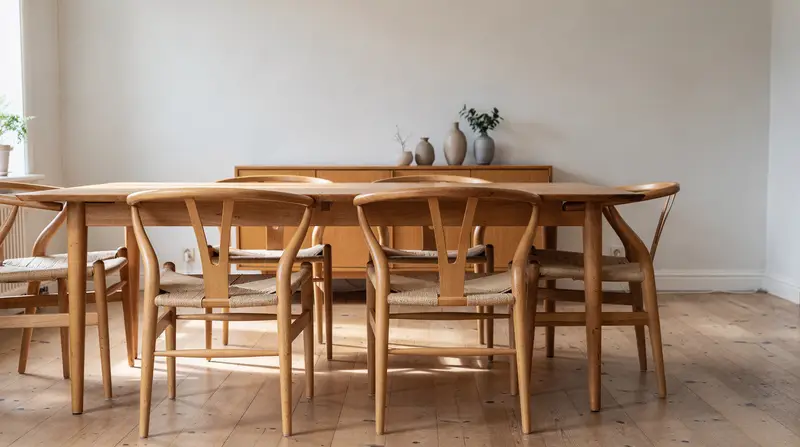
- Furniture: the Palissade chairs (designed with Ronan and Erwan Bouroullec, powder-coated steel, from 2,200 DKK for an outdoor model)
- Lighting: the PC Pendant lamp (designed with Pierre Charpin, from 3,200 DKK)
The shop also stocks a curated selection from other brands — Paper Collective posters (600–1,200 DKK), some vintage finds, books. The book selection alone is worth 20 minutes.
Frama
Pilestræde 10, Indre By Open: Tuesday–Friday 10:00–17:30, Saturday 11:00–16:00, closed Sunday–Monday
A five-minute walk from Hay House and a deliberate contrast: where HAY is colourful and relatively accessible, Frama is quiet, material-focused and expensive. The studio was founded in 2011 by Niels Strøyer Christophersen, who trained as an architect, and the design language reflects this — raw concrete, unlacquered brass, pharmaceutical glass, undyed wool.
Frama makes furniture (the Futon bed frame in untreated oak, from 8,000 DKK; the Osso stool, 3,200 DKK), fragrances (the St. Pauls Apothecary range in apothecary bottles, 500–900 DKK per 100ml), skincare and a range of objects with a consistent material vocabulary.
What to look at:
- The St. Pauls fragrances: Palo Santo, Linden and a rotating range. Complex, serious scents in beautiful bottles. Among the best design-adjacent gifts available in Copenhagen.
- The Compendium notebooks (recycled cotton paper, 85 DKK)
- The 2 Chairs (designed with Keiji Takeuchi, beech, from 5,000 DKK each)
The shop functions partly as a studio showroom — Frama’s designers work here. The atmosphere is of a workshop that happens to be open to the public.
Normann Copenhagen
Østerbrogade 70, Østerbro Open: Monday–Friday 10:00–18:00, Saturday 10:00–17:00, Sunday 11:00–16:00
The Normann Copenhagen flagship is in a converted 1920s cinema in Østerbro, one of the most beautiful retail spaces in Copenhagen. The double-height ceilings and original architecture house the brand’s full range: furniture, lighting, textiles, kitchen objects and accessories.
Normann Copenhagen’s design language is more architecturally ambitious than HAY — complex forms, unexpected materials, a willingness to make things that are not obviously functional. The Synco chair (by Simon Legald, polypropylene shell on steel legs, 2,500 DKK) and the Ball lamp (by Nicholai Wiig Hansen, matte glass ball, from 2,800 DKK) are typical: strong ideas, premium execution.
Price context: Normann runs higher than HAY across most categories. A lamp from 2,500 DKK, furniture from 4,000 DKK, textiles from 600 DKK for a cushion cover. The ceramics range starts more accessibly (mugs from 180 DKK).
The Østerbro location is worth the 20-minute walk or metro ride from the centre (station: Trianglen, 5 min walk) because the building itself is part of the experience.
Stilleben
Niels Hemmingsens Gade 3, Indre By (main store) Amagertorv 6 (second location) Open: Monday–Friday 11:00–18:00, Saturday 11:00–17:00, Sunday 12:00–16:00
Stilleben is the best ceramics shop in Copenhagen, and one of the best in Scandinavia. Founded in 2002, it focuses on contemporary handmade ceramics, glass and design objects — a mix of Danish makers, Japanese craft traditions and selected international pieces.
The selection is carefully edited: every object is chosen rather than merely stocked. Designers represented include Mette Duedahl, Hein Studio, Bornholmsk Keramik (from the Baltic island that has been Denmark’s ceramics centre since the 18th century), and rotating makers from Japan, Korea and the United Kingdom.
What to look at:
- Handmade stoneware mugs from 250–500 DKK
- Ceramic serving dishes from 400–1,200 DKK
- Glass objects (primarily Scandinavian, from 200 DKK for small pieces)
- Paper goods and illustrated books on craft
The Niels Hemmingsens Gade store is larger; the Amagertorv location is better placed and has a more curated selection. Both are worth visiting if ceramics interest you.
Georg Jensen
Amagertorv 4 Open: Monday–Saturday 10:00–18:00, Sunday 11:00–17:00
The George Jensen silver house, founded in Copenhagen in 1904, has become a global brand with variable quality across its range. The flagship on Amagertorv carries the full line — from the original designs (Acorn cutlery by Johan Rohde, Henning Koppel fish dish and pitcher) to contemporary jewellery and accessories of less consistent quality.
What is genuinely worth buying:
- The Acorn cutlery (a single dinner fork: 450 DKK; an 8-piece starter set from 3,200 DKK). The design is from 1915 and is still considered a definitive piece.
- The Cosmos necklace (reproduced from Vivianna Torun Bülow-Hübe’s 1960s design, from 2,800 DKK in sterling silver)
- Georg Jensen’s own original brooches (from 1,500 DKK for a reproduction of a Jensen original)
What to skip: the more generic contemporary jewellery range has limited connection to the Jensen design tradition and is overpriced relative to other Danish jewellery makers.
Royal Copenhagen
Amagertorv 6 (flagship) Søndre Fasanvej 9, Frederiksberg (Outlet) Flagship open: Monday–Saturday 10:00–18:00, Sunday 11:00–17:00 Outlet open: Monday–Friday 10:00–18:00, Saturday 10:00–16:00
Royal Copenhagen has produced blue-and-white underglaze porcelain at the same Copenhagen factory (now in Frederiksberg) continuously since 1775. The Blue Fluted pattern — a freehand-painted, never-exactly-repeated floral design in cobalt — is the most recognisable Danish design object in the world.
At the flagship: full retail prices. Blue Fluted Half Lace dinner plate from 550 DKK; Full Lace from 1,100 DKK. The Flora Danica range (hand-painted botanicals, produced in limited quantities) runs 3,000–15,000 DKK per piece.
At the Outlet (Frederiksberg): factory seconds and discontinued lines at 30–60% off. A Blue Fluted Full Lace plate with a barely visible paint variance (still food-safe and aesthetically fine) for 250–350 DKK. The Outlet is 25 minutes by bus from the centre but worth it for serious buyers. The Outlet also carries the functional everyday ranges (the Gemma collection, Ursula) at a substantial discount.
Non-EU visitor note: tax refund applies on purchases over 300 DKK. Keep your receipt and request a Global Blue form at the counter.
Vintage and antique Danish design
Ravnsborggade, Nørrebro
This is the street for vintage Danish furniture. A 500-metre stretch in Nørrebro between Nørrebrogade and Jagtvej has the densest concentration of vintage and antique dealers in Copenhagen — perhaps 10–15 shops within walking distance.
The reality check: prices for recognised Danish mid-century furniture (Hans J. Wegner, Arne Jacobsen, Finn Juhl) have risen substantially since international collector demand intensified around 2012–2015. A PP550 Flagline chair by Wegner in good condition sells here for 12,000–20,000 DKK. A Series 7 chair by Jacobsen in original fabric, 2,500–4,500 DKK. These are not bargains by international standards — but they are genuine pieces, not reproductions.
What is still relatively good value: Danish craft ceramics from the 1960s–1980s (particularly studio ceramics from Bornholm), Danish glass from Holmegaard, smaller silverware pieces. Budget 300–800 DKK for ceramics; 200–600 DKK for glass.
Klassik (Bredgade 3): the most prestigious Danish design antique dealer, focusing on museum-quality pieces with full provenance. Not for browsing — for serious collectors or research. The gallery doubles as an occasional design bookshop.
Smaller independent shops worth knowing
Aesop (Gammel Kongevej 5, Frederiksberg): the Australian skincare brand in a characteristically beautiful store — the fit-out in every Aesop location is designed by a different architect. The Frederiksberg store was done by Tobias Jacobsen. Not Danish, but exemplary design retail and the product is good.
The Library (Pilestræde 51): a small bookshop focused on architecture and design books, with a strong Danish section. One of the few places to buy out-of-print Danish design literature. Also sells some prints and posters.
Bolia (Gammel Kongevej 44, Frederiksberg): a larger Danish furniture brand positioned below HAY in price and above IKEA in quality. Worth knowing if you are buying furniture to ship home; less interesting as a shopping experience.
Søstrene Grene: a Danish chain selling affordable homeware and craft supplies with a Scandinavian aesthetic. Prices are genuinely low (100–400 DKK for most items). Not high design, but honest value. Multiple locations in central Copenhagen.
Practical notes
Tax refund (momsrefusion): non-EU residents can reclaim 25% VAT on purchases over 300 DKK per retailer per day. Request a Global Blue or Premier Tax Free form at the point of sale, present it at the airport tax refund desk before departing. The process takes 15–30 minutes; factor this in if you have an early flight.
Shipping: larger retailers can arrange international shipping. Fritz Hansen and Georg Jensen both have established shipping arrangements. Fragile items (ceramics, glass) shipped by post have a significant breakage risk — buy original packaging where possible or consider courier services.
Credit cards: virtually universal in Copenhagen design retail. Cash is uncommon and many shops do not accept it.
Understanding Danish design price tiers
Not all Danish design retail sits at the same price point, and knowing the rough tiers before you walk in helps set expectations. Entry-level Danish design (HAY’s smaller ceramics and textiles, Søstrene Grene’s homeware) runs 85–500 DKK and is genuinely accessible without compromising on the design principles behind it.
Mid-tier (most HAY furniture, Normann Copenhagen accessories, Stilleben ceramics) runs 500–4,000 DKK and represents the bulk of what a design-conscious visitor typically buys. Premium (Frama furniture and fragrances, Georg Jensen silver, Royal Copenhagen’s Flora Danica) starts at 3,000–5,000 DKK and climbs into five figures for statement pieces — this tier is about owning a specific named design object with provenance, not simply furnishing a home.
Recognising which tier a shop occupies before you enter helps calibrate expectations: walking into Frama expecting HAY prices, or into a Ravnsborggade vintage dealer expecting bargain-basement finds, leads to disappointment that has more to do with mismatched expectations than the shops themselves.
A useful rule of thumb when comparing an object’s price against buying the same brand at home: Danish retail prices are generally comparable to or slightly below what the same object costs once shipped internationally, but the gap has narrowed considerably as brands like HAY and Normann Copenhagen have expanded their own international retail and online shipping. The clearest remaining value case for buying in Copenhagen is for smaller items that are expensive or impossible to ship affordably from abroad — ceramics, textiles, and books — rather than large furniture, where shipping costs frequently erase any price advantage.
Planning a design-focused day around Copenhagen
The Indre By cluster (Hay House, Frama, Stilleben, Georg Jensen, Royal Copenhagen) can be walked in a loop of under 20 minutes between stops, which makes a design-focused half-day realistic without a car or taxi. Pair it with the Designmuseum Danmark guide for the historical context behind the objects you are looking at in the shops — seeing Kaare Klint and Arne Jacobsen originals in the museum makes the retail versions easier to evaluate.
For a broader sense of how Danish aesthetics show up outside retail, the Danish design guide and Scandinavian architecture guide both cover the buildings and design thinking behind the products.
Normann Copenhagen’s Østerbro flagship and the Ravnsborggade vintage cluster in Nørrebro sit outside the main loop — worth a dedicated half-day if vintage furniture or the Normann building itself is a priority rather than an add-on. The Vesterbro guide covers Bolia’s Frederiksberg-adjacent showroom and other design-adjacent stops in that neighbourhood.
Buying furniture and having it shipped home
If your interest extends beyond small souvenirs to actual furniture, plan for the logistics before you fall in love with a piece. Fritz Hansen and Georg Jensen both have established international shipping arrangements, and staff can walk you through cost and timing at the point of sale.
For vintage pieces from Ravnsborggade dealers, ask specifically about shipping before buying — not every small dealer has an established courier relationship, and arranging one after the fact is more expensive. Budget shipping costs of 10–20% of the furniture’s value for a mid-size piece to most of Europe, more for transatlantic shipping, and factor this into whether a Copenhagen purchase is actually cheaper than buying the same piece through an international retailer at home.
Frequently asked questions about Danish design shops
Is it cheaper to buy Danish design in Copenhagen than abroad?
For some items, yes — there is no import duty or shipping markup. Danish VAT is 25%, included in displayed prices; EU visitors cannot reclaim it at departure. Non-EU visitors can claim a tax refund on purchases over 300 DKK from registered retailers.
Where can I find vintage Danish furniture in Copenhagen?
Ravnsborggade in Nørrebro is the main street for vintage and antique furniture. Klassik at Bredgade 3 focuses on high-end Danish design pieces with full provenance. Prices for recognised mid-century pieces are market-rate, not bargains.
What is Stilleben?
Stilleben is a Copenhagen concept store founded in 2002, specialising in contemporary ceramics, glass and design objects from Danish and international makers, with a strong bias toward handmade and limited-production pieces. Both the Niels Hemmingsens Gade store and the smaller Amagertorv location are worth visiting.
What is Frama?
Frama is a Danish design studio and shop at Pilestræde 10, founded in 2011. It makes furniture, fragrances, skincare and objects with a consistently architectural aesthetic — raw materials, minimal colour, high craftsmanship. A Frama fragrance runs 500–900 DKK; furniture from 4,000 DKK upwards.
Are there Danish design markets or fairs?
The Copenhagen Furniture Fair (January) is a trade fair largely inaccessible to the public, but showrooms open during the associated design week. The Street Festival at Jægersborggade in summer has ceramic and design makers selling directly. Design Week Denmark usually runs in late summer.
What should I budget for a design shopping trip?
Plan for 500–2,000 DKK for smaller items (ceramics, textiles, candles, books); 3,000–10,000 DKK if you want a piece of furniture or lighting; considerably more for Fritz Hansen or original vintage pieces. Hay is the most accessible entry point for quality Danish design at lower prices.
Where to buy Royal Copenhagen in Copenhagen?
The Royal Copenhagen flagship is at Amagertorv 6. Factory seconds and discontinued patterns are sold at the Royal Copenhagen Outlet at Søndre Fasanvej 9 in Frederiksberg at 30–60% discount. The Outlet is worth the trip if you are serious about buying.