Copenhagen Scams to Avoid: The Honest (Short) List
Are there scams in Copenhagen targeting tourists?
Very few. Copenhagen is one of Europe's most honest cities — street fraud, taxi overcharging, and fake tour operators are rare. The more common issue is price traps: legitimate businesses charging tourist prices that local alternatives undercut by 20–40%. The two genuine risks are the Metro fine (750 DKK for unvalidated tickets — not a scam, but commonly mistaken for one) and occasional unlicensed tour operators. Most 'scam' guides about Copenhagen are exaggerated.
The honest starting position
Most guides to “scams in Copenhagen” are padded. Copenhagen does not have the density of tourist-focused fraud that cities like Barcelona, Rome, or Prague experience. The reasons are structural: high wages mean locals have little economic incentive for small-scale tourist fraud; strong rule-of-law culture makes visible scamming socially unacceptable; and the city’s compact tourist zone is well-policed. If you want the broader list of overpriced (rather than fraudulent) experiences, the Copenhagen tourist traps guide is the companion piece to this one.
| Risk | How common | What it actually costs you |
|---|---|---|
| Metro fine (unvalidated ticket) | Common | 750 DKK flat |
| Currency exchange booths | Very common (legal) | 5–10% above interbank rate |
| Tourist-area restaurant premium | Common (legal) | 25–40% over local prices |
| Unofficial tour touts | Occasional | Unpredictable, no recourse |
| Violent crime / street fraud | Rare | Negligible |
What Copenhagen does have:
- Tourist pricing (legitimate businesses charging tourist-area premiums)
- Transit fines mistaken for scams
- A small number of unlicensed informal operators in a few tourist locations
- Currency exchange booths with poor rates
Here is an accurate guide to each.
The Metro fine: not a scam, but commonly experienced as one
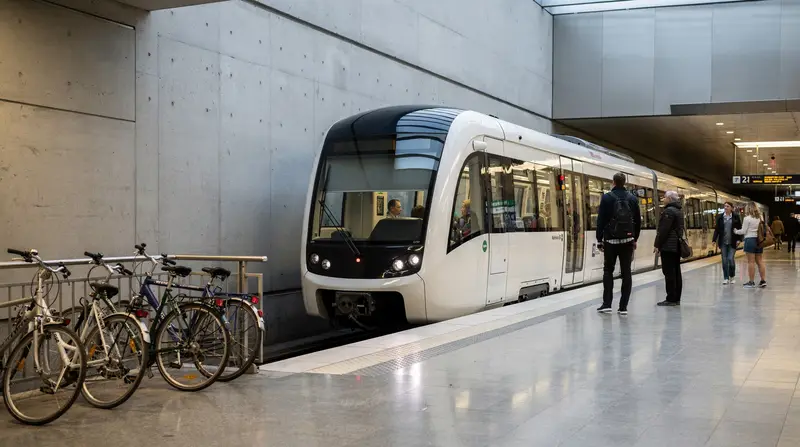
The 750 DKK fine for travelling without a valid Metro ticket is the single most common financial shock to tourists in Copenhagen. It is not a scam — it is a real fine enforced by real transit inspectors for a real rule. But it shares characteristics with scams in that it is unexpected, large, and feels disproportionate.
How it happens: You buy a Metro ticket. You forget to validate it (stamp it at the yellow machine, or swipe through the gate). An inspector boards after you. The ticket is not stamped. Fine issued.
The rule: Always validate your ticket before boarding. The machine prints your ticket; a separate step stamps or activates it. If you are using the Copenhagen Card, ensure it is activated. If using a contactless bank card, tap at the gate reader — do not simply walk through.
If you receive a fine: Pay it promptly. Do not argue that you “had a ticket” — an unvalidated ticket is not a valid ticket under Danish transit law. There is no negotiation, reduction, or warning process.
Our Metro guide explains the full ticket system in detail, and the getting around Copenhagen guide covers every transport option side by side if you’d rather avoid the Metro validation step entirely.
Bike theft: the real everyday risk, not the tourist one
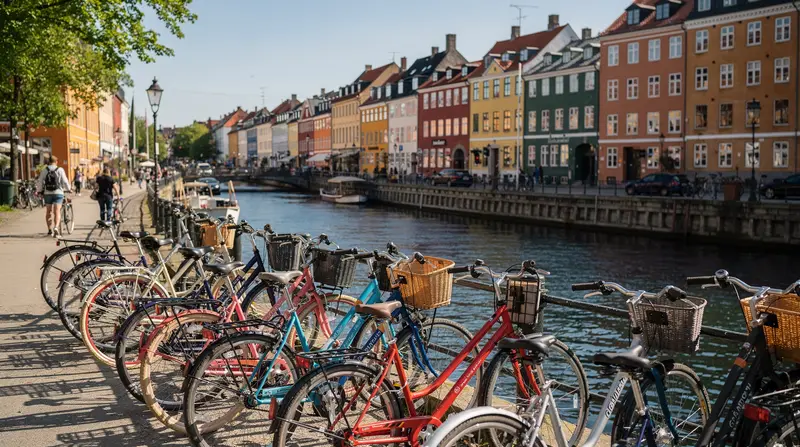
If any single form of theft is worth taking seriously in Copenhagen, it is bicycle theft — not because it targets tourists specifically, but because renting or borrowing a bike is one of the most common tourist activities in the city, and bike theft is genuinely frequent by Danish standards (thousands of reports per year). This is not a scam in the fraud sense; it’s opportunistic theft of unlocked or poorly locked bikes.
How to avoid it: Always use both the frame lock (built into most rental bikes) and, if provided, a secondary chain lock through the frame and a fixed object. Never leave a rental bike unlocked “for five minutes” outside a shop or café — this is when the overwhelming majority of thefts happen. Park in visible, busy areas rather than quiet side streets overnight. The bike rental guide and cycling rules and etiquette guide both cover locking practice and what a rental company will (and won’t) cover if a bike is stolen on your watch.
Currency exchange: the legal rip-off
Exchange booths at Copenhagen Airport and in the tourist centre (Nyhavn area, Strøget) operate legally but offer exchange rates well below the interbank standard. The margin varies but is typically 5–10% above the market rate, sometimes presented as “no commission” while the margin is baked into the rate.
What this costs in practice: Exchanging 500 EUR to DKK at an airport booth versus an ATM withdrawal might cost you 200–400 DKK in lost value. For a week-long trip, the difference across multiple transactions is significant.
The correct approach:
- Withdraw DKK from any Danish ATM using your bank debit card — the interbank rate applies, with only your bank’s fixed foreign transaction fee
- If your bank charges high ATM fees, make fewer, larger withdrawals
- Do not use airport exchange desks on arrival unless absolutely necessary
- Never use hotel exchange desks
Unofficial tour operators near Nyhavn and the Little Mermaid
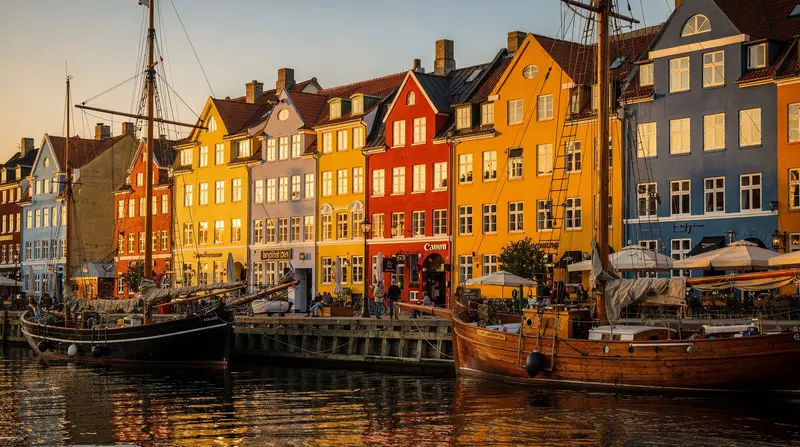
A small number of individuals near Nyhavn and the cruise ship terminal at Langelinie offer informal tours, canal rides, or “private” guided experiences. These are not necessarily fraudulent — some are legitimate freelancers — but they operate outside the accountability structure of established companies.
The risks:
- Quoted price changes or additional charges are introduced during or after
- Tour quality is unpredictable with no recourse
- No refund or complaint process exists if the experience is unsatisfactory
The approach: Book canal cruises and guided tours through established operators with fixed departure points (Gammel Strand, Nyhavn pier), advance booking available, and a trackable booking reference. This is not significantly more expensive and eliminates uncertainty.
Taxi overcharging: rare, not absent
Licensed Copenhagen taxis are metered and regulated by the city. Rates are high — starting fees around 50–60 DKK, with 10 DKK or more per kilometre — but these are standard legal rates, not fraud. A 10-minute city centre journey legitimately costs 100–200 DKK.
The risk of overcharging comes primarily from:
- Unlicensed “gypsy cabs” (informal taxis without meters) — rare in Copenhagen but occasionally present at the airport or late-night outside clubs
- Legitimate taxis with the meter running a longer-than-necessary route (uncommon)
How to avoid:
- Use metered, licensed taxis only — identified by the yellow licence plate number and official roof sign
- Use the official Copenhagen taxi app (taxa.dk) for a pre-confirmed booking
- Ride-sharing apps (Uber operated, then left Denmark; check current availability)
- For the airport: always the Metro — 16 minutes to the city centre for ~36 DKK, versus 250–400 DKK by taxi
Restaurant price transparency
Copenhagen restaurants are required by law to display prices including tax and service. This means the menu price you see is the price you pay — there is no hidden service charge added afterward, no tax calculated separately, no cover charge (in most venues).
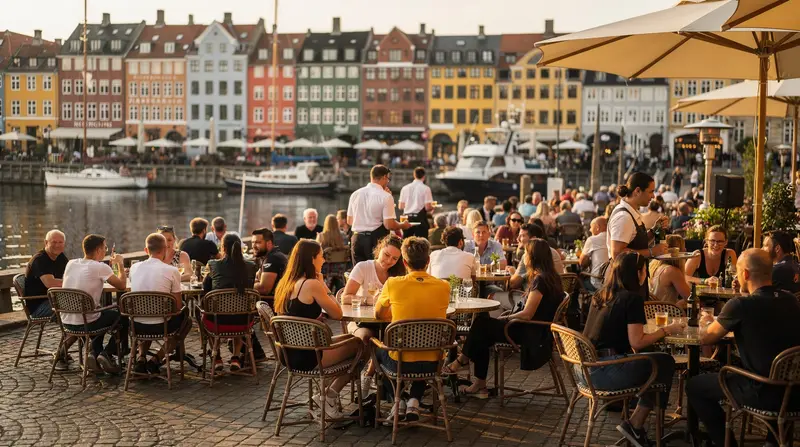
The “trap” is not hidden charges but differential pricing between tourist-area restaurants (Nyhavn, near major sights) and local venues. A main course on the Nyhavn waterfront: 180–280 DKK. The same quality dish 10 minutes walk away: 140–220 DKK. Both prices are displayed clearly — you are paying a location premium, not being deceived.
The simple rule: If the restaurant has a prominent English menu, a waterfront terrace, and no local Danes eating there, apply a 25–40% tourist premium to your mental price expectations.
What tourists worry about that is not actually a problem
Pickpocketing
Lower than most major European tourist cities. Standard precautions (front pockets, zipped bags, awareness in crowds) are sufficient. You do not need a money belt or anti-theft backpack for Copenhagen. The city is not in the same category as Barcelona or Rome for this risk.
Counterfeit goods
Not prevalent. Danish consumer protection is strong, and the counterfeit goods market is not visible to tourists. Normal commercial vigilance applies.
ATM skimming
Exists globally but is not a particular Copenhagen problem. Use ATMs attached to bank branches (not standalone units in tourist areas) as a general precaution. Inspect the card reader for anything unusual.
Fake police officers requesting your documents
Does not happen in any meaningful way in Copenhagen. If someone claiming to be a police officer approaches you unexpectedly, you are entitled to ask to see identification. In practice, you will not need to use this.
Street gambling (three-card monte, shell games)
Extremely rare. Copenhagen is not a city where this type of street fraud operates visibly. If you see it at all, simply walk away.
Petition signing / charity solicitors demanding money
Occasionally present near major tourist areas. You are not legally or morally obligated to sign or give. A simple “no thank you” and continuing walking is sufficient. If anyone becomes aggressive, move to a nearby café or shop.
Airport arrival: what to actually watch for
Copenhagen Airport (Kastrup) is efficient and low-risk, but arrival is where jetlagged, disoriented travellers are most vulnerable to overpaying rather than being defrauded. The Metro from the airport to the city centre takes about 14–16 minutes and costs around 36 DKK with a standard ticket — always cheaper and usually faster than a taxi, which runs 250–400 DKK for the same trip depending on traffic and time of day.
Airport currency exchange desks (Forex and similar) sit directly in the arrivals path deliberately, since a portion of arriving travellers exchange money before thinking to check the rate. If you need cash immediately, withdraw a modest amount from an ATM inside the terminal rather than using the exchange counter — the difference on even a small withdrawal is meaningful. Airport SIM card kiosks and “skip the line” ticket sellers near the taxi rank are legitimate businesses charging a convenience premium, not scams, but you can buy a Metro ticket from the machine yourself for the same price without the queue.
The overall picture
Copenhagen is one of the least fraudulent tourist cities in Europe. The 2023 Transparency International Corruption Perceptions Index ranks Denmark as the least corrupt country in the world — a culture that extends into daily commercial interactions.
The honest risks in Copenhagen are:
- The 750 DKK Metro fine — understood as a transit rule, not a scam
- Currency exchange booths — legal but poor value
- Tourist-area price premiums — legal, disclosed, avoidable with minimal research
- Occasional informal tour operators — limited quality assurance
None of these is unique to Copenhagen, and most are significantly less severe than in comparable European destinations. Pack normal urban caution, validate your Metro ticket, use an ATM instead of an exchange booth, and you are unlikely to encounter anything worse than a slightly overpriced lunch.
Frequently asked questions about Copenhagen scams
Is Christiania safe to visit?
Generally yes, particularly during daytime. Christiania is a self-governing community in Christianshavn with a strong internal social structure. The cannabis trade that operates openly on Pusher Street is the main context in which safety concerns arise — specifically, photography (absolutely prohibited in Pusher Street, and locals enforce this) and any interaction with the people selling there. As a visitor, walk through, observe, do not photograph Pusher Street, and you will have no problems. Visit on a guided walking tour for context and additional comfort.
Are there aggressive street vendors in Copenhagen?
Very few. The aggressive-vendor experience common in some European tourist cities (Rome’s rose-sellers, Eiffel Tower vendors) does not characterise Copenhagen. You may occasionally be offered a free sample at a food stall or a flyer for a tour; a polite decline ends the interaction.
What should I do if I am robbed or defrauded in Copenhagen?
Contact the Copenhagen Police (Politiet) — non-emergency number 114, or emergency 112. You will need a police report for insurance claims. The nearest police station to the tourist centre is at Polititorvet. Copenhagen police are experienced with tourist-related incidents and English-language assistance is available.
Are hotel prices in Copenhagen transparent?
Hotel prices are consistent with what is advertised. Standard tourist taxes (city taxes) may be added at checkout — typically 20–40 DKK per room per night in Copenhagen. These are clearly disclosed at booking. No hidden fees beyond what is disclosed in the booking terms are legal under Danish consumer protection law.
What is the emergency number in Denmark?
112 for police, fire, and ambulance. 114 for non-emergency police. Both have English-language assistance. The European emergency number 112 works from Danish mobile phones.
Frequently asked questions — Copenhagen Scams to Avoid: The Honest (Short) List
Is Copenhagen safe for tourists?
Yes, very. Copenhagen consistently ranks among the world's safest cities for travellers. Violent crime affecting tourists is extremely rare. Petty theft (pickpocketing) is lower than most Western European capitals. The city has a culture of social trust that extends to tourism.What is the biggest financial risk for tourists in Copenhagen?
The 750 DKK Metro fine for unvalidated tickets. This is not a scam — it is a legitimate penalty for breaking transit rules — but it catches many visitors who misunderstand the validation system. Second: accumulating tourist-restaurant meals without realising the price markup over local venues.Are taxis in Copenhagen honest?
Generally yes. Licensed Copenhagen taxis are metered and regulated. The main thing to understand: Copenhagen taxis are expensive by design — starting at around 50–60 DKK, with rates that make a 10-minute journey cost 100–200 DKK. This is not a scam — it is the standard regulated rate. Use the Metro or bike instead for cost efficiency. Unlicensed taxis (rare) should be avoided; use only metered vehicles or the official app.Are there fake tour operators in Copenhagen?
Occasionally. The most common scenario is individuals approaching tourists near Nyhavn or the Little Mermaid offering unofficial canal cruises or city tours at quoted prices lower than established operators. Standards are unpredictable. Use established operators with fixed departure points and confirmed prices. Booking via GetYourGuide or the tour's own website ensures you have recourse if the experience is not as described.Do currency exchange booths overcharge in Copenhagen?
Yes, significantly. Currency exchange booths (Forex, airport kiosks, hotel desks) charge 5–10% above interbank rates, sometimes more. Always use your bank debit card at ATMs to withdraw DKK at the interbank rate (your bank may charge a fixed fee per transaction, but this is usually less than the exchange booth margin). Never exchange currency at the airport exchange desk if you can avoid it.Is there pickpocketing in Copenhagen?
Some, at a lower rate than most major European tourist cities. The highest-risk areas are Nyhavn at peak tourist hours, crowded Metro stations at Nørreport, and the Strøget pedestrian street. Standard precautions apply: do not leave phones on café tables unattended, be aware in crowded areas, use a front pocket or secure bag. Pickpocketing in Copenhagen is much less prevalent than in Barcelona, Rome, or Paris.