2 days vs 3 days in Copenhagen — which is enough?
The question comes up often: is two days enough for Copenhagen, or do I need three? I have done both. Here is the honest answer, without the vague “it depends on your pace” filler.
Two days is enough to see the core of Copenhagen. Three days is when you actually experience it.
Let me break down what that distinction means in practice.
| 2 days covers | Nyhavn, Indre By, Christiansborg, Christianshavn, Rosenborg, Round Tower, Tivoli |
| 3 days adds | One day trip (Kronborg, Roskilde, Malmö, Louisiana) or a slower pace |
| Cost difference | Roughly one extra night’s hotel (around 900-1,300 DKK) plus a day-trip train fare |
| Best for 2 days | Copenhagen as one stop on a wider Scandinavian trip |
| Best for 3 days | Copenhagen as the main destination |
What two days in Copenhagen looks like
With two full days — meaning two nights, arrival the evening before, departure on the evening of day two — you can realistically cover:
Day 1:
-
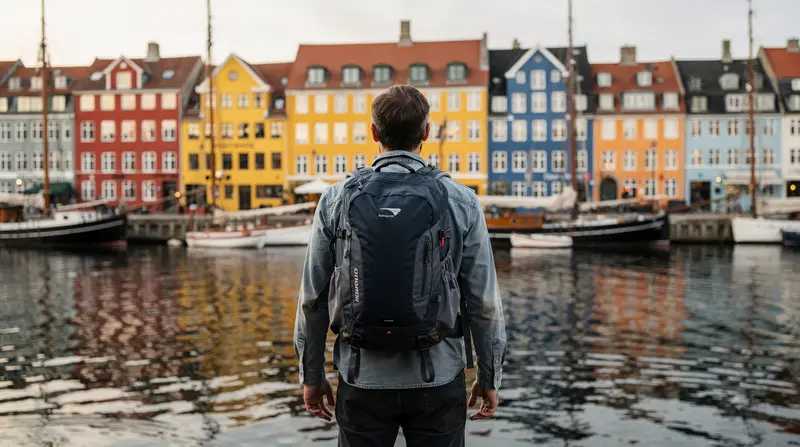
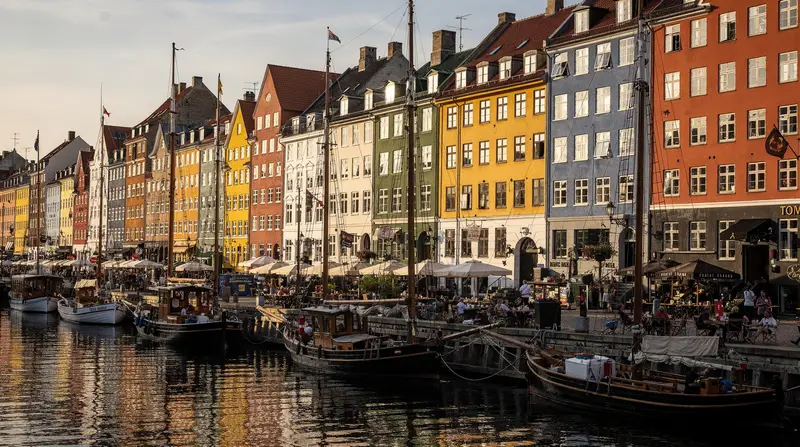
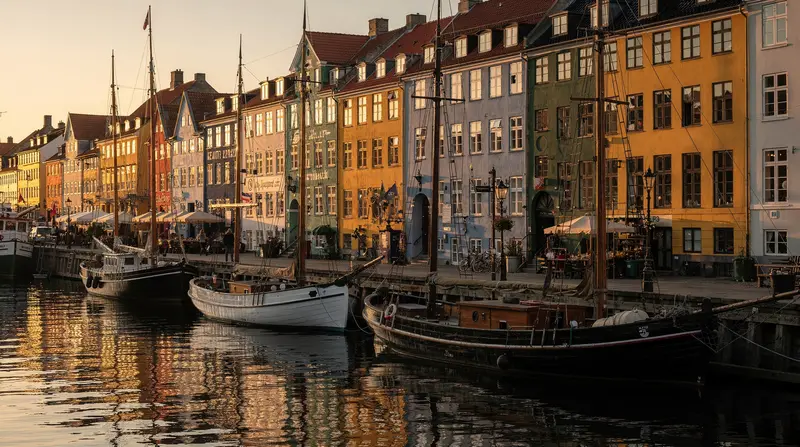
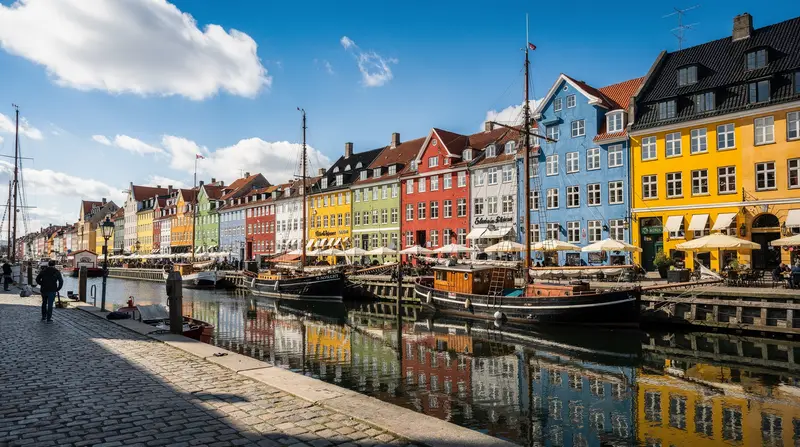
Morning in Nyhavn (before 10:00, before the tour groups arrive)
-
Canal boat tour departing from Gammel Strand: 1 hour, approximately 120-145 DKK, one of the better introductions to the city’s geography canal cruise from Gammel Strand
-
Walk through Indre By (the old town): Strøget, Højbro Plads, Slotsholmen island
-
Christiansborg Palace (entry approximately 120 DKK) — or skip the interiors and walk around the exterior, which is free
-
Afternoon: Christianshavn and a walk through Christiania
-
Evening: Vesterbro for dinner (Kødbyen — the Meatpacking District — has the best restaurant concentration)
Day 2:
- Morning: Rosenborg Castle and the Crown Jewels (approximately 150 DKK entry) — arrive at opening to beat queues
- Walk through the Botanical Garden (free)
- Afternoon: Round Tower (Rundetårn) for the city view (approximately 40 DKK) and the Torvehallerne market for lunch
- Tivoli for the evening if the season is right (approximately 185-215 DKK entry)
This is a full two days. You will be moving consistently, eating on the go for at least one meal, and making choices about what to prioritise. You will not have seen Amalienborg, the Designmuseum, the SMK (National Gallery), Louisiana (which needs a day trip of 4-5 hours), or Frederiksstaden properly.
The problem with two days is the feeling: you leave having seen Copenhagen but not quite having absorbed it. The city’s rhythm — the cycling culture, the café culture, the canal light at different hours — reveals itself slowly, not through a checklist.
What three days adds
The third day in Copenhagen is not a day of diminishing returns. It is a different kind of day.
Option A — Use it for a day trip: Kronborg Castle in Helsingør is 45 minutes by train (single approximately 100 DKK, or combined with a guide). Roskilde (Vikings) is 30 minutes. Malmö, Sweden is 35 minutes. Any of these significantly expands what Copenhagen as a base city can offer. Louisiana Museum of Modern Art in Humlebæk (45 minutes by train) is worth the trip alone if you care about 20th-century art and extraordinary architecture.
Option B — Use it to slow down: Take the third day at the pace the city actually operates at. Breakfast at a proper Danish bakery (Juno the Bakery in Nørrebro, Hart Bageri in Frederiksberg — both produce the best cardamom rolls I have had anywhere). Walk to Nørrebro and spend two hours in a neighbourhood that feels nothing like Nyhavn. Visit the Designmuseum Danmark (entry approximately 145 DKK). Eat a proper smørrebrød lunch at a place that takes it seriously.
Option C — Mix both: A morning at the SMK (National Gallery), which is free on certain days and 120 DKK otherwise, and an afternoon departure for a half-day in Malmö via the Øresund train.
The third day is when the city stops being a highlight reel and starts feeling like a place you understand.
The Copenhagen Card calculation
With two days, the Copenhagen Card (covering 80+ attractions and all public transport) may or may not pay off depending on your specific itinerary. The 48-hour card costs approximately 879 DKK for adults. If your two days include Rosenborg (150 DKK), a canal tour (145 DKK), the Round Tower (40 DKK), Christiansborg (120 DKK) and transport (approximately 150 DKK across two days for metro/bus) — that totals 605 DKK, below the card price. Two days is often too few paid attractions to justify the card.
With three days, the calculation shifts: add Louisiana (155 DKK), the National Museum (free since 2023, so that one doesn’t count), the Glyptotek (120 DKK), and the trains to a day trip location (100-200 DKK return). The 72-hour card at approximately 1,049 DKK becomes cost-effective by day three’s itinerary. The three-day card that includes Helsingør transport for a Kronborg visit covers the day trip fare alone, which justifies a significant share of the card price.
If you are still undecided: use the itinerary as a test
The cleanest way to settle this for your own trip is to look at a fixed-day plan and see where it strains. Our 2-day Copenhagen itinerary and 3-day Copenhagen itinerary lay out the hour-by-hour version of what is summarised above — if the 2-day plan already feels rushed on paper, book the third night. For a broader take on the question, the how many days in Copenhagen guide covers 1 day up to a full week, and first-time visitors get a separate planning checklist worth reading alongside this one.
If your trip includes Sweden, the calculation shifts again: read Copenhagen or Stockholm, which first before you fix your day count, since a Stockholm add-on often eats the third Copenhagen day entirely.
Classic Copenhagen canal and harbour tourSpecific scenarios: who should do what
Do two days if:
- You are in Copenhagen as part of a larger Scandinavian trip and the city is one stop among several
- You are primarily interested in the canal/harbour aesthetic and central sightseeing
- Budget is tight and you are making choices accordingly
Do three days if:
- Copenhagen is the primary destination of your trip
- You want to do one day trip (Kronborg, Roskilde, Malmö, Louisiana)
- You care about food seriously — three days gives you time to seek out the places worth finding rather than eating at whatever is convenient
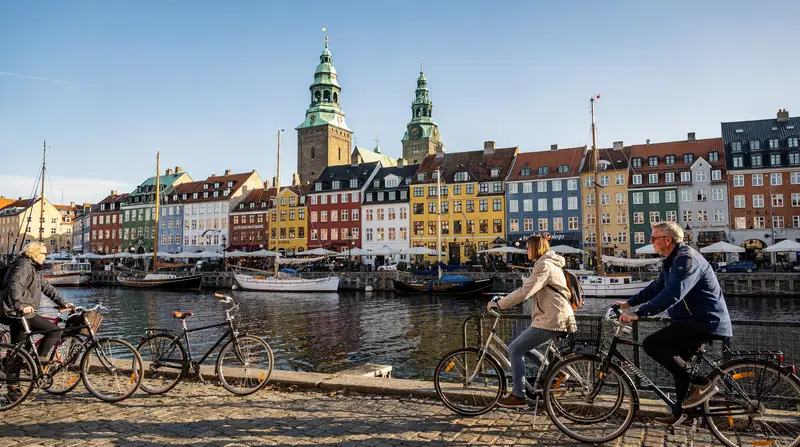
- You want to experience the cycling culture — one day to get oriented, one day to actually cycle somewhere purposefully
The honest answer about “enough”: Two days is enough to not feel you wasted a trip. Three days is enough to feel you actually visited Copenhagen, rather than passed through it. If you can do three, do three.
What you will not see regardless
Both two-day and three-day visitors will miss a lot. Copenhagen rewards multiple visits in a way that few cities of its size do. A three-day first visit should realistically leave you with:
- Uninvestigated neighbourhoods (Frederiksberg, Amager, Refshaleøen)
- Day trips not taken (Roskilde and Louisiana cannot both be done in a single short trip without sacrificing the city itself)
- The New Nordic restaurant scene explored only at its surface level (a proper dinner at one of the serious restaurants deserves a whole evening and some research in advance)
- The cycling city experienced as a pedestrian rather than a participant
This is not a failure of planning. It is the city’s depth. Copenhagen is genuinely underrated as a destination with repeat-visit potential — it is not a single-serving city.