Copenhagen Weekend Break: The Best 2-Day City Itinerary
Copenhagen: Canal Cruise with Guide
Duration: 1 hour
| Where | Nyhavn, Indre By, Tivoli, Vesterbro, Nørrebro, Christianshavn |
| Cost | ~3,000–6,500 DKK per person, excl. accommodation |
| Time needed | Two full days |
| Getting there | Metro from CPH Airport, ~15–16 min, 36 DKK single |
| Best time | May–June or September–October |
Two days, one of Europe’s most expensive cities — what you can realistically do
Copenhagen can absorb a week without repeating itself, but a well-planned 48-hour visit hits the highlights without becoming a forced march. The trick is geography: the main sights cluster around three axes — Nyhavn/Indre By, Rosenborg/Torvehallerne, and Tivoli/Vesterbro. Moving between zones takes 15–25 minutes on the metro. Trying to do all three in one day means you spend half your time in transit; this itinerary keeps each half-day in one zone.
Honest upfront: Copenhagen is expensive. A sit-down meal for two with wine is routinely 600–900 DKK (€80–120). This itinerary includes cheaper options at each meal slot — budget travellers should read the callouts. Prices below are 2026 approximations in DKK.
Day 1: Nyhavn, the Old Town, and the canals
08:30 — Breakfast in the city centre
Start at a bakery rather than a hotel buffet. Juno the Bakery (Århusgade 48, Østerbro — worth a slight detour) and Hart Bageri (Gammel Kongevej) are genuinely good. Budget for a coffee and pastry: 80–120 DKK per person. Avoid the cafés on Nyhavn itself for breakfast — tourist pricing adds 30–40% with no quality gain.
09:30 — Nyhavn before the crowds
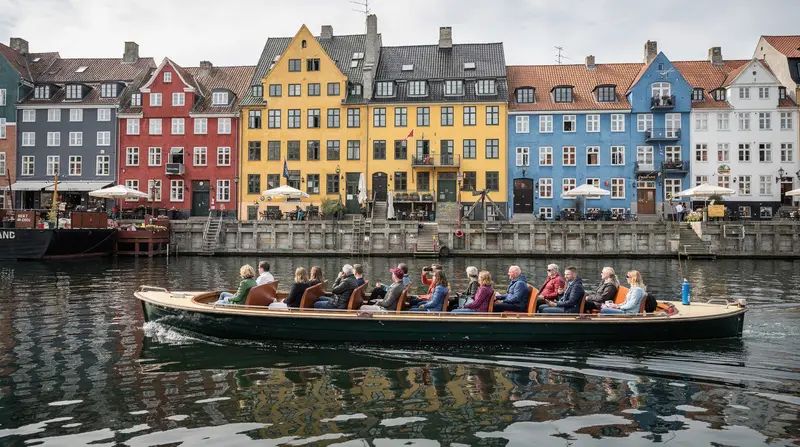
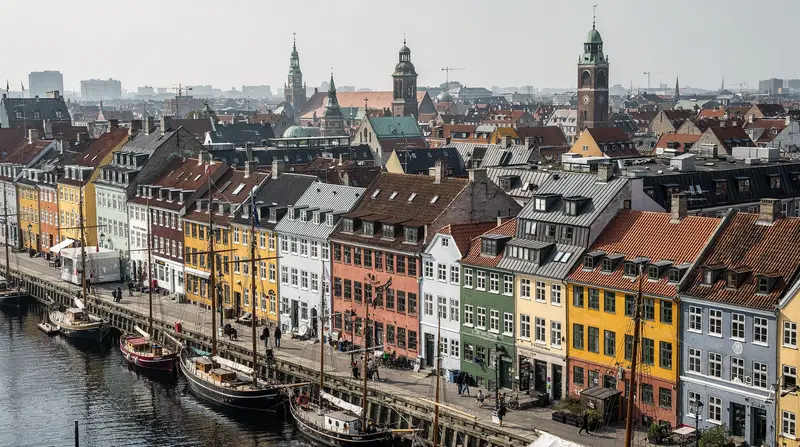
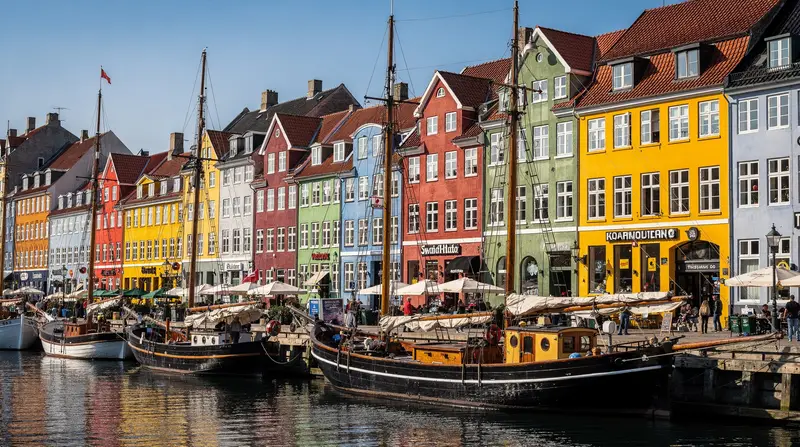
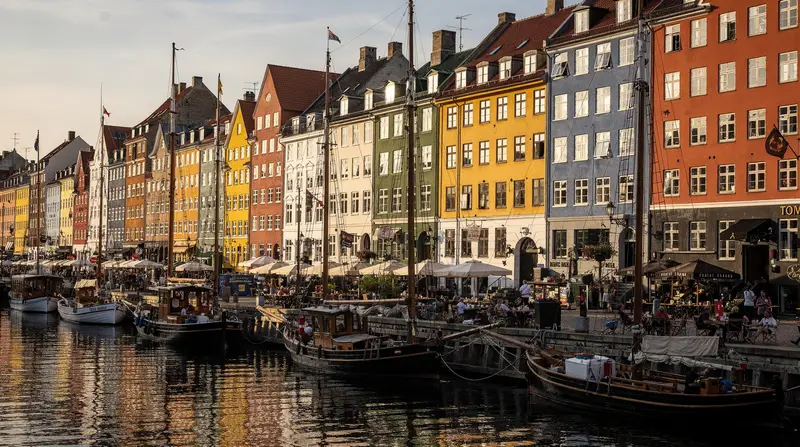
Nyhavn is best before 10:00. The coloured townhouses reflect in the canal, and the narrow channel is quiet. Walk the southern quay (Nyhavn 1–18, the old sailors’ quarter) and the northern quay (restaurants, less interesting architecturally). The famous “Little Mermaid” Hans Christian Andersen connection: Andersen lived at Nyhavn 20, 67, and 18 at different points. There are plaques.
By 10:00 tour groups arrive. You want to have seen it and moved on.
10:00 — Canal cruise from Gammel Strand
Board a guided canal boat at Gammel Strand (5 minutes’ walk from Nyhavn). The one-hour canal cruise covers Christianshavn, the Opera House, the Royal Library (the Black Diamond), Slotsholmen, and the harbour — more city context in an hour than two hours of walking. Commentary is included. Tickets: approximately 120–150 DKK. Buy online the evening before in summer to secure a spot.
Book the guided canal cruise from Gammel Strand11:30 — Christiansborg Palace and Slotsholmen
After the cruise, walk five minutes to Christiansborg Palace on Slotsholmen (Castle Island). The palace is Denmark’s seat of government — parliament, the Supreme Court, and the Royal Reception Rooms occupy the same building. The Royal Reception Rooms are the practical choice for a short visit: you see the state rooms where the Queen receives foreign heads of state, the Throne Room, and the tapestries. Entry: 160 DKK adults, free with Copenhagen Card.
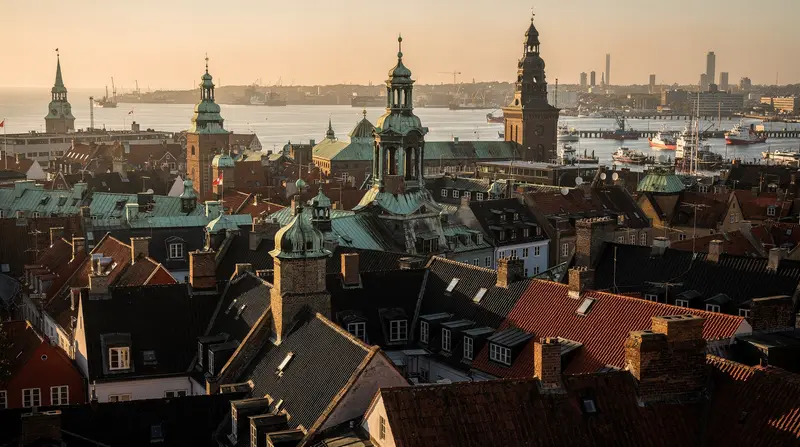
The palace tower (access included with Reception Rooms ticket) offers the best panoramic view in central Copenhagen, 106 metres up, with an elevator — unlike the Round Tower’s spiral ramp.
13:00 — Lunch near the Old Town
Torvehallerne (10 minutes by metro/foot, Nørreport station) is the honest choice: two glass market halls with 60+ stalls. A proper lunch — smørrebrød, a grain bowl, or a fish roll — runs 80–140 DKK. Sit at a stall counter rather than the tables outside (colder, windier in shoulder seasons). Avoid the weekend brunch queue at the more popular stalls by arriving by 12:45.
14:30 — Rosenborg Castle and the King’s Garden
Walk 10 minutes from Torvehallerne to Rosenborg Castle, a Renaissance red-brick castle that houses the Danish crown jewels in its basement treasury. The treasury is the reason to visit. The castle interior shows 400 years of royal apartments, mostly preserved in their original state — slightly overwhelming in detail but genuinely impressive. Entry: 170 DKK adults. The surrounding King’s Garden (Kongens Have) is free, one of the oldest royal gardens in Denmark, and a good place to sit for 20 minutes.
16:30 — Strøget walk and a coffee detour
Walk south down Strøget — Europe’s longest pedestrian street, 1.1 km. It is primarily chain retail (Zara, H&M, Illum department store), but it is the most efficient route between Rosenborg and Tivoli and worth one unhurried walk. For coffee, turn off into the Latin Quarter streets — Studiestræde or Larsbjørnsstræde have better independent cafés than anything on Strøget itself.
18:00 — Tivoli Gardens (evening)
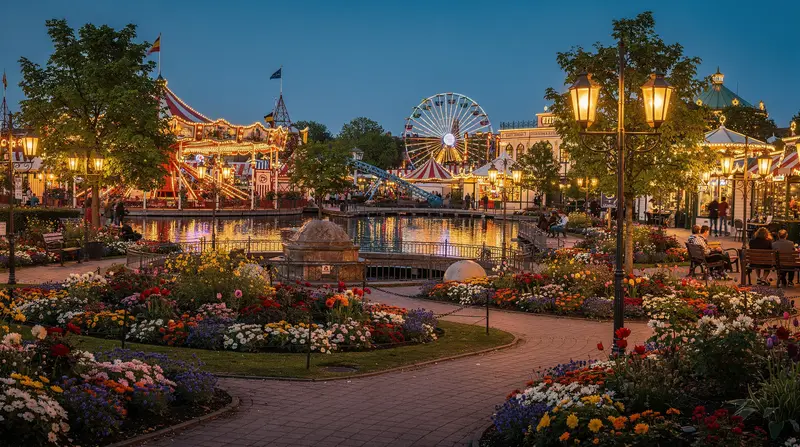
Enter Tivoli in the early evening, when the lights come on. Daytime Tivoli is an ordinary amusement park; evening Tivoli, with 100,000 bulb lights illuminating the gardens, is something else. Entry: approximately 195 DKK adults (2026 prices). Rides are paid separately or via an unlimited rides pass (~320 DKK). Budget for: entry + 2 drinks + 1 snack = 300–400 DKK per person.
Book Tivoli Gardens entry tickets onlineTivoli has its own restaurants at varying price points — Hereford Beefstouw inside the park is reliable if expensive (main courses 200–280 DKK). The Chinese Tower (Paafuglen) is the iconic Tivoli dining image. For lighter eating: the food stalls near the entrance sell open sandwiches, fish cakes, and hot dogs at 80–120 DKK.
21:00 — Vesterbro for a drink
Tivoli is 2 minutes’ walk from Vesterbro, Copenhagen’s most interesting evening neighbourhood. The Meatpacking District (Kødbyen) — a former slaughterhouse complex now full of bars and restaurants — is worth exploring if you have energy. Craft beer at Warpigs (a BrewDog/Mikkeller collaboration, American barbecue): 80–110 DKK per pint. More atmospheric than the tourist bars near Tivoli.
Day 2: Bike, Christiania, and a neighbourhood afternoon
08:30 — Breakfast in Vesterbro
Grod (Grød, Vesterbrogade 40) is a porridge restaurant — genuinely good, not a gimmick, and one of the most famous cheap breakfast spots in Copenhagen: 75–90 DKK per person. Andersen Bakery near the train station is the backup.
09:30 — Morning bike tour
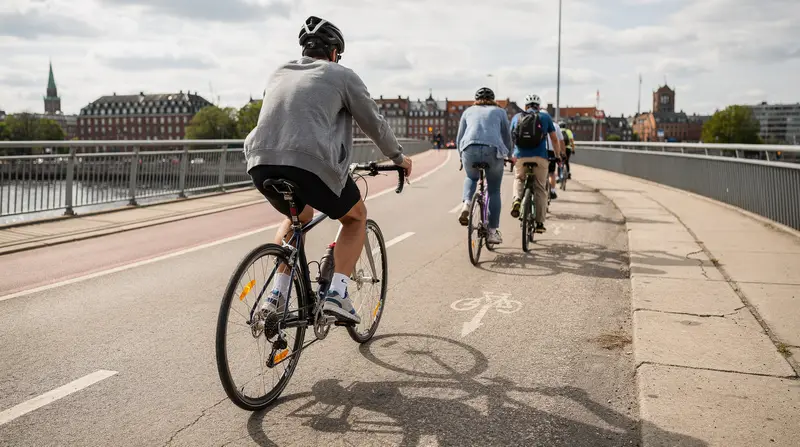
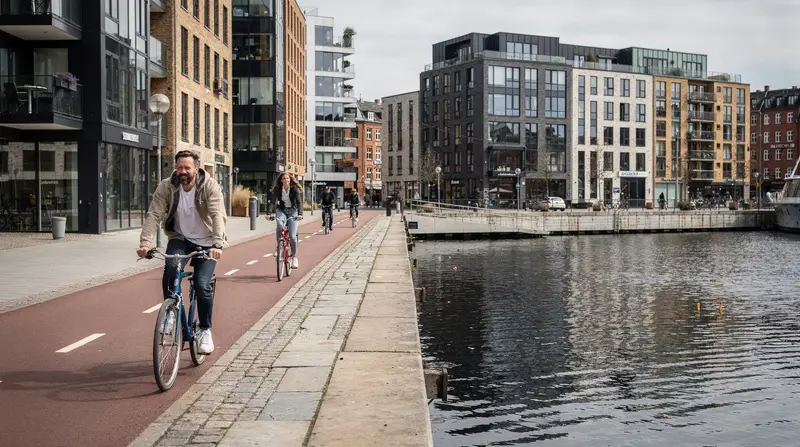
A guided bike tour is the most efficient way to cover Copenhagen’s spread in a morning. Local-led, 2–3 hours, covering Nørrebro, Frederiksberg, the lakeside, and the harbour — areas that public transport and walking routes do not show well. Copenhagen’s cycling infrastructure makes it genuinely pleasant even for non-cyclists.
Book the 3-hour Copenhagen highlights bike tourIf you prefer self-guided cycling: rent from Baisikeli (Ingerslevsgade 80, near Vesterbro) at approximately 120–150 DKK per day. Avoid GoBikes — registration requires a Danish phone number and NemID that tourists cannot easily obtain.
12:30 — Lunch in Nørrebro
Nørrebro is the most interesting neighbourhood for lunch that does not cost a restaurant wage. Elmegade and the surrounding streets have good falafel, Vietnamese, and natural wine bars. A sandwich and a coffee: 90–130 DKK. The neighbourhood is young, international, and genuinely lived-in — worth walking slowly.
14:00 — Christianshavn and Christiania
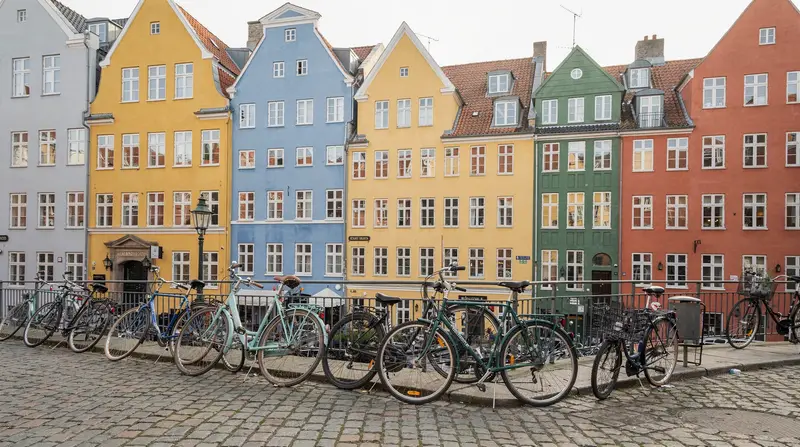
Take the metro one stop to Christianshavn, or walk 20 minutes from Nørrebro via the lakes. Christianshavn is a canal neighbourhood with 17th-century Dutch-planned streets — quieter than the city centre, with a distinct atmosphere.
Christiania (Freetown Christiania) is 10 minutes’ walk into Christianshavn. The self-governing community of 900 residents occupies former military land. Pusher Street (cannabis sales, openly visible) is the part tourists focus on; the more interesting Christiania is the community gardens, alternative architecture, and performance spaces. Photography is not allowed in Pusher Street. Guided tours leave from inside the main entrance twice daily in summer (75 DKK, meets at the main gate). Walking in on your own is free and fine.
15:30 — Christiania guided walking tour
Book the Christiania and Christianshavn walking tour16:30 — The National Museum or Glyptotek (choose one)
Two free or low-cost museums within 15 minutes of Christianshavn:
- National Museum of Denmark (Nationalmuseet): permanent collection is free. Covers Danish history from the Stone Age to the 20th century. Best section: the rune stones and Viking-age exhibits. Allow 1.5 hours.
- Ny Carlsberg Glyptotek: Danish and French art plus the most important ancient sculpture collection in Scandinavia, including original Rodin bronzes. Entry: 115 DKK. Free on Tuesdays.
Honest call: unless you have strong art or archaeology interest, the National Museum’s free access makes it the better weekend option.
18:30 — Dinner in Indre By or Nørrebro
Honest price guide for dinner in Copenhagen:
- Budget: smørrebrød at a lunch restaurant that stays open for early dinner, 120–180 DKK per person — Café Halvvejen (Krystalgade) and similar
- Mid-range: a modern Danish bistro, two courses and a glass of wine, 350–500 DKK per person — Pluto (Borgergade), Neighbourhood (Nørrebro)
- Splurge: new Nordic tasting menu, 800–1,500 DKK per person, wine pairing extra
The city’s street food and casual dining scene is centred at Reffen (open May–October, Refshaleøen), a 20-minute bus ride from the centre. Worth the trip for groups; less practical solo or as a couple.
20:30 — Evening canal walk or rooftop bar
The harbour walk between Nyhavn and the Opera House is free, well-lit, and one of the quietest evening walks in the city centre. Alternatively: Taasinge Plads in Nørrebro and Kødbyens BRUS (brewery tap) in Vesterbro are the most atmospheric places to end the weekend.
Getting around: metro and walking logistics
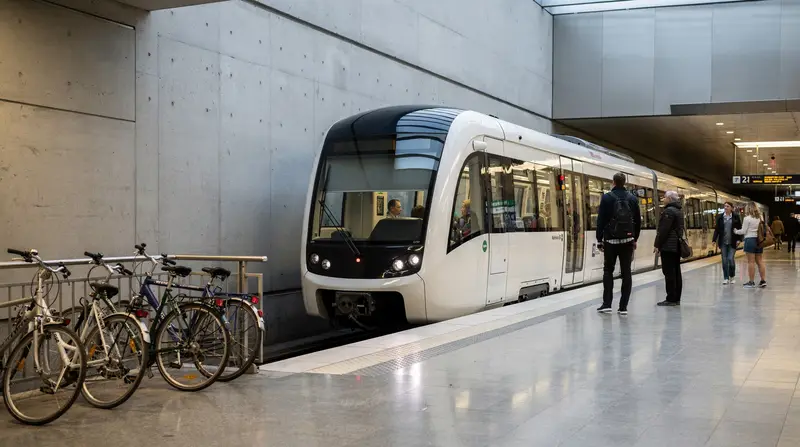
Copenhagen’s metro (M1–M4) covers the main sights. The relevant lines for this itinerary:
- M1/M2 (the original metro): Vanløse/Frederiksberg → Christianshavn → Copenhagen Airport
- M3 Cityringen: the circle line that opened in 2019, connecting Nørreport, Gammel Strand (near Nyhavn), Rådhuspladsen (near Tivoli), Frederiksberg, and Nørrebro
- M4 Harbourline: Orientkaj → Copenhagen H (central station), useful for harbour access
A single metro ticket costs 26 DKK (2 zones, covers all central Copenhagen). A 24-hour travel card is 100 DKK. The Copenhagen Card (499 DKK for 24 hours, 849 DKK for 48 hours) includes transport plus entry to 80+ attractions — worth calculating against your planned visits.
Copenhagen Card: 80+ attractions plus all public transportDo not jump the metro. The fine is 750 DKK — approximately equal to 3 museum entries. Inspectors work in plain clothes and are active on the M3.
Budget summary for 2 days
| Category | Budget option | Mid-range |
|---|---|---|
| Accommodation (2 nights) | 700–900 DKK/night hostel or budget hotel | 1,200–2,000 DKK/night |
| Transport (2 days) | 200 DKK (individual tickets) | 850 DKK (48h Copenhagen Card) |
| Tivoli entry (1 evening) | 195 DKK | 195 DKK |
| Canal cruise | 145 DKK | 145 DKK |
| Rosenborg Castle | 170 DKK | 170 DKK |
| Christiansborg | 160 DKK | 160 DKK |
| Bike tour | — | 300 DKK |
| Food (2 days, 6 meals) | 900–1,200 DKK | 1,800–2,800 DKK |
| Drinks/incidentals | 300 DKK | 600 DKK |
| Total per person | ~3,000–3,500 DKK | ~5,000–6,500 DKK |
At mid-2026 exchange rates, 1,000 DKK is roughly €134 or $148.
Frequently asked questions about a Copenhagen weekend break
Is 2 days enough for Copenhagen?
Two days is enough to see the essential highlights — Nyhavn, the canal by boat, Rosenborg, Tivoli, and one neighbourhood in depth — without feeling rushed. You will not see everything; Christiansborg, Designmuseum, Glyptotek, the Louisiana Museum, and day trips to Malmö or Helsingør all need additional days. If this is your only visit, two days is the minimum; three is more comfortable.
What is the best area to stay for a weekend in Copenhagen?
Indre By (Old Town) puts you within walking distance of Nyhavn, Rosenborg, and Tivoli. It is the most expensive area. Vesterbro (west of Tivoli) is cheaper, well-connected by metro, and more interesting for evening dining. Nørrebro is the best neighbourhood choice for character, though it requires a metro ride to reach the main sights.
Is the Copenhagen Card worth it for 2 days?
The 48-hour Copenhagen Card costs 849 DKK (adults, 2026). It includes transport and entry to 80+ attractions. Break-even calculation: metro for 2 days (~200 DKK) + Rosenborg (170 DKK) + Christiansborg (160 DKK) + Glyptotek (115 DKK) + National Museum (free, so 0 DKK) = 645 DKK. If you add the Louisiana Museum day trip (145 DKK entry) or multiple other paid attractions, the card pays off. It does not include Tivoli.
When is the best time of year for a Copenhagen weekend break?
May–June is the best combination of long days (nearly 18 hours of daylight at midsummer), tolerable crowds, and mild weather (15–22°C). September–October is the quieter alternative with good weather and fewer queues. July and August are peak season — Tivoli is busiest, prices are highest, and the city is crowded. December is atmospheric (Christmas markets, Tivoli lights) but costs more and nights arrive by 15:30.
How expensive is Copenhagen compared to other European cities?
Very expensive. Copenhagen consistently ranks among the three most expensive European capitals for tourists (with Zurich and Oslo). A budget traveller spending carefully — hostels, market lunches, free museums, self-guided — can manage 1,000–1,200 DKK per day. A mid-range couple spending normally will spend 3,000–4,500 DKK per day combined. The conversion to euros (~7.46 DKK = €1) softens the psychological impact slightly for eurozone visitors.
What should I skip on a 2-day Copenhagen visit?
The Little Mermaid: the statue is 80 cm tall, a 25-minute walk from the nearest metro, and usually surrounded by tourists. If you walk past on the harbour promenade, fine — do not make it a destination. Strøget: walk it once, do not shop there. Canal boat at Nyhavn: more expensive than the Gammel Strand boats and does not add meaningfully different sights. Dinner in Nyhavn: tourist pricing, mediocre food, captive audience.
Do I need cash in Copenhagen?
No. Denmark is effectively cashless — nearly all shops, restaurants, market stalls, and transport accept Mastercard and Visa contactlessly. A few very small stalls at Torvehallerne may be cash-only, but this is rare. Having 200–300 DKK in cash as backup is sufficient.
What is the best walking route to see Copenhagen in a weekend?
Day 1: Start at Nyhavn at 09:00, walk south to Gammel Strand for the canal cruise (10:00), then follow the harbour to Christiansborg on Slotsholmen. Head north through Strøget, detour into the Latin Quarter, continue to Rosenborg and the King’s Garden. Evening in Vesterbro via Tivoli. Day 2: Vesterbro (Meatpacking District) east through the lakes to Nørrebro. South through Christianshavn and Christiania. The connecting thread is the water — canals, harbour, and lakes form a natural navigational spine through the city.
How do I get from Copenhagen Airport to the city centre on a budget?
The metro runs directly from Copenhagen Airport (CPH/Kastrup, Terminal 3) to Nørreport and Copenhagen Central in approximately 15–16 minutes. A single ticket is 36 DKK (3 zones). This is the cheapest and fastest option. Taxis cost 250–350 DKK to the city centre. The airport bus (5A) is slightly cheaper at 26 DKK but takes 30–40 minutes and stops at fewer central points. For a weekend break, the metro is the obvious choice — do not take a taxi unless you have heavy luggage and no energy for the station.
Are there any organised food tours worth doing on a weekend in Copenhagen?
A food tour is one of the better ways to use a morning on a short visit — you eat well, learn the food geography of the city, and get context on smørrebrød, New Nordic, and the difference between a bakery and a konditori. The trade-off is that you surrender control of the pacing. For a 2-day trip, one morning with a food tour and the rest of the days self-directed is a good balance.
Copenhagen food tour with 6 tastings of Danish classicsWhere to stay, and what to do if two days isn’t enough
This itinerary assumes a central base; the where to stay in Copenhagen guide breaks down Indre By, Vesterbro, and Nørrebro in more depth than the FAQ below, including which is best if you’re arriving late on Day 1. If the pace above still feels rushed once you’re walking it — a common reaction — the 3-day itinerary adds Frederiksstaden and a Malmö option without restructuring Days 1 and 2 much. For a tighter single-day version if your weekend gets cut short, see the 1-day itinerary.
Nyhavn deserves more attention than a single morning slot gives it — the dedicated Nyhavn guide covers the best photography times and which canal-side spots are actually worth a drink versus which are pure tourist markup. And if Tivoli’s evening slot is the highlight you’re most looking forward to, Tivoli Gardens guide has the full breakdown of ride passes, seasonal events, and which restaurants inside are worth the premium.
Top experiences
Bookable activities with verified prices and instant confirmation on GetYourGuide.