Copenhagen with a Baby or Toddler: Practical Guide for Parents
Is Copenhagen good for visiting with a baby or toddler?
Yes — Copenhagen is one of the more family-friendly European capitals for parents with very young children. The metro has lifts, the city is flat, pavements are wide, restaurants are welcoming to children, and Danish culture has a relaxed attitude toward parents nursing or children being present in public spaces. The main challenge is cost — family accommodation and extra food add up quickly.
What Copenhagen is like for parents of very young children
Denmark has one of the highest birth rates in Scandinavia and a strong family policy culture — generous parental leave, subsidised childcare, and a social norm of including children in everyday life rather than segregating them from adult spaces. This shows in how the city functions for visitors with babies and toddlers.
The metro lifts work (genuinely — Danish infrastructure maintenance is reliable). Restaurants do not panic when a pram arrives. Parks are usable. Changing facilities exist. None of this is guaranteed in other European capitals.
The challenges are real too: Copenhagen is expensive, meaning family rooms cost more and food for multiple people adds up. Cobblestones in the historic core require some route planning with a pram. And the sheer logistics of city travel with a small child — the naps, the feeds, the meltdowns — mean you will cover less ground than any guidebook itinerary suggests. This guide accounts for that reality. If your children are a little older, the Copenhagen with kids guide covers a wider activity range once naps stop dictating the schedule.
| Pushchair-friendly | Yes — metro lifts everywhere, mostly flat pavements outside the historic core |
| Changing facilities | Museums, Tivoli, Torvehallerne, shopping centres; not all metro stations |
| Metro cost | Free for children under 12 with a paying adult |
| Best family base | Frederiksberg or Vesterbro |
| Biggest challenge | Cost, not access — budget for a family room and extra food |
Getting around with a pushchair
Metro: the best option
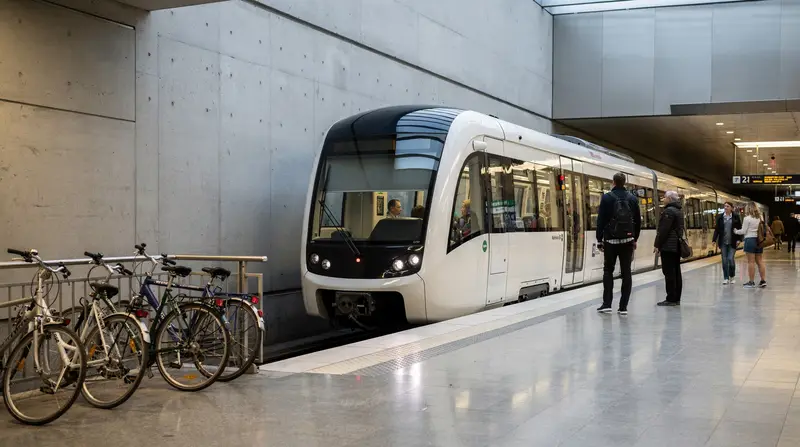
The Copenhagen metro is the most practical transport for parents with pushchairs. Every station has a lift (not stairs-only or escalator-only like many European systems). The carriages are wide enough for a pram. The 24/7 operation means you are never stranded at a bad hour.
Practical tips:
- Metro lifts are accessed from street level at clearly marked points
- Wait for passengers to exit before boarding — metro etiquette is taken seriously
- During morning (8:00–9:00) and evening (16:00–18:00) peaks, carriages can be crowded. Aim for off-peak travel
- Use the Rejseplanen app (in English) to check lift status at specific stations before travelling
Cost: 26 DKK single (2 zones), 160 DKK for a 24-hour pass. Children under 12 travel free with a paying adult on the metro — one of the few genuine financial breaks for families in Copenhagen.
Buses: accessible but slower
Most Copenhagen city buses have a low floor and a designated pram area near the doors. However, buses navigate cobblestone streets more slowly, and the bus stop locations can require more street navigation. The metro is preferable for most tourist routes.
Cycling: practical for toddlers, less so for babies
Copenhagen is a cycling city, and families with toddlers absolutely cycle — the cargo bike (Christianiabike, bakfiets) is a Copenhagen institution. However, for visitors with babies under 12 months or children without head control, the logistics of cycling with an infant on a rental basis are complex. For toddlers aged 18 months+, child seats are available on some rental bikes — check Baisikeli specifically.
Walking and pram navigation
The historic core has a mix of paved and cobblestone streets. Modern areas (Frederiksberg, Vesterbro, Islands Brygge) have excellent flat pavements. Historically cobbled areas:
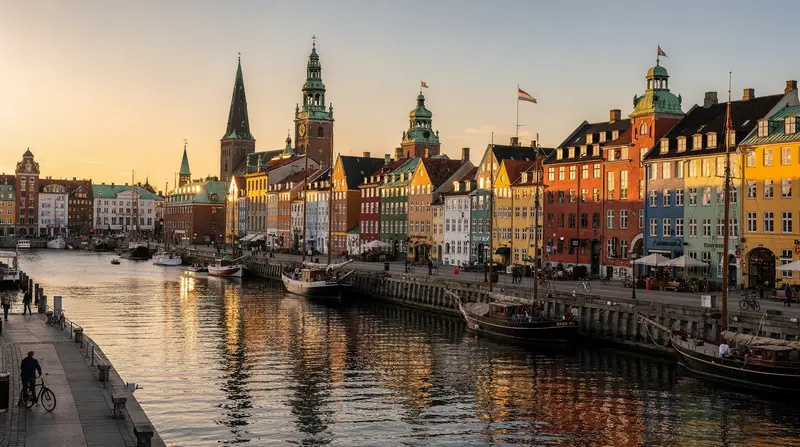
- Nyhavn promenade (manageable on the edges, rough in the centre)
- Parts of Christianshavn
- Strøget outer stretches near Kongens Nytorv
A four-wheel stroller handles cobbles better than a three-wheel. Avoid travelling pram systems (too large and heavy) — a compact city pushchair is significantly more practical.
Changing facilities
Where to find them
| Location | Changing facility |
|---|---|
| All major museums | Yes (dedicated rooms) |
| Tivoli Gardens | Yes (multiple points) |
| Torvehallerne food market | Yes |
| Copenhagen Central Station | Yes |
| Major shopping centres (Fields, Magasin) | Yes |
| Metro stations | Accessible toilets, not always changing tables |
| Most chain cafés (Joe & the Juice, Espresso House) | Usually yes |
| Smaller independent cafés | Not always |
Recommendation: Carry a portable changing mat. Many accessible toilets in cafés and smaller venues have a flat surface but no fixed changing table. A folding mat gives you options anywhere.
Public toilets
Public toilets in Copenhagen charge 5–10 DKK. Have small change or a contactless card available. Museum toilets are free with entry. Torvehallerne has free toilets for market users.
Feeding
Breastfeeding in public
Denmark has no taboo around breastfeeding in public. You can nurse in restaurants, cafés, parks, museums, and any public space without concern. Staff are accommodating and other patrons are unlikely to pay attention. Nursing covers are a personal choice — not a social requirement.
Formula and baby food
Danish supermarkets (Netto, Fakta, Bilka, Irma) stock formula and jarred baby food. The most common brands are European (Aptamil, HiPP). Specialist organic brands are widely available — Denmark has a very strong organic food culture. Expect to pay 80–150 DKK for a standard formula tin.
High chairs in restaurants
Most sit-down restaurants and mid-range cafés have highchairs. Call ahead to a specific restaurant if you are planning a dinner reservation. The Danish restaurant culture is child-welcoming — you are unlikely to feel unwelcome with a toddler in a non-fine-dining setting.
Best areas for family-friendly restaurants: Vesterbro (relaxed neighbourhood restaurants, indoor and terrace seating), Frederiksberg (quieter, family-demographic area), and Torvehallerne market (easy to manage with a child as you can assemble a meal from multiple stalls and find outside seating).
Avoid: Fine dining with a toddler (obvious but worth stating). Also avoid peak lunchtime at Torvehallerne (12:00–13:30) — crowded and harder to navigate with a pushchair.
Baby-friendly activities
Frederiksberg Gardens
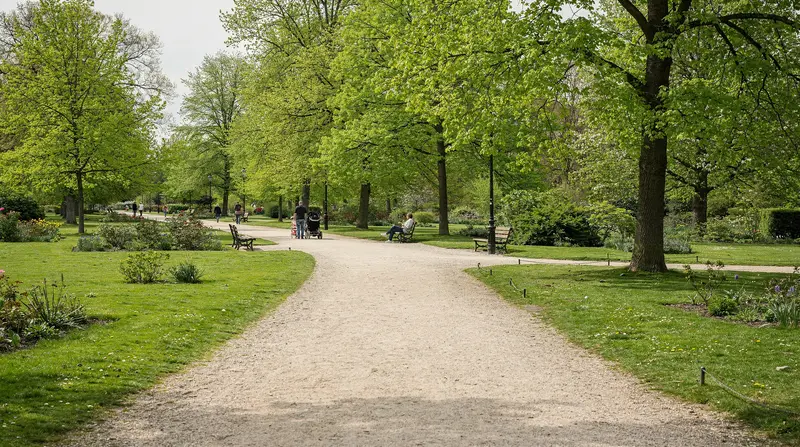
The best outdoor space in Copenhagen for very young children. Flat paths, a lake with ducks (an instant toddler hit), the boathouse area, and significantly fewer tourists than the King’s Garden. Dogs on leads everywhere — bring your child’s stroller cover for windy days.
King’s Garden (Kongens Have)
The formal garden surrounding Rosenborg Castle. Flat, well-maintained, with a popular puppet theatre in summer (check times — it runs mid-July to mid-August, free). Good for a morning walk after Rosenborg Castle visit.
Torvehallerne food market
An excellent family lunch stop — you can assemble a meal while the toddler watches the market activity. The outdoor seating area is pushchair-accessible. The range of food means one parent can eat something interesting while the other finds something the toddler will actually eat. On busy days, arrive before 11:30 or after 13:30 for easier access.
Harbour baths (Islands Brygge, June–August)
The open-air harbour pools are free and include a shallow paddling area suitable for toddlers. Water temperature in summer: 18–22°C. The area gets very busy on hot days (above 22°C). Arrive before 10:00 for manageable crowds. No changing rooms — bring a beach towel and change discreetly poolside.
Blue Planet National Aquarium
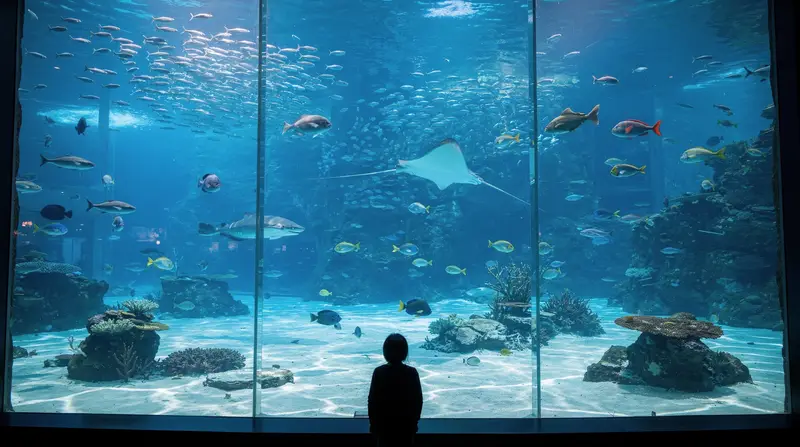
Located at Kastrup (metro accessible, M2 to Ørestad, then short taxi or bus), the Blue Planet is one of Europe’s largest aquariums. Toddlers respond extremely well — the shark tunnel and tropical tanks are genuinely arresting for young children. Allow 2–3 hours. Entry: 179 DKK adult, 99 DKK child (under 3 free). Pushchair-friendly throughout. The Blue Planet with kids guide has the fuller visit plan, including which tanks to prioritise if attention spans are short.
Rosenborg Castle and the Treasury
The castle’s treasure chamber (basement, separate entry fee included with general admission) displays the crown jewels — cases of glittering objects that reliably captivate children, even those too young to understand the history. The ground-floor rooms have good natural light and are spacious enough for a pushchair. The upper floors are tighter — leave the pram downstairs with museum staff on request.
Tivoli Gardens
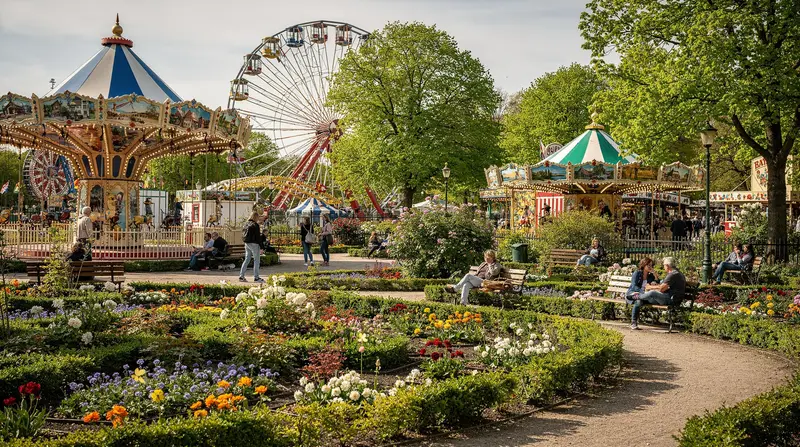
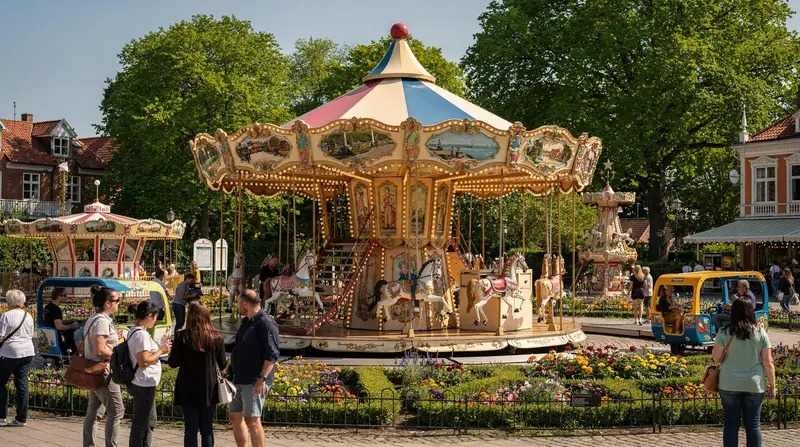
Tivoli works for toddlers who are interested in movement and lights. The gardens themselves are beautiful and freely walkable with a pram. Some rides have age and height minimums — most suitable rides for very young children are in the children’s section (Tivoli Torden). Entry ~200 DKK adult; children under 3 free. Unlimited ride passes are not worth buying for toddlers who will only access a few rides.
Evening visits: If your child is generally fine being awake at 20:00–22:00, an evening Tivoli visit in summer is magical — the gardens are illuminated and the heat of midday has passed. If your child crashes by 19:00, go at opening time instead. See the Tivoli with kids guide for the specific rides and areas that work best for the youngest visitors.
Accommodation for families
What to look for
- Family rooms with a separate sleeping area or sofa bed (not all hotels offer this)
- A kitchen or kitchenette (dramatically reduces food costs when feeding babies and toddlers)
- Lift access
- Ground-floor or low-floor rooms for ease of pram storage
- Supermarket within walking distance
Recommended neighbourhood for families
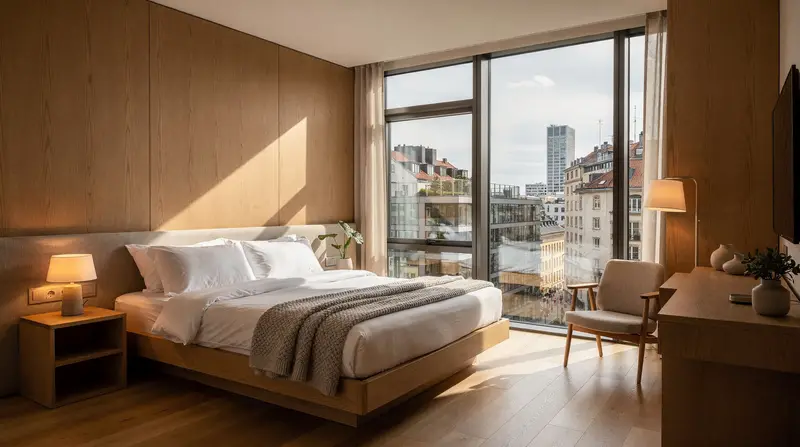
Frederiksberg: Quieter than Vesterbro, with larger apartment-style accommodation options available on booking platforms. Close to Frederiksberg Gardens for morning pram walks. Good supermarkets. Metro-accessible via Frederiksberg station (M1/M2).
Vesterbro: More central, more restaurant options at all budgets. Slightly noisier near the Meatpacking District at weekends — check hotel location within the neighbourhood.
Apartment rentals vs hotels
For stays of 4+ days with a baby or toddler, an apartment rental (via Airbnb or similar platforms) often makes more sense than a hotel. A washing machine alone is worth significant logistical value when travelling with a young child. Expect to pay 1 200–2 500 DKK per night for a 1-bedroom apartment in a central area. The full where to stay in Copenhagen guide covers specific hotels and neighbourhoods beyond the family-specific summary here.
Day-trips: when they make sense with a baby or toddler
Not every popular Copenhagen day-trip is worth attempting with a very young child, and being honest about this saves a frustrating day. Roskilde’s Viking Ship Museum has enough open indoor space and a harbourside setting that a pram-friendly visit works well, and the train journey (25 minutes) is short enough not to disrupt a nap schedule badly. Louisiana Museum of Modern Art, similarly, has spacious galleries and a garden with sea views where a toddler can move around without much risk of disturbing exhibits.
Kronborg Castle (Helsingør) is a longer round trip (about 1.5 hours each way including the walk from the station) and involves more stairs and uneven surfaces inside the castle itself — feasible with a baby in a carrier, harder with a pushchair. Malmö, similarly, is easy logistically (the train itself is smooth and pram-accessible) but adds a passport check and a full day away from your base, which is more disruption than most families with a baby will want. For a first Copenhagen trip with a very young child, Roskilde or Louisiana are the more forgiving choices; save Kronborg and Malmö for when the children are a little older, per the day trips from Copenhagen guide.
Essential packing for Copenhagen with a baby or toddler
- Portable changing mat — not always provided in smaller venues
- Rain cover for pushchair — Copenhagen rain is unpredictable; having it on hand is essential
- Layers for the child — even in summer, Copenhagen evenings drop to 12–15°C
- Reusable water bottle — tap water is excellent everywhere, reducing waste and cost
- Snacks — Danish food is excellent but finding quick toddler-appropriate snacks outside a bakery requires planning. Pack your standards.
- Small cash (5–10 DKK coins) for public toilets
- Sunscreen and a sun hat — summer days can be surprisingly bright, and UV at northern latitudes is underestimated
- A baby carrier in addition to (or instead of) a pushchair — several attractions and older buildings have stairs or tight spaces where a carrier is genuinely faster than folding and carrying a pram
- A weather-appropriate sleep sack or extra layer for naps outdoors — pram naps in parks are common in Copenhagen, and the temperature can drop faster than expected once the child is still
- A doorstop or travel safety kit if staying in an apartment rental — not all short-term rentals are baby-proofed the way a family-oriented hotel chain would be
Arriving with a baby: airport to hotel
Copenhagen Airport (Kastrup) is straightforward for families — lifts and ramps throughout, and the metro connection to the city centre takes 13–15 minutes. If you are travelling with a baby and checked pushchair, allow extra time at baggage claim, as oversized items (car seats, prams) are typically delivered to a separate oversized-baggage belt rather than the standard carousel. The airport to city centre guide covers the exact route and lift locations if you’d rather not improvise on arrival with a tired child.
Taxi versus metro with a baby: The metro is cheaper and just as fast, but a taxi (250–350 DKK) avoids navigating lifts and platforms with luggage, a pram, and a possibly overstimulated infant after a flight. For a late-night arrival or a particularly rough flight, the taxi premium is often worth it for the first journey; use the metro for the return trip once you’re rested and travelling lighter.
Frequently asked questions about Copenhagen with a baby or toddler
What is the age limit for free metro travel?
Children under 12 travel free on the Copenhagen metro and city buses with a paying adult. Children 12 and over pay child rate. This is a meaningful saving for families with multiple young children.
Is the Copenhagen Card worth it for a family with a baby?
It depends on your itinerary. The card covers 80+ attractions and unlimited transit. If the baby is under 10, they get in free everywhere — meaning the card’s value for a family is driven by the adult and older child tickets. For a 2-adult family with a baby under 3, the card saves transit costs and provides adult access to all museums. Calculate your specific plan.
Where can I buy nappies in Copenhagen?
Any Netto, Fakta, Bilka or Irma supermarket. Pampers and Libero are the most common brands. Expect to pay 80–150 DKK for a standard pack. Organic and eco-friendly nappies (Bambo Nature) are widely available in Denmark due to the country’s strong organic culture.
Is Tivoli suitable for babies?
The gardens and atmosphere are accessible to all ages. Most rides have minimum height requirements (typically 80–100 cm). A baby or very young toddler will enjoy the lights, colours and music without riding anything. Evening visits can be overstimulating for some children — know your child. Entry for under-3s is free.
Are there baby equipment rental services in Copenhagen?
Yes — some rental services offer pushchair hire, cot hire and other baby equipment for visiting families. Search for “baby equipment rental Copenhagen” before arriving; this avoids the hassle of travelling with bulky equipment. Babybees and similar services operate in the city.
What if my child gets sick in Copenhagen?
EU citizens with an EHIC card are covered at Danish hospitals for emergency care. Non-EU visitors should have travel insurance with medical coverage. For non-emergency situations, the medical helpline (1813) connects to Danish health services and has English-speaking staff. Pharmacies (apotek) are common in central Copenhagen and stock most standard children’s medications.
Planning your daily schedule with a baby or toddler
The sleep-window problem
The hardest part of sightseeing with a very young child is not the transport or the cost — it is the sleep windows. A baby or toddler on a 2-hour nap cycle effectively divides your day into 90-minute active windows. Working around this requires planning rather than fighting it.
Strategy: Build your day around the nap, not despite it. Schedule the most stimulating activities (Tivoli, aquarium, busy markets) for post-nap active periods. Use nap time for a café stop, a canal-side bench, or a slow walk through a park — activities that don’t require your full attention and can pause when the child wakes.
Pushchair napping: Many children nap well in a moving pushchair. A slow walk through Frederiksberg Gardens or along the harbour front — flat, relatively quiet, beautiful — is productive use of a nap hour. You cover ground and the child sleeps.
Feeding on the go
Toddler snacks: The bakery system works perfectly for toddler snacks. A kanelsnegl (cinnamon roll) is universally appealing to young children and costs 35–55 DKK. Most museum cafés stock basic children’s snacks. Supermarkets have everything.
Restaurant timing: Arrive at restaurants early — 11:30 for lunch, 17:30 for dinner (before the main crowd arrives). This gives you more space, faster service, and calmer surroundings. Danes eat early by Mediterranean standards — a 17:30 dinner reservation is completely normal in Copenhagen.
Self-catering for one meal: If your accommodation has kitchen access, making one meal a day (typically breakfast) eliminates a logistically complex restaurant visit and saves significant money. Buy from a supermarket the evening before.
Specific neighbourhood recommendations for families
Frederiksberg: the family-friendly base
Frederiksberg is slightly further from the historic sights but genuinely suited to families with young children. The Gardens are exceptional — flat, well-maintained, with a lake, rowing boats in summer (seasonal rental), and the kind of unhurried pace that suits pram walking. Frederiksberg’s supermarkets (Irma, Netto, Fakta) have everything. Hotels here tend to have slightly larger rooms than equivalent pricing in central Indre By.
Metro access: Frederiksberg station (M1/M2) connects directly to the airport (M2) and the city centre (M1 to Vanløse, M2 to Kongens Nytorv).
Islands Brygge: harbour swimming in summer
The islands Brygge Havnebadet (harbour bath) has a designated paddling area and child-safe pools. In summer (June–August), this is one of Copenhagen’s most enjoyable family experiences. The surrounding area (Islands Brygge neighbourhood) has good cafés and the Metro M2 Dronning Louises Bro stop is a short walk.
Vesterbro: best for stroller access and variety
Vesterbro’s streets are mostly paved and flat — better for strollers than the cobbles of Nyhavn or older Christianshavn. The neighbourhood has multiple options for feeding a family at different price points: bakeries, supermarkets, cafés with outdoor seating, and neighbourhood restaurants that are child-welcoming.
The Copenhagen Card for families with young children
For families with children under 10, the Copenhagen Card structure is particularly efficient: only adult tickets need to be purchased, children under 10 enter all attractions free and travel free on all transit.
For a 2-adult family with 2 children under 10 visiting over 2 days:
- 2 × 48h adult Copenhagen Cards: 939 × 2 = 1 878 DKK
- Children: free
Compare to individual tickets for 2 days of heavy museum-going:
- Blue Planet Aquarium × 2 adults: 179 × 2 = 358 DKK
- Tivoli × 2 adults: 200 × 2 = 400 DKK
- Rosenborg × 2 adults: 130 × 2 = 260 DKK
- Christiansborg × 2 adults: 110 × 2 = 220 DKK
- National Museum × 2 adults: 95 × 2 = 190 DKK
- Metro 48h × 2 adults: ~320 DKK
- Subtotal (without card): 1 748 DKK
The 48h family card costs 1 878 DKK — marginally more but includes additional museums and the flexibility of unlimited transit. Adding one more attraction (Experimentarium: 200 DKK, Cisternerne: 100 DKK) tips the scale firmly in the card’s favour.
For families with children under 10, the Copenhagen Card is almost always worth purchasing for a 2+ day visit.
Practical baby logistics in Copenhagen
Supermarket chains by quality tier
| Chain | Notes | Nappy availability |
|---|---|---|
| Irma | Premium, Danish-owned | Full range organic + standard |
| Netto | Budget, widespread | Standard brands (Pampers, Libero) |
| Fakta | Budget | Standard brands |
| Bilka | Large-format | Widest selection |
| Lidl | Budget | Limited but available |
Location tip: There is a Netto within 500m of virtually anywhere in the central area. The Netto on Nørregade (Indre By) and the Netto on Vesterbrogade (Vesterbro) are good reference points for central supply runs.
Pharmacies for children’s medication
Steno Apotek (near Copenhagen Central Station, Vesterbrogade 6C) is one of the few 24-hour pharmacies. Open around the clock, English-speaking staff. Most standard children’s medications (paracetamol syrups, electrolyte solutions, antihistamines) are available over the counter without prescription. Call 1813 (English-speaking medical helpline) for any health concerns that require professional advice before going to a pharmacy.
Frequently asked questions — Copenhagen with a Baby or Toddler: Practical Guide for Parents
Is Copenhagen pushchair-friendly?
Largely yes. The metro has lifts at all stations. Most museums have ramped access. Central streets are mostly paved and flat. The challenges: historic cobblestone streets in Nyhavn and parts of Christianshavn are harder to navigate with a pram, and some smaller cafés have tight spaces. A compact, manoeuvrable pushchair (not a travel system) is recommended.Are there baby-changing facilities in Copenhagen?
Most large museums, Tivoli, Torvehallerne market, and major shopping centres have dedicated changing facilities. Metro stations have accessible toilets but not all have dedicated changing tables. Carry a portable changing mat for flexibility. Public toilets generally cost 5–10 DKK — have coins or a card available.Can I breastfeed in public in Copenhagen?
Yes, without concern. Denmark has a very accepting attitude toward breastfeeding in public. You are unlikely to receive any negative reaction in any café, restaurant, park or museum. Nursing covers are optional and not expected.Are Copenhagen restaurants welcoming to babies and toddlers?
Generally yes. Most mid-range and family restaurants have highchairs. Smaller, trendier spots may have limited space or fewer highchairs — call ahead. Danish family culture is child-inclusive. The main exception is fine dining — a tasting menu restaurant is not suitable for a toddler regardless of attitude.What is the best neighbourhood to stay in with a baby or toddler?
Frederiksberg or Vesterbro. Both offer a central location, wider pavements, parks nearby, supermarkets for nappy supplies, and hotel rooms that tend to be slightly larger than Indre By equivalents. Frederiksberg Gardens is excellent for a morning pram walk.Can I take a pram on the Copenhagen metro?
Yes. All metro stations have lifts. Pushchairs and prams can travel in the designated spaces in each carriage. During peak hours (8:00–9:00 and 16:00–18:00) carriages can be crowded — aim for off-peak travel where possible. The metro runs 24/7, which is particularly useful for parents working around sleep schedules.