Copenhagen in 2026: the M-line, new openings, and ETIAS — what actually changed
I have been tracking Copenhagen’s urban changes for a while, and 2026 is genuinely one of the more interesting years to visit. Not because of some hyped event, but because several things that have been in construction for years are now operational — or nearly so. Here is what actually changed, why it matters, and what it means if you are planning a trip.
Copenhagen 2026 at a glance
| What changed | 2026 status | Why it matters |
|---|---|---|
| M4 metro | Nordhavn ↔ København H ↔ airport, plus Sydhavn branch | Direct airport-to-Nordhavn ride, around 22 minutes |
| ETIAS | Live for non-EU visa-free travellers | Around 7 EUR, apply at least 72 hours ahead |
| Copenhagen Card | 24h around 669 DKK, 48h around 879 DKK, 72h around 1,049 DKK | Still the logical pass for 3+ day sightseeing |
| Tivoli entry | Around 185–215 DKK adult | Up roughly 5–7% on 2025 |
| New openings | Torvehallerne third hall, Carlsberg Glyptotek satellite, CopenHill summer track | More reasons to reach Valby and Refshaleøen |
| Best months | May and September | Weather versus crowds is unchanged |
Prices are approximate and hedged — check a live source before you book, especially the krone-to-euro rate.
The M-line update: what is actually new in 2026
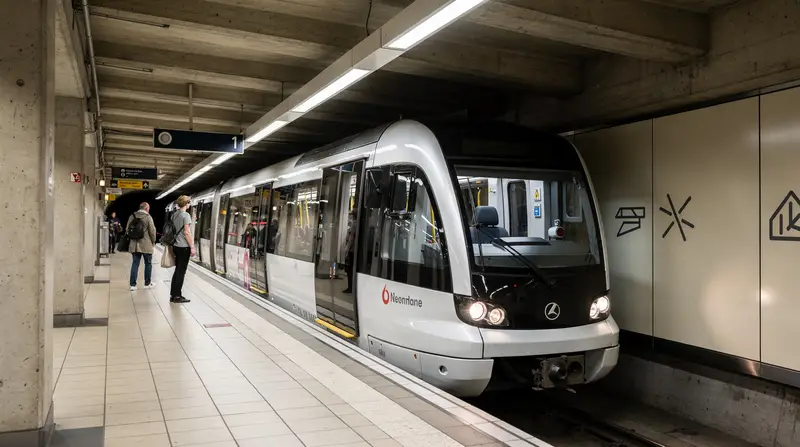
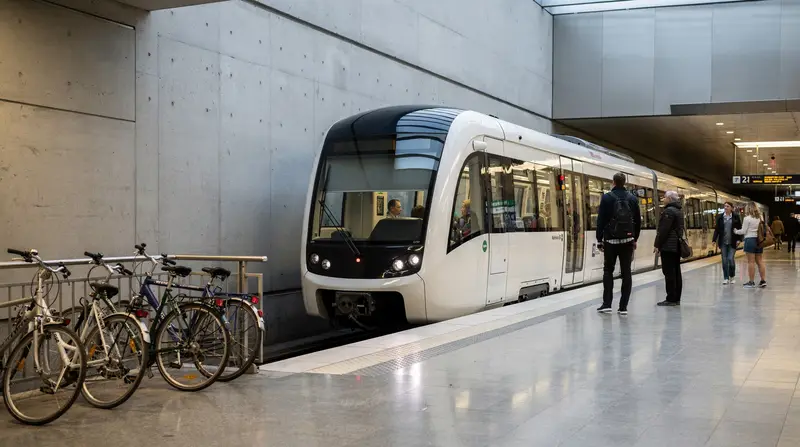
Copenhagen’s metro has been expanding methodically since the original M1/M2 opened in 2002. The M4 line, which connects Copenhagen Central Station to the harbour district of Nordhavn, was partially open in 2024, and the 2026 extension completes the picture.
What the M4 Nordhavn extension adds: The line now runs from Orientkaj (the eastern terminus in the Nordhavn harbour district) through Copenhagen Central (København H) and out to the airport, with a branch toward Sydhavn (the southern harbour). For visitors, this means you can travel directly from the airport to the Nordhavn district — one of the most interesting urban development areas in the city — without changing trains.
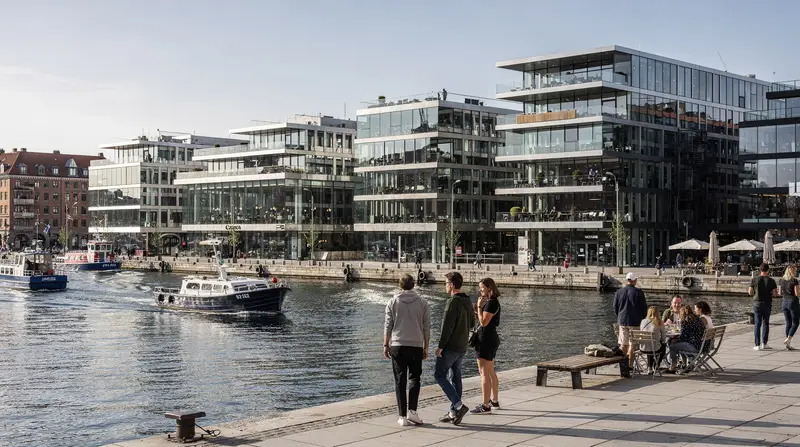
Previously, getting to Nordhavn required a bus or a deliberate effort. Now it is a direct metro ride. This matters if you are interested in Danish urban design (Nordhavn is a major case study in sustainable urban planning) or if you simply want to reach Reffen, the outdoor street food market on Refshaleøen, without navigating multiple connections.
Journey times from CPH Airport:
- To Copenhagen Central: approximately 15 minutes, 37 DKK (single)
- To Nørreport (Rosenborg, SMK, Torvehallerne): approximately 17 minutes
- To Nordhavn: approximately 22 minutes — previously this required a change
The Copenhagen Card covers all metro travel, which remains the most logical pass for visitors doing multiple attractions.
ETIAS: what non-EU visitors need to know for 2026
The European Travel Information and Authorisation System (ETIAS) has been repeatedly delayed, but the current implementation timeline puts it as operational in 2026 for Schengen-area entry. Denmark is a Schengen member, which means ETIAS applies to Copenhagen visits.
Who needs ETIAS: Citizens of countries that currently enjoy visa-free access to the Schengen Area — including the United States, Canada, Australia, the United Kingdom, and approximately 60 other countries. If you currently need a full Schengen visa, ETIAS does not apply to you (your existing visa process is unchanged).
What ETIAS is: It is a pre-travel electronic authorisation, similar to the US ESTA or Australia’s ETA. It is not a visa. You apply online before travel, pay a fee of 7 EUR, and receive an authorisation linked to your passport. It is valid for three years or until your passport expires, whichever comes first, and allows multiple trips within the Schengen Area.
How long it takes: The authorisation is usually processed within minutes to a few days. The recommendation is to apply at least 72 hours before travel, though most applicants receive approval much faster.
Practical impact on your Copenhagen trip: Minimal, provided you remember to apply in advance. If you are an American, British, or Australian visitor and this is your first Schengen trip in 2026, add “apply for ETIAS” to your pre-travel checklist alongside booking accommodation.
The official ETIAS application is through the EU’s website (travel-europe.europa.eu/etias). Avoid third-party sites charging higher fees for the same application.
New restaurant and cultural openings
Copenhagen’s restaurant scene has continued the post-pandemic recalibration that began in 2023. A few openings worth knowing about:
Torvehallerne expansion: The covered market at Nørreport has added a third hall, extending into the adjacent square. The original two halls remain among the best places in the city for a meal of smørrebrød components, fresh pastries, and coffee without tourist pricing. The expansion adds more prepared food stalls and a dedicated section for Danish producers.
Carlsberg City: The former Carlsberg brewery district in Valby continues its transformation into a mixed residential and cultural quarter. In 2026, the Carlsberg Glyptotek — a separate institution from the main Ny Carlsberg Glyptotek near City Hall — has opened a satellite exhibition space within the brewery district itself. Entry is approximately 125 DKK.
The CopenHill update: The artificial ski slope on the roof of the Amager Bakke waste-to-energy plant has upgraded its summer activities. In addition to skiing and snowboarding (year-round, artificial surface), the rooftop running track and outdoor climbing wall are now fully operational. Ski pass and gear rental through GetYourGuide if you want to book in advance.
CopenHill ski pass and gear rentalWhat is changing with the Copenhagen Card in 2026
The Copenhagen Card — which covers entry to over 80 attractions and all public transport — has updated its attraction list for 2026. Key changes:
- The Louisiana Museum of Modern Art (Humlebæk) remains covered, which is significant given its 155 DKK individual entry price
- Den Blå Planet (the national aquarium) now has extended family-package options via the card
- Several smaller museums that were previously excluded have been added to the card’s coverage
The adult 24-hour card runs approximately 669 DKK in 2026; the 48-hour card is around 879 DKK; the 72-hour card is around 1,049 DKK. The card calculates as worthwhile if you visit two or three major paid attractions plus use public transport extensively. For stays of 3+ days with heavy sightseeing, it consistently pays off.
What has not changed (and some of this is good news)
Cycling infrastructure: Copenhagen remains the most functional cycling city in Europe for tourists. The city added another 12 kilometres of separated cycle track in 2025-26. Bike rental options have expanded, and the municipal Donkey Republic system now covers more pickup points.
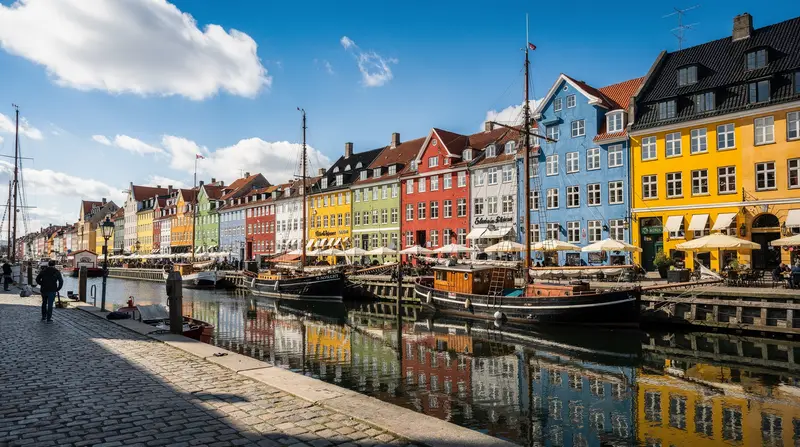
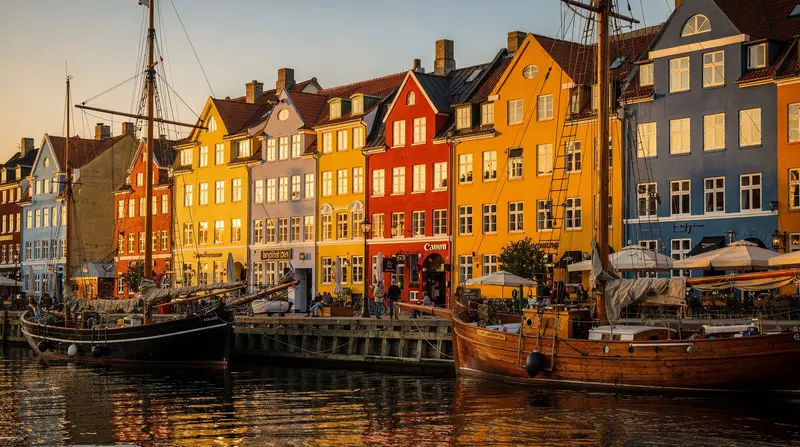
Nyhavn: Still colourful, still overpriced on the tourist-facing side, still beautiful at 8am before the coaches arrive. Nothing has changed here and nothing is likely to.
Tivoli pricing: Entry costs have increased approximately 5-7% in line with general Danish inflation. Expect around 185-215 DKK for adult entry to the summer season.
The weather: Still reliably unpredictable. May and September remain the best months for combining reasonable weather with manageable crowds. This has not changed.
A note on prices in 2026
Denmark runs on the Danish krone (DKK), not the euro. The approximate exchange rate in mid-2026 is around 7.4 DKK to 1 EUR and around 6.8 DKK to 1 USD — but check a live rate before travel.
Copenhagen is expensive. A sit-down lunch for two at a mid-range restaurant is 350-500 DKK. A coffee is 50-70 DKK. A beer in a bar is 75-100 DKK. A metro single ticket is 37 DKK. Budget accordingly — this is not a city where a few of the usual budget tricks cover the gap. The Copenhagen on a budget guide covers realistic options in detail.
The bottom line for 2026 visitors
The M4 Nordhavn extension is the single most useful practical change — it makes the northern harbour district genuinely accessible by public transport for the first time. ETIAS is administrative overhead that most visitors will handle with five minutes online before departure. The restaurant scene is maturing, not transforming. The city is broadly the same excellent destination it has been, now with slightly better metro connectivity and a minor paperwork step for non-EU arrivals.
If you have been considering a Copenhagen visit and waiting for the right year, 2026 is as good as any. The infrastructure improvements are real; the crowds have not spiked; and the city’s core attractions — the canals, the cycling culture, the food, the museums — are unchanged.
Planning around the 2026 changes
The practical takeaway is that very little of this requires you to rethink a trip you were already planning. The M4 extension slots neatly into the existing network — the Copenhagen metro guide covers how the lines connect, and the getting around Copenhagen guide puts the metro in context with the buses, harbour ferries, and bikes you will actually use day to day.
ETIAS is the one genuinely new administrative step for non-EU visitors, and it is worth handling early. Our ETIAS for Denmark explainer walks through who needs it and how the application works. On the money side, the updated attraction list makes the Copenhagen Card worth-it analysis the first thing to read before you buy any individual tickets.
If the Nordhavn connection is what draws you east, the Reffen street food guide and the Refshaleøen district page explain what is actually out there once the metro drops you off. And if this is your first trip, the first-time Copenhagen guide ties the logistics together.
When the 2026 improvements matter most
| Season | Weather | Crowds | What the changes add |
|---|---|---|---|
| Spring (Apr–May) | Cool, brightening, unpredictable rain | Building | Reffen reopens in April via the new M4 stop |
| Summer (Jun–Aug) | Mild, long daylight | Peak | CopenHill rooftop track and harbour life at full tilt |
| Autumn (Sep–Oct) | Crisp, changeable | Easing after mid-September | Best weather-to-crowd ratio; Louisiana still on the card |
| Winter (Nov–Mar) | Cold, dark, short days | Low except Christmas | Metro night service and indoor museums come into their own |
For a fuller month-by-month view, the best time to visit Copenhagen guide breaks down each season in detail.
Frequently asked questions about visiting Copenhagen in 2026
Do I need ETIAS to visit Copenhagen in 2026?
If you are from a visa-free country such as the US, UK, Canada, or Australia, yes — ETIAS applies to Denmark as a Schengen member. It is a quick online pre-authorisation costing around 7 EUR, valid for three years, and separate from any visa process. Apply at least 72 hours before travel through the official EU site, not a third-party reseller. See the ETIAS for Denmark explainer for the full process.
Is the new M4 metro line useful for tourists?
For most visitors staying centrally, the M2 remains the fastest airport link. The M4 matters if you want to reach Nordhavn or Refshaleøen — including Reffen street food — directly, without a bus transfer. It also adds the Sydhavn branch to the south. The Copenhagen metro guide shows how it all connects.