Nyhavn: When to Visit (and When to Avoid the Crowds)
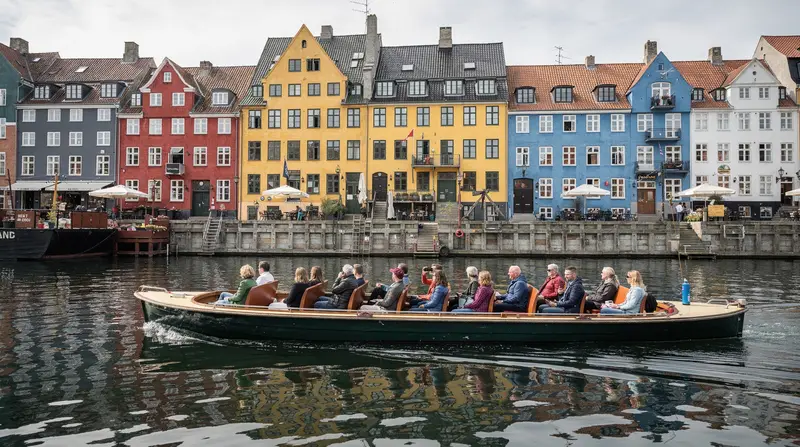
Copenhagen: Electric Canal Tour with Guide and Hot Drink
Duration: 1 hour
- Free cancellation up to 24 hours before (most activities)
- Ticket on your phone
- Last-minute booking possible
When is the best time to visit Nyhavn in Copenhagen?
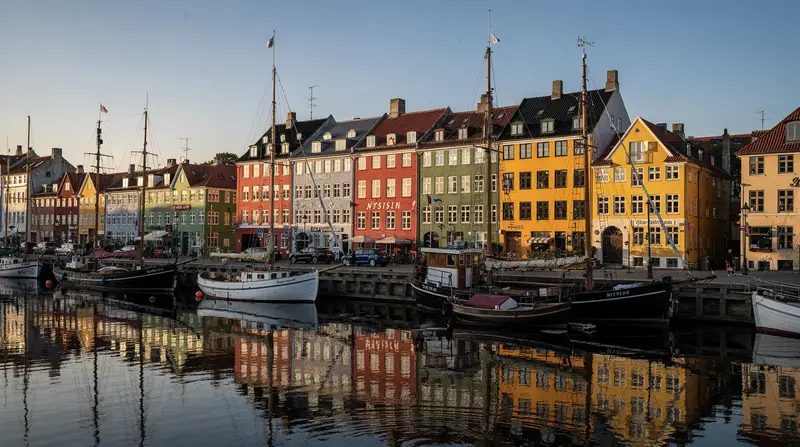
Before 10am in summer — between 7am and 9:30am on a weekday, the coloured houses reflect in the canal, the boats are still, and you will have the area largely to yourself. After 11am in July and August it becomes one of the most crowded tourist corridors in Scandinavia. Off-season (October–March) is genuinely beautiful and calm, particularly in December for the Christmas market atmosphere.
Nyhavn’s timing problem
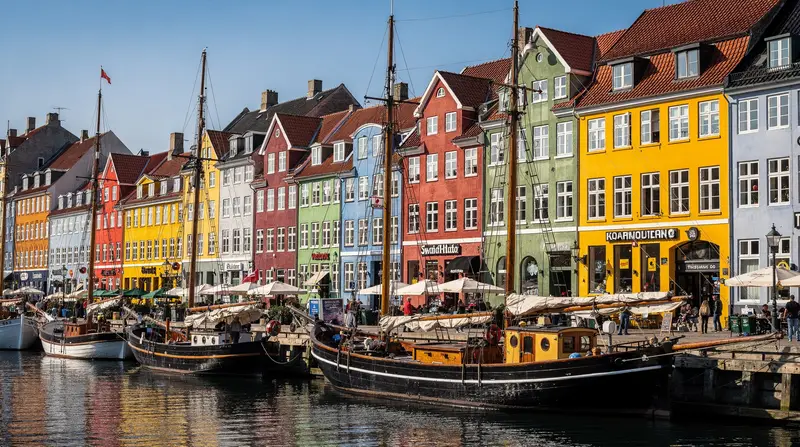
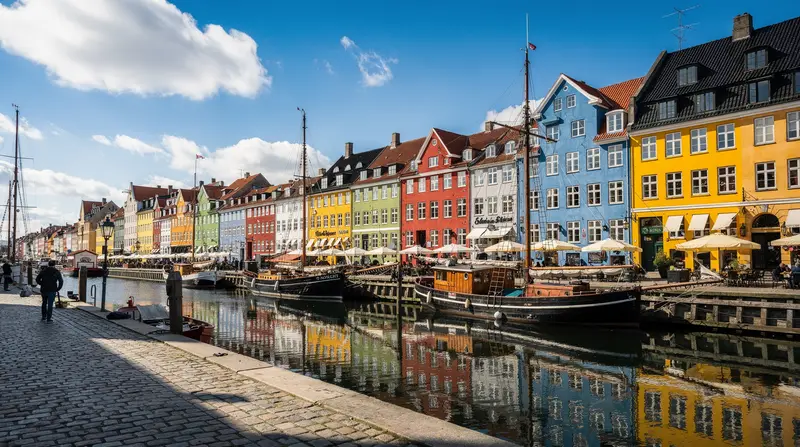
Nyhavn is Copenhagen’s most photographed location — a 400-metre canal lined with 17th and 18th-century buildings painted in ochre, red, blue, and terracotta, with old wooden schooners moored along the quay. The photographs that appear in every Copenhagen travel guide and Instagram reel are real; the scene genuinely looks like that.
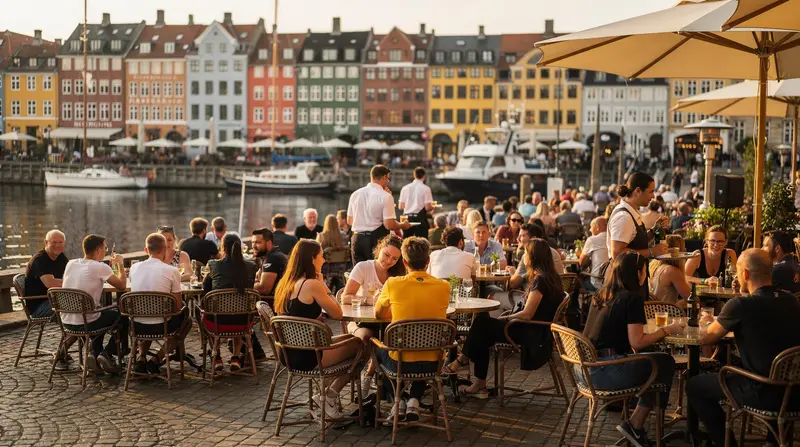
What the photographs do not show: the 200–500 people also standing on the south quay between 11am and 6pm in summer, doing the same thing.
The good news: the crowd problem is timing-dependent, not inherent. Visit at the right time and you will find exactly what the photographs promise.
| Where | 400m canal at Kongens Nytorv, eastern edge of Indre By |
| Cost | Free to walk; skip the waterfront restaurants (see our full Nyhavn guide) |
| Time needed | 30–45 minutes done right |
| Best time | 7:00–9:30am, or 8:30–10:30pm in summer |
| Worst time | 11:30am–6pm, July–August |
For the full neighbourhood context beyond timing — restaurant prices, canal cruise details, what’s nearby — see the complete Nyhavn guide.
The crowd pattern through the day
Understanding when tourists arrive lets you navigate around them:
| Time | Crowd level (summer July/Aug) | Notes |
|---|---|---|
| 6:00–8:30 | Very low | Local joggers, early hotel guests, near-solitary |
| 8:30–10:00 | Low | Some groups, but the quay is easily walkable |
| 10:00–11:30 | Building | Guided walking tours arriving, tables filling |
| 11:30–14:00 | Peak | The Nyhavn experience most visitors know |
| 14:00–18:00 | Peak sustained | Continuous through afternoon, lunch tables turning to drinks |
| 18:00–20:00 | Slightly easing | Evening visitors replace day visitors |
| 20:00–22:00 | Lower | Mainly restaurant-goers, the canal lights begin |
| 22:00+ | Quiet | Bars open, but tourist footfall gone |
The ideal windows in summer: 7:00–9:30am for photography and the quiet canal experience. 8:30–10:30pm for evening atmosphere — warm, lit, with canal reflections, significantly calmer than the afternoon peak.
Early morning: the best Nyhavn experience
Between 7am and 9:30am on a summer weekday, Nyhavn is a different place. The light is good (east-facing canal catches morning sun), the water is typically calm, and the reflected colours of the buildings are at their most vivid.
What to expect:
- The south quay (photogenic, coloured-house side) is nearly empty
- Boats creak quietly in the water
- A few locals walk through with coffee
- Most tourist restaurants are not yet open — the café opposite at Nyhavn 17 typically serves breakfast early
- Street cleaning happens around this time — you may find the quay washed and clean
This is the experience the photographs depict. It is available every morning. It requires only an alarm clock.
Practical: If you are staying near the centre, set an alarm for 6:45am, walk or cycle to Nyhavn (most central hotels are within 15 minutes), spend an hour, and return for hotel breakfast before the morning program. The rest of your day is not compromised, and you have seen the real Nyhavn.
Off-season Nyhavn: an entirely different experience
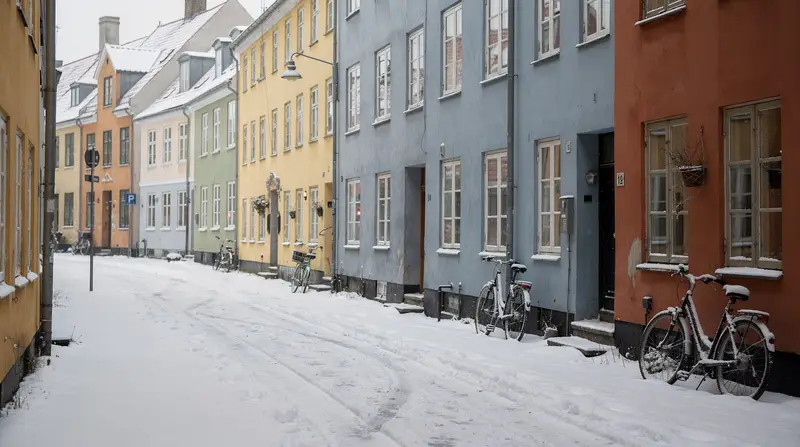
Copenhagen’s shoulder season (October–April) reduces tourist volume dramatically. Nyhavn in October or November is quieter, moodier, and frankly more interesting to walk through.
Nyhavn in winter specifics:
- Crowds: 80–90% reduction compared to July peak
- Atmosphere: fog over the canal, warm lights from restaurant windows, winter coats
- Cold: 0–6°C in January–February, wind chill considerable on the quay
- Ice: In cold winters (not every year), the canal freezes — a striking visual that photographs perfectly
- Christmas (December): Nyhavn has a small Christmas market and festive lighting, far calmer than Tivoli’s, more neighbourhood-feeling
The argument for winter Nyhavn: You see the canal as Copenhageners see it — part of daily life, not a tourist set. The pace is completely different. Winter light at 3pm (sunset) is dramatic and unusual for visitors from lower latitudes.
If you are visiting in the shoulder months, Copenhagen in spring and autumn explains how the weather and the daylight shape a day outdoors, which helps when you are deciding whether to put the canal first or last. A cold, bright morning is often the best case for Nyhavn: the air is clear, the quay is calm, and a warm café afterwards feels earned. If the wind is up, the canal-side walk is more pleasant as a short loop than as a long stroll, so keep it brief and move on to somewhere indoors.
Winter is also a good moment to see the harbour from the water without the summer queues. Heated or covered boats make the trip comfortable, and an Electric canal tour with hot drink is the kind of option that suits a cold afternoon when you would rather not stand on the quay.
Evening Nyhavn and the long summer light
The second good window in summer is the evening, once the day-trippers have thinned out and the lights come on along the canal. In high summer the sky stays bright late, which is why the evening visit works so well for people who cannot manage the early alarm. For how the long northern evenings change the shape of a day in the city, read Copenhagen’s northern summer nights.
Treat the evening as a walk, not a meal. The waterfront restaurants are the same ones that are busy at lunch, and the atmosphere is better enjoyed with a slow loop of the quay and a drink or a bite somewhere less exposed. If you want ideas for where to eat afterwards, best restaurants in Copenhagen and smørrebrød guide are better starting points than the first table you see on the water.
Reading the weather and the calendar
A few simple habits make the timing easier to get right:
- Check the day of the week. Weekdays are generally calmer in the early morning than weekends, when the quiet window can close sooner.
- Look at the sky the night before. A clear morning gives the best colour on the facades; an overcast one flattens the light but keeps the crowds away.
- Watch for cruise-ship and tour-group days. When the city feels busy at breakfast, the quay will be busy by mid-morning. Moving your visit earlier is the only reliable answer.
- Keep a backup plan. If the quay is packed when you arrive, do not wait it out. Move on and come back later in the evening or the next morning.
For the neighbourhood around the canal, the Nyhavn destination page and the Indre By guide show what is within a short walk, so a crowded quay never leaves you without somewhere good to go.
The photogenic side vs the restaurant side
Nyhavn has two sides:
South quay (sunny/photogenic side): The row of coloured buildings you see in every photograph. Pedestrian path, restaurants at street level, the old wooden boats moored in front. This is where most tourists walk.
North quay (shady side): Less photographed, has a different collection of buildings (less uniformly coloured), faces south so gets less sun. Less interesting architecturally, but sometimes useful if the south quay is overcrowded and you need to move through.
For photographs: the south quay, from the water end of the canal looking inland, or from the opposite (north) quay looking across the water at the coloured buildings.
A Nyhavn morning routine
Here is a practical morning structure that gets the best of Nyhavn without sacrificing the rest of your day:
7:00am: Walk to Nyhavn (cycling quicker but walking lets you wake up gradually)
7:00–8:30am: Walk the south quay. Photograph from the canal end. Walk to the street end (Kongens Nytorv) and back. The boats, the water, the buildings. No rush.
8:30am: Coffee — a coffee shop on Kongens Nytorv opens early, or the Nyhavn café.
9:00–10:00am: Walk from Nyhavn toward Torvehallerne via Strøget — 25 minutes, passing Amagertorv and the historic centre. Torvehallerne opens at 10am on weekdays.
10:00–11:00am: Breakfast or late morning food at Torvehallerne — one of the best food halls in Copenhagen. Multiple stalls: fresh bread, pastries, open sandwiches, coffee.
The rest of your day starts well-positioned in Nørreport, near multiple Metro stations, with Nyhavn already done at its best.
If you would rather build the whole day around this early start, Copenhagen in one day shows how a first morning at the canal fits into a full city day, and the Torvehallerne market guide covers what to eat once you get there. From Nørreport, the Round Tower and Rosenborg Castle are natural next stops, so the morning keeps its momentum rather than ending at the canal.
Canal cruise from Nyhavn: worth doing
The canal cruise is one of the genuinely excellent ways to experience Copenhagen from the water. Cruises depart from Nyhavn harbour (and from Gammel Strand — see which has better timing for your schedule).
The 1-hour guided cruise passes:
- The Opera House (designed by Henning Larsen, completed 2004)
- Christiansborg Palace from the water
- Christianshavn canal
- The Black Diamond (Royal Library extension)
- Kalvebod Wharf new harbour development
- Back to Nyhavn
This gives you the geography of the entire harbour and canal system in one hour, with a guide explaining what you are seeing. It is one of the best investments of time in Copenhagen.
Copenhagen Canal Cruise with GuideTiming matters on the water too. A cruise in the quieter part of the day is more relaxed than one in the afternoon rush, and the boats feel less crowded when you are not competing with a tour group for the best seats. If you want to compare operators, departure points and boat types before choosing, best canal tours in Copenhagen and the Copenhagen by boat guide go through the options in more detail.
What not to do in Nyhavn
Do not eat at the first restaurant with an empty table. Every table with an immediate vacancy on the Nyhavn waterfront at noon is empty for a reason — it is the most expensive and least good option available. Walk two minutes to a side street for better food at lower prices.
Do not visit 11am–5pm in July if you can avoid it. The experience is not proportionate to what the photographs promise.
Do not feel obligated to stay long. Nyhavn is a place to walk through, photograph, and experience — not to spend half a day. 30–45 minutes done correctly (early morning, good light, quiet) is sufficient and memorable. Three hours in the afternoon crowd is frustrating and forgettable.
Do not take the Hop-On Hop-Off bus directly to Nyhavn and call it done. The bus arrives in Nyhavn at the same times as every other bus — peak hours. You see it at its worst.
Do not treat Nyhavn as the only stop. Several genuinely overrated Copenhagen sights follow the same logic — see Copenhagen tourist traps and what to skip in Copenhagen for the broader picture, and best time to visit Copenhagen for how Nyhavn’s crowd pattern fits the wider seasonal picture.
Frequently asked questions about when to visit Nyhavn
What time does the sun hit the Nyhavn coloured buildings?
The south quay (photogenic coloured-house side) faces roughly east. Morning light from around 7am hits the buildings at a warm, low angle. By noon, the sun is high and the light is flat. Late afternoon has reasonable light from the west reflecting off the buildings. The “golden hour” morning light is the most photogenic window for this specific facade.
Is Nyhavn beautiful in rain?
Surprisingly yes — the wet cobblestones reflect the building colours, the canal looks moody, and the crowd drops significantly. Rain in Copenhagen is usually short duration rather than all-day; if you happen to be near Nyhavn during a rain shower, it is worth pausing to watch.
Are there boats to hire on the Nyhavn canal?
Not directly at Nyhavn — GoBoat rentals operate from the nearby Islands Brygge and Paper Island areas. The canal cruises from Nyhavn are guided group experiences. Private boat rentals can be arranged from several operators in the harbour. See our GoBoat guide for details.
What is the history of Nyhavn?
“New Harbour” was completed in 1673 to connect the city to the sea — a 400-metre channel dug at the order of King Frederick III. For its first two centuries, it was a working sailors’ harbour: taverns, brothels, and rooming houses for dock workers and merchants. Hans Christian Andersen lived here at three different addresses — Nyhavn 20, 67, and 18 — during different periods of his life. The clean, tourist-facing Nyhavn of today was gentrified from the 1970s onward; before that, it had a significantly rougher reputation.
Is Nyhavn photogenic in all seasons?
Yes, differently. Summer: bright colours and reflections. Autumn (October): fewer crowds, muted light, fallen leaves. Winter: frost, potential ice, Christmas lights from December. Spring (April–May): tulips in the planters, first warm days bringing outdoor seating. Each season has its character. Summer is most photographed but not necessarily most pleasant.