Copenhagen Food Tours: Which One Is Worth Booking (Honest Comparison)
Copenhagen: A Taste of Denmark Tasting Tour
Duration: 4 hours
Why a food tour in Copenhagen works differently than in other cities
Copenhagen is one of the most food-significant cities in the world, and that creates a specific problem for the independent visitor: the gap between where tourists default to eating and where the food is actually good is unusually wide.
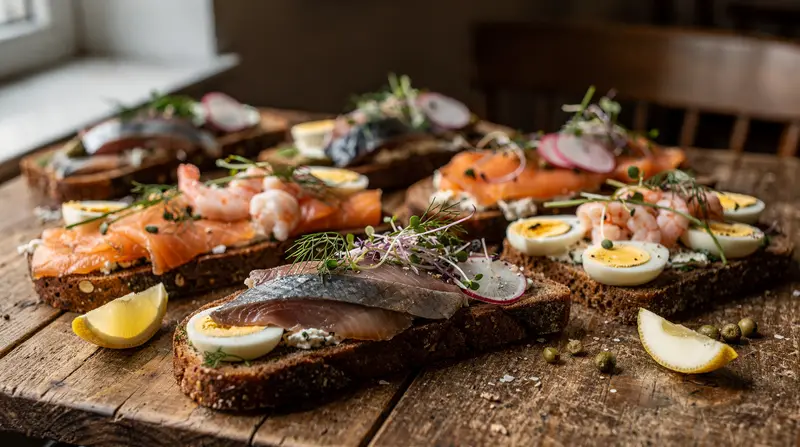
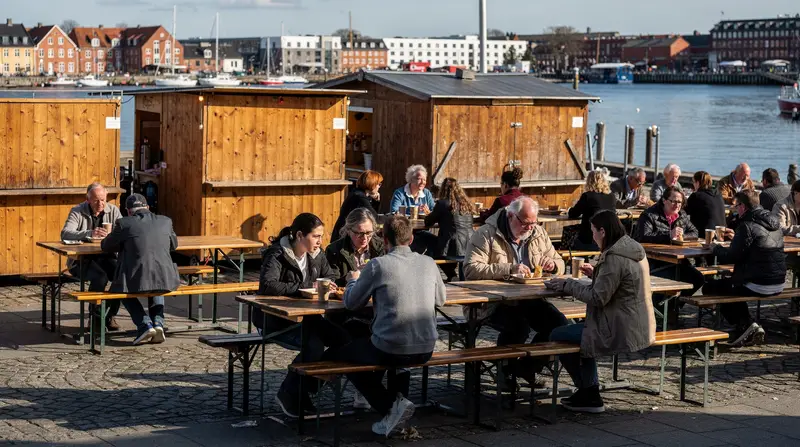
Nyhavn looks beautiful. The restaurants directly on the canal charge 250–400 DKK for a mediocre meal you could replicate for 60 DKK at a market stall 200 metres away. Torvehallerne market is excellent but overwhelming if you do not know which stalls to prioritise. The smørrebrød tradition is specific enough that ordering from a pålæg menu without guidance often produces a random rather than curated result.
A good food tour solves this by bringing the context the food needs: why rye bread is used, what pålæg means, what a restaurant with a Michelin star does differently than its neighbours, and why the New Nordic movement happened in Denmark specifically. The food is better when you understand what you are eating.
That said, a food tour is not always necessary. If you are a confident food traveller who will spend time researching restaurants, the smørrebrød guide, the market guide, and the New Nordic restaurant list cover much of the same ground independently.
At a glance
| Detail | What to expect |
|---|---|
| Formats | Taste of Denmark, 6+ tastings classics, Modern City, New Nordic with meal |
| Cost | 500–900 DKK per person, food and drink included |
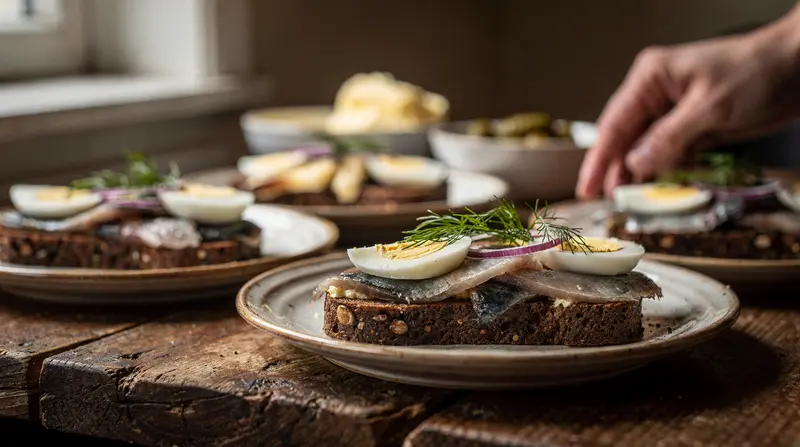
| What you eat | Smørrebrød, rye bread, pastry, pickled herring, cheeses; markets and Nordic plates on modern tours |
| Duration | 3–4 hours |
| Diet | Vegetarian options on request; Danish food is meat- and fish-heavy |
| Best for | First-timers wanting context before eating independently |
The tours compared
A Taste of Denmark — Danish classics food tour
A Taste of Denmark Tasting TourDuration: 4 hours.
Price: 500–600 DKK per person, food and drink included.
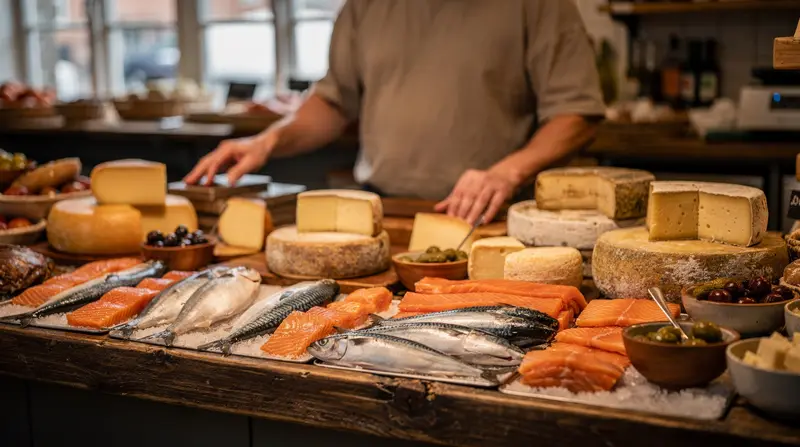
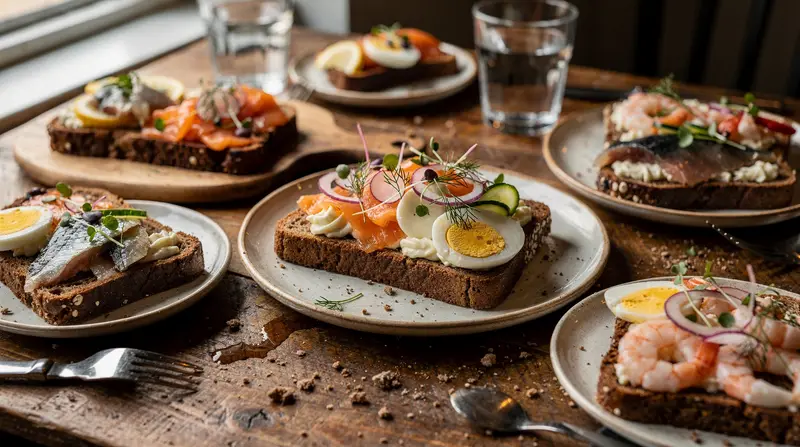
Format: Guided walking tour through central Copenhagen with stops at traditional food producers — typically including smørrebrød, Danish rye bread, pastry from a traditional bakery, aquavit or craft beer, and a selection of local cheeses and cured products.
Honest assessment — The best starting point for most visitors. This tour is structured around understanding Danish food culture rather than showcasing innovation. The guide connects each tasting to its context: why smørrebrød is built the way it is, how the rye bread tradition developed, what makes a genuine wienerbrød different from the versions exported globally. For a first visit to Copenhagen, this framework is valuable. The tastings are generous enough to constitute a meal.
Who it suits: First-time Copenhagen visitors, food generalists who want cultural context alongside the food itself, and visitors who want a structured introduction before exploring markets and restaurants independently.
Who it doesn’t suit: Visitors who have already spent time in Denmark and are familiar with the traditional food culture, and dedicated food enthusiasts who want restaurant-quality food rather than a market-and-stall format.
Food tour with 6+ tastings of Danish classics
Copenhagen Food Tour with 6+ Tastings of Danish ClassicsPrice: Comparable to the Taste of Denmark tour, sometimes slightly higher.
Format: Similar walking format with a higher number of discrete tasting stops — six or more stations versus the Taste of Denmark’s varied but fewer stops.
Honest assessment — More stops, comparable depth. The appeal here is volume and variety: more distinct tastings means broader coverage of Danish food categories. The trade-off is that with more stops, the pacing at each location may be compressed. Good for visitors who want to try as many things as possible; less ideal if you want extended conversation at each stop.
Practical note: Six tastings in four hours means roughly 30–40 minutes per stop including travel. Check operator reviews for pacing — some visitors find this rushed in peak season when stops are busy.
Modern city food tour
Copenhagen Modern City Food TourPrice: 500–700 DKK per person.
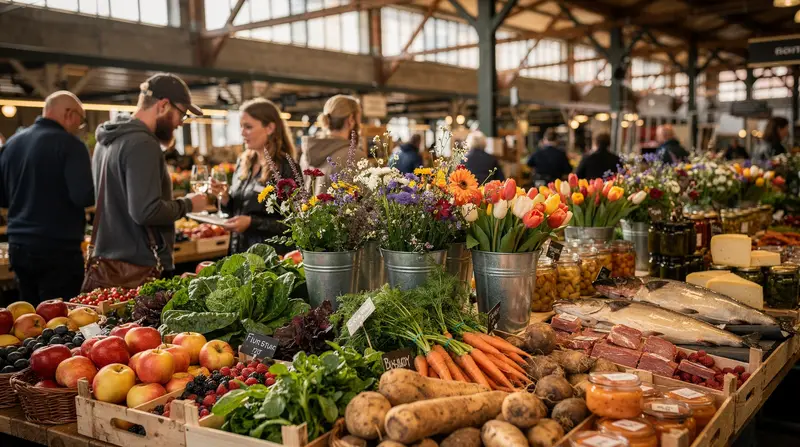
Format: A food tour that combines traditional Danish elements with contemporary Copenhagen food culture — street food markets (Reffen, Torvehallerne), craft beer bars, and more modern preparations alongside the smørrebrød and pastry.
Honest assessment — Good for visitors who want contemporary Copenhagen rather than historic Denmark. Copenhagen’s food scene in 2026 is not primarily traditional. The markets, the craft beer bars, the natural wine shops, the smash burger spots that somehow earned Michelin recognition — this tour covers the city’s current food identity rather than its historical food culture. If you are more interested in where Copenhagen eats now than in what Danes ate in 1950, this is the better choice.
Who it suits: Returning visitors to Copenhagen, food-forward travellers who know the classics already, visitors in their 20s–40s who are comfortable in market and street food environments.
New Nordic food tour with tastings and meal
Copenhagen New Nordic Food Tour with Tastings and MealDuration: 4 hours.
Price: 700–900 DKK per person.
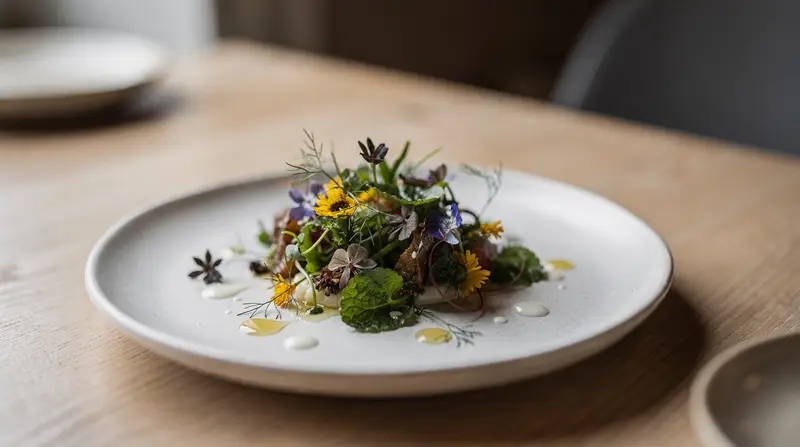
Format: A guided tour that moves through New Nordic-influenced establishments, culminating in a proper sit-down meal at a restaurant operating in the New Nordic style. Commentary covers the movement’s origins, the role of Noma, fermentation and preservation techniques, and the specific seasonal and regional sourcing that characterises the cuisine.
Honest assessment — The most culinarily ambitious option, and priced accordingly. This is not a snack tour. The included meal moves this into full dining territory at a price that reflects that. For serious food travellers, the value is the guided access to restaurants that are harder to navigate without local knowledge, plus the explanatory framework that distinguishes technique and philosophy across stops.
Who it suits: Food enthusiasts who want to understand the New Nordic movement in context, diners who would otherwise be spending similar money at a restaurant anyway, visitors for whom Copenhagen’s food scene is a primary reason for the trip.
Who should skip it: Budget-conscious visitors, casual food tourists who want variety over depth, and anyone who is not already interested in the New Nordic movement.
Tour vs DIY: what you can and cannot replicate
What you can replicate independently:
- Smørrebrød: Torvehallerne market has excellent smørrebrød stalls at reasonable prices. The smørrebrød guide covers the best specialist restaurants.
- Pastry: Any good bakery in Vesterbro or Nørrebro is better than the tourist-facing bakeries near Nyhavn.
- Market food: Reffen street food market is the best single food destination in Copenhagen and requires no tour.
What the tour adds:
- The explanatory context — knowing what you are tasting and why it is made this way.
- Guided access to producers and establishments that are not easily found without local knowledge.
- The social format — particularly valuable for solo travellers or couples who want conversation alongside the food.
- The curation — not spending time in the wrong places on a limited trip.
If your Copenhagen trip is food-focused, a food tour on day one followed by independent eating on subsequent days is a strong combination. The tour sets up your palate and reference points; the remaining days let you act on them.
For a comprehensive comparison of food tour options, see the best food tours in Copenhagen guide. For independent eating recommendations across all price points, see best food in Copenhagen.
Which food tour fits which eater
The four tours are not competing quality tiers — they serve different appetites. Pick by what kind of Copenhagen you want to taste: the traditional food culture, the market-driven present, or the chef-led New Nordic movement.
| Tour | Style | ~Price DKK | Best for |
|---|---|---|---|
| Taste of Denmark | Traditional classics | 500–600 | First-timers wanting cultural context |
| 6+ tastings classics | More stops, same tradition | 500–650 | Variety-seekers who want to try a lot |
| Modern City | Markets and contemporary | 500–700 | Returning, food-forward visitors |
| New Nordic with meal | Chef-driven, sit-down | 700–900 | Serious food travellers |
For a first visit, the traditional classics tour gives you the reference points — start there, then act on them independently over the following days. The smørrebrød guide, Copenhagen bakeries and pastry guide and Torvehallerne market guide cover the classics on your own; Reffen street food market is the best single stop for the contemporary scene.
If it is the New Nordic story you are chasing, read New Nordic cuisine explained and Noma and fine dining in Copenhagen before deciding whether the meal tour is worth the premium.
Compare alternative tours
Frequently asked questions — Copenhagen Food Tours: Which One Is Worth Booking (Honest Comparison)
How much does a food tour in Copenhagen cost?
Food tours in Copenhagen typically run 500–900 DKK per person, with the food and drink included. The Taste of Denmark tour is around 500–600 DKK. The New Nordic food tour with a full meal runs 700–900 DKK per person. Prices change — verify at booking.What food do you eat on a Copenhagen food tour?
It depends on the tour. Danish classics tours include smørrebrød (open sandwiches), pølser (sausages), Danish pastry (specifically wienerbrød, not the cinnabon version), pickled herring, and local cheeses. Modern city food tours may add street food market stops, craft beers, and contemporary Nordic preparations. New Nordic tours focus on seasonal, locally sourced dishes in the style of Copenhagen's restaurant scene.Are Copenhagen food tours worth it?
For visitors who want a structured introduction to Danish food culture with guidance on what they are eating and why, yes. The guided format means you visit places a local knows rather than the first restaurant visible from Nyhavn, and the commentary provides context that changes how the food reads. For experienced travellers comfortable navigating food markets independently, the savings from self-guided eating are significant.How long do Copenhagen food tours last?
Standard food tours run 3–4 hours. The New Nordic food tour with a full meal can run 4 hours. Plan for a late lunch or early dinner timing — most food tours operate mid-morning to mid-afternoon.Can vegetarians do a Copenhagen food tour?
Most operators offer vegetarian options if requested in advance, but Danish food culture is heavily meat and fish-centred. The New Nordic food tours are generally more vegetarian-friendly than the traditional Danish classics tours, as New Nordic cooking emphasises vegetables and seasonal produce alongside proteins. Contact the operator before booking to confirm what adjustments are possible.What is the difference between a Danish classics food tour and a New Nordic food tour?
Danish classics tours focus on traditional food culture: smørrebrød from specialist pølse shops and delis, pastry from traditional bakeries, pickled fish, rye bread. New Nordic tours focus on the contemporary Copenhagen restaurant movement that emerged from Noma — seasonal, regional, fermented, plated with precision. They are two different dining cultures: one rooted in everyday Danish eating habits, the other in chef-driven innovation.Should I eat before a Copenhagen food tour?
No. The tastings on a standard 3–4 hour tour add up to the equivalent of a full meal, and the New Nordic tour includes an actual sit-down meal. Arrive hungry. A light breakfast is fine, but a full meal beforehand means you waste both the food and the money.Do Copenhagen food tours include drinks?
Most include a drink or two — often a craft beer, aquavit or coffee paired with the food — as part of the price. Additional alcoholic drinks are usually extra. Check the specific tour listing, and mention in advance if you would prefer non-alcoholic pairings.