Copenhagen Craft Beer Tour — City Centre Beerwalk Review 2026
Copenhagen Craft BeerWalk City Center
Duration: 2.5 hours
Copenhagen’s Craft Beer Scene — Why It Exists and Why It Matters
Copenhagen did not invent craft beer, but it produced the brewery that arguably changed how Europe thinks about it. Mikkel Borg Bjergsø founded Mikkeller in 2006 as a nomadic brewery — no production facility, just recipes brewed under contract at established breweries across Europe. The resulting IPAs, sours, pastry stouts, and experimental one-offs were unlike anything Scandinavian drinkers had seen from mainstream lagers. Mikkeller now has 50+ bars globally, a brewing facility in Copenhagen, and has influenced dozens of Nordic breweries that followed its model.
The city that grew up around this movement has a genuine concentration of quality: Nørrebro Bryghus, To Øl, Dry & Bitter, Brus, Fermentoren, Mikkeller Bar, Brus — breweries and taprooms within walking or cycling distance of each other in central and north Copenhagen. A craft beer tour is not manufactured tourism; it is a structured entry into a scene that independent exploration would take weeks to navigate.
At a glance
| Detail | What to expect |
|---|---|
| Formats | City-centre walk, Vesterbro Mikkeller walk, Nørrebro walk, Craft Beer and Bites |
| Cost | ~650–1,100 DKK per person, tastings included |
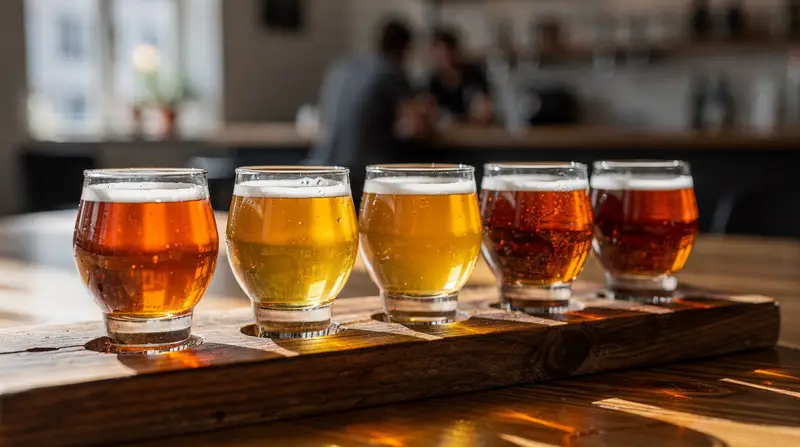
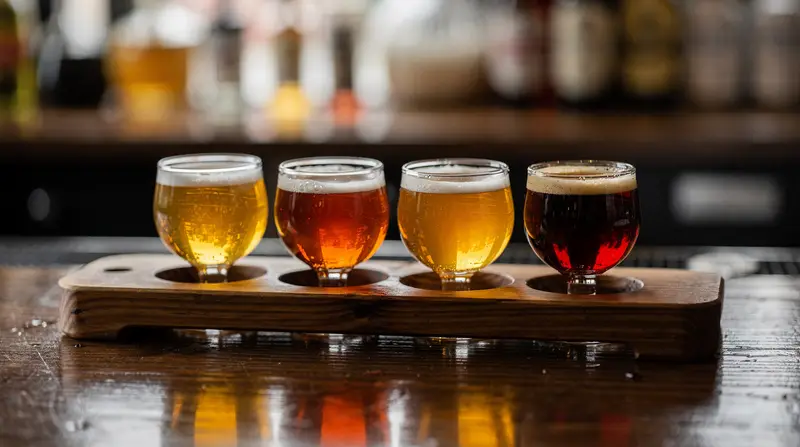
| What you taste | 5–7 pours of 150–200 ml across 3–4 bars or taprooms |
| Duration | 2.5–3 hours; roughly 2–3 km on foot |
| Not ideal for | Non-drinkers — only limited cider or alcohol-free alternatives |
| Best time | Year-round; smaller winter groups and Julebryg tastings around Christmas |
The City-Centre Beer Walk: What Happens
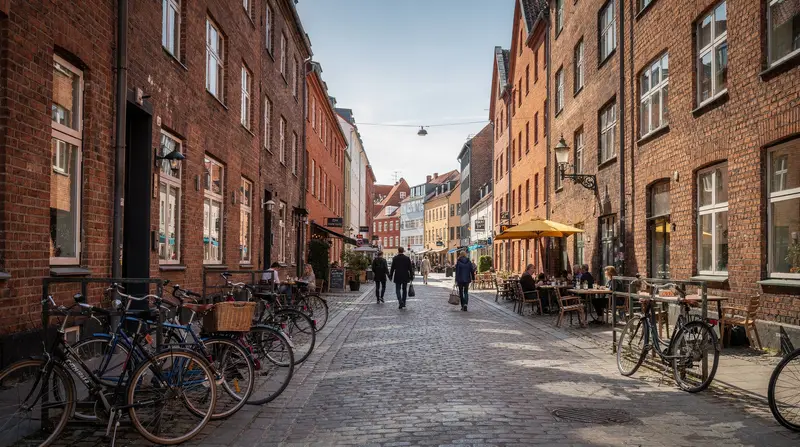
The city-centre craft beer walk typically covers 3–4 stops across the Indre By and surrounding neighbourhoods, tasting 5–7 pours with commentary on the breweries, beer styles, and the broader context of Danish craft brewing. Stops vary by tour operator but commonly include:
- A taproom or craft bar in Indre By (the historic centre) — often one of the established names such as Mikkeller Bar or a well-curated multi-tap bar.
- A brewery attached to a restaurant, where the guide explains the visible brewing equipment.
- A specialist bottle shop or tasting room with a curated selection of Danish and Scandinavian small-batch beers.
- A bar focusing on a specific style — sours, IPAs, or the current trend in Danish brewing.
The walk covers 2–3 km on foot over approximately 3 hours. Guides are typically working in the industry — homebrewers, bar staff, or former brewery employees — rather than generic tour guides who happened to add beer content.
What you get: approximately 5–7 tasting pours (150–200 ml each), a route through central Copenhagen you would not navigate solo, and the equivalent of a crash course in the Nordic craft movement from someone who drinks and thinks about it professionally.
What you do not get: quantity. This is a tasting and education experience, not a pub crawl. The distinction matters if you are deciding between this and the Copenhagen Pub Crawl.
Tour Options Compared
Option 1 — City Centre Beer Walk (Primary)
Copenhagen Craft BeerWalk City CenterThe broadest geographic coverage, sampling from different breweries and bar styles across central Copenhagen. Good for first-timers who want an overview of the scene before deciding which bars to return to independently.
Price: approximately 700–900 DKK per person including all tastings.
Duration: 2.5–3 hours.
Group size: typically 8–16 people on shared tours.
Best for: craft beer enthusiasts visiting Copenhagen for the first time; groups of friends who enjoy learning alongside drinking; people who want to return to the best bars independently afterwards.
Option 2 — Mikkeller Craft Beer Walk in Vesterbro
Mikkeller Craft Beer Walk in VesterbroThis walk centres on Vesterbro — the neighbourhood west of the Central Station that housed Copenhagen’s meatpacking district (Kødbyen) and is now the city’s bar and restaurant epicentre. The Mikkeller-focused walk covers the brewery’s history and flagship Copenhagen bars, plus other Vesterbro craft destinations.
Price: approximately 700–850 DKK per person.
Duration: 3 hours.
Difference from city-centre walk: more narrative focus on Mikkeller’s origin story and the role of the Kødbyen neighbourhood in Copenhagen’s food and drink transformation. The neighbourhood itself is worth knowing — it is the location of the city’s most concentrated restaurant cluster. See the Vesterbro guide for context.
Best for: Mikkeller fans or travellers who want the specific story of how one brewery changed Nordic beer culture.
Option 3 — Nørrebro Craft Beer Walk
Copenhagen Craft BeerWalk NørrebroNørrebro is Copenhagen’s most multicultural and culturally energetic neighbourhood, and it has its own distinct craft beer scene. This walk focuses on the taprooms and bars along Nørrebrogade and the side streets, typically including Nørrebro Bryghus (one of the city’s best-respected craft breweries with on-site production).
Price: approximately 650–850 DKK per person.
Duration: 2.5–3 hours.
Best for: travellers who have already explored central Copenhagen and want a neighbourhood experience; those specifically interested in Nørrebro Bryghus. Also good as a second beer tour after the city-centre walk.
Option 4 — Craft Beer and Bites Tour
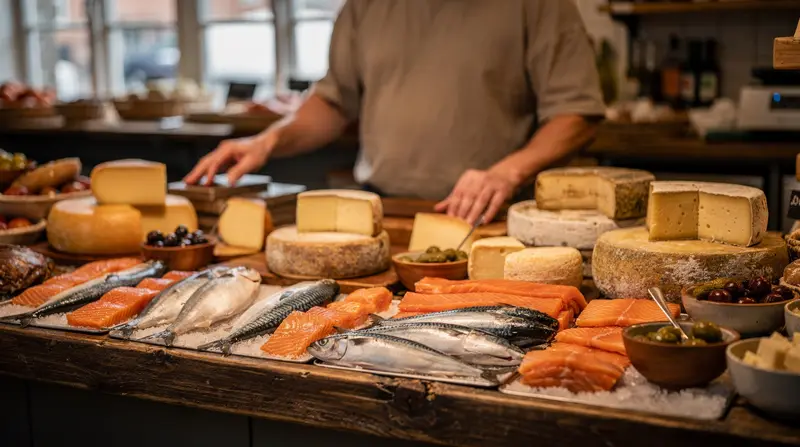
Copenhagen: Craft Beer & Bites TourA food-and-beer pairing tour that integrates small plates — smørrebrød, charcuterie, cheese — with beer tastings at each stop. More expensive than pure beer walks (approximately 900–1,100 DKK per person) but addresses the practical problem of drinking 5–7 pours on a relatively empty stomach.
Best for: couples, mixed groups where some members are more food-focused, or travellers who have skipped lunch and need the food pairing to make the alcohol sensible.
Tour vs DIY: What the Tour Adds
Copenhagen’s craft beer scene is genuinely easy to explore independently. The bars are clustered, most have English menus and staff, and you will never pay a tour premium to simply sit at a tap and order. A pint at a quality craft beer bar runs 75–120 DKK; a tasting flight of four 150ml pours typically 160–200 DKK.
The best craft beer in Copenhagen guide covers the top bars and taprooms with recommendations by neighbourhood and style.
What the tour adds:
- Narrative: the story of how Mikkeller’s nomadic model changed the Nordic brewing landscape is genuinely interesting, and guides tell it from inside the industry.
- Selection logic: with 30+ craft bars in the city, knowing which five are doing exceptional work right now requires local knowledge that updates frequently.
- Comparison framework: tasting three IPAs side by side across three different taprooms — and having a guide explain what distinguishes them — teaches you more in 3 hours than independent exploration teaches in a week.
- Access: some stops on guided tours are barrel rooms, back-of-house areas, or brewery spaces not accessible to walk-in customers.
If you are already deeply knowledgeable about craft beer, the tour’s educational content may not add much. If you are curious and moderately informed, it is well worth the price.
Practical Information
When to book: beer tours run year-round. Summer (May–September) sees the most departures; winter offers the same bars, smaller tour groups, and arguably better hygge-adjacent atmosphere. Christmas season tours occasionally add seasonal beers and a Julebryg (Christmas beer) tasting.
Meeting point: varies by operator — confirm at booking. Most tours depart from a central bar or named meeting point, not from hotel lobbies.
Dietary notes: most beer contains gluten; some tours can accommodate with cider alternatives if notified in advance. Confirm at booking if this is a concern.
What to wear: flat, comfortable walking shoes. You will stand for portions of each stop and walk 2–3 km between them. Smart casual is fine; this is not a fine-dining dress code situation.
Combine with: a craft beer tour pairs naturally with a evening at the Meatpacking District (Kødbyen) in Vesterbro — bars, restaurants, and a late-night energy that continues well after the tour finishes. See the Copenhagen nightlife guide for the Kødbyen bar cluster.
The Verdict
Copenhagen’s craft beer tours are among the better-executed food-and-drink tours available in the city — the scene they cover is real, the guides are generally knowledgeable, and the narrative of how a small nomadic brewery reshaped European craft beer is worth three hours of your attention.
The city-centre walk is the right starting point for first-timers. The Vesterbro walk adds neighbourhood depth for those with time for a second tour. DIY is entirely viable if you have done the reading, but the tour’s curation value is genuine — you will taste better beer at better places than a casual walk-in strategy delivers.
Priced at 700–900 DKK including all tastings, it is on the expensive side for an evening activity. Against Copenhagen’s general price level — where a beer at a mainstream bar is 80–100 DKK — it represents reasonable value for a curated 5–7-pour education.
The walks by neighbourhood: which to pick
All four walks cover good beer and a knowledgeable guide; the real choice is which slice of the city you want as a backdrop. The city-centre walk is the broadest introduction; the neighbourhood walks trade breadth for a stronger sense of place.
| Walk | Focus | ~Price DKK | Best for |
|---|---|---|---|
| City-centre | Broad overview across Indre By | 700–900 | First-timers to the scene |
| Vesterbro / Mikkeller | Mikkeller origin story and Kødbyen | 700–850 | Mikkeller fans |
| Nørrebro | Nørrebro Bryghus and side-street taprooms | 650–850 | A second, neighbourhood-focused tour |
| Craft Beer and Bites | Beer paired with small plates | 900–1,100 | Mixed food-and-beer groups |
Start with the city-centre walk if it is your first, then use a neighbourhood walk as a deeper follow-up. The Vesterbro option pairs naturally with the Meatpacking District (Kødbyen) for the evening, while the Nørrebro walk fits alongside the wider Nørrebro guide. Whichever you pick, the best craft beer in Copenhagen guide and best bars in Copenhagen guide tell you where to return independently, and the best food tours in Copenhagen guide helps you decide between a beer walk and a food-led alternative.
Compare alternative tours
Frequently asked questions — Copenhagen Craft Beer Tour — City Centre Beerwalk Review 2026
How much does a Copenhagen craft beer tour cost?
City-centre beer walks typically run 650–900 DKK per person, including 5–7 tasting pours at 3–4 stops. The Mikkeller-focused Vesterbro walk is similar in price. Some tours include snacks or food pairings at an additional cost.How many beers do you taste on a Copenhagen beer walk?
Most tours include 5–7 tasting-size pours (typically 150–200 ml each) across 3–4 bars or taprooms. Some tours offer larger pours; others pair smaller pours with food. The equivalent of 2–3 full pints of beer is a reasonable expectation.Is the Copenhagen craft beer scene actually good?
Yes, genuinely. Mikkeller (founded in Copenhagen in 2006) is internationally respected and pioneered the Nordic craft movement. The city now has 30+ dedicated craft beer bars and taprooms, a strong home-brewing culture, and several GYG-listed tours that take the history and brewing technique seriously.Do I need to be a beer expert to enjoy a Copenhagen craft beer tour?
No. Good guides pitch the content at mixed knowledge levels — brewing process, flavour profiles, and the history of Danish brewing are explained for newcomers without condescending to enthusiasts. Come curious rather than expert.Is a beer tour suitable for non-beer drinkers?
Mostly no. Some tours offer a cider or non-alcoholic beer alternative, but the experience is centred on tasting and discussing beer. A food tour or a gin/spirits tour would be more suitable for non-drinkers.What is the difference between the city-centre beer walk and the Vesterbro Mikkeller walk?
The city-centre walk covers a geographically broader area, sampling from different breweries and bars. The Vesterbro Mikkeller walk focuses on the neighbourhood where Mikkeller was founded, with an emphasis on Mikkeller's story and bars, plus other Vesterbro craft beer destinations.How far in advance should I book a Copenhagen craft beer tour?
Groups are small, so summer weekends and Christmas-season departures with Julebryg tastings can sell out days ahead. Booking 2–3 days in advance is usually enough outside peak times, but for a Friday or Saturday in July or August, book as early as you can.Do Copenhagen craft beer tours include food?
Pure beer walks include the tasting pours only, not food. The Craft Beer and Bites format is the exception — it pairs small plates such as smørrebrød, charcuterie and cheese with the beer at each stop, which also makes the alcohol more manageable across the afternoon or evening.