Best family activities in Copenhagen: Bakken, zoo, Experimentarium, planetarium and more
Copenhagen: Experimentarium Science Center Entry Ticket
What are the best family activities in Copenhagen beyond Tivoli?
Bakken (Dyrehavsbakken) in Klampenborg is the world's oldest amusement park with free entry — pay per ride, relaxed atmosphere, deer park adjacent. Experimentarium in Hellerup is the best science museum for ages 5–14. Copenhagen Zoo is solid with a strong elephant and Africa section. The Planetarium at Tycho Brahe has shows for ages 6 and up. All are reachable by S-tog or metro, all are less expensive than Tivoli.
Experimentarium tickets are included on the Copenhagen Card — check whether the card saves money if you plan to visit multiple attractions in 24–48 hours.
| Where | Klampenborg, Hellerup, Frederiksberg, Vesterbro, Nørrebro |
| Cost | Free (Bakken entry, parks) to around 230 DKK/adult (zoo) |
| Time needed | 2–4 hours per attraction |
| Getting there | S-tog or metro to all locations from Central Station |
| Best for | Ages 3–14 depending on attraction — see age table below |
Age suitability at a glance
| Attraction | Best ages | Time needed | Cost (adult) |
|---|---|---|---|
| Bakken | 5–10 | 2–4 hrs | Free entry, pay per ride |
| Experimentarium | 5–14 | 3–4 hrs | ~210 DKK |
| Copenhagen Zoo | 3–10 | 3–4 hrs | ~230 DKK |
| Planetarium | 6–12 | 1.5–2 hrs | ~145 DKK |
| Ripley’s | 7–13 | 1.5–2 hrs | ~195 DKK |
| Dyrehaven / free parks | All ages | 1–3 hrs | Free |
For the headline attraction most families start with, see the dedicated Tivoli with kids guide and the broader Copenhagen with kids overview.
Copenhagen family attractions: the full picture
The standard family itinerary for Copenhagen focuses almost entirely on Tivoli, Den Blå Planet, and Experimentarium — and those are three legitimately excellent attractions. But the city has a broader family infrastructure that most visitors miss.
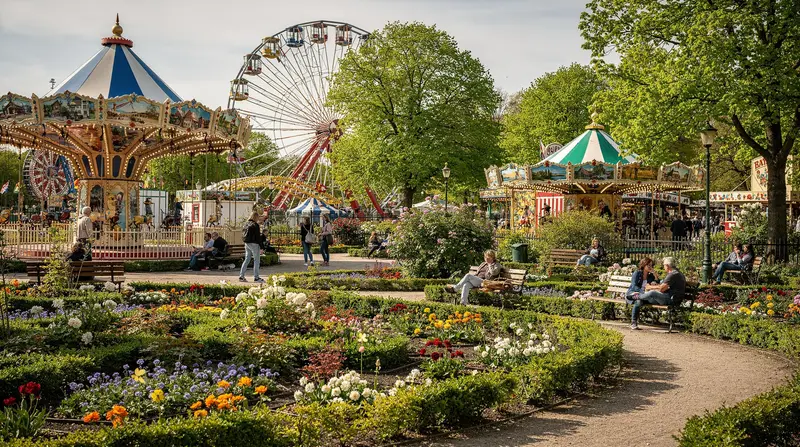
Bakken is the world’s oldest amusement park, just north of the city in a royal deer forest, with free entry. Copenhagen Zoo is a well-maintained 11-hectare facility that punches above its size on architecture. The Planetarium shows are a reliable 45-minute programme that keeps children aged 6–12 thoroughly engaged. Frederiksberg Have (the formal park around Frederiksberg Palace) is a free family-friendly space with a lake and ducks that fills the gaps between paid attractions.
This guide covers the full picture — not just the expensive headline names, but the complete range of what works for families across different ages, interests, and budgets.
Bakken (Dyrehavsbakken): the free-entry amusement park
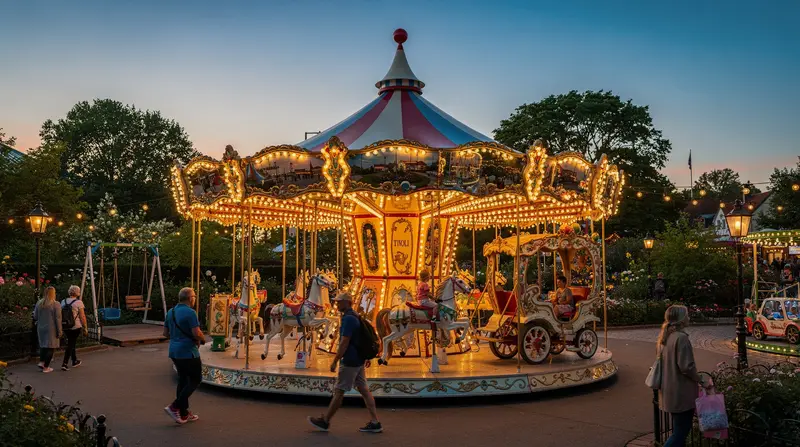
Bakken — officially Dyrehavsbakken — opened in 1583 and is the world’s oldest operating amusement park. Its survival into the modern era is genuinely remarkable: it operates alongside a herd of 2,000 free-roaming deer in Dyrehaven royal forest, maintaining a fairground atmosphere closer to a 1950s seaside amusement park than a modern theme park corporation.
Getting there: S-tog line C or B+ to Klampenborg station. Walk through the forest for 10 minutes (clearly signposted). Total journey from Central Station: approximately 25 minutes. No car needed; a small car park exists but the S-tog is simpler.
Entry: Free. The park has no gate admission charge. You pay per ride with tokens (purchased at token machines inside the park) or buy a wristband for unlimited rides. Token prices: approximately 15–25 DKK per token depending on ride. Most rides cost 2–4 tokens. Unlimited ride wristbands cost approximately 200–250 DKK per person — less than Tivoli’s equivalent.
Rides and family suitability:
- The roller coasters at Bakken are smaller and slower than Tivoli’s equivalents — appropriate for children aged 5–10 who are beginning to explore more intense attractions.
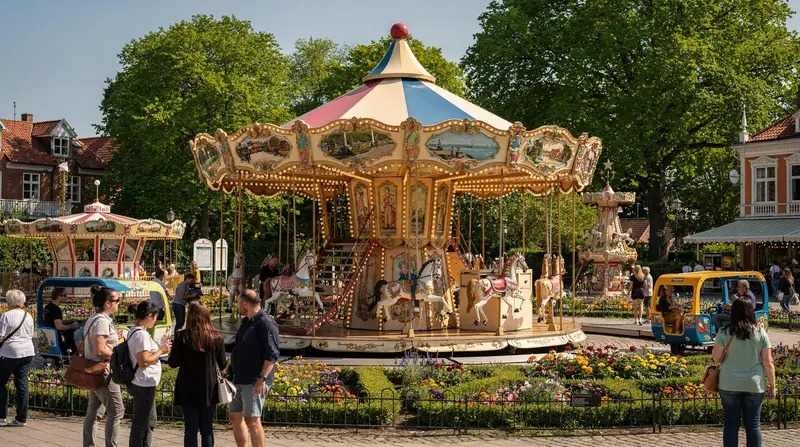
- The carousel, bumper cars, and children’s rides cover the standard fairground range.
- The Clown (Pjerrot) shows are a Bakken institution — a traditional Danish clown character performing live comedy shows at the main stage. No language requirement; physical comedy format. Shows multiple times daily.
The deer park: Dyrehaven (the adjacent royal park) is an extraordinary natural asset. On the walk from Klampenborg station through the forest, it is common to encounter deer within 5–10 metres of the path. The park contains approximately 2,000 red deer and fallow deer roaming freely. For children who have seen deer only in books, walking through a forest with herds of deer at close range is a memorable experience. The park is free to enter.
Bakken vs. Tivoli: Bakken lacks Tivoli’s gardens, illuminations, and architectural character. It is noisier and less polished. But it costs significantly less and provides a genuinely Danish day-out experience that locals use as a family park. A Bakken day is a more authentic Copenhagen family day than a Tivoli day for many families who want local character over tourist polish.
Season: Bakken operates approximately from late March to late August. It does not have a Christmas season. Check current opening dates before visiting.
Experimentarium: hands-on science for ages 5–14
Experimentarium is in Hellerup, 5km north of central Copenhagen, in a purpose-built 2017 facility designed by Rambøll/Dissing+Weitling. It is the largest interactive science museum in Denmark and one of the best in Scandinavia.
Getting there: S-tog to Hellerup station (12 minutes from Nørreport), then 10-minute walk. Or bus 14 from central Copenhagen directly to the entrance.
Pricing:
- Adults: approximately 210 DKK
- Children aged 3–14: approximately 145 DKK
- Under 3: free
- Family ticket (2+2): approximately 640 DKK
- Copenhagen Card: included
Sections and what works by age:
Bodylife — human anatomy exhibits including a climbing wall modelled on the musculoskeletal system, a bicycle that shows muscular activity in real time, and a brain and neuroscience section. Ages 7 and up get the most from this section.
Science Universe — physics experiments including a large wind tunnel that children can stand in, electricity demonstrations (plasma ball, Jacob’s ladder), and a pendulum tracking station. Ages 6 and up.
Ocean — a large water table with tidal and wave simulations, coastal ecology models, and a submersible camera. Ages 4 and up; young children love the water interaction.
Children’s World — a dedicated section for under-6 with Duplo, soft play elements, and sensory exhibits at small-child scale. Ages 1–5.
Special exhibitions: Experimentarium runs rotating special exhibitions (separate admission sometimes charged). Check the website for current programming.
Time: Allow 3–4 hours for ages 5–12. Under-5s with limited attention span: 2 hours in Children’s World and Ocean section.
Café: On-site café serves standard museum fare at above-supermarket prices (lunch 120–180 DKK per person). The café has outdoor seating in summer. Bringing food is not explicitly prohibited.
Tickets for Experimentarium are bookable online; the Copenhagen Card includes entry.
Copenhagen Zoo
Copenhagen Zoo (Zoologisk Have) occupies 11 hectares in Frederiksberg, adjacent to Frederiksberg Palace — a short bus ride from the city centre (bus 6A to Roskildevej or bus 4A to Pile Allé).
The zoo has been operating since 1859 and has been substantially redeveloped over the past 20 years. Current highlights include:
Elephant House (Foster + Partners, 2008): An architecturally significant elliptical domed structure that houses the zoo’s elephant herd. The dome allows natural light diffusion that creates an unusual visual atmosphere. The elephants themselves are kept in a relatively large outdoor enclosure adjacent. Worth seeing for the building as much as the animals.
Africa section: The newest major development, including a large savanna enclosure with rhinos, zebra, giraffes, and various African bird species. The giraffe feeding platform (extra cost approximately 55 DKK per person) is a highlight for ages 4–10 — feeding a giraffe at close range from a raised platform is a memorable encounter.
Polar Bear enclosure: A large glass-fronted pool allows underwater viewing of polar bears swimming. The best viewing is often on warm days when the bears are active in water.
Children’s Zoo (Mini Zoo): A petting farm section with goats, rabbits, and small domestic animals. Small children (ages 2–6) typically spend more time here than at any other section.
Pricing:
- Adults: approximately 230 DKK
- Children aged 3–11: approximately 140 DKK
- Under 3: free
- Family ticket (2+2): approximately 640 DKK
- Not included on the Copenhagen Card
Time: 3–4 hours minimum for a proper visit. The zoo is larger than its central location suggests.
Practical notes: The zoo is open year-round (reduced winter hours). Autumn and early spring are quieter and sometimes offer better animal activity — many large animals are more active in cooler weather. Summer peak days (July) see school groups and long queues at the giraffe feeding.
Tycho Brahe Planetarium
The Tycho Brahe Planetarium is a cylindrical dome building near Vesterbro/Indre By — visible from the lake system (Søerne) that separates the city districts. It opened in 1989 and takes its name from the 16th-century Danish astronomer Tycho Brahe.
Format: Dome-screen presentations on a 23-metre projection surface. Shows cover topics including space exploration, the solar system, wildlife (Safari under the Stars), and current astronomical events. Films are shown in Danish with some English programming available — check the schedule.
Pricing: Entry plus one show approximately 145 DKK adults, 100 DKK children. Additional shows cost extra (approximately 50–80 DKK per person for a second show).
Age suitability: The immersive dome format requires sitting in darkness looking upward for 45 minutes. Children under 4 often become unsettled. Ages 6 and up generally enjoy it; ages 8–12 are the sweet spot. The darkness is not frightening but is total — warn children before the show begins.
Combination: The planetarium building also houses a permanent astronomy exhibition and a small café. Allow 1.5–2 hours total for the exhibition and one show. A useful programme for a rainy afternoon when outdoor activities are difficult.
Ripley’s Believe It or Not!
Ripley’s is a franchise oddities and world records museum at Rådhuspladsen (City Hall Square), centrally located and easy to combine with a city-centre day.
Standard Ripley’s admission costs approximately 195 DKK adults, 130 DKK children. The 4-way combo ticket bundles Ripley’s with three nearby attractions (Mirror Maze, Laserland, and a 4D cinema) for approximately 335 DKK per person — only worth it if the family will genuinely use all four.
Ripley’s works best for children aged 7–13 with curiosity about the unusual — the format of “these are real things that seem impossible” resonates with this age group. For families with younger children or teenagers, the value is less consistent.
Free family activities
Dyrehaven deer park (Klampenborg, S-tog): 10km² of forest with 2,000 free-roaming deer. Free entry, accessible by S-tog, extraordinary natural experience. The Hermitage Hunting Lodge is at the centre of the park, visible from the main paths.
Frederiksberg Have (adjacent to the zoo, bus or S-tog to Frederiksberg): A formal 18th-century park with lakes, ducks, and landscaped gardens around Frederiksberg Palace. Free. Boats for rent on the lake in summer. Popular local family weekend destination.
Superkilen (Nørrebro): An outdoor public park designed by BIG architects and Superflex that incorporates playground equipment and objects from 50 countries represented by the neighbourhood’s immigrant communities. Free. The red square, black market, and green park sections each have play elements for children aged 4–12. Interesting for families who want to see contemporary urban design.
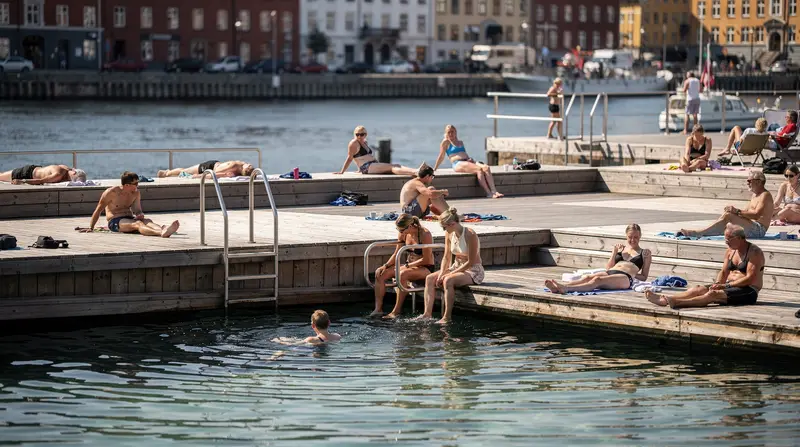
Harbour baths at Islands Brygge (free, June–August): Swimming in the cleaned harbour — the most Copenhagen-local summer experience available. Children’s pool, diving platforms, lifeguards in peak season. Reachable by bus or bike from the city centre.
National Museum of Denmark (Indre By, bus or metro): Free for under-18s. The museum covers Danish prehistory through the Viking age to the modern era. The Viking section and the Egyptian mummies section are the most engaging for children. Adults 130 DKK.
Changing of the guard at Amalienborg (daily 11:30): Free ceremony, approximately 30 minutes. The Royal Life Guard march from their barracks to Amalienborg Palace. Best for children who enjoy uniforms and pageantry — ages 3–8 typically respond well.
Planning a family week in Copenhagen
A sensible 5-day family itinerary might cover:
- Day 1: Tivoli (arrive at opening; Ride Passes for qualifying heights)
- Day 2: Den Blå Planet aquarium + Amager Strandpark beach
- Day 3: Bakken amusement park + Dyrehaven deer park
- Day 4: Experimentarium or Copenhagen Zoo (not both in one day for young children)
- Day 5: Flexible — Ripley’s, Planetarium, or the LEGOLAND Billund family guide if travelling to Billund
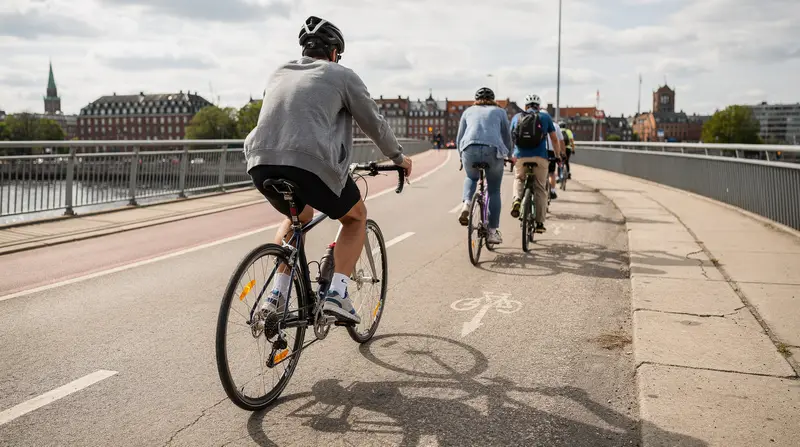
The 3-day Copenhagen with kids itinerary maps a tighter schedule with metro journey times and pre-booking priorities. Summer visits benefit from reading the Copenhagen in summer guide for crowd and weather planning, and families keen on cycling together can check the biking in Copenhagen guide for child-seat and cargo-bike options.
Frequently asked questions about family activities in Copenhagen
Is Bakken a good alternative to Tivoli for families?
Yes — different rather than directly comparable. Free entry, pay-per-ride tokens, fairground atmosphere, adjacent deer park. Less polished than Tivoli but more affordable and more authentically Danish. Good for ages 3–12 in summer.
What is Experimentarium and what ages suit it?
Interactive science museum in Hellerup, ages 5–14 optimal. Hands-on physics, biology, and technology exhibits. Entry approximately 210 DKK adults, 145 DKK children. Copenhagen Card included. Allow 3–4 hours.
Is Copenhagen Zoo worth visiting?
Yes for families with children ages 3–10. Notable for the Foster + Partners Elephant House and the African savanna section. Not included on the Copenhagen Card. Approximately 230 DKK adults, 140 DKK children. 3–4 hours.
What is the Tycho Brahe Planetarium?
A dome-screen cinema for astronomy and nature films in Vesterbro. Entry plus one show approximately 145 DKK adults, 100 DKK children. Best for ages 6 and up. Useful for rainy days.
What free family activities exist in Copenhagen?
Dyrehaven deer park (Klampenborg, S-tog), Frederiksberg Have park, Superkilen (Nørrebro), harbour baths at Islands Brygge (June–August), the National Museum (free under-18), and the changing of the guard at Amalienborg (11:30 daily).
What is Ripley’s Believe It or Not! like for children?
A franchise oddities museum best for ages 7–13. Approximately 195 DKK adults, 130 DKK children. A 4-way combo ticket with three nearby attractions costs approximately 335 DKK per person.
What is the best area for families to stay in Copenhagen?
Frederiksberg for park access and quiet, Vesterbro for apartment options, Østerbro for residential calm. Avoid the immediate Nørreport/Strøget centre unless budget is unconstrained.
Top experiences
Bookable activities with verified prices and instant confirmation on GetYourGuide.