Dragør Day Trip from Copenhagen: The Quiet Fishing Village Near the Airport
How do you get from Copenhagen to Dragør?
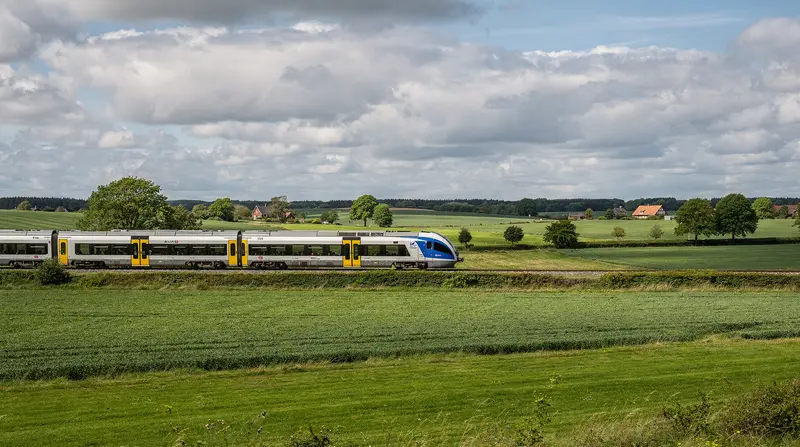
Bus 350S from Copenhagen Airport (CPH) or from Ørestad metro station — journey time around 30 minutes to Dragør. Frequency: every 10–15 minutes. The fare falls within Copenhagen's standard zone system, so a Rejsekort or standard zone ticket covers the journey. Dragør is a beautiful half-day destination: yellow-ochre fishermen's houses, cobbled lanes, a small harbour, and a working museum. It does not have GYG tours — this is pure DIY.
A village that time mostly left alone
Dragør sits on the southern tip of Amager, the large flat island between Copenhagen and the Øresund, 12 kilometres from the city centre. For most of the 20th century, Dragør remained on the margins of Copenhagen’s development — too far from the city centre to attract suburban sprawl, too small to become a destination in its own right. The result is one of the most intact pre-industrial townscapes in Greater Copenhagen.
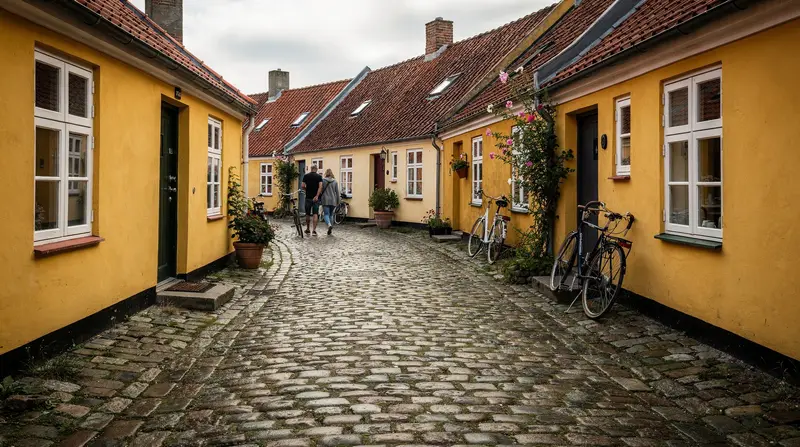
The core of the village dates from the 18th and 19th centuries, when Dragør was a prosperous fishing and pilotage town. The harbour pilots who guided large ships through the shallow waters of the Øresund lived here, and their prosperity produced the distinctive yellow-ochre painted houses, red tiled roofs, and tight cobblestone alleyways that define the place today.
Since 1979, Dragør’s historic centre has been a protected urban conservation area. Nothing has been demolished, nothing has been built to break the roofline. Walking its streets gives you a genuine sense of what a Danish coastal town looked like before the 20th century changed everything.
There are no major attractions here — no Tivoli, no castles, no organised tours. That is the point.
| Where | southern Amager, 12 km from central Copenhagen |
| Cost | free to walk; museum around 60 DKK |
| Time needed | half a day, 3–4 hours |
| Getting there | bus 350S from Ørestad metro or the airport |
| Best time | May–September, morning light for photos |
Getting there: bus 350S
This is the simplest logistics section in any Copenhagen day-trip guide.
Route: Bus 350S, operated by Movia as part of Copenhagen’s zone transport system.
| From | Journey time | Frequency |
|---|---|---|
| Copenhagen Airport (CPH Terminal 3) | ~15 minutes | Every 10–15 min |
| Ørestad metro station (M1/M2) | ~25–30 minutes | Every 10–15 min |
| DR Byen metro station | ~30 minutes | Every 10–15 min |
From central Copenhagen (Nørreport, City Hall area), the practical route is:
Metro to Ørestad (M1 or M2, 8–10 min) → Bus 350S to Dragør (25–30 min)
Total from Nørreport: approximately 40–45 minutes.
Fare: Standard Copenhagen zone tickets cover the journey. A Rejsekort swipe works throughout. The 24-hour or 72-hour city passes also cover bus 350S. No supplement required.
The bus stops at several points in Dragør — the main stop for the village centre is Dragør Stationsplads. The harbour is a 5-minute walk from the bus stop.
Arriving via Copenhagen Airport
If you are transiting through CPH, Dragør is exceptionally convenient — bus 350S runs from Terminal 3 directly to Dragør in 15 minutes. This is one of the more unusual options for airport transit time: you can visit a genuine preserved fishing village without entering central Copenhagen at all.
What to see and do
The old town and cobblestone streets
The main pleasure of Dragør is walking. The streets are not wide enough for cars in most sections — they were built for pedestrians and fishing carts. The lanes (called “stræder” in Danish) wind between the yellow houses, occasionally opening onto small squares or giving sudden glimpses of the harbour.
The most photogenic area is the stretch between the harbour and Store Magleby Landsbyvej — particularly Strandlinien and Badstuevælen.
Allow at least 45–60 minutes for aimless walking. It is not productive walking — it is the whole point.
Dragør Havn (harbour)
The harbour is still partially functional — fishing boats alongside leisure craft, a small boat repair yard, and the pilot boat station. The pilot station at Dragør has guided ships through the shallow southern approaches to the Øresund for centuries, and the tradition continues.
The harbour edge is pleasant for sitting. On summer mornings, fishing boats return with catches. In the afternoon, the harbour takes on a quieter character that suits a long coffee.
The fish smokers (røgeri) near the harbour are worth seeking out — smoked fish bought here is a genuine local product, not a tourist approximation.
Dragør Museum
A small local history museum covering Dragør’s maritime heritage: fishing, pilotage, navigation, and the Dutch connection — Dragør’s 18th-century prosperity was partly built by Dutch fishermen who settled here to exploit the local herring stocks. The collection is modest but well-curated.
Entry: approximately 60 DKK. Open May–October, Tuesday–Sunday. Winter hours are reduced — check before visiting outside the main season.
Strandparken and the coast
North of Dragør, along the Amager coast, stretches Amager Strandpark — a developed beach area with lagoons, a 5-km promenade, and facilities. By bike, it is 20–30 minutes from Dragør. By bus or car, accessible in 10 minutes. Worth combining if you want beach time alongside the village visit.
Eating and drinking: realistic expectations
Dragør has a handful of food options — not a selection. Expectations should be calibrated to a quiet residential village, not a tourist destination.
At the harbour: a fish restaurant with outdoor tables in summer. Expect a simple menu — pickled herring, smoked fish platters, fish and chips. Prices: 200–400 DKK for a main. Quality is typically good; this is not tourist-trap food because there are barely any tourists.
Cafés: two or three small cafés in the village centre. Coffee and a pastry for 60–100 DKK. The sort of place where the owner also made the cake that morning.
Smoked fish: the harbour røgeri sells whole smoked fish and portions to take away. A smoked mackerel or herring with bread makes a good picnic lunch at the harbour edge. Budget 60–90 DKK.
Practical tip: if you are arriving for lunch and want certainty, call ahead or check that the harbour restaurant is open. A very small number of establishments means closures (seasonal, illness, holidays) can eliminate options.
What Dragør is not
Because Dragør’s appeal is primarily atmospheric and architectural, it is worth being clear about what visitors should not expect:
- No significant museum collections — the local history museum is interesting but small
- No GYG tours or organised activities — this is an editorial destination, not a monetised one
- No evening scene — the village closes down early; it is not a dinner destination for Copenhagen visitors
- No beach at Dragør itself — the harbour is pretty, but the main beach is at Strandparken to the north
- Limited opening hours — some cafés are closed on weekdays; always check
Dragør works best for visitors who want unhurried walking, genuine local atmosphere, and the specific pleasure of being in a town that does not particularly want to be a tourist attraction.
Practical half-day schedule
10:00 — Metro to Ørestad, bus 350S toward Dragør.
10:45 — Arrive Dragør. Walk down to the harbour.
11:00–12:00 — Wander the old town streets at your own pace.
12:00–13:00 — Lunch at the harbour restaurant or smoked fish from the røgeri.
13:00–14:00 — Dragør Museum (if open). Return walk through the residential lanes.
14:30 — Bus 350S back toward Copenhagen or the airport.
Total time in Dragør: approximately 3.5 hours — exactly right for a half-day. Do not over-schedule it.
Combining Dragør with other destinations
With Copenhagen Airport: the 15-minute 350S connection makes Dragør a natural pairing with an airport departure or arrival. Add 3 hours before check-in, spend them in Dragør.
With Amager Strandpark: a cycle or short bus ride connects the two. Beach + village in a half day, accessible from Copenhagen without a car.
With central Copenhagen: do Dragør in the morning (quieter, better light for photography), back in the city by 14:00 for afternoon sightseeing in Nyhavn, the Latin Quarter, or wherever your Copenhagen itinerary takes you.
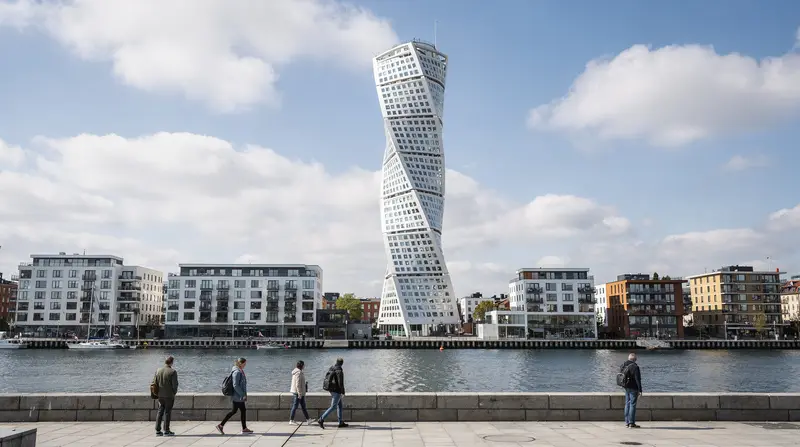
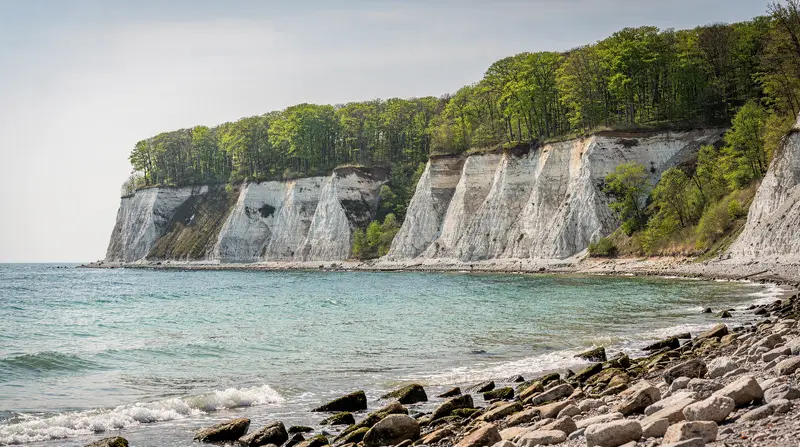
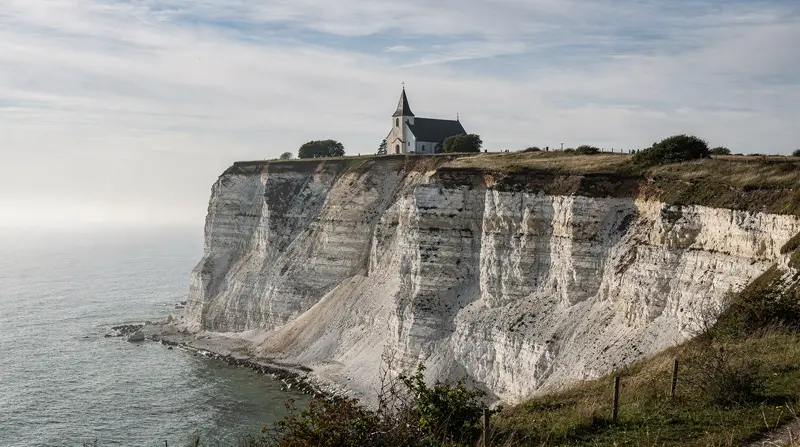
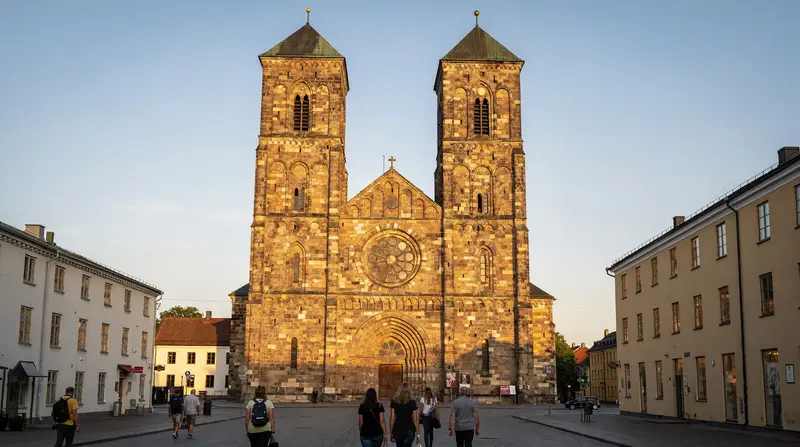
For context on other options, see the overview of all day trips from Copenhagen, and the Malmö day trip guide and Møns Klint guide for more substantial full-day excursions.
What makes the architecture distinctive
Dragør’s yellow-ochre houses are not a single uniform style but a variation on a shared 18th- and 19th-century vernacular: single-storey or storey-and-a-half timber-framed houses with thatched or red-tiled roofs, small-paned windows, and half-doors that let air in while keeping animals and children contained — a detail specific to the fishing and farming households that originally lived here. Look for the small carved or painted details above doorways, often referencing a family’s trade or origin; a number of Dragør’s original settler families were Dutch, and Dutch gable influences are visible on a handful of the older buildings if you know to look for them.
The protection status since 1979 means alterations are tightly controlled — window replacements, roof materials, and even paint colours require approval, which is why the streetscape has remained so consistent even as the interiors have modernised for contemporary living. This is one of the few places in the Copenhagen area where you can walk a genuinely unbroken historic streetscape rather than a restored or reconstructed approximation of one.
Store Magleby, the neighbouring settlement a short walk inland from Dragør’s harbour, has its own distinct character worth a mention: it was settled specifically by Dutch farmers in the 16th century and retains a slightly different architectural character from the fishing-focused harbour village — larger farmhouses rather than small fishermen’s cottages, reflecting the agricultural rather than maritime livelihood of its original settlers. Combining a walk through both villages extends the visit by 30–45 minutes and shows the two distinct communities that historically made up this small corner of Amager.
Why Dragør stays off the tour-bus circuit
Part of what makes Dragør worth the trip is precisely what keeps it out of most guidebooks: there is no single “must-see” attraction to build a marketing pitch around, only a coherent, well-preserved townscape best experienced by walking without an agenda. The Dragør destination guide covers the neighbourhood’s layout and history in more depth than fits in a single day-trip guide, useful if you are staying in the area rather than just passing through.
If your main reason for visiting Amager is the airport, pairing Dragør with a transit stopover works well — see the Copenhagen airport to city centre guide for the M2 metro connections that link the airport, Ørestad, and central Copenhagen together, since bus 350S connects into that same network. For visitors who want a second, equally low-key contrast, the Lund day trip guide covers a similarly unhurried alternative just across the Øresund Bridge in Sweden.
Frequently asked questions about Dragør
How do I get to Dragør from central Copenhagen?
Take the Metro to Ørestad (M1/M2), then bus 350S to Dragør — total around 40–45 minutes from Nørreport. From Copenhagen Airport, bus 350S runs directly to Dragør in 15 minutes. Standard zone tickets and Rejsekort cover the fare.
Is Dragør worth visiting?
Yes, for visitors who want a genuine change of pace — quiet cobblestone streets, preserved 18th-century houses, a working harbour. No, if you want museums, restaurants in quantity, or organised activities. Dragør is a place to walk and slow down, not a day-trip destination in the conventional tourist sense.
How long should I spend in Dragør?
Half a day — 3 to 4 hours — is ideal. Anything more and you run out of things to discover; anything less and you miss the slow pace that makes the village worthwhile.
Does Dragør have restaurants?
A small number — one harbour fish restaurant, two or three cafés, and a fish smoker selling takeaway smoked fish. Not a place for a choice of dining options. Check opening times before arriving with a plan; limited options means occasional closures matter.
Can I visit Dragør from Copenhagen Airport?
Yes, very easily. Bus 350S runs from Terminal 3 directly to Dragør in approximately 15 minutes. It is one of the most convenient transit-time options at CPH — a real village visit without needing to enter central Copenhagen.
Is there a beach at Dragør?
Not at the village itself — the harbour is attractive but not a swimming beach. Amager Strandpark, a developed beach area with lagoons and a 5-km promenade, is accessible by bike (20–30 min) or bus/car (10 min) to the north.
What are the opening hours of the Dragør Museum?
Generally Tuesday–Sunday, May through October, approximately 11:00–16:00. Winter hours are reduced and the museum may be closed on some weekdays. Check the museum’s website before visiting outside the main season. Entry is around 60 DKK.
Frequently asked questions — Dragør Day Trip from Copenhagen: The Quiet Fishing Village Near the Airport
How do I get to Dragør from central Copenhagen?
Take bus 350S from Ørestad metro station (M1/M2 line) or from Copenhagen Airport (CPH/Kastrup, Terminal 3). The journey from Ørestad to Dragør takes approximately 25–30 minutes; from the airport, about 15 minutes. Buses run every 10–15 minutes throughout the day. Standard Copenhagen zone ticket covers the journey.How far is Dragør from Copenhagen?
About 12 km from central Copenhagen, on the southern tip of the island of Amager. By bus, it is 30–35 minutes from central Copenhagen (allowing for a metro connection to Ørestad). The proximity makes it one of the easiest half-day escapes from the city.Is Dragør worth visiting?
Yes, if you want a complete change of pace from the city. Dragør is one of the best-preserved pre-industrial fishing villages in Denmark — 18th-century houses, cobblestone lanes, a working harbour, and almost no tourist infrastructure. It is quiet, genuine, and unassuming. Not worth visiting if you want museums, restaurants, or organised activities — Dragør offers atmosphere and walking, not programming.What is there to do in Dragør?
Walking the cobblestone streets and alleyways, visiting the small harbour (still active with fishing boats), exploring the Dragør Museum (local history, navigational charts, harbour life), and stopping at one of the few cafés for a coffee. The Amager Strandpark beach is accessible a short cycle or drive north. Dragør is not a packed itinerary destination — it is a place to slow down.Can I combine Dragør with Copenhagen Airport?
Easily — bus 350S runs directly between the airport and Dragør (15 min). Visitors arriving or departing via CPH with a few hours to spare can visit Dragør before or after their flight without going into central Copenhagen. This makes it an unusually convenient option for transit passengers.Does Dragør have restaurants and cafés?
A small selection — not abundance. The harbour area has one or two fish restaurants (expect 250–450 DKK for a sit-down meal). There are two or three cafés for coffee and light lunch. The town is not set up for tourist dining — bring expectations aligned with a small, quiet Danish village, not a tourist hub.When is the best time to visit Dragør?
Late spring and summer (May to September) when the harbour is most active, the boats are in, and the yellow houses look their best in the light. Summer evenings — when the crowds have gone and the harbour light goes golden — are particularly atmospheric. Dragør is also visited in winter, but several cafés and the museum have reduced hours.