LEGOLAND Billund as a Day Trip from Copenhagen: The Honest Review
The Honest Take First
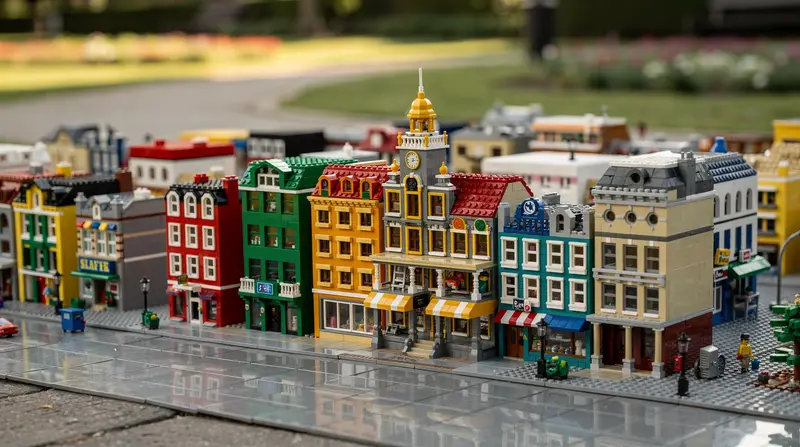
LEGOLAND Billund is a genuinely good theme park. The rides are well-designed across age ranges, the LEGO building integrations are excellent, and Miniland — the scale model section depicting cities and landmarks built from millions of LEGO bricks — is impressive even to adults who believe themselves immune to such things.
But doing it as a day trip from Copenhagen is a choice that requires some hard thinking, and a significant portion of families who do it come back wishing they had stayed overnight. Here is why, and how to decide which camp you fall into.
| Where | Billund, central Jutland — 2.5–3 hours from Copenhagen |
| Cost | 1-day ticket around 400–550 DKK/adult, advance online |
| Time needed | Full day trip, or one night for a relaxed visit |
| Getting there | Train to Vejle + bus/taxi, or Flixbus direct |
| Best for | Children aged 6–10, on a weekday |
See the Billund LEGOLAND destination page for the practical basics before you book.
The Journey: 2 Hours 40 Minutes Each Way
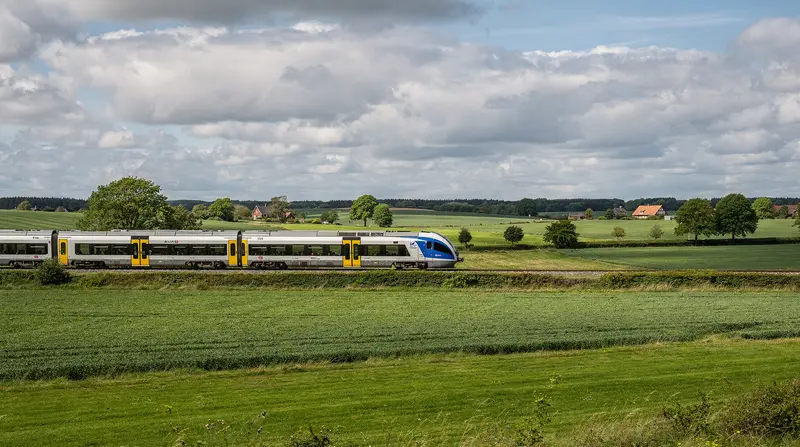
Billund is not a suburb of Copenhagen. It is in central Jutland, on the other side of the country. The direct train journey from Copenhagen Central (København H) to Vejle takes approximately 2 hours 10 minutes; from Vejle, a bus or taxi to Billund and LEGOLAND adds another 30–40 minutes. Total door-to-door: 2.5–3 hours each way.
By the time you factor in getting to Copenhagen Central from wherever you are staying, you are looking at 3+ hours of travel on both ends of the day. That is 6 hours of travel in a 16-hour day. For adults travelling without children, this is manageable — read, sleep, listen to something. With a toddler or young child, this is the core of the problem.
A child who is genuinely excited about LEGOLAND will be fine on the way there. On the way back, after a full day of sensory overload, rides, queues, and heat (if it is summer), the return journey is frequently miserable. This is not speculation; this is the unanimous feedback from parents who have done the day-trip version.
LEGOLAND Billund 1-day ticketThe Day Trip Math
Say you are on the first reasonable departure from Copenhagen Central: around 7:00–7:30. You arrive at LEGOLAND around 10:00–10:30. The park closes at 18:00 in shoulder season, 20:00 in peak summer (check the official site for dates). Last possible entry for the return train from Vejle that gets you to Copenhagen at a reasonable hour is around 18:30–19:00.
That gives you 7–9 hours in the park, depending on season. That sounds like enough. And in purely mathematical terms it is — you can cover all the major attractions in 6 hours if the queues cooperate and the children cooperate and you do not stop for longer than necessary at any point.
The issue is that none of those conditions are guaranteed, especially with young children. A bad queue at the main roller coaster eats 45 minutes. A meltdown at 14:00 requires 30 minutes of recalibration time. Lunch in the park — which you will end up doing — takes time and mental energy you did not budget for. By 17:00, when everyone is tired and you realise you have to leave by 18:30 to make the train, something in the park you wanted to do is still undone.
The Accommodation Alternative
Here is what the data shows: families who stay one night in Billund — either at a hotel near the park or, if budget allows, at one of the LEGOLAND on-site accommodation options — universally report a better experience. You can arrive by mid-afternoon, spend two or three hours in the park before it closes, sleep properly, and return to LEGOLAND for opening the next morning when queues are shortest. Two mornings in the park, both pre-queue, beats one afternoon and one rushed evening.
The 2-day ticket is priced accordingly and represents better value than two 1-day tickets.
LEGOLAND Billund 2-day ticketAccommodation in Billund is not glamorous or cheap, but it is functional. Mid-range hotels near the park cost 1,200–2,000 DKK per night. The LEGOLAND Hotel itself — on-site, themed, genuinely excellent for children — runs 2,000–3,500 DKK per night in peak season and books out months in advance. If that is your plan, book as early as possible.
The total cost of an overnight trip (train, hotel, 2-day tickets, meals) will be significantly more than a day trip. If budget is the constraint, the day trip makes sense. If the experience is the priority and budget allows, one night changes the equation entirely.
Inside LEGOLAND: What to Prioritise
Assuming you are doing the day trip and want to maximise the time you have:
Arrive before or at opening. LEGOLAND typically opens at 10:00 in peak season. Getting there for opening means 60–90 minutes with much lighter queues before the full crowd arrives. This single decision is worth more than any other planning advice.
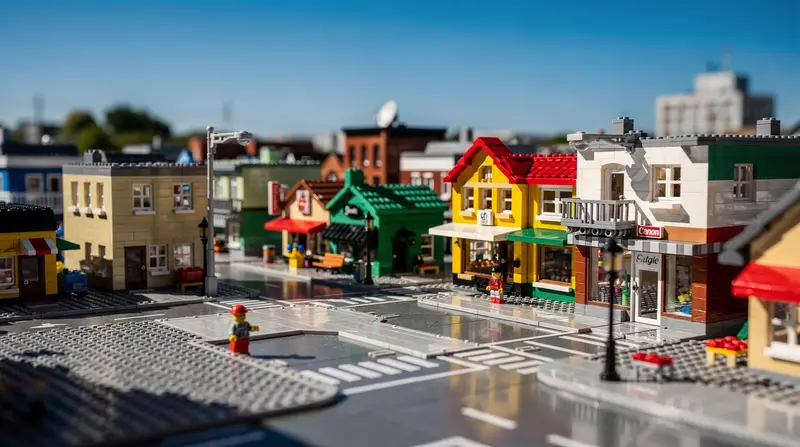
Miniland first. It is outdoors, it is usually not crowded in the first hour, and it is actually one of the most impressive parts of the park for adults and children who are old enough to appreciate scale. The detail in the LEGO models is remarkable — Copenhagen’s Nyhavn is recreated in LEGO, as are the Eiffel Tower, Statue of Liberty, and dozens of other landmarks.
Rides by age group. For under-5s, the Duplo section and the gentler rides in specific areas are where you will spend most time. For 6–12s, the Polar X-plorer roller coaster, the Atlantis by SEA LIFE deep-sea adventure, and the water rides are the main draw. Do not try to do everything — identify the 3–4 things your specific children most want to do and do those well rather than rushing through ten things badly.
Queue apps and timing. LEGOLAND has an app with real-time queue information. Use it. The difference between a 45-minute queue and a 10-minute queue for the same ride is often just a 90-minute window. Mid-afternoon, after lunch, is often when queues peak — plan rest time or secondary activities for 13:00–15:30.
Food: The food inside LEGOLAND is expensive (welcome to all theme parks) and ranges from mediocre to acceptable. Budget 150–250 DKK per person for a park lunch. If you want to save money, eating before you arrive and having snacks to manage the middle of the day reduces the pressure to buy at peak prices.
What to Skip
The SEA LIFE aquarium integrated into LEGOLAND is fine but not exceptional — if your children have not been to an aquarium recently it is worth 45 minutes; if they have, skip it and spend the time on the rides instead.
The Polar Express experience and some of the older attractions have dated in recent years and generate shorter queues for a reason. Trust the queue lengths as a rough proxy for quality.
Tickets: Buy Online, Not at the Gate
Walk-up tickets at the gate are more expensive than advance online purchase. Prices for a 1-day ticket run approximately 400–550 DKK per adult (children slightly less depending on height) bought in advance. Prices at the gate are typically 50–100 DKK higher. There is no good reason to pay the gate price.
Children under 90cm in height enter free. This covers most children under 3 and some 3-year-olds — check your child’s height before booking rather than assuming.
The Copenhagen Card does not cover LEGOLAND. Billund is outside the Copenhagen zone.
Weather and When to Go
LEGOLAND is at its most crowded in July and the first half of August, when Danish and German school holidays overlap. Shoulder-season weekdays — late May, early June, or the first half of September — offer noticeably shorter queues and cooler weather for walking around outdoor Miniland. Rain is common in Denmark year-round; most rides run in light rain, but a wet day does reduce queue lengths, which is a reasonable trade-off if you are not precious about staying dry. Bring layers regardless of season — Jutland weather changes faster than coastal Copenhagen’s.
What Age Works Best for LEGOLAND?
This question gets asked more than almost any other. The honest answer: 4 to 12 years old is the optimal window, with 6 to 10 being the sweet spot.
| Age | How it goes |
|---|---|
| Under 4 | Duplo zone and train ride work; most rides and Miniland are lost on them |
| 4–6 | Duplo area and gentler rides land well; Miniland starts to click |
| 6–10 | The sweet spot — nearly all rides accessible, LEGO fully understood |
| 11–14 | Still good, especially with Star Wars Miniland and Ninjago; fades by 14 |
The reasoning:
Under 4: very young children can enjoy certain areas — the Duplo zone, the train ride, some of the gentler experiences — but they lack the height for most rides, the attention span for Miniland, and the conceptual framework for appreciating what LEGO represents. They can have a good time; the trip is optimised around adults managing logistics rather than the child experiencing the park.
4 to 6: the Duplo area and gentler rides work well. Miniland starts to become comprehensible. The park is magical at this age without needing to be big enough for the main attractions. Plan around rest time.
6 to 10: the core demographic. Nearly all rides are accessible by height. LEGO as a concept is fully understood and loved. Miniland is fascinating. This is the age for which the park was designed.
11 to 14: starting to age out. LEGOLAND is genuinely good for 11-year-olds but a 14-year-old who has been before will find it less engaging. The park recognises this — the newer additions (Star Wars Miniland, Ninjago ride) are partly aimed at keeping older children engaged.
Getting to Billund: Train vs Driving
For visitors without a car — the majority of tourists in Copenhagen — the train to Vejle followed by a bus or taxi to Billund is the standard route. The InterCity trains from Copenhagen H to Vejle depart regularly and take around 2h10m. From Vejle, a bus (Sydtrafik route) runs to Billund in approximately 35–40 minutes during operating hours; a taxi covers the same journey in 20 minutes for around 200–250 DKK.
Alternatively, the Flixbus network runs direct coaches from Copenhagen Bus Terminal to Billund on certain routes — slower than the train but potentially cheaper and more direct. Check schedules in advance; frequency is lower than the train.
If you have a rental car (or are renting one specifically for this trip), the drive from Copenhagen to Billund takes approximately 2h30m on the motorway under normal conditions. A car makes the logistics of luggage, food stops, and departure timing significantly more flexible, and if you are staying overnight in Billund, allows more flexibility with hotels outside the immediate park area.
The Verdict
Do the day trip if: your children are at least 5–6 years old, you can get an early departure, you manage expectations carefully, and you are comfortable with a long travel day.
Stay overnight if: your children are under 5, you want to do the park properly rather than in a rush, you are already spending on a family trip and one night’s additional cost is manageable, or you have done it as a day trip before and want a different experience.
The park itself is excellent. The journey each way is long. These two facts pull in different directions, and how you resolve them depends entirely on your family’s specific tolerances and budget.
If LEGOLAND is one stop on a broader family itinerary, our Copenhagen with kids guide and the best family activities in Copenhagen roundup help you weigh it against closer options.
See the LEGOLAND Billund family guide for a complete planning guide, LEGOLAND from Copenhagen guide for transport logistics, and the Billund LEGOLAND destination page for practical information. The day trips from Copenhagen guide covers all day-trip options comparatively.