Lund Day Trip from Copenhagen
Lund: Swedish university city 40 min from Copenhagen. Romanesque cathedral, medieval streets, low crowds. Day trip guide with SEK prices and border ID
From Copenhagen: Lund and Malmö 2-Country Tour
Duration: Full day
Quick facts
- From Copenhagen
- ~40 min by train (via Malmö)
- Train price
- ~DKK 130–170 return to Lund (via DSB)
- Currency
- Swedish krona (SEK) — DKK not accepted
- Best for
- Cathedral, medieval streets, university atmosphere
- ID required
- Yes — passport or EU ID card for Sweden
Quick answer: Lund earns a half-day visit on its own merits — the cathedral is exceptional and the medieval city centre is more intact than you might expect. The standard move is to combine Lund with Malmö in a single day trip, splitting your time between the two. On its own, Lund is lovely but thin on a full day’s content for most visitors.
| Where | Lund, Sweden — 12 min south of Malmö by train |
| Cost | Around DKK 130–170 return; cathedral entry free |
| Time needed | 3–4 hours alone; half-day if paired with Malmö |
| Getting there | Øresundstog from Copenhagen H, change at Malmö |
| Best time | Weekday, avoid conference season (May–June, August) |
Getting to Lund from Copenhagen
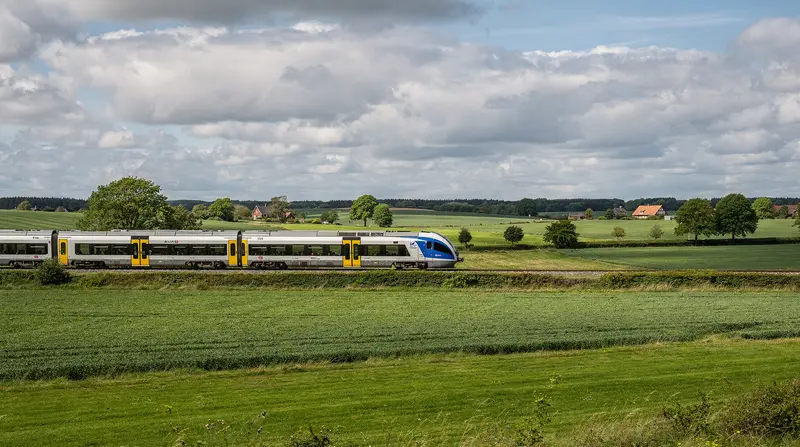
Lund is 12 minutes south of Malmö by train — which means it’s about 45–50 minutes from Copenhagen Central total, counting the connection at Malmö. Trains run frequently. You can buy a single ticket through to Lund via DSB.dk or the Rejseplanen app; a return ticket runs roughly DKK 130–170.
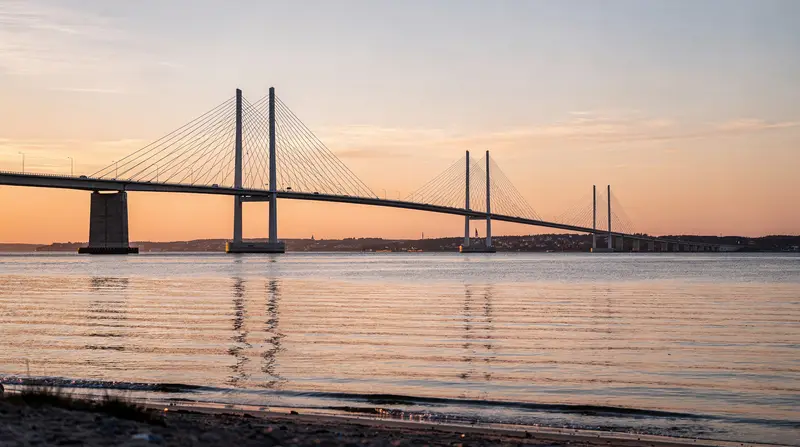
The same rules that apply to Malmö apply here: you are in Sweden, you need SEK (not DKK), and border ID checks are in place at the Øresund crossing since 2015. Bring a passport or EU national ID card. Visa and Mastercard contactless work everywhere in Lund and will charge in SEK automatically.
Lund’s railway station drops you 10 minutes on foot from the cathedral — the city is small enough that you will never need a bus or taxi unless you’re visiting the botanic garden at the far end of the university campus.
Lund Cathedral (Domkyrkan)
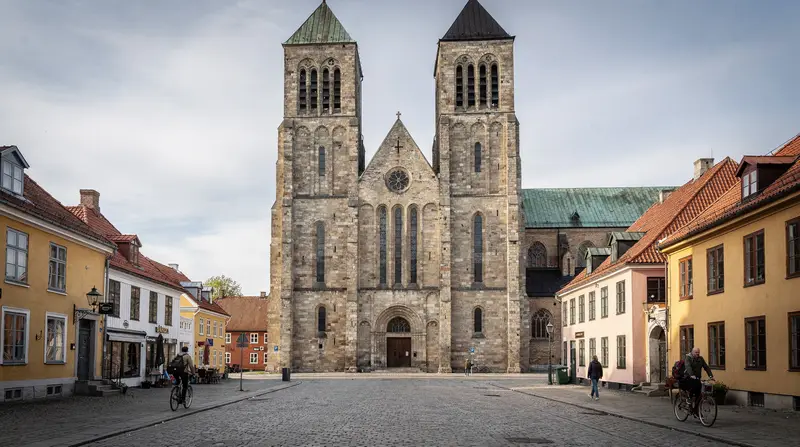
The Cathedral of Lund is the reason most people come here, and it fully justifies the visit. Construction began around 1080 and was largely completed by 1145, making this one of the oldest Romanesque churches in Scandinavia still in regular use. The exterior is built from grey-green sandstone in a style that looks austere from the outside but reveals extraordinary detail up close — carved capitals, blind arcading, and a crypt that dates to the original 11th-century structure.
Inside, the crypt deserves time. It runs the full length of the nave underground, supported by stubby Romanesque columns with carved capitals, lit by candles. The giant Finn figure — a carved stone figure embedded in a column, according to local legend the troll who built the cathedral — is odd and memorable.
The astronomical clock (Horologium mirabile Lundense), installed in 1424, chimes at noon and 3pm on weekdays and at 1pm on Sundays. It depicts the Three Wise Men parading past a figure of the Madonna. Whether you find this charming or kitsch depends on your disposition, but it draws a crowd regardless.
Entry to the cathedral is free.
Guided Lund and Malmö two-country tour from CopenhagenThe University and Old Town
If you’re comparing university-town atmosphere to Copenhagen’s own historic core, Lund’s medieval streets feel closer in scale to Indre By than to Malmö’s more contemporary centre. Lund University was founded in 1666 and enrols about 46,000 students. The university buildings are spread across the city centre and blend into the medieval street plan in a way that makes Lund feel permanently lived-in, even in summer when fewer students are around. The main university building (Universitetsplatsen) is a grand 19th-century neo-Romanesque pile directly south of the cathedral — worth walking past.
The old town streets around the cathedral — particularly Mårtenstorget, Kattesund, and the lanes behind the university library — retain their medieval scale. Many buildings date to the 18th and early 19th centuries; a few timber-framed structures survive from earlier. This is the part of Lund to walk slowly, not to rush through en route to something else.
Kulturen is an open-air museum in the old town covering Lund’s history from the Viking age to the 20th century. It includes about 30 historic buildings, a collection of medieval objects, and a section on Swedish domestic life across the centuries. Entry costs SEK 130 (roughly DKK 84). It’s good but optional — most visitors on a combined Lund-Malmö day will skip it to keep time.
Botanical Garden
The Lund University Botanical Garden (Botaniska trädgården) is one of the oldest in Scandinavia, founded in 1690. It covers about 7 hectares at the eastern edge of the university campus, about 15 minutes’ walk from the cathedral. Entry is free. In May and June the lilac garden is in bloom; the tropical greenhouses are open year-round. This is a good option if you want a quiet 45-minute walk away from the central tourist area.
Lund vs Malmö: Which One?
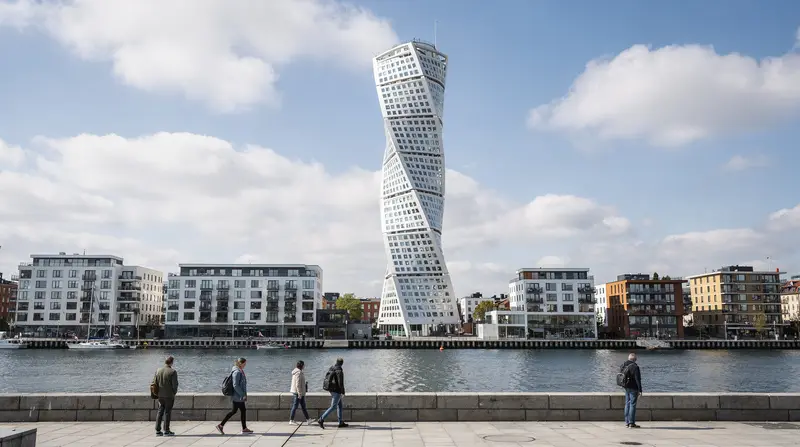
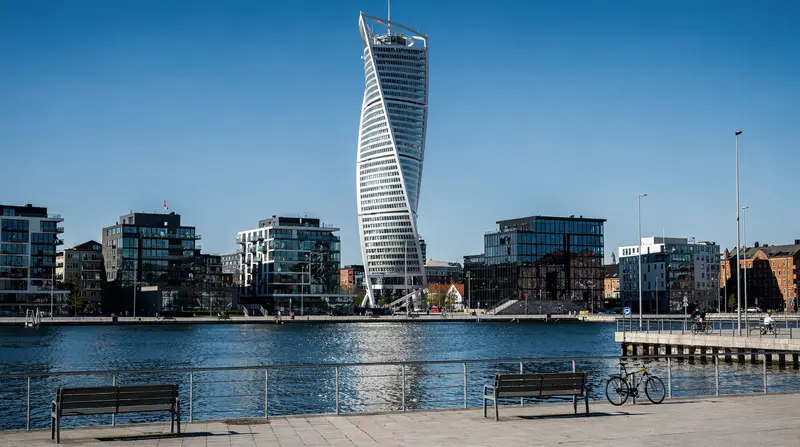
This is the honest version: Malmö has more to fill a full day. The Western Harbour, the Turning Torso, the old town, Möllan — Malmö generates a satisfying 6–8 hour itinerary. Lund generates a satisfying 3–4 hour itinerary built around the cathedral and the old town.
The combination works well precisely because they’re different. Malmö is a contemporary city with modern architecture and a vibrant multicultural neighbourhood. Lund is a medieval university town that still looks and feels like one. Spending a morning in one and an afternoon in the other gives you two distinct experiences for roughly the same travel cost.
If you only have time for one: Malmö for a full day, Lund if you specifically want a Romanesque cathedral and a quiet medieval city.
| Lund | Malmö | |
|---|---|---|
| Time needed | 3–4 hours | 6–8 hours |
| Main draw | Romanesque cathedral, university town | Western Harbour, old town, street art |
| Atmosphere | Quiet, academic, medieval | Contemporary, multicultural, urban |
| Best for | Church architecture enthusiasts | Full-day city explorers |
| Crowds | Low, even in summer | Moderate, busiest at Lilla Torg |
Lund in Context: What Kind of City Is This?
Lund is one of those places that has been important for far longer than it currently appears. In the 11th and 12th centuries, when the cathedral was built, Lund was the most significant city in what is now southern Sweden — the seat of the Archbishop of Scandinavia and the ecclesiastical centre for the entire region. The Reformation and subsequent history reduced Lund’s political importance, but the university (founded 1666) maintained its cultural weight. The city you see today is shaped by both legacies: medieval ecclesiastical architecture and an active university culture.
This combination makes Lund unusually coherent as a city. The medieval scale is preserved because the city never grew beyond the need to preserve it. The university brings a year-round intellectual and cultural energy that would otherwise be absent in a city of this size. The student-to-resident ratio is very high — around one student for every seven permanent residents — which shapes everything from café culture to evening entertainment.
What Lund is not: a city with a broad range of tourist attractions beyond the cathedral, the old town streets, and the botanical garden. The cultural calendar has exhibitions, concerts, and events year-round (the university drama and music departments perform regularly), but accessing these as an outside visitor requires more planning than most day-trippers will have time for.
Food and Coffee in Lund
Lund’s café culture is among the best in southern Sweden, driven entirely by the student population’s demand for affordable, quality coffee and food. Several cafés around the cathedral and university library have been operating for decades and have the comfortable permanence of places that don’t need to attract tourists to survive.
For lunch, the area around Mårtenstorget and Store Södergatan has the highest concentration of options. A standard café lunch (smörgås, soup, or salad) runs SEK 100–160 (roughly DKK 65–100). The university’s own cafeteria buildings around Universitetsplatsen serve subsidised food to students but are generally accessible to the public — an unconventional option for a cheap and authentic meal.
Lund has fewer restaurants in the DKK 300+ dinner range than Malmö, which reflects the student demographic. For dinner, the options around Stortorget are the most straightforward; for something more distinctive, ask locally or check current reviews.
A practical note: many of Lund’s best cafés close early (by 6pm) on weekdays and have reduced hours on weekends. Don’t assume a café you researched online will be open on Saturday afternoon.
Practical Information
Food and drink: Lund’s café scene is driven by its student population — inexpensive, unpretentious, good coffee. The area around Mårtenstorget and Stortorget has the highest concentration of cafés and lunch spots. Expect to pay SEK 100–160 (DKK 65–100) for a proper lunch. Avoid the places directly opposite the cathedral entrance, which charge cathedral-adjacent tourist prices.
Currency: Everything is in SEK. Card payments are universal. ATMs are at the station.
How long to spend: Three to four hours is the right amount if visiting Lund alone. If combining with Malmö, budget 2.5–3 hours in Lund and 3–4 hours in Malmö.
Suggested order: Arrive in Malmö first (it’s the train junction anyway), spend the morning there, take the 12-minute train to Lund for the afternoon, then return either direct or via Malmö. Or reverse it if you want the cathedral with morning light.
See also: The Malmö destination guide covers the Øresund crossing, border checks, currency exchange, and the combined-day logistics in full detail. The day trips guide places both cities in the context of your overall Copenhagen trip. If you’re planning a longer Copenhagen stay, the 4-day itinerary shows where a Lund-Malmö day fits alongside the city’s own sights.
Lund Cathedral’s astronomical clock in detail
The Horologium mirabile Lundense is worth planning your visit around if mechanical clocks or medieval astronomy interest you. Installed in 1424 and restored several times since (most recently in the 1920s), the clock does more than tell the time: it tracks the ecclesiastical calendar, including the date of Easter, using a system of dials that would have been considered remarkable engineering in the 15th century.
The daily performance — a small procession of carved figures representing the Three Wise Men passing before the Madonna, accompanied by the hymn “In Dulci Jubilo” played on pipe organ — happens at noon and 3pm on weekdays and 1pm on Sundays. Arrive 5–10 minutes early to get a clear view; the crowd around the clock at performance time can be dense in summer, though it thins quickly once the show ends.
Day Trip vs Overnight in Lund
Almost nobody stays overnight in Lund on a trip from Copenhagen — the city is compact enough that a half-day covers the essentials, and Malmö (12 minutes away) provides better accommodation options and evening culture if you’re extending your Øresund visit. The combination of Lund for the morning and Malmö for the afternoon and evening is the standard approach, and it works well.
If you did want to stay in Lund overnight, the city has several hotels in the mid-range to upper-mid-range bracket, with the highest concentration near the station and cathedral. Summer fills hotels quickly because the university’s academic conferences draw visitors year-round. Book ahead if you’re visiting in May or June (the conference season) or August (when courses resume).
The train back from Lund to Copenhagen runs until late — the last direct service departs well past midnight, so there’s no need to rush the evening. This makes Lund-Malmö a viable dinner destination even from Copenhagen: take an early afternoon train, walk the old town, eat in Malmö, and take a late train home.
Frequently asked questions about Lund
Is Lund worth visiting without Malmö?
Yes, if you specifically want a Romanesque cathedral and a quiet, compact medieval city. The cathedral alone is one of the finest examples of Romanesque architecture in Scandinavia. If you don’t have a strong interest in medieval church architecture, the honest answer is that Lund is better as a half-day add-on to Malmö than as a standalone destination.
Do I need a visa or ID to visit Lund?
The same rules as for Malmö apply. Sweden has ID checks at the Øresund crossing since 2015. Bring a passport (non-EU travellers) or a valid national ID card (EU citizens). Driving licences are not accepted at the border.
Can I use DKK in Lund?
No. Lund is in Sweden, which uses Swedish krona (SEK). DKK is not accepted. Pay by card (Visa/Mastercard converts to SEK automatically) or withdraw SEK from ATMs at Lund station or central ATMs.
How do I get from Copenhagen to Lund?
Take the Øresundstog from Copenhagen Central (København H) or Copenhagen Airport (Kastrup) to Malmö Central, then change to a local Pågatågen train for the 12-minute ride to Lund Central. Total journey time is roughly 45–50 minutes. You can buy a single through-ticket covering both legs via DSB.dk or the Rejseplanen app.
What is the best thing to see in Lund?
The cathedral (Domkyrkan) is the clear answer — particularly the 11th-century crypt and the 15th-century astronomical clock. After that, the medieval streets around Kattesund and the university area are the most atmospheric parts of the city.
Is the Lund University open to visitors?
The university buildings and grounds are accessible to the public. You can walk through the main campus and enter the university building (Universitetsplatsen) during opening hours. There’s no admission charge for walking around the campus.
Top experiences
Bookable activities with verified prices and instant confirmation on GetYourGuide.